
Vintage Botanical Framed Art
Vintage botanical framed art brings nature indoors through delicate watercolours, oils and lithographs housed in period timber.
Vintage Botanical Framed Art
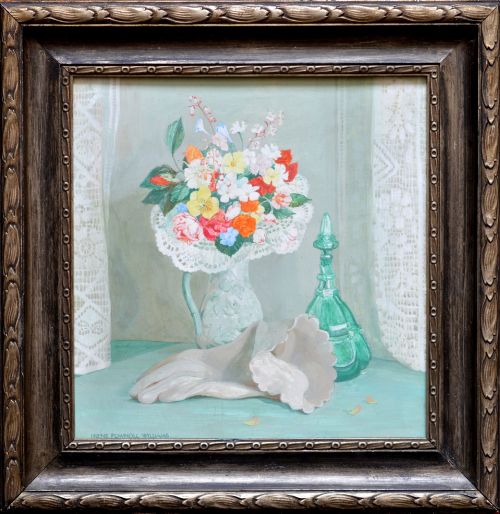
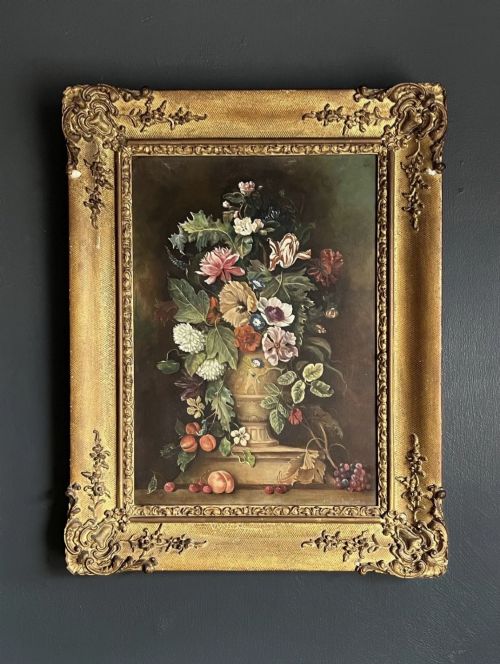
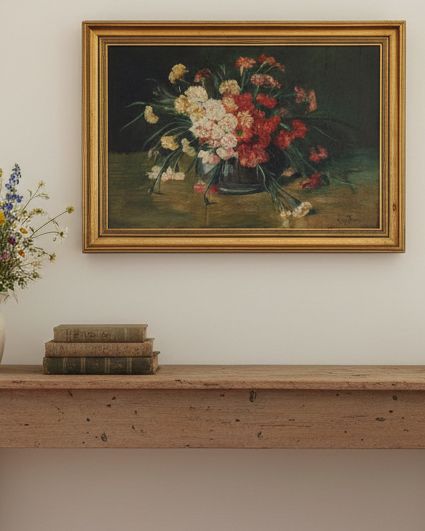
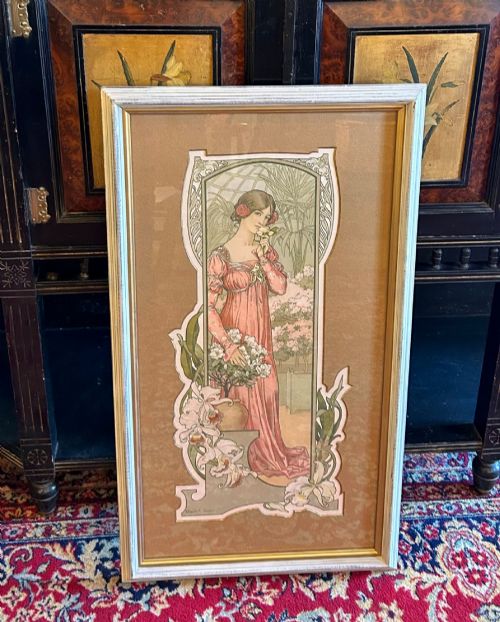
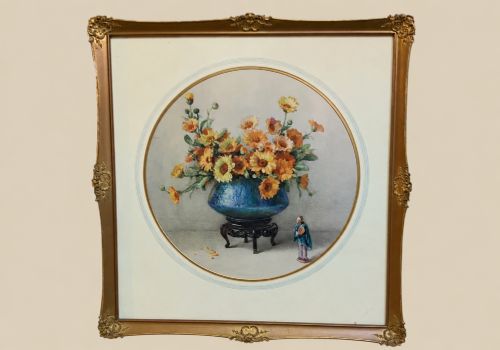
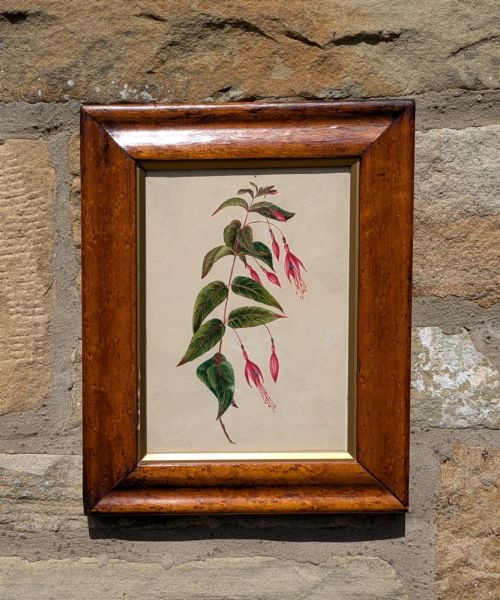
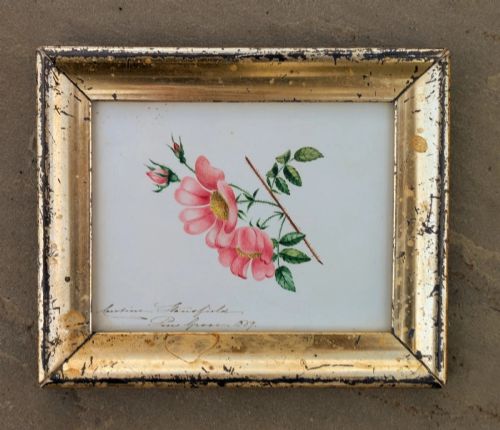
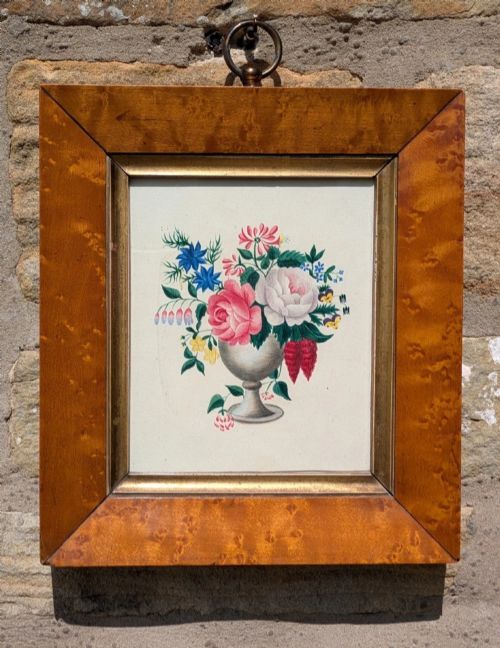
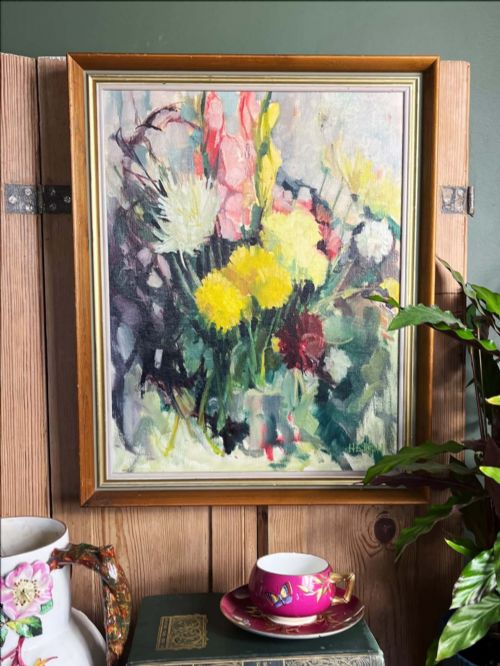
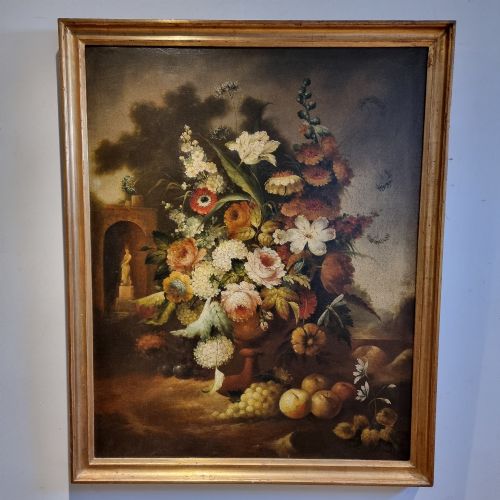
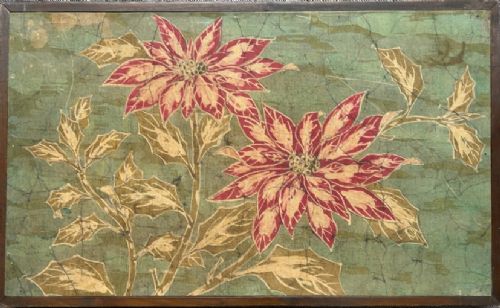
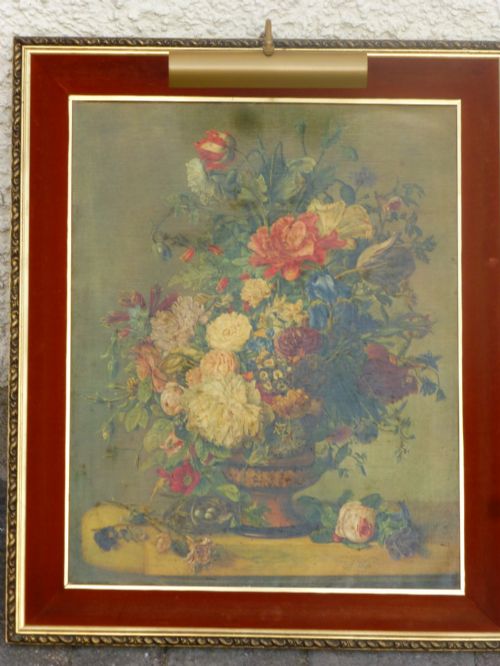
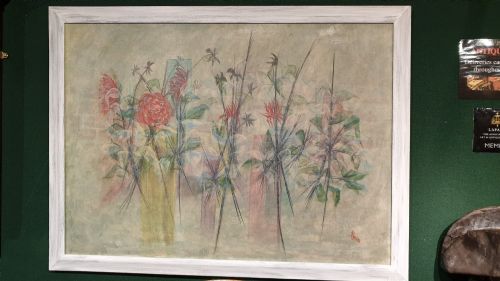
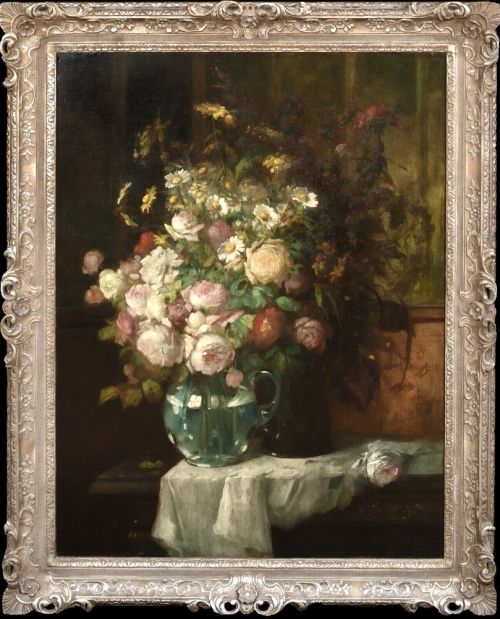
Vintage botanical framed art encompasses a diverse array of framed wall pieces celebrating flora, ranging from detailed nineteenth century watercolours to mid-century oil paintings and lithographs. The selection spans distinct historical periods including Regency, Victorian, and mid-century modern eras, reflecting changing tastes in interior decoration and natural history illustration. Buyers encountering this selection will find everything from delicate studies of single flower stems to robust impressionist still lifes filled with roses and summer blooms.
Many of these works originate from British and European studios, capturing the academic rigour of earlier botanical illustration alongside the looser brushwork of later impressionist movements. Mediums vary from traditional paper and canvas to textile panels and pencil drawings, each preserved behind protective glass or set within original wooden mouldings. This assortment provides an accessible entry point for collectors seeking historical charm combined with natural subject matter.
How they were made
Makers utilised traditional supports such as canvas, paper, board and textile panels to capture botanical subjects using oil paint, watercolour, gouache, pastel, or lithographic printing. Brushes applied fluid washes of pigment or thick impasto oils, while graphic works relied on fine pencil lines and ink alongside printed colour layers.
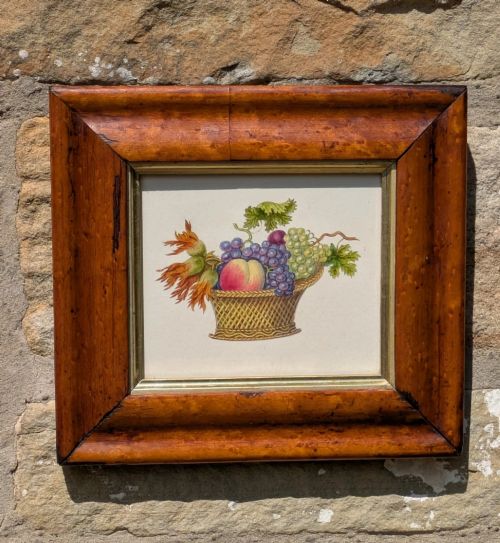
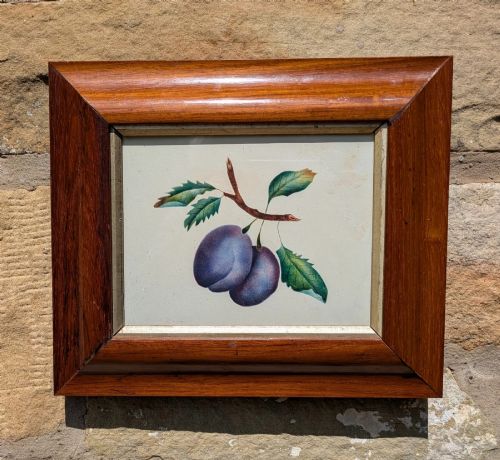
Framing played an integral role in presentation, employing wood such as rosewood alongside gold leaf and gilt gesso mouldings to complement the artwork within. Protective glass frequently covered works on paper to shield delicate watercolours and lithographs from atmospheric moisture and dust.
Several botanical studies capture the quiet dignity of a single spotted flycatcher or wild rose, proving that insects and birds frequently joined the flowers.
What varies in quality
Quality rests upon the execution of the botanical subject and the handling of the chosen medium, distinguishing hurried decorative works from accomplished artistic studies. Skilled brushwork in oils or precise pen control in watercolours creates depth and anatomical accuracy in floral forms.
The integrity and originality of the framing contribute significantly to a piece, with period gilt gesso, rosewood, and carved wood surrounds adding contextual value. Well-preserved surfaces free from heavy fading or major pigment degradation elevate the overall standard of the artwork.
Elisabeth Sonrel·Konstantin Stoitzner·Emma Fordyce MacRae·Harold Clayton·Edwin Steele·Manuela Bonati·William Thomas Wood·Owen Bowen·James Tower
The Vintage Botanical Framed Art Glossary
- Lithograph
- A print made from a flat stone or metal plate on which the image area is receptive to ink. This technique allowed for the mass production of detailed botanical illustrations in colour.
- Gouache
- An opaque water-based paint consisting of pigment, water, and a binding agent such as gum arabic. It dries to a matte finish and provides stronger coverage than traditional watercolour.
- Gesso
- A plaster-like mixture applied to wood frames before gilding or painting. It creates a smooth surface that can be moulded into decorative relief patterns.
- Impasto
- Paint applied thickly to a canvas or board so that the strokes stand out from the surface. This technique adds tactile texture and three-dimensional presence to floral still lifes.
- Oleograph
- A mechanical colour print textured to imitate an oil painting on canvas. These reproductions gained popularity in the nineteenth and twentieth centuries for decorative domestic display.
Vintage Botanical Framed Art: Frequently Asked Questions
How should I clean the glass on framed art?
Use a soft microfiber cloth lightly dampened with water or standard glass cleaner, taking care not to spray liquid directly onto the frame or mount. Gently wipe the surface to remove dust without allowing moisture to seep beneath the rebate.
Avoid using harsh chemical solvents that might damage vintage wood finishes, gilding, or paper borders surrounding the artwork.
Where is the best place to hang these pieces?
Select an interior wall that receives indirect natural light rather than harsh, direct sun exposure to prevent delicate watercolours and paper from fading over time. Rooms with stable humidity levels, away from radiators or damp zones, help preserve both the wooden frames and the underlying canvas or paper supports.
Grouping smaller botanical studies together creates a striking gallery wall effect, while larger oil paintings function well as single focal points above furniture.
How do I identify a watercolour from a lithograph?
Examine the surface closely using a magnifying glass to check for the presence of tiny printed dots or a uniform dot pattern, which indicates a lithographic reproduction. Watercolours display varying pigment density, brush texture, and slight paper indentation where the wet brush rested.
Original paintings also show subtle irregularities in hand-applied pigment that mechanical printing processes lack.
Can I replace the backing board?
Original backing boards often contain historical information, labels, or stamps that provide context about the framer or previous collections. Retaining these original elements helps maintain the historical integrity of the piece whenever possible.
If replacement is essential for preservation, consult a professional framer to use acid-free archival materials that protect the artwork from deterioration.