




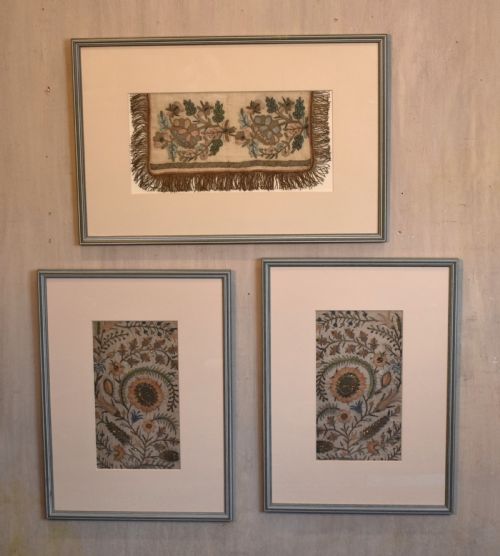


Georgian Botanical Wall Art
Georgian botanical wall art brings the scientific and aesthetic fascination of the natural world directly into your interior.
Georgian Botanical Wall Art
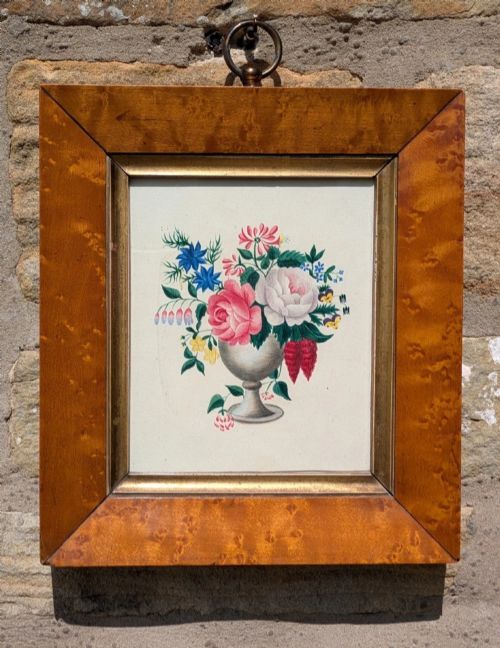
When you search for georgian botanical wall art, you encounter framed watercolours, gouache paintings, and hand-coloured engravings depicting flowers, plants, and natural history specimens. These pieces reflect the period's intense curiosity about botany, often combining scientific observation with decorative appeal.
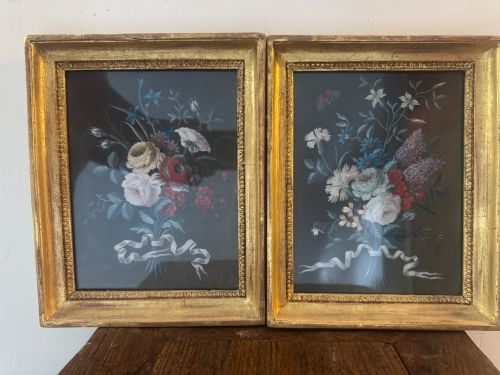
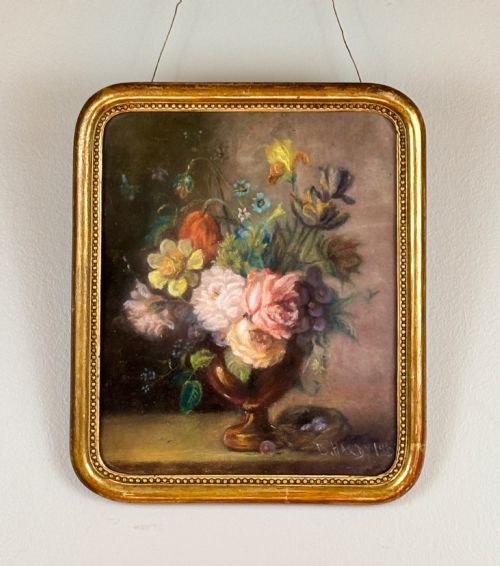
The selections on this page span watercolours, pastel still lifes, cut paper pictures, and engraved plates from the eighteenth and nineteenth centuries. Alongside pure flora, you will frequently find related natural subjects including ornithological engravings and animal portraits.
Framed works dominate the selection, often housed in period wooden or carved pine frames accented with gold leaf. These items range from single delicate studies to coordinated sets of four or twelve plates.
What varies in quality
Quality in georgian botanical wall art rests upon the precision of the draughtsmanship and the vibrancy of the remaining pigment. Finer works display meticulous botanical accuracy and skilful brushwork that survives without excessive fading.
The integrity of the framing also influences the piece, with original carved wood and gold leaf frames commanding greater interest than later replacements. Sets that remain complete, such as multi-plate series of engravings, offer a higher degree of historical coherence.
Mother Faux’s macaw gazes out from Farnley Hall across the centuries.
D Hardy·William Andrews Nesfield·George Edwards·John Curtis·William Swainson·George Lance
The Georgian Botanical Wall Art Glossary
- Gouache
- An opaque watercolour paint that dries to a matte finish, allowing for rich colour saturation in botanical studies. It differs from transparent watercolour by containing a white pigment filler.
- Engraving
- A printmaking process where an image is incised onto a metal plate, which is then inked and pressed onto paper. Many botanical and ornithological prints from this era were hand-coloured after printing.
- Needlework
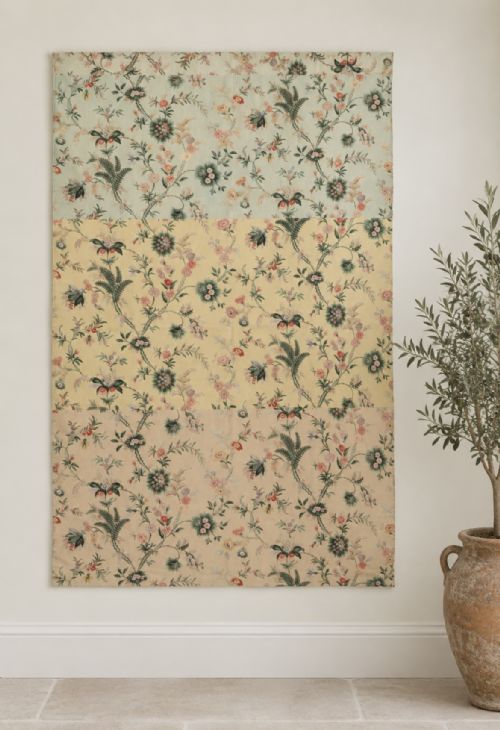
- A textile art form utilising silk or wool thread on a fabric ground to create pictorial representations of flowers and animals. These were typically framed for wall display.
- Pastel
- A dry medium composed of powdered pigment and a binder, pressed into stick form. It yields a soft, velvety texture well suited to intimate still life compositions.
- Gilt
- A thin layer of gold applied to wood or metal surfaces, frequently seen on the frames enclosing these artworks. It provides a reflective border that enhances the colours within the picture.
Georgian Botanical Wall Art: Frequently Asked Questions
How should I hang botanical wall art?
Protect these framed pieces from direct sunlight to prevent the watercolours, engravings, and textiles from fading over time. Hang them at eye level in rooms with stable humidity levels.
Pairing individual pieces with similar works from the nineteenth century creates a balanced display. Ensure the weight of the wooden or gilt frames is supported securely on the wall.
Are these works hand-coloured?
Many botanical and ornithological plates from this era began as printed engravings before receiving meticulous applications of watercolour by hand. This dual technique combined precise printed lines with vibrant, individualised palettes.
Close inspection under magnification often reveals the brushstrokes applied over the ink lines. This distinguishes hand-coloured prints from purely mechanical reproductions.
What frames are original to the pieces?
Original frames from the period are typically constructed from wood, such as carved pine, and finished with gold leaf or gilt. They show age-appropriate wear and construction methods consistent with eighteenth and nineteenth-century joinery.
Replacement frames are common in antique wall art, but period-appropriate mouldings help maintain the historical context of the artwork. Check the joinery at the corners for signs of age.
How do I care for antique needlework?
Keep needlework pictures behind glass to protect the silk and wool threads from dust, moisture, and handling. Avoid placement in damp environments where textiles might attract mildew.
Minimal exposure to light preserves the original dyes used in the wool and silk embroidery. Gentle dusting of the exterior glass is all that is required for routine maintenance.
What is the difference between gouache and watercolour?
Watercolour is a transparent medium that allows the white of the paper to shine through the pigment layers. Gouache includes an added white pigment that makes the paint opaque and matte.
Botanical artists often combined both mediums within a single study to achieve delicate translucent petals alongside solid, vibrant stems and leaves.