



18th Century Figurine
An 18th century figurine brings sculptural porcelain and carved wood into the interior, capturing allegorical subjects and pastoral scenes with enduring decorative presence.
18th Century Figurine
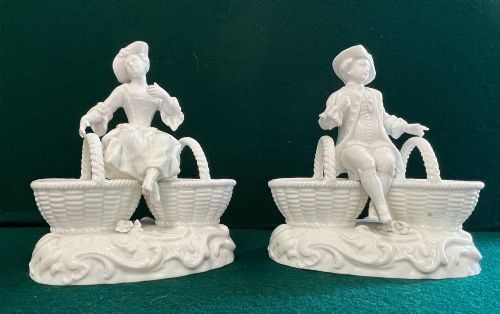
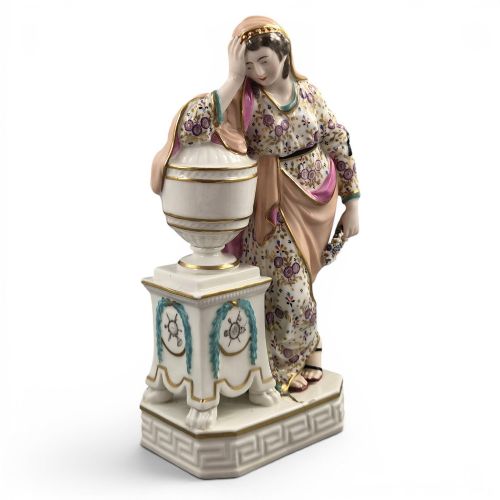
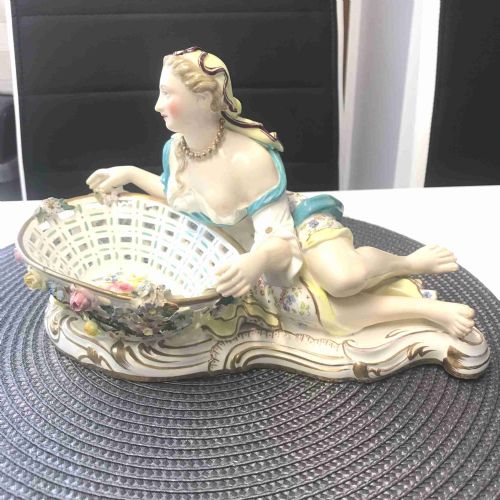
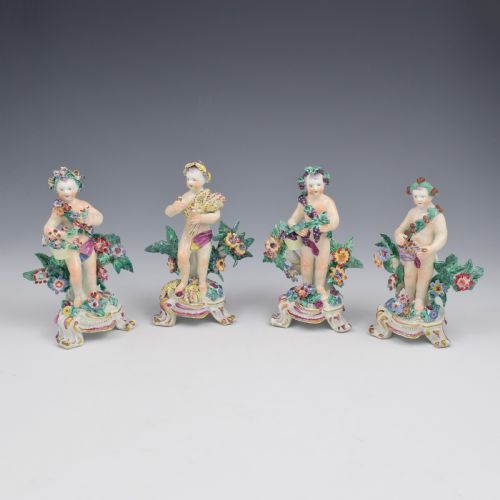
Subjects range widely from classical deities and theatrical characters to naturalistic animals, sweetmeat baskets, and seasonal representations. These works often survive in pairs or complete sets illustrating broader thematic groups such as the Four Seasons or the Four Elements.
The period style transitions from exuberant Rococo curves towards more restrained Neoclassical balance, reflected in the posture, dress, and base ornamentation of each model. Surviving examples demonstrate the era's fascination with theatrical performance, pastoral fantasy, and classical mythology rendered in miniature.
Materials and construction methods
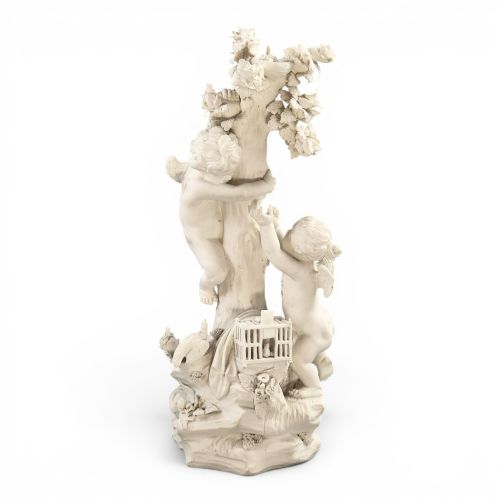
Makers utilised soft-paste and hard-paste porcelain, shaping the clay through press-moulding or slip-casting before hand-modelling intricate details like foliage, lace, and facial expressions. Bisque porcelain, left unglazed to resemble carved marble, gained particular favour at factories such as Derby during the latter half of the century.
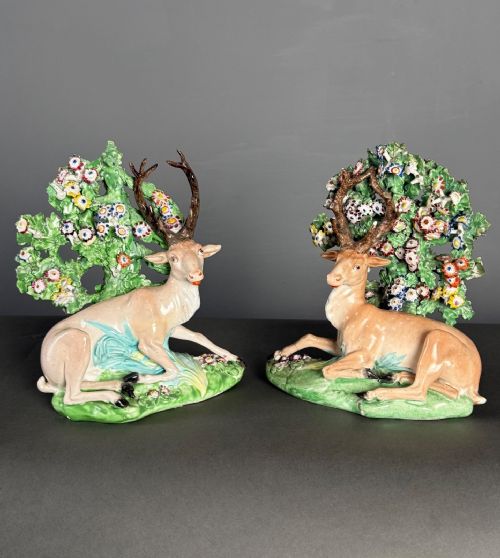
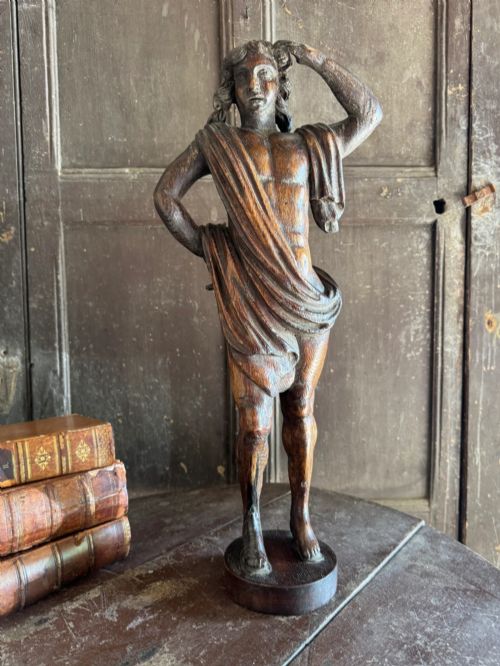
Coloured enamel pigments and gilding were applied by hand over or under the glaze, bringing vibrancy to garments, flora, and heraldic bases. Artisans working in wood employed boxwood and ivory, frequently combining carved elements with applied ornamentation or fitted metal mounts.
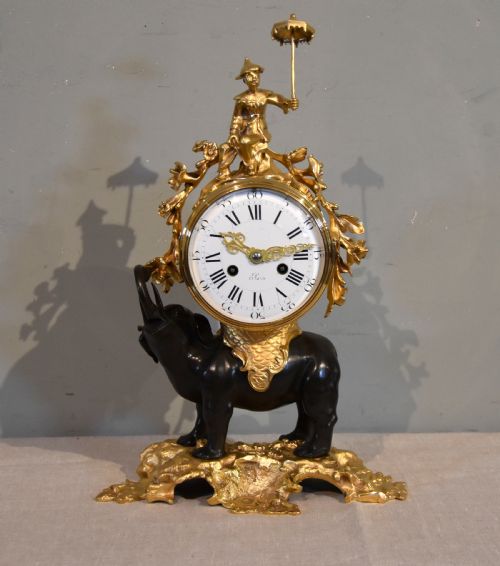
Object forms documented here include porcelain figures, decorative figurines, candlesticks, shadow boxes, mantel clocks, and carved wooden classical figures.
Factors determining quality
The sophistication of the original design, often attributed to named modellers and documented by specific factory model numbers, separates ambitious sculptural groups from routine decorative wares.
Meissen·Derby·Bow·Ludwigsburg·Simon Troger
The 18th Century Figurine Glossary
- Bocage
- An applied background of carved or modelled leaves and flowering branches framing a porcelain figure. This decorative arbourwork became especially popular on Derby and Bow animal and human figures.
- Bisque
- Unglazed porcelain fired to a matt, porous finish that resembles white marble. It was widely utilised for classical figures and allegorical groups to highlight sculptural form over colour.
- Soft-paste porcelain
- A vitrified ceramic compound composed of clay, glass frit, and ground minerals, fired at lower temperatures than hard-paste porcelain. It possesses a warm, creamy body and soft glaze characteristics.
- Hard-paste porcelain
- A true porcelain made from kaolin and petuntse fired at high temperatures, producing a dense, bright white body impervious to most acids.
- Gilding
- The application of gold leaf or powdered gold to ceramic surfaces or bronze mounts, typically fixed by firing or adhesive sizing.
18th Century Figurine: Frequently Asked Questions
What subjects do these figures depict?
The subjects encompass classical deities, allegorical representations of seasons or elements, theatrical performers, and pastoral workers like shepherds and grape sellers. Animals, birds, and mythological groups also appear frequently across factory productions.
Many figures were produced as matching pairs or part of larger narrative sets designed to adorn dining tables or mantelpieces. Their imagery reflects contemporary tastes in literature, theatre, and courtly pastoral romance.
Were these figures meant for display?
Most porcelain and carved figures served as decorative ornaments for domestic interiors, placed on mantelpieces, brackets, or within glazed cabinets. Some smaller porcelain examples functioned as table centrepieces or sweetmeat holders during formal dining.
Their placement allowed owners to display cultural literacy through classical and theatrical references while adding colour and texture to panelled rooms.
How should I care for an antique figurine?
Keep porcelain and wooden figures out of direct sunlight to prevent the fading of hand-applied enamel colours and gilding. Dust them gently with a soft, dry brush rather than liquid cleaners, as moisture can damage unglazed bisque or old repairs.
Display them on stable, secure surfaces away from high-traffic areas to protect delicate projections like bocage leaves, fingers, and limbs from accidental impact.