


18th Century Derby
When handling 18th century derby, collectors encounter delicate figures, painted vessels, and practical tablewares shaped by early English ceramic arts.
18th Century Derby
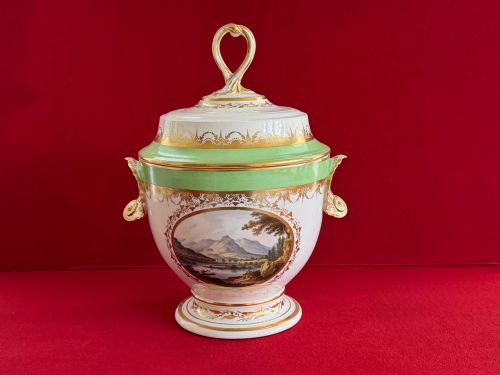
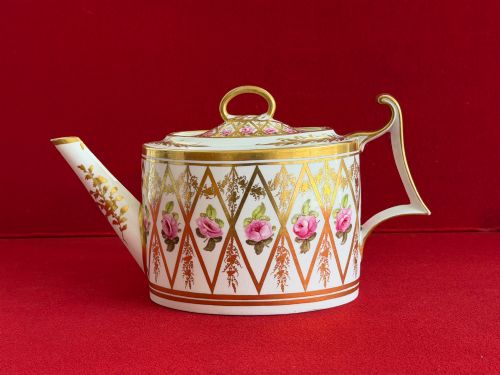
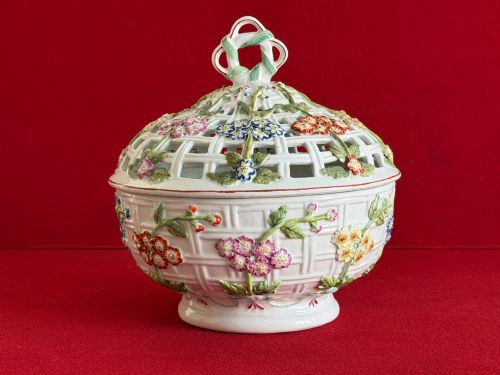
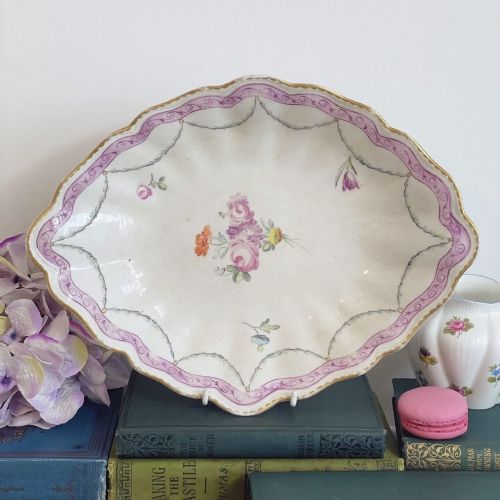
When searching for 18th century derby, buyers examine porcelain objects originating from the Derby factory during the Georgian period. The selection on this page centres on figures, candlesticks, tea wares, and serving dishes.
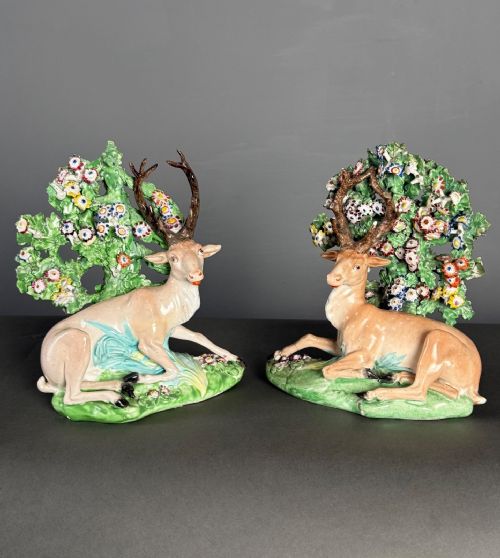
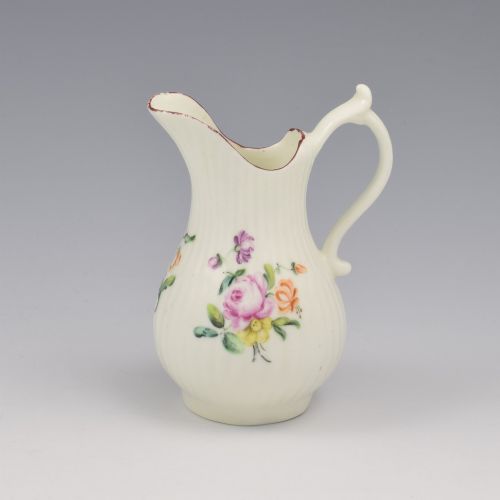
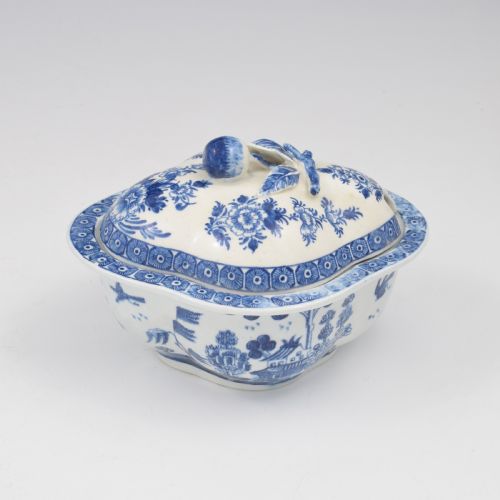
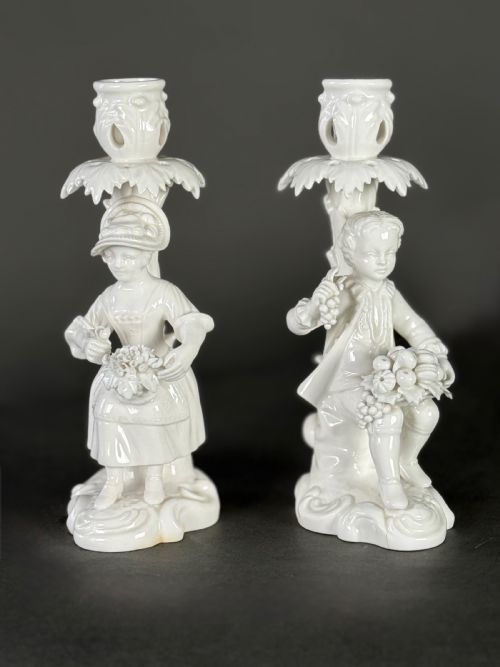
Figurines and animals form a large portion of the available pieces, often modelled with pastoral or mythological themes. Functional tablewares such as teapots, cream jugs, and plates appear alongside ornamental vases and tureens.
Many items date from the mid to late Georgian era, spanning the formative years of the factory through to the Duesbury and Kean periods. Collectors find both polychrome painted examples and unglazed biscuit porcelain.
How They Were Made
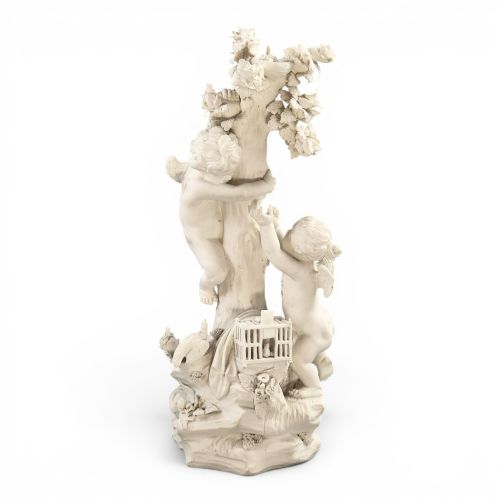
Early Derby pieces rely primarily on soft-paste porcelain, moulded and fired to create bodies suited for intricate figures and tablewares. Biscuit porcelain emerges later in the period, left unglazed to highlight sculptural detail without enamel shine.
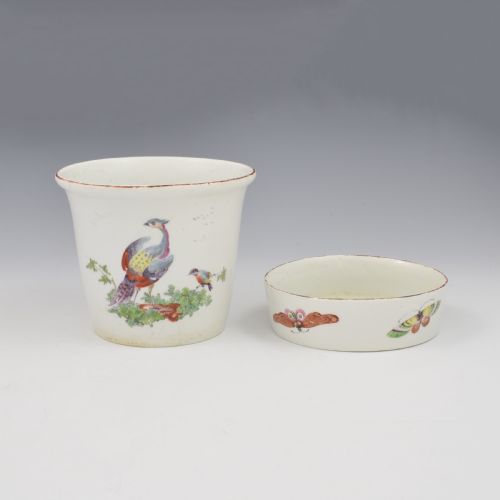
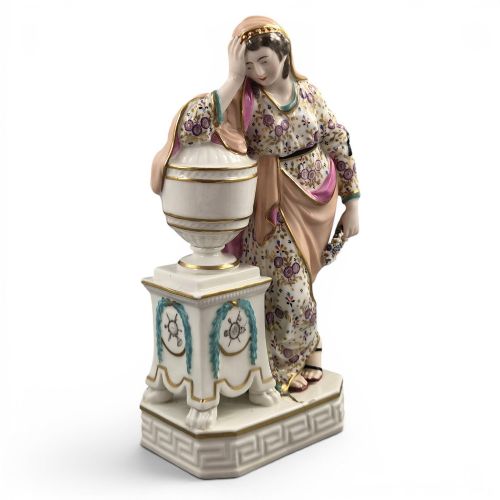
Decoration involves handpainted polychrome enamels, blue and white underglaze pigments, and selective gilding with gold leaf. Master painters applied botanical studies, figures, and patterns directly onto the fired ceramic surface.
Listings feature soft-paste porcelain alongside unglazed biscuit porcelain and painted enamel decorations.
What Varies in Quality
Painted decoration creates further distinction, with named artists and detailed botanical or figurative scenes commanding greater attention. Simpler floral sprigs or standard factory patterns represent standard commercial output.
George Robertson·Zachariah Boreman·Pierre Stephan·Duesbury and Kean
The 18th Century Derby Glossary
- Biscuit porcelain
- Unglaved ceramic ware fired to a matte finish that resembles marble. This finish was widely used for neoclassical figures to emphasise sculptural form.
- Bocage
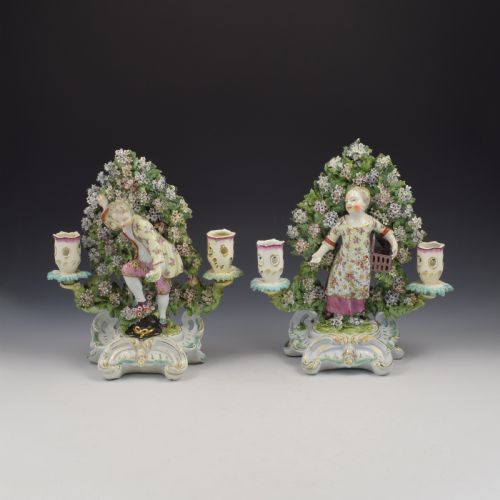
- Applied porcelain foliage and flowers framing figural groups. This decorative background element is characteristic of mid-Georgian Derby figures and candlesticks.
- Soft-paste porcelain
- An artificial ceramic paste composed of white clay, glass frit, and ground minerals. It yields a warm, translucent body that absorbed enamels deeply during firing.
- Patch mark
- Small unglazed spots on the underside of early porcelain resulting from kiln furniture supports. These marks help date pieces to the early phases of production.
- Polychrome
- Decoration utilising multiple enamel colours painted by hand. Artisans built up floral, landscape, and figural scenes using these mineral pigments before a final low-temperature kiln firing.
18th Century Derby: Frequently Asked Questions
What is 18th century derby porcelain?
It refers to ceramic items produced by the Derby factory during the Georgian era, encompassing both ornamental figures and practical tablewares.
These pieces reflect changing artistic tastes from early Rococo forms to Neoclassical designs.
How were these figures used?
Figurines and candlesticks served as decorative ornaments on mantelpieces and dining tables during the Georgian period.
Larger sculptural groups were displayed to demonstrate taste, while smaller figures formed part of elaborate table centerpieces.
How do I identify biscuit porcelain?
Biscuit porcelain lacks the glossy vitreous glaze found on standard ceramic tablewares, presenting a tactile, matte surface.
This material was specifically chosen for sculptural figures to closely imitate carved white marble.
What is bocage on a figure?
Bocage is the intricate, hand-formed foliage and leafwork that surrounds the background of mid-century figural groups and candlesticks.
It provides a naturalistic arbour effect common in pastoral and theatrical tableaus.