





Georgian Porcelain Sculpture
Georgian porcelain sculpture brings figures of classical mythology and pastoral life into the room, cast in soft-paste clay and biscuit porcelain.
Georgian Porcelain Sculpture
When you search for georgian porcelain sculpture, you encounter modelled figures and groups drawn from classical mythology, allegory, and country life. The forms span individual allegorical representations like the four elements or seasons, alongside mythological pairings of deities such as Pluto, Zeus, and Father Time.
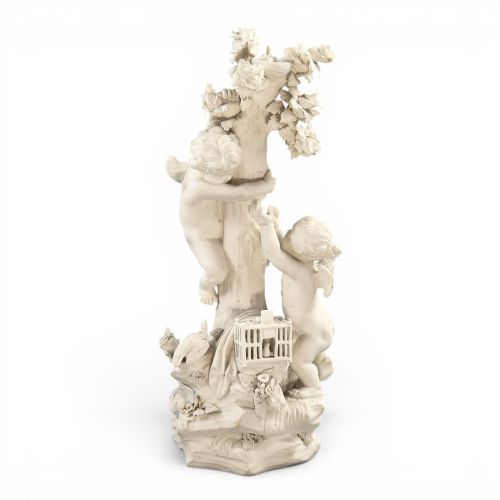
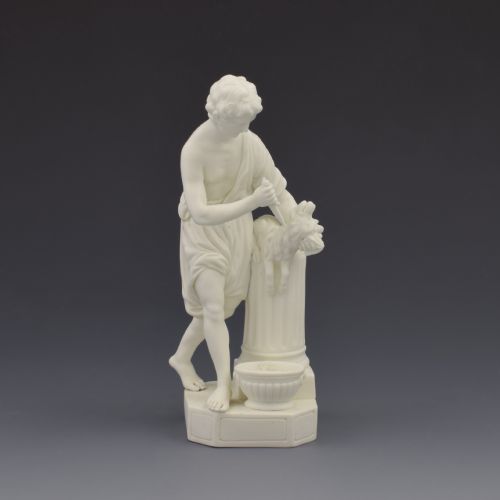
The version you are most likely to meet on this page is the Derby figure, produced in multiple variations from the mid to late eighteenth century. These pieces encompass both glazed porcelain enriched with enamel colours and unglazed white biscuit bodies.
Beyond Derby, the selection includes examples from Bow, Minton, and continental workshops like Ludwigsburg. The styling shifts from rococo curves and bocage foliage to neoclassical restraint as the period progresses.
Materials and technique
The early figures rely on soft-paste porcelain and soft-paste porcelain bodies, which accept enamels and gold leaf with a distinctive warmth. Makers also utilise unglazed biscuit porcelain and bisque porcelain to render the texture of marble in miniature.
Georgian Porcelain Sculpture Retail Price Guide 2026
Typical asking prices for georgian porcelain sculpture among the pieces listed under this phrase on Sellingantiques today, from the lower quarter to the upper quarter. They describe what is for sale here now, not the wider market.
Object types span decorative figurines, single figures, and complex figure groups depicting animals, mythology, and allegories of the four elements.
Assessing quality
Quality rests upon the crispness of the modelling and the depth of the biscuit or the control of the glaze and enamel brushwork. Finer pieces maintain sharp definition in facial expressions and intricate drapery without losing structural clarity.
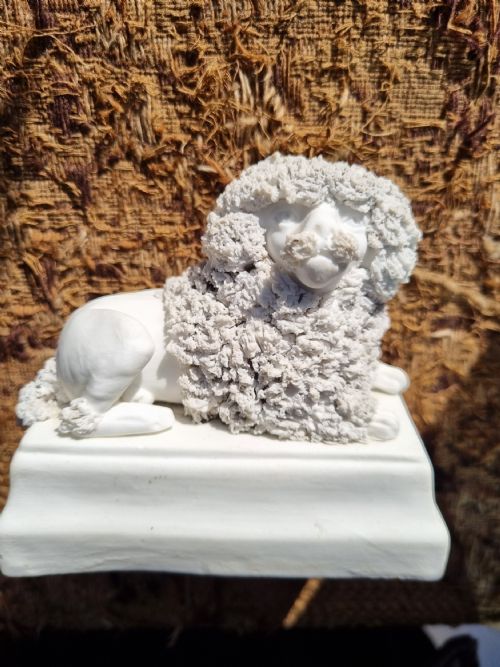
The complexity of the form dictates distinction, separating simple single figures from multi-figure groups with elaborate bocage settings. Superior examples preserve their delicate applied elements, such as lambs, hounds, and floral attributes, in intact condition.
Derby·Bow·Minton·Ludwigsburg
The Georgian Porcelain Sculpture Glossary
- Biscuit porcelain
- Unglazed fired ceramic that presents a matte, marble-like surface finish. This material allows modellers to capture fine anatomical and sculptural details without glaze obscuring the lines.
- Bocage
- An applied background of carved and pierced foliage or leaves framing a figure. It appears frequently behind pastoral and allegorical subjects in eighteenth-century works.
- Soft-paste porcelain
- An artificial ceramic body composed of white clay and glass frit, fired at lower temperatures than hard paste. It possesses a characteristic warm translucency under enamel decoration.
- Enamel
- Vitreous coloured paints applied over or under the glaze to decorate the porcelain body. These pigments are fixed permanently by subsequent firing in a muffle kiln.
- Figurine
- A small modelled three-dimensional human, animal, or mythological figure. These objects served as decorative garniture on eighteenth-century dining and drawing room tables.
Georgian Porcelain Sculpture: Frequently Asked Questions
How were these figures used originally?
Eighteenth-century households placed these sculptures on dining tables as decorative garnitures during dessert courses. They also adorned mantelpieces and cabinets as conversation pieces.
Their subjects often carried allegorical meanings, referencing the seasons, continents, or classical mythology.
How do I tell early Derby from later pieces?
Early Derby figures from the mid-eighteenth century feature softer paste bodies and simpler pastoral motifs like sheep and shepherds. Modelling style shifts toward neoclassical subjects and biscuit porcelain by the later decades of the century.
Markings and specific model numbers recorded in factory archives help establish the production window.
What is a bocage background?
Bocage refers to the applied foliate background constructed from modelled leaves and branches behind a figure. It creates a leafy arbour effect common in mid-eighteenth-century porcelain sculpture.
This technique surrounds pastoral and mythological subjects with naturalistic scenery, though it required great skill in the kiln.
Are these figures glazed or unglazed?
The selection includes both glazed porcelain and unglazed biscuit porcelain. Glazed pieces feature hand-painted enamels and gilding.
Unglazed white biscuit bodies leave the matte porcelain surface exposed to highlight the sculptor's modelling without reflective sheen.