

18th Century Delftware Ceramics
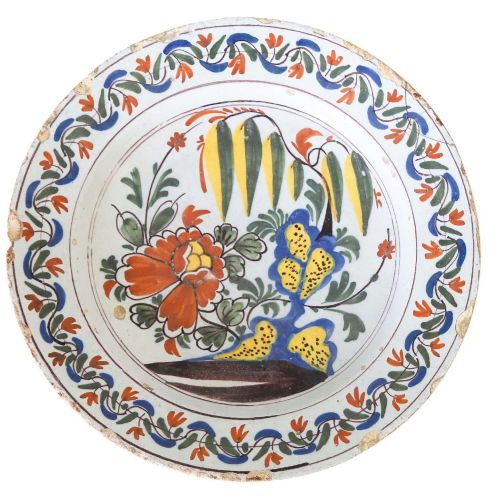
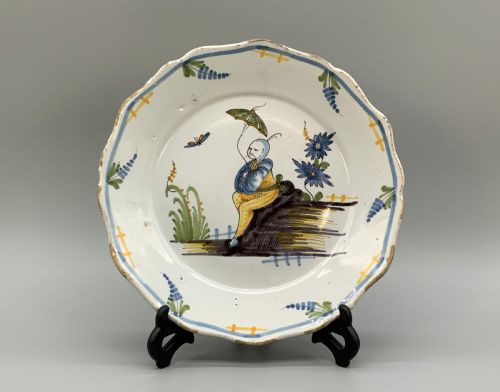
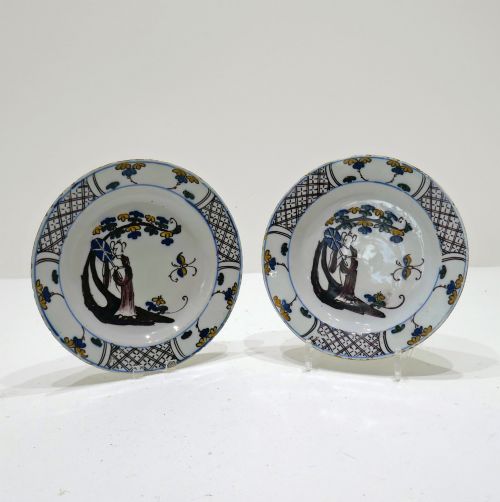
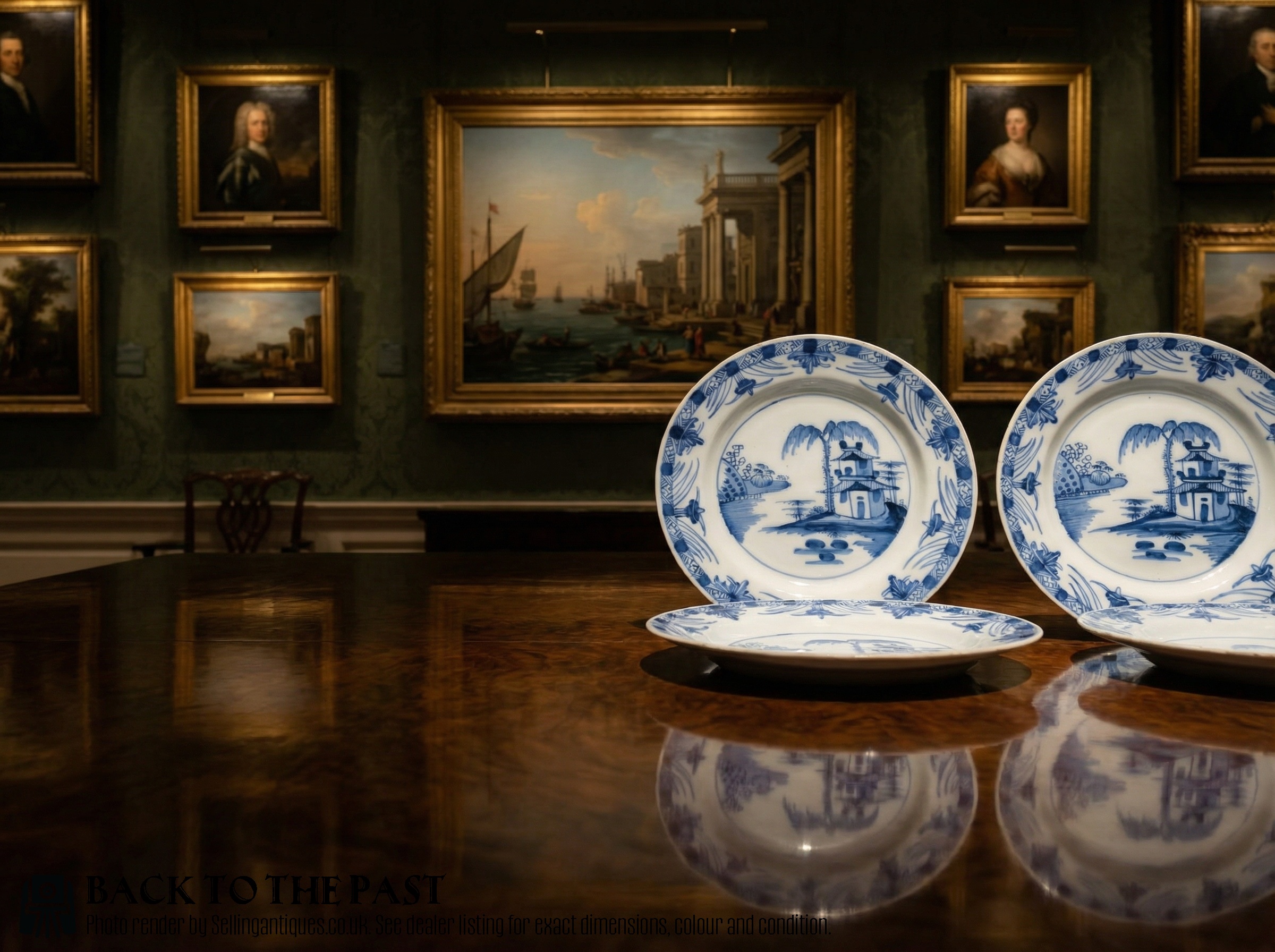
These 18th century delftware ceramics are tin-glazed earthenware vessels and plates that collectors prize for their hand-painted blue and white or polychrome decoration.
18th Century Delftware Ceramics
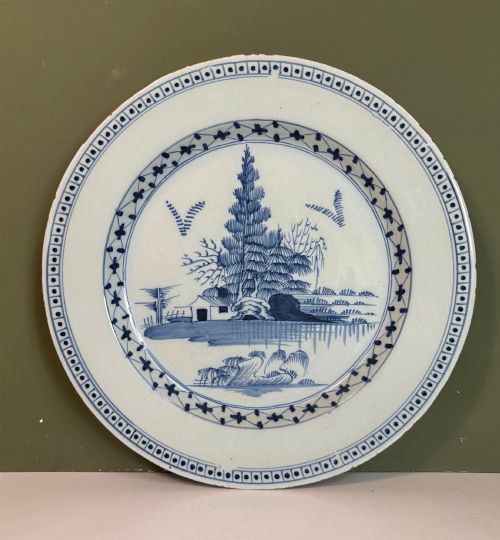
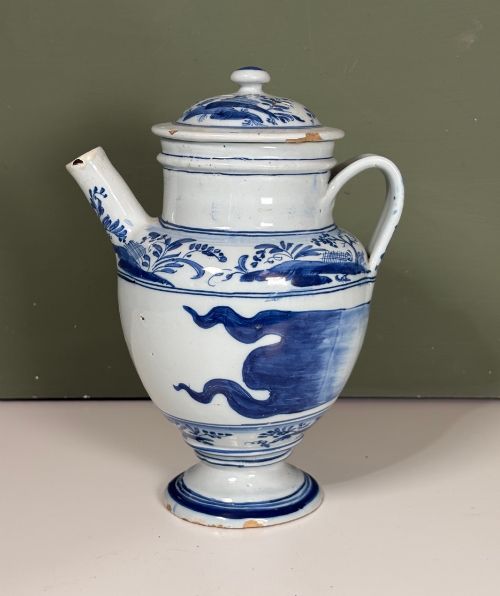
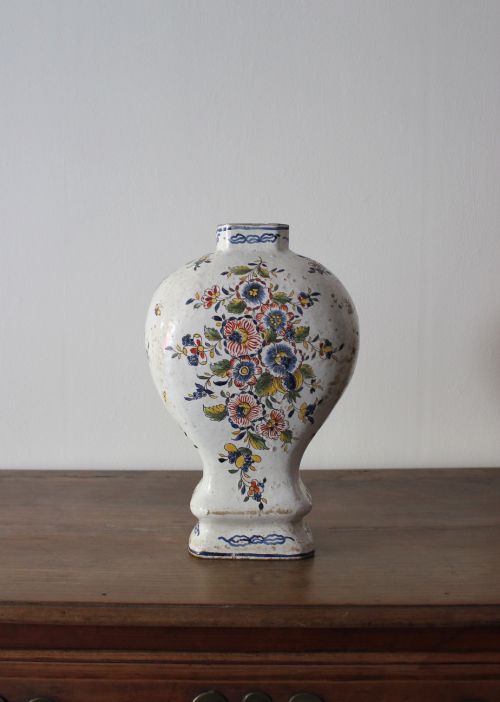
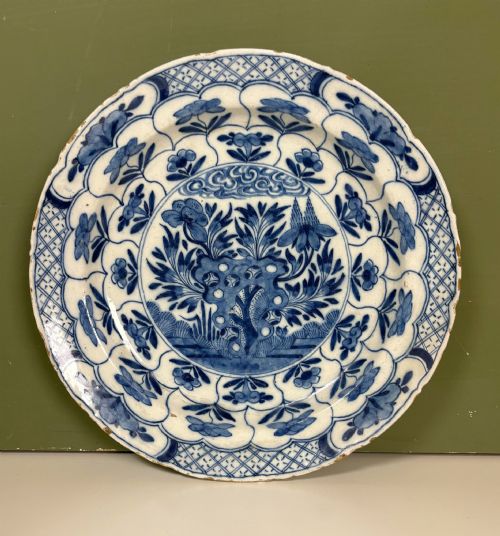
When you examine 18th century delftware ceramics, you encounter utilitarian and decorative pieces produced across Europe, primarily in England, Holland, France, and Spain. The inventory centres heavily on large chargers, decorative plates, and storage vessels such as apothecary jars and drug jars.
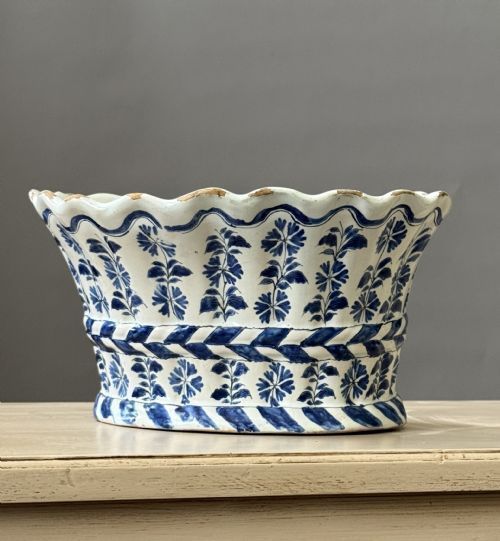
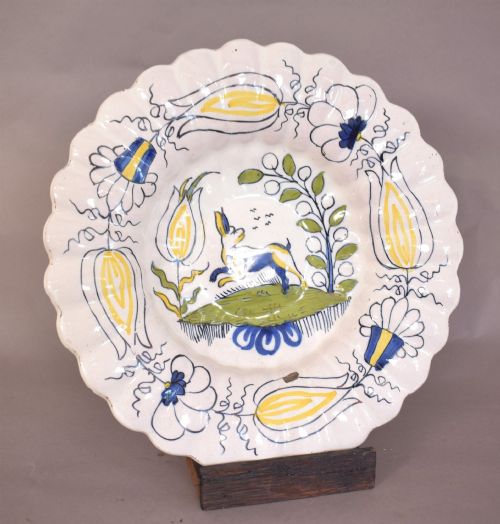
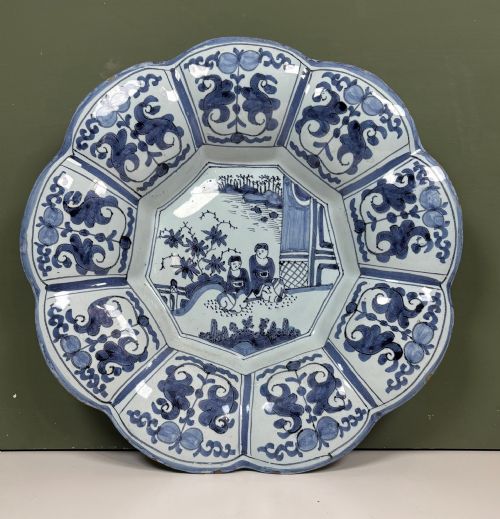
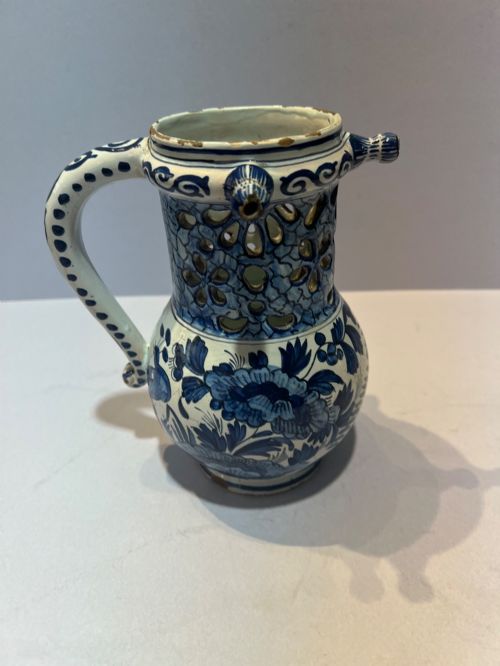
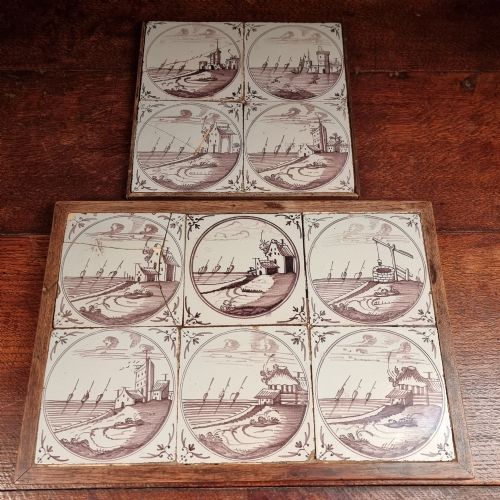
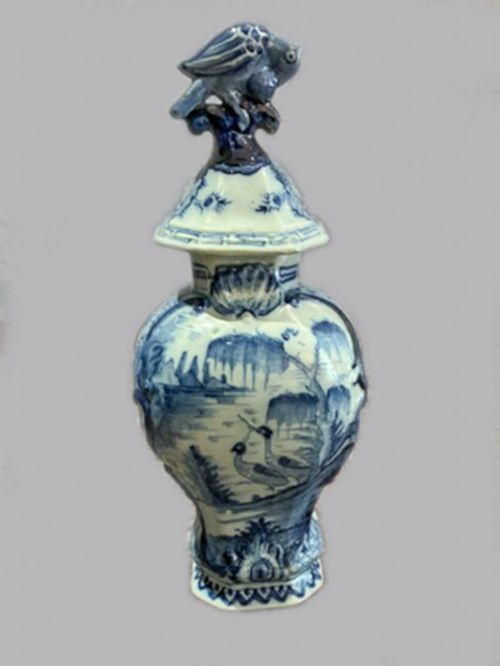
The versions you meet most frequently on this page originate from Dutch and English workshops, taking the form of blue and white dishes, baluster vases, and manganese tiles. Domestic forms such as posset pots, puzzle jugs, and barber's bowls appear alongside grander garden urns and bough pots.
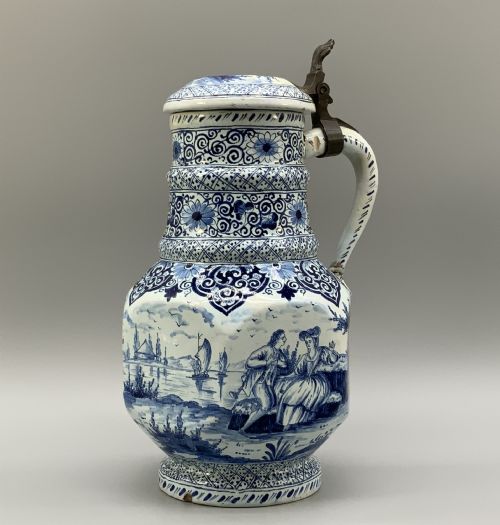
Makers shaped these earthen bodies for both daily apothecary use and domestic display, creating marriage plates, plaques, and lidded jugs. The stylistic vocabulary spans Dutch baroque, Georgian influence, and Chinese export motifs adapted into domestic scenes.
How they were made
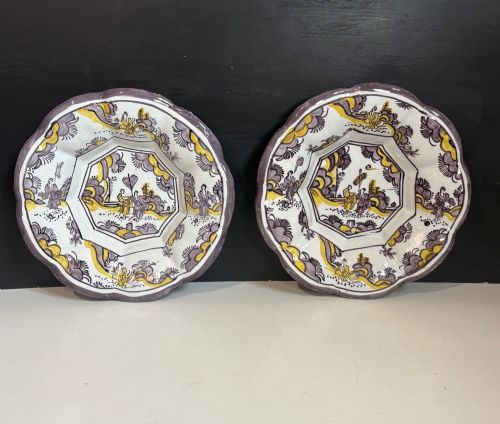
Potters formed these items from earthenware clay, coating the fired biscuit body in an opaque tin glaze that provided a smooth white ground for painting. Cobalt pigment and manganese oxide supplied the blue and purple tones, while broader polychrome palettes incorporated yellow and other mineral colours applied directly to the porous surface before a final firing.
The process required precise kiln control to fuse the tin-glaze to the clay body without blistering or running. Artisans painted freehand brushwork onto the raw glaze, meaning the pigments absorbed instantly and left no room for correction or erasure.
The listings on this page span the 17th, 18th, and 19th centuries, utilising tin-glazed earthenware, cobalt pigment, and brass components.
What varies in quality
Quality rests in the crispness of the hand-painted brushwork and the stability of the tin glaze over the earthenware body. Pieces at the upper end show confident, detailed pictorial scenes, such as complex architectural or figural compositions, whereas lesser examples display hurried or formulaic brush strokes.
The purity and opacity of the white tin glaze also set individual items apart, as thinner or pitted glazes obscure the earthenware less successfully. Furthermore, the ambition of the form dictates standard, separating standard plates from intricate puzzle jugs, lidded garden urns, and apothecary jars with moulded details.
Lambeth Pottery·Bristol
The 18th Century Delftware Ceramics Glossary
- Tin-Glazed Earthenware
- Pottery covered with a lead glaze made opaque by the addition of tin oxide. This coating creates the characteristic white surface that accepts painted cobalt decoration.
- Charger
- A large decorative plate intended for display on a wall or dresser rather than for dining use. These expansive surfaces often display the most ambitious pictorial painting.
- Polychrome
- Decoration employing multiple colours rather than a single pigment like cobalt blue. These palettes frequently combine greens, yellows, oranges, and manganese.
- Apothecary Jar
- A vessel designed to hold medicinal herbs, syrups, or dry drugs in a shop or dispensary. They often bear Latin inscriptions or specific drug names framed by scrolls.
- Manganese
- A metallic oxide used to produce purple, brown, or plum-coloured pigment on ceramics. It appears frequently in specific tiles and specialised dishes alongside cobalt.
18th Century Delftware Ceramics: Frequently Asked Questions
Were these pieces used for daily dining?
Most surviving chargers and large plates served decorative roles on walls or sideboards rather than heavy daily dining use. Their soft earthenware bodies and tin glazes chip relatively easily under rough service.
Smaller plates and bowls saw more active domestic handling, though apothecary vessels and drug jars remained strictly functional items in professional dispensaries.
How can I tell English delft from Dutch delft?
English pieces often exhibit a pinker or softer earthenware body beneath the glaze, whereas Dutch counterparts frequently display a paler, denser buff fabric. The palette and floral motifs also offer clues, as English makers often adopted distinct local interpretations of Chinese and continental styles.
Examining the foot rim reveals clues about kiln support marks and glazes unique to specific regional potteries in Bristol, London, or Delft.
What is a puzzle jug?
A puzzle jug is a specialised drinking vessel featuring a perforated neck that prevents normal drinking. The user must figure out how to draw liquid through a hidden system of hollow spouts and handles without spilling.
Potters created these interactive items for taverns and social gatherings as a playful challenge for guests.