

18th Century Copperplate
When you search for 18th century copperplate, you discover works printed from engraved metal plates capturing portraits, maps, and natural history.
18th Century Copperplate
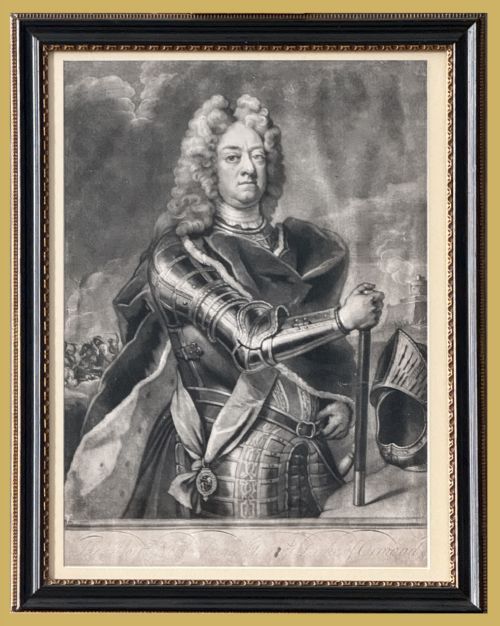
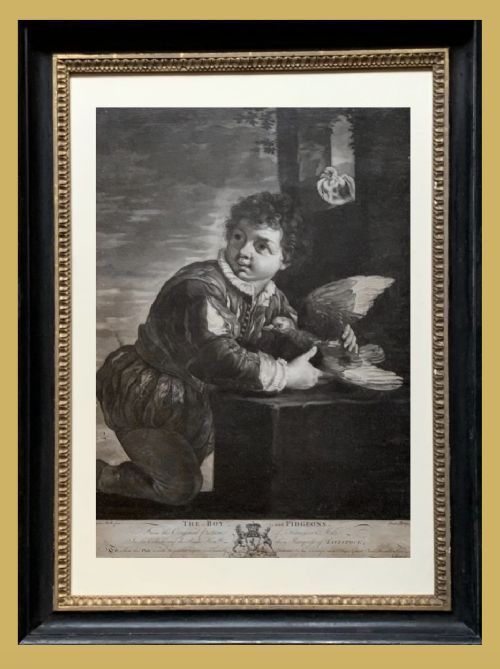
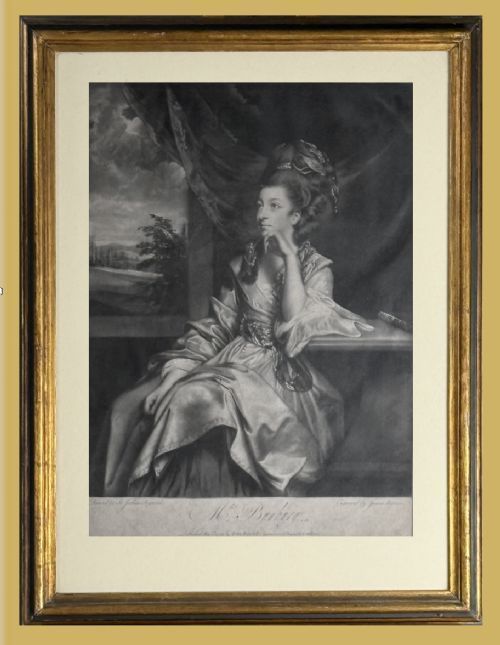
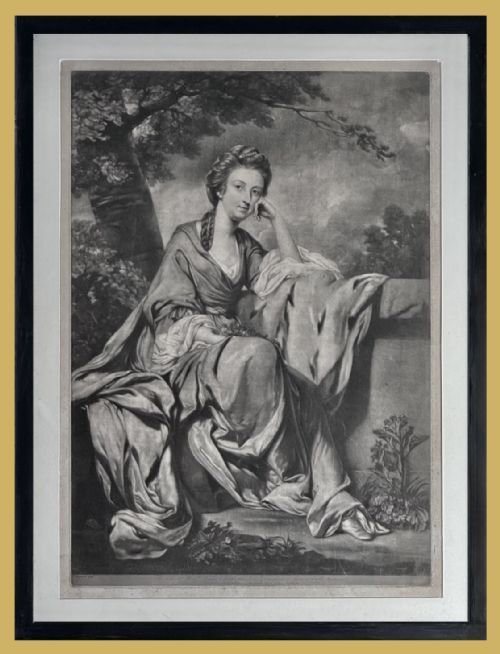
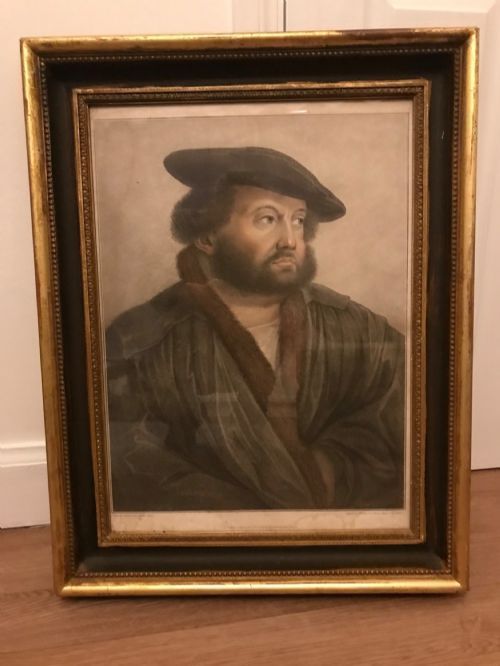
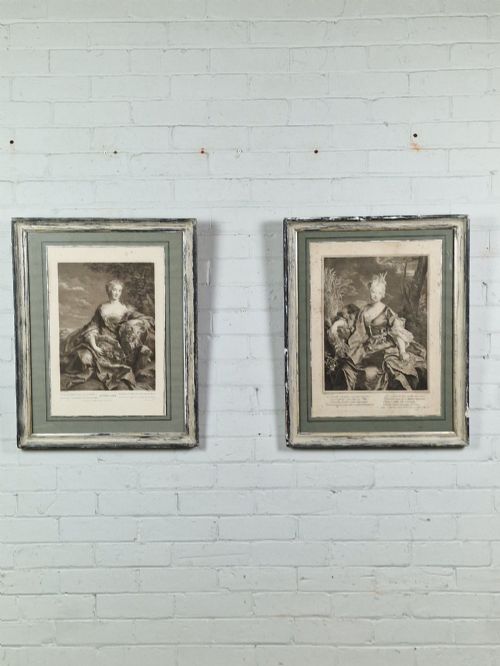
When searching for 18th century copperplate, a buyer encounters framed prints, engravings, and mezzotints originating primarily from the Georgian period.
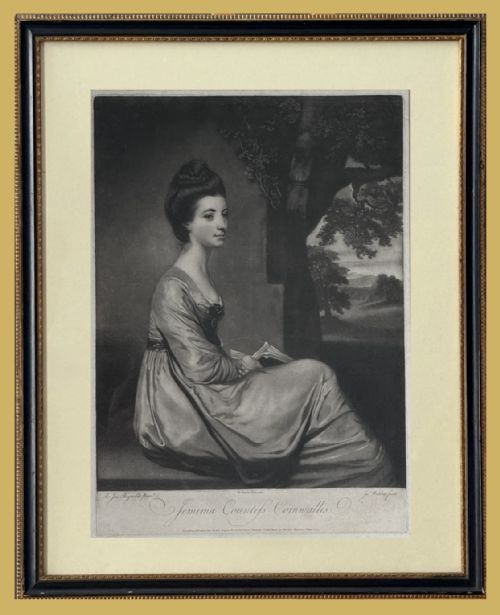
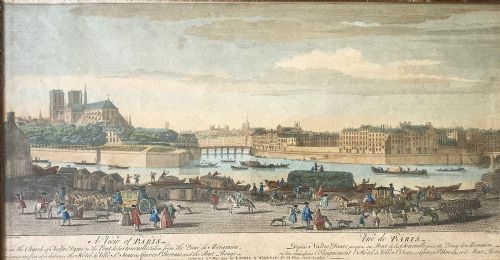
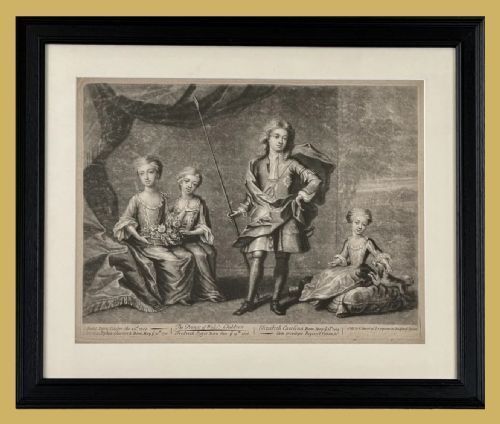
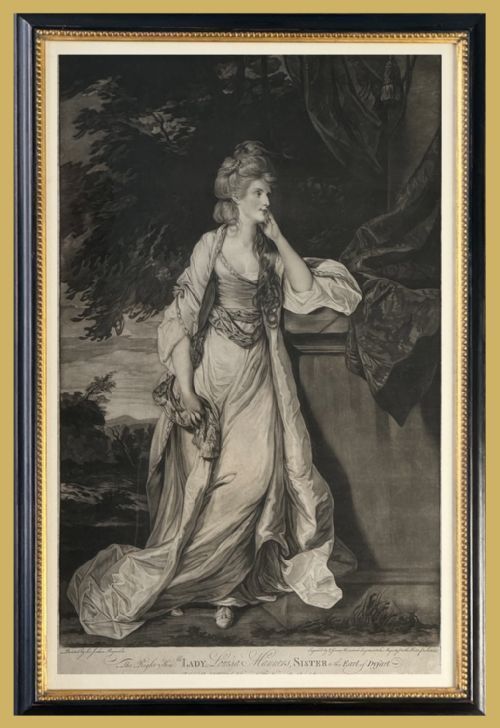
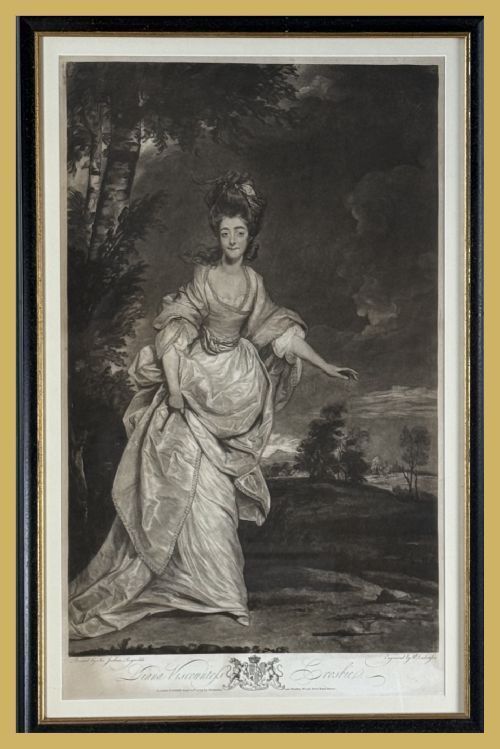
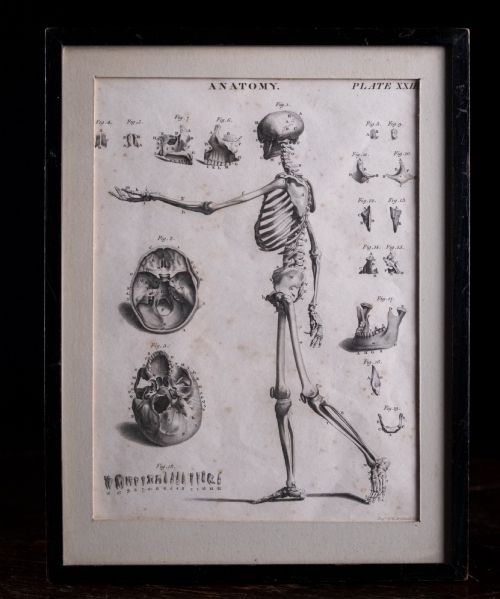
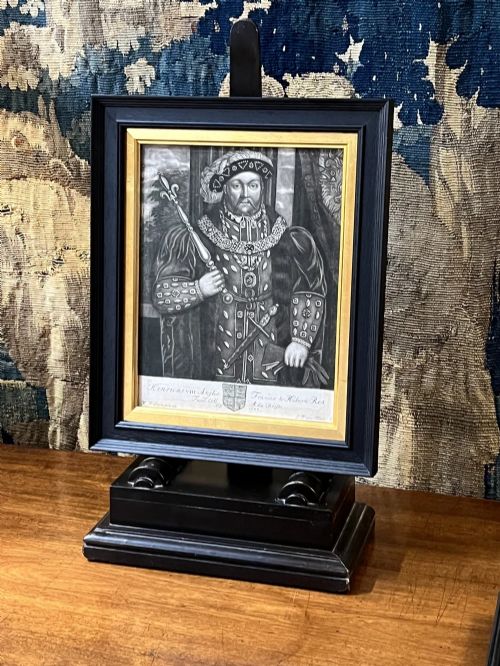
The most common forms on this page include portrait prints after notable painters, topographical views, maps, and anatomical subjects.
These works appear in various formats, from individual sheets in glass and wood frames to sets of prints and cartography.
How they were made
Maker plates were incised directly onto metal sheets using burins or etched with acid, then inked on paper to transfer the design.
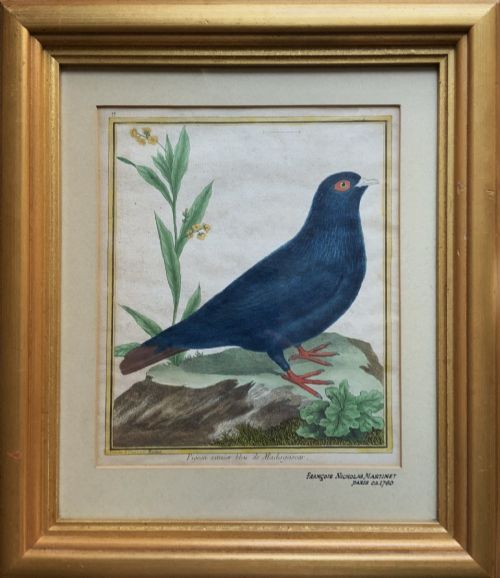
Many plates received later hand colouring in watercolour to enhance specific details such as plumage or landscapes.
Finished prints found their way into period frames constructed from wood and gilt wood, often protected behind glass.
Several prints record birds, pigeons, and cupids alongside statesmen and nobility.
What varies in quality
The clarity of the impression depends heavily on the wear of the metal plate during the printing process.
Original hand colouring demonstrates greater nuance and pigment adherence compared to later additions applied centuries after printing.
John Simon·John Boydell·James Watson·Edward Fisher·Francesco Bartolozzi·John Smith·François-Nicolas Martinet·Valentine Green·James Macardell·Jacobus Houbraken·Étienne Baudet·William Hogarth·Luke Sullivan·Robert Sayer
The 18th Century Copperplate Glossary
- Mezzotint
- A printmaking process where the copper plate is roughened to achieve rich tonal gradations and dark backgrounds.
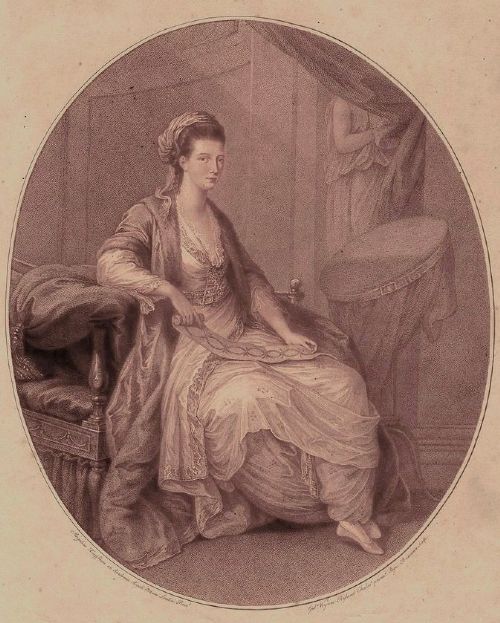
- Stipple engraving
- A technique using dots of varying density to create soft shadows and lifelike skin textures.
- Cartography
- The study and practice of making maps, frequently represented here by engraved regional and global charts.
- Gilt wood
- Wood carved and coated with a thin layer of gold leaf, commonly found on period frames.
18th Century Copperplate: Frequently Asked Questions
What is an 18th century copperplate?
An 18th century copperplate refers to printed works produced from metal plates during the Georgian era. These plates recorded historical portraits, natural history, and maps.
Printers inked the engraved lines on paper to create detailed editions that circulated widely among collectors of the period.
How do I identify a mezzotint?
A mezzotint displays rich, velvety dark areas and smooth tonal transitions rather than stark lines. Printmakers achieved this effect by roughening the metal surface with a rocker.
This technique allowed the creation of striking portraits that closely resembled paintings.
Were all prints originally coloured?
Many copperplate prints left the workshop in monochrome black ink or sepia tones. Others received hand colouring in watercolour at the time of publication or later.
Examining the pigment helps determine if the application dates to the eighteenth century.
How do I care for framed engravings?
Framed paper works require placement away from direct sunlight to prevent fading of the ink and paper. Maintaining stable indoor humidity protects both the antique frame and the print.
Glass fronts protect the delicate surface from dust and accidental contact.