



Neoclassical Figure Engraving
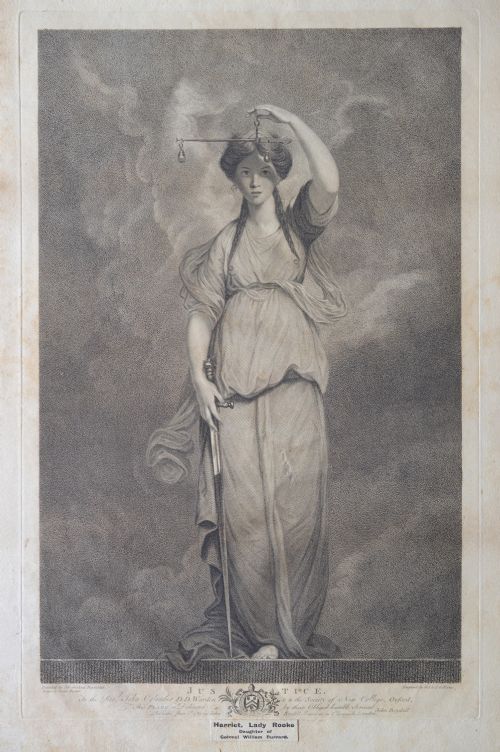
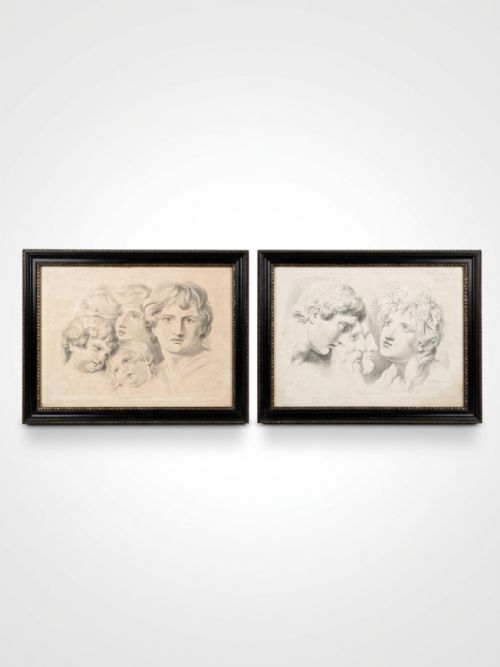
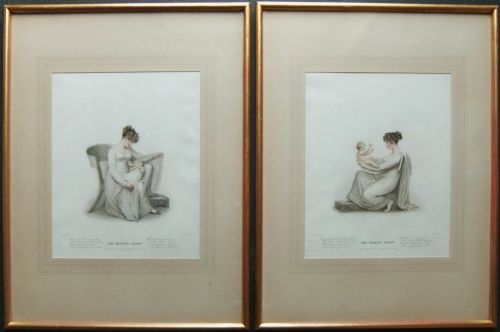
These neoclassical figure engraving examples bring classical mythology and antiquity into domestic spaces through fine paper, ink, and gold leaf.
Neoclassical Figure Engraving
A neoclassical figure engraving is an artwork capturing classical antiquity, mythological scenes, and ancient statues through detailed printed lines on paper. Buyers seeking a neoclassical figure engraving encounter framed prints and works on paper alongside carved intaglio rings and pendants.
The material record spans eighteenth-century sheets and nineteenth-century interpretations, often framed in wood or executed as miniature intaglios in carnelian and gold. These pieces draw directly from archaeological discoveries in Athens, Rome, and Herculaneum.
Most examples originate from the eighteenth and nineteenth centuries, reflecting a sustained European fascination with Homeric epics, Greek gods, and Roman sculpture. Works range from intimate book illustrations to large decorative plates intended for display.
Materials and execution
Printmakers employed fine paper and black or sepia ink to transfer intricate linear compositions onto sheets, capturing the restrained proportions of classical sculpture. Master engravers worked copper plates with sharp burins to achieve precise details of drapery, musculature, and architectural ruins.
Intaglio pieces utilised carnelian stones set in gold or gold leaf, where lapidaries carved figures of Greek deities and allegorical subjects beneath the surface. Framing materials typically combined simple wood mouldings with protective glass to preserve the delicate paper surfaces.
Neoclassical Figure Engraving Retail Price Guide 2026
Typical asking prices for neoclassical figure engraving among the pieces listed under this phrase on Sellingantiques today, from the lower quarter to the upper quarter. They describe what is for sale here now, not the wider market.
Some winged gods recorded by eighteenth-century printmakers served as ancient weather deities before joining mythological collections.
Gradations of quality
Quality rests upon the crispness of the impression and the precision of the engraving lines, where sharper plates yield cleaner definitions of human form and classical drapery. Early strikes directly from the copper plate possess a tonal depth that later or worn impressions lose.
The significance of the subject matter and the reputation of the original artist or engraver elevate certain plates above standard decorative prints. For intaglios and jewellery, the depth and natural warmth of the carnelian stone alongside the weight of the gold setting determine overall merit.
Adam Buck·John Flaxman·Simon François Ravenet·F R Roffe·James Basire·Edward Rooker
The Neoclassical Figure Engraving Glossary
- Engraving
- A printmaking technique where an artist cuts lines directly into a metal plate using a sharp tool called a burin. The resulting grooves hold ink under pressure to transfer the image onto paper.
- Intaglio
- A design carved into the surface of a gemstone, such as carnelian, so that the impression appears in relief when pressed into sealing wax. These were frequently mounted as rings and pendants during the Georgian and Victorian periods.
- Neoclassical
- An artistic style spanning the eighteenth and nineteenth centuries that revived the aesthetic and subjects of classical Greece and Rome. It prioritised balance, clarity, and heroic restraint.
- Fob pendant
- A decorative seal or ornament hung from a pocket watch chain, often set with a carved intaglio stone. They were common accessories in the eighteenth and nineteenth centuries.
- Antiquities of Athens
- A landmark architectural and archaeological publication that inspired many eighteenth-century engravers to record Greek monuments and mythical paintings. Its plates circulated widely among collectors of classical subjects.
Neoclassical Figure Engraving: Frequently Asked Questions
What is a neoclassical figure engraving?
A neoclassical figure engraving is a printed artwork on paper depicting subjects from Greek and Roman mythology, ancient statuary, or archaeological discoveries. These works reflect the European appetite for classical antiquity during the eighteenth and nineteenth centuries.
They appear as single sheets, book illustrations, or paired decorative prints, frequently framed in wood with glass protection.
How were intaglios used?
Intaglios carved with classical figures functioned primarily as personal seals for signing correspondence and documents with hot wax. Carved into stones like carnelian, they were mounted into gold rings or fob pendants to be worn as daily accessories.
Their imagery of gods, heroes, and allegorical figures signalled the wearer's classical education and refined taste.
How do I date an engraving?
Dating relies on the paper quality, printing techniques, and stylistic markers associated with specific periods like the Georgian or Victorian eras. Typography on the margins, publisher details, and watermarks in the paper stock provide additional chronological clues.
Compositions linked to archaeological excavations often bear publication dates matching contemporary digs in Athens or Herculaneum.
How do I care for works on paper?
Works on paper require protection from direct sunlight and high humidity to prevent fading of the ink and yellowing of the sheet. Keeping them behind UV-filtering glass within stable indoor environments preserves the paper fibres.
Avoid hanging prints in damp areas or near heat sources that might warp the wood frames and damage the underlying paper.