


Paper Art Print
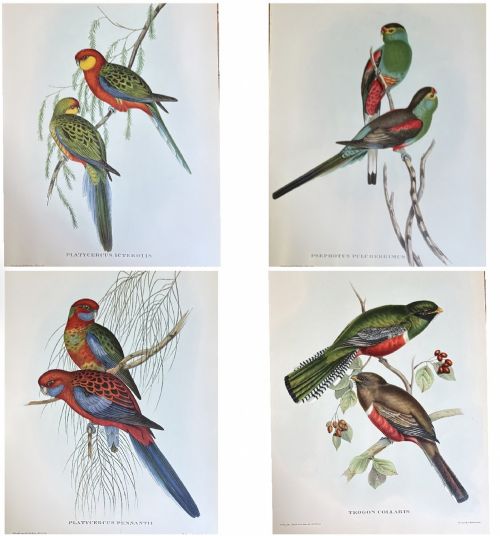
When seeking a paper art print, a buyer finds engraved portraits, botanical studies and lithographic posters spanning centuries of graphic work.
Paper Art Print
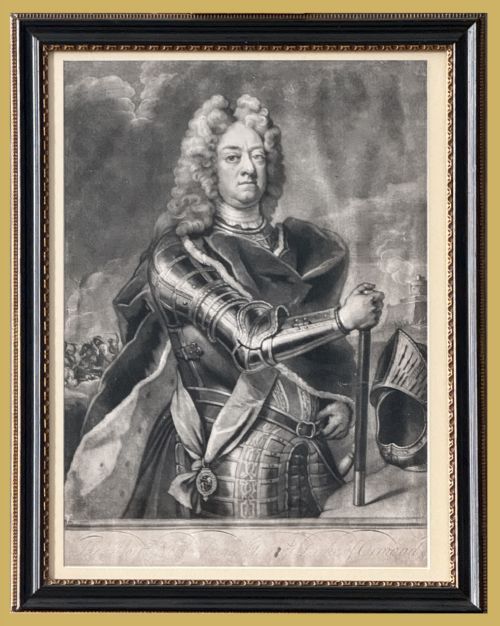
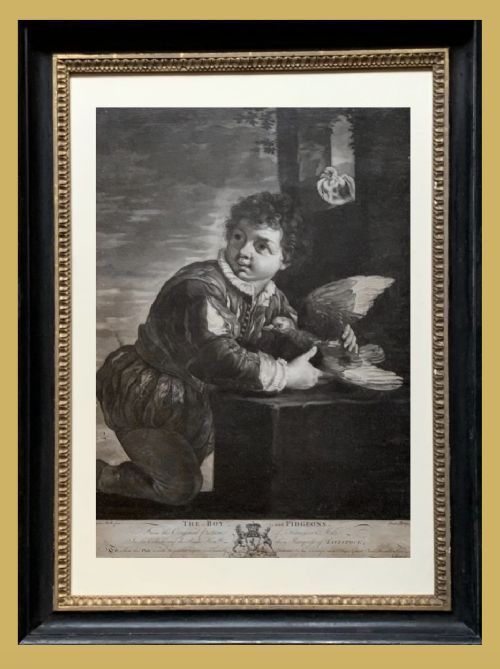
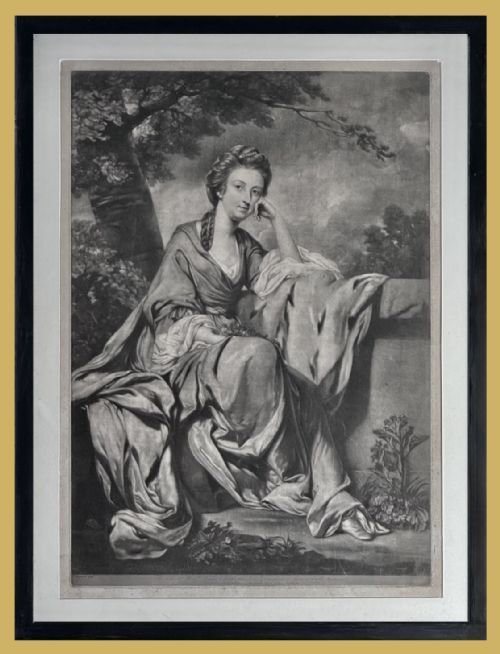
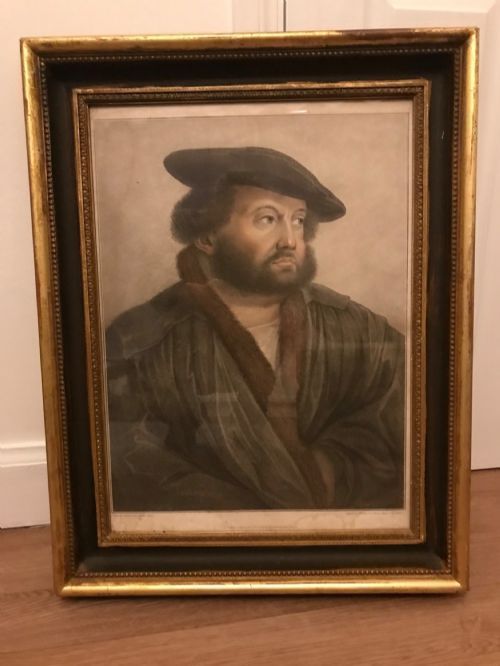
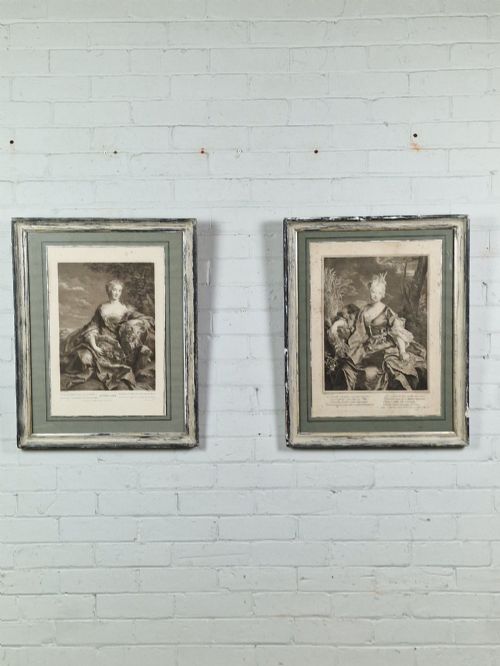
A paper art print encompasses a wide variety of works on paper, ranging from seventeenth-century mezzotint portraits to twentieth-century lithographic posters. Buyers exploring this category frequently encounter framed engravings, botanical prints, and original etchings produced across the Georgian, Victorian, and Edwardian eras.
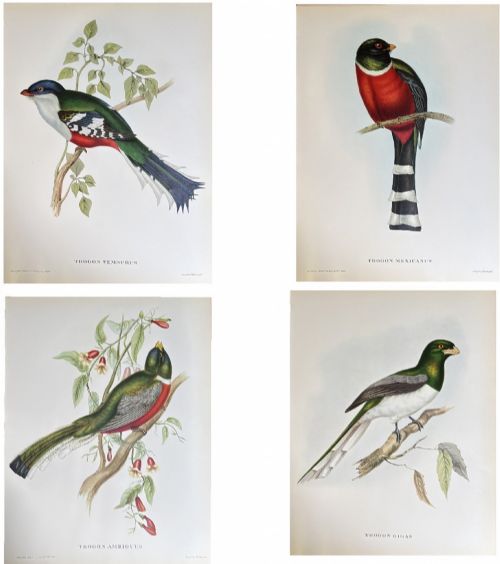
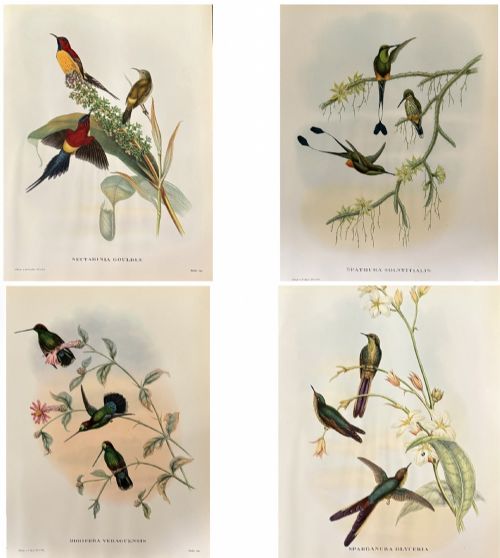
The selections available on this page reflect diverse publishing traditions, including large bird series, anatomical plates, and theatrical advertisements. These works bridge fine art and functional ephemera, utilising media such as watercolour, ink, and pastel alongside printed impressions.
How They Were Made
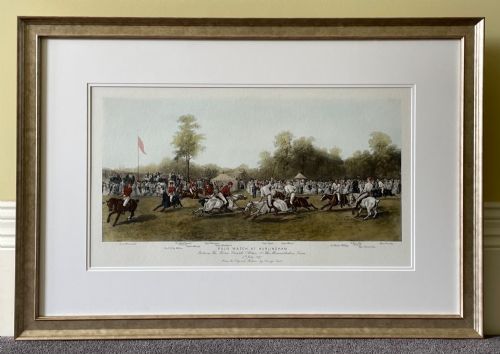
Makers utilised traditional printing techniques such as copperplate engraving, mezzotint, and lithography, pressing inked designs onto heavy rag paper. Many sheets incorporate hand-applied watercolour or gouache to enhance the monochrome printed lines.
Framing often involves period timber mouldings such as oak or giltwood, protecting the fragile paper underneath glass. Gold leaf accents occasionally highlight the inner liners of frames or the embossed details of the prints themselves.
Styles represented across the inventory include Baroque, Neoclassical, Art Deco, Orientalism, and Georgian portraiture traditions.
What Varies in Quality
The standard of a paper art print depends on the clarity of the impression and the skill of the original engraver or lithographer. Early pulls from a copper plate exhibit crisp, deep lines, whereas later impressions lose definition as the plate wears down.
Condition plays a primary role in valuation, particularly the preservation of the paper sheet against foxing, fading, and acid burns from old mounts. Margins remaining intact around the printed image indicate superior preservation.
John Simon·Michael Dahl·Kurt Lorein Victor Peiser·John Boydell·Pier Francesco Mola·Edward Fisher·Sir Joshua Reynolds·Francesco Bartolozzi·John Smith·G Kneller·J Sommer·Thomas Murray·James Watson·Sir William Nicholson·Katsukawa Shunshō·Joseph Sympson·Sir Peter Lely·W Dickinson·Elisabeth Sonrel·Andrew Bell·Marcellin Auzolle·James McArdell·Jeremiah Meyer·Thomas Watson·Francis Bacon
The Paper Art Print Glossary
- Mezzotint
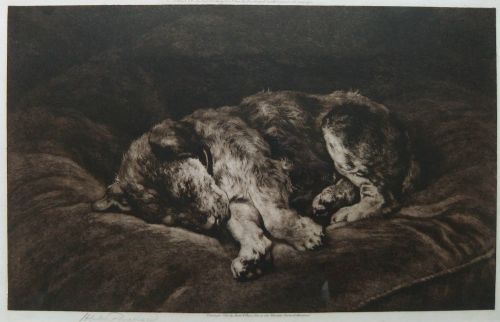
- A printmaking process where the copper plate is roughened uniformly to produce rich dark tones and subtle gradations of light. This technique was widely employed in the eighteenth century for portraiture after famous oil paintings.
- Lithography
- A planographic printing method based on the mutual repulsion of oil and water, enabling artists to draw directly onto a limestone slab. It became the dominant medium for nineteenth-century posters and colour plates.
- Etching
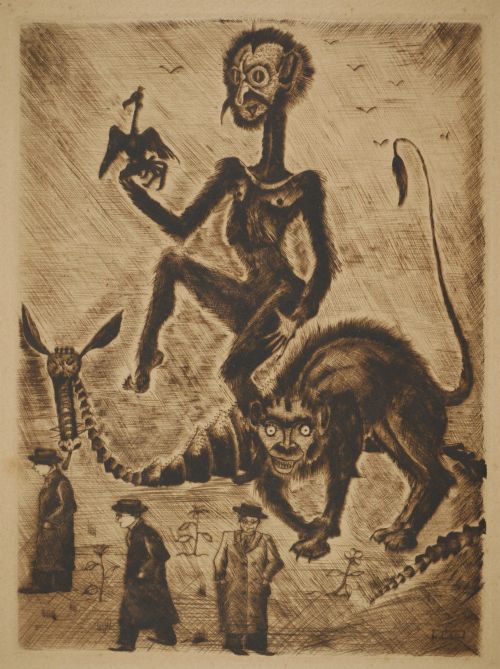
- A technique where lines are bitten into a metal plate with acid before ink is applied and transferred to paper. Masters like Rembrandt utilised this method to achieve painterly freedom of line.
- Foxing
- Brown or yellowish spots caused by chemical reactions in the paper over time, often accelerated by damp storage conditions. Collectors assess how significantly these spots impinge upon the image area.
- Plate mark
- The indentation left in the paper by the edge of the metal printing plate under high pressure during the press run. Its presence confirms the use of traditional intaglio printing methods.
Paper Art Print: Frequently Asked Questions
How should I frame an antique print?
Antique prints require professional framing using acid-free mountboard and conservation-grade backing to prevent chemical degradation of the paper fibres.
Glazing with UV-filtering glass protects the fugitive inks and watercolours from fading under ambient light exposure.
What is the difference between an engraving and a lithograph?
An engraving is created by cutting lines into a metal plate with a sharp tool, resulting in a crisp, indented impression on the paper.
A lithograph is drawn onto a flat stone surface with greasy media, producing smoother tonal transitions without a distinct plate mark.
How do I identify a restrike from an original print?
Original prints show the wear patterns, plate degradation, and paper characteristics appropriate to their stated historical period.
Restrikes are later impressions pulled from historic plates, often revealing shallower lines and modern paper stock lacking age patina.
Can I display paper art in direct sunlight?
Direct sunlight causes rapid fading in both printing inks and the paper support, permanently lowering the visual quality of the work.
Displaying pieces away from windows and utilising specialised conservation glass preserves the pigments for future decades.