


18th Century Ceramic Pot
When you search for an 18th century ceramic pot, you encounter vessels created for tea, pharmacy, and display from European and Asian kilns.

18th Century Ceramic Pot
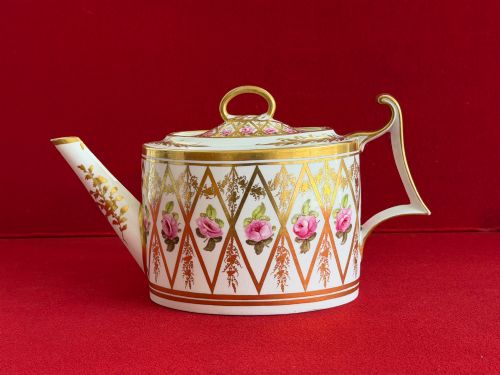
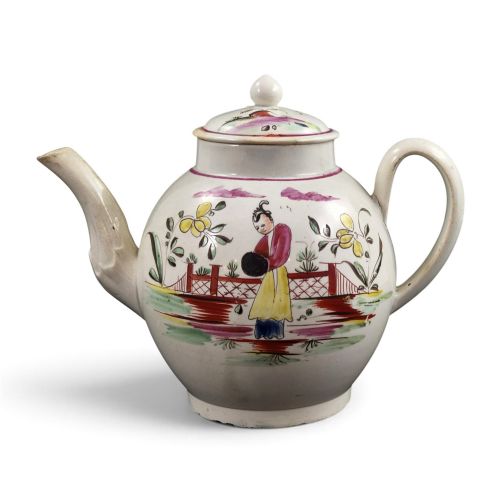
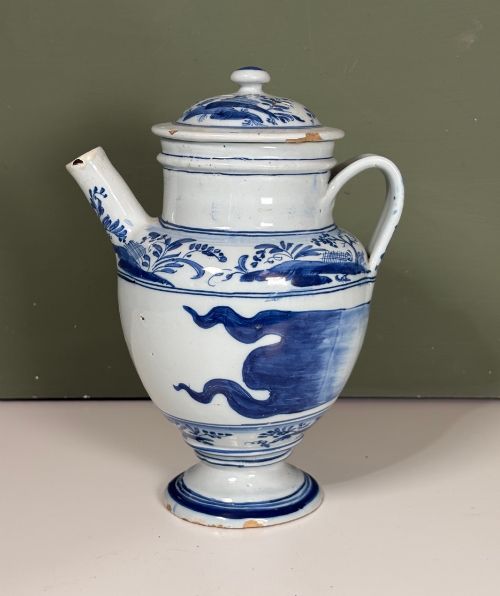
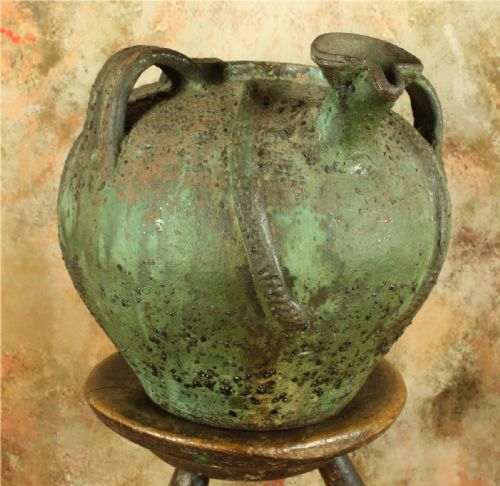
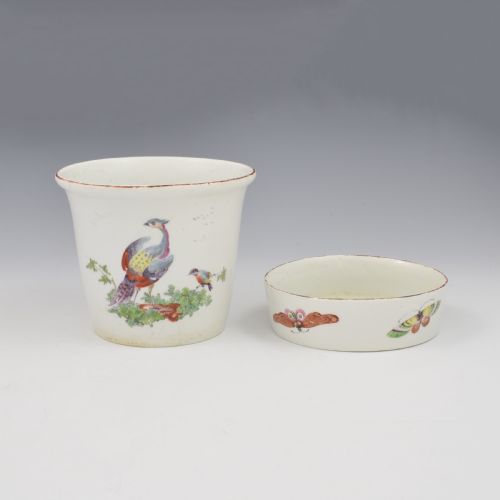
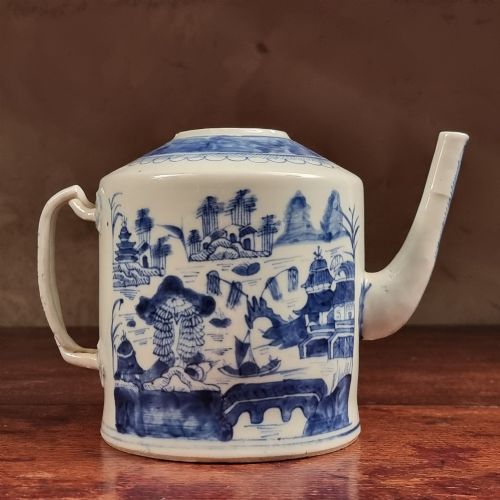
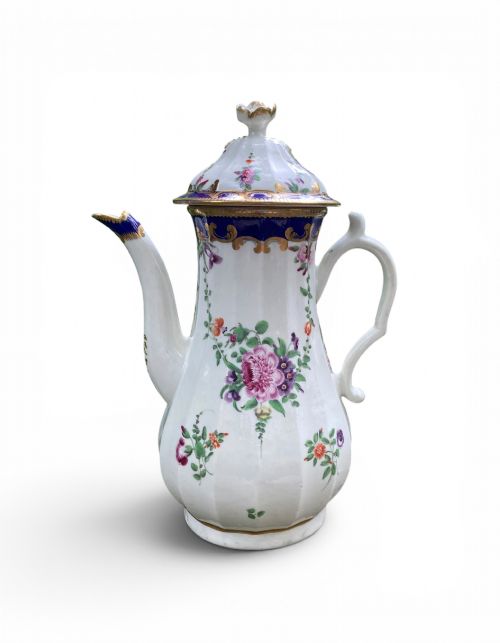
An 18th century ceramic pot encompasses diverse functional and decorative vessels produced across European and Asian workshops during the Georgian era and surrounding decades. You will frequently find tea wares such as teapots and coffee pots alongside apothecary jars, drug jars, and larger garden planters.
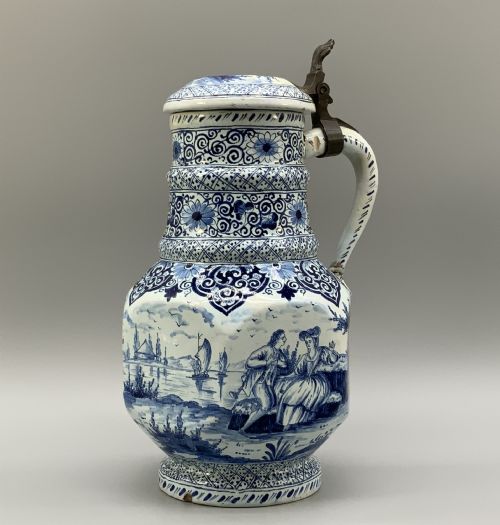
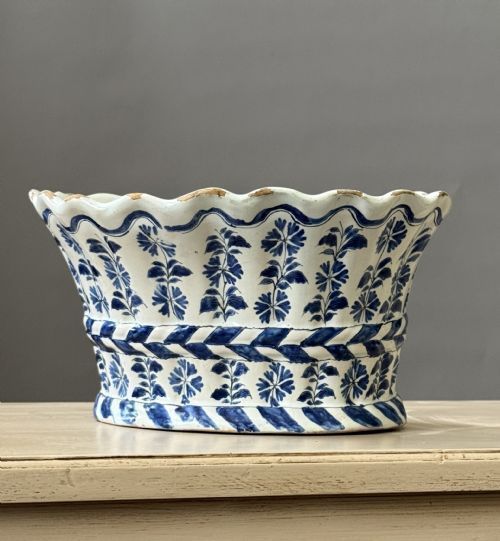
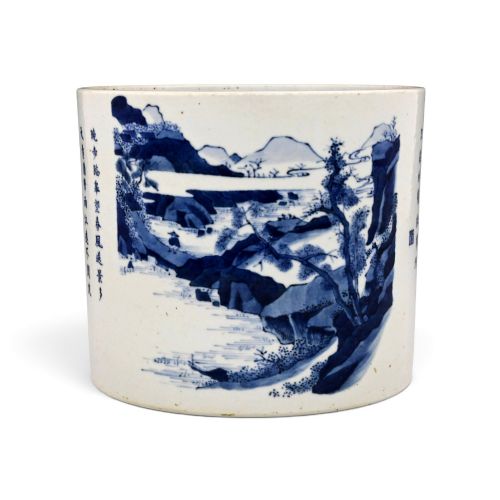
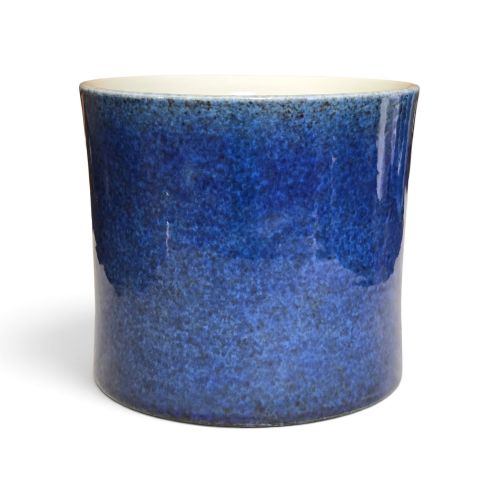
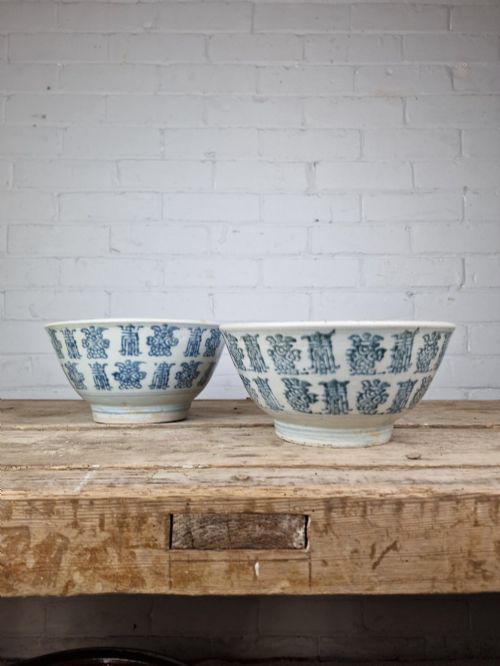
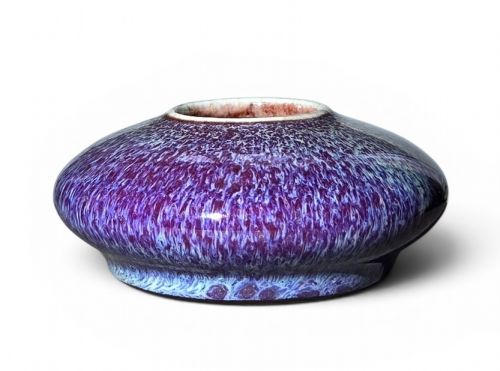
The selection ranges from English porcelain and creamware to Dutch and Italian tin-glazed earthenware, known variously as delft or majolica. Asian exports, including Chinese porcelain brush pots and Japanese Arita Imari planters, appear alongside European faience forms like bough pots and orange pots.
How they were made
Potters shaped these vessels using earthenware, stoneware, or porcelain bodies, often finished with tin glazes, lead glazes, or blue and white underglaze painting. European workshops utilised tin-glazed earthenware to imitate prized Asian imports, applying opaque white grounds before hand-painting botanical, figural, or heraldic motifs in cobalt blue and polychrome pigments.
Porcelain production involved high-firing kaolin and petuntse mixtures in kilns, yielding dense, vitrified bodies capable of holding intricate moulded details and delicate gold leaf accents. Artisans shaped pieces on the potter's wheel or in moulds, adding hand-formed spouts, handles, and pierced covers for specific domestic and medicinal tasks.
An 18th century apothecary jar labeled with cardiac medicine reminds us that historical heart treatments involved ceramic storage.
What varies in quality
Quality reveals itself in the crispness of the moulding, the precision of the hand-painted brushwork, and the stability of the glaze during firing. Superior pieces display confident, fluid lines on painted decoration and well-proportioned forms without warping or excessive kiln distortion.
The refinement of the ceramic body distinguishes standard domestic items from imperial or factory-marked presentation pieces. Purity of the glaze, depth of cobalt blues, and the survival of original lids and stands further elevate the standing of individual examples.
Derby Porcelain·Worcester Porcelain·Richard Ginori·Enoch Wood and Sons·KPM
The 18th Century Ceramic Pot Glossary
- Albarello
- A cylindrical earthenware jar used by pharmacies to store dry drugs, herbs, and ointments. These vessels typically feature an incurved waist for easy gripping.
- Delftware
- Tin-glazed earthenware produced in the Netherlands and England during the seventeenth and eighteenth centuries. It imitates Chinese blue and white porcelain.
- Bough pot
- A decorative container designed to hold flowering branches or floral arrangements for interior decoration. They often include perforated lids to keep stems upright.
- Faience
- European tin-glazed earthenware, particularly that originating from France, Italy, and other continental centres. The white opaque glaze provides a smooth ground for painted decoration.
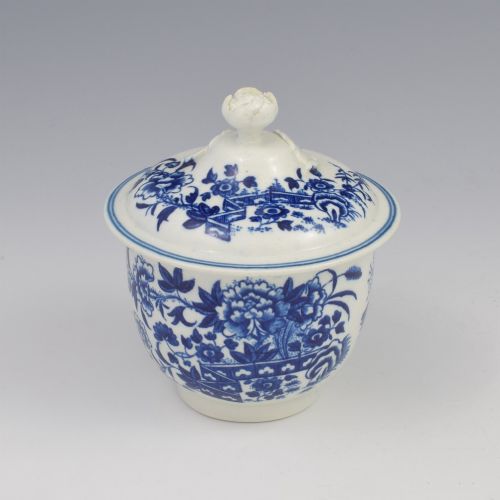
- Sucrier
- A small covered sugar bowl made to accompany tea service sets. These vessels mirror the decorative patterns of contemporaneous teapots and coffee pots.
18th Century Ceramic Pot: Frequently Asked Questions
What is an 18th century ceramic pot?
These items are domestic and apothecary vessels made from clay or porcelain during the 1700s. They include functional kitchen and tea wares alongside storage jars and decorative planters.
Craftsmen across Europe and Asia shaped them for daily use in households, pharmacies, and scholarly spaces. Surviving examples demonstrate the diverse ceramic technologies of the period.
How were apothecary jars used?
Apothecary and drug jars held medicinal herbs, syrups, and dry preparations in pharmacies and dispensaries. Their labeled surfaces kept ingredients organised for practicing apothecaries.
Many featured painted cartouches and Latin abbreviations to identify specific medical compounds. Lids sealed the contents against moisture and degradation.
How do I care for antique pottery?
Keep these fragile vessels away from direct sunlight and areas subject to rapid temperature fluctuations. Dust them gently with a soft, dry cloth without applying harsh cleaning agents.
Avoid using them for holding wet arrangements unless they possess a fully intact, waterproof glaze. Handle unglazed or repaired areas with particular care.