




Dutch Delftware Pot
Dutch delftware pot brings hand-formed earthenware and tin glaze into daily life, offering collectors tangible fragments of eighteenth-century European heritage.

Dutch Delftware Pot
A dutch delftware pot comprises utilitarian vessels and decorative containers originating from eighteenth-century workshops across the Netherlands. Buyers search for these forms to acquire authentic ceramic pieces that embody classic Dutch baroque styles.
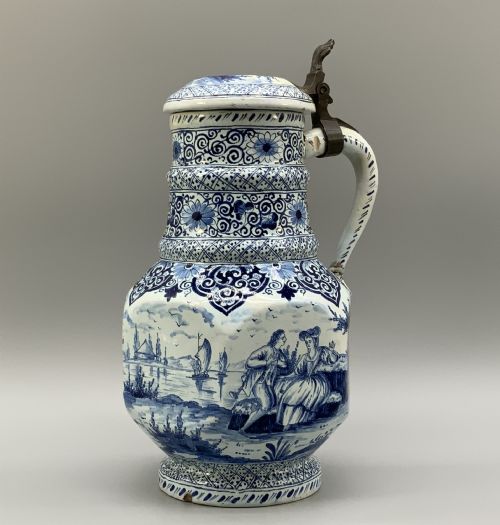
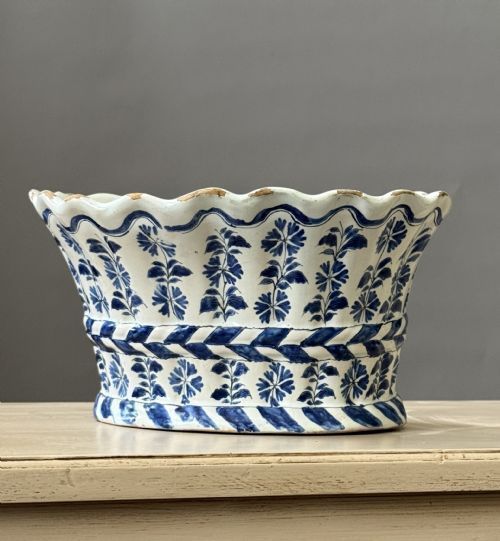
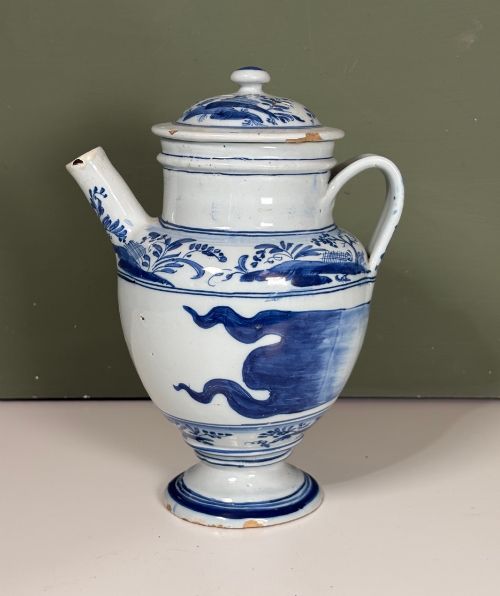
The selection ranges from apothecary jars and bough pots to coffee pots, tobacco jars, and garden urns. Among these, eighteenth-century plates, chargers, and lidded jugs appear most frequently across current and archived listings.
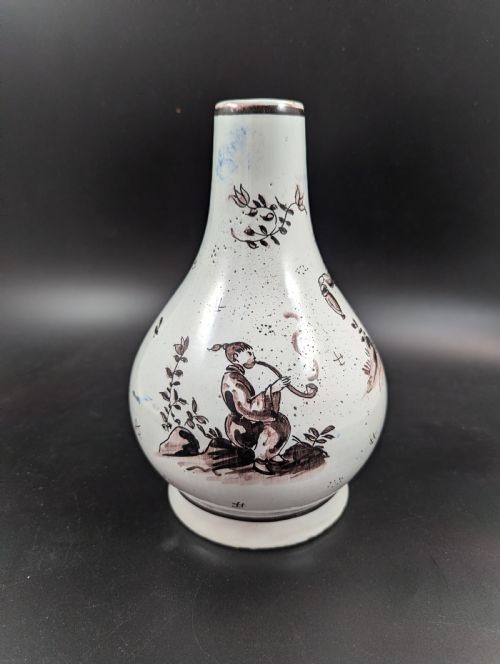
Makers fashioned these objects primarily from earthenware coated in a bright tin glaze. Pigments including cobalt blue and manganese decorate the surfaces with traditional motifs.

How they were made
Potters shaped earthen clay by hand before applying an opaque tin glaze to create a smooth white canvas. Artisans then painted directly onto this absorbent surface using cobalt pigment and polychrome colours.
Firing in kilns fused the metallic oxides into the glaze, producing glossy finishes characteristic of eighteenth-century European ceramics. Metal components such as pewter and brass were occasionally added as lids or mounts to complete the functional jugs and pitchers.
Apothecary jars once held mysterious dried roots and powders dispensed by eighteenth-century pharmacists.
What varies in quality
Quality rests upon the crispness of the hand-painted decoration and the fluidity of the cobalt or polychrome brushwork. Superior examples display balanced composition and rich, stable glaze surfaces without excessive pooling.
The refinement of the earthenware body and the survival of original fitted metal elements like pewter lids elevate specific pieces above standard domestic wares.
The Dutch Delftware Pot Glossary
- Tin Glaze
- An opaque white glaze made by adding tin oxide to lead glaze. This mixture provides the traditional pale background characteristic of delftware.
- Cobalt Pigment
- A metallic colourant used under the glaze to produce deep blue tones. It remains stable under high kiln temperatures.
- Bough Pot
- A specialised vessel designed to hold cut branches or flowers. These decorative containers often feature multiple spouts or openings across the top.
- Polychrome
- Decoration utilising multiple colours rather than a single hue. Eighteenth-century examples frequently combine greens, yellows, and reds alongside blue.
- Apothecary Jar
- A cylindrical container used in pharmacies to store medicinal herbs and dry compounds. These pieces often bear Latin inscriptions across the front.
Dutch Delftware Pot: Frequently Asked Questions
What is a dutch delftware pot?
A dutch delftware pot is a tin-glazed earthenware vessel made in the Netherlands during the eighteenth century. These objects served various domestic and medical functions.
Potters created functional and decorative items ranging from coffee pots and tobacco jars to large garden urns and apothecary storage containers.
How were these pots used historically?
Historically, these vessels held dry goods, medicines, beverages, or decorative floral arrangements in European homes and shops. Lidded jugs and posset pots accommodated daily consumption of drinks.
Larger urns and bough pots enhanced interior spaces and gardens, while apothecary jars stored dry ingredients for medicinal use.
What materials make up these ceramics?
The primary materials are earthen clay and an opaque tin glaze that gives the pieces their characteristic white surface. Artisans painted designs using cobalt and other mineral pigments.
Pewter and brass mounts appear on specific lidded jugs and pitchers to provide durable functional hardware.
How do I distinguish blue and white from polychrome?
Blue and white pieces rely solely on cobalt pigment applied to the white tin glaze, creating a striking two-tone appearance. This style reflects traditional porcelain influences.
Polychrome pieces incorporate several additional pigment colours, producing multi-hued floral or figurative scenes across the glazed earthenware body.
Where were these pots manufactured?
These ceramics originated in workshops across the Netherlands during the eighteenth century. Regional potteries developed distinct local styles within the broader Dutch delftware tradition.
Masters and apprentices produced both utilitarian kitchenware and ornamental display pieces for domestic and export markets.