


Antique Dutch Ceramic Jug
These antique dutch ceramic jug examples bring centuries of earthenware tradition to your table, offering tactile historical character.

Antique Dutch Ceramic Jug
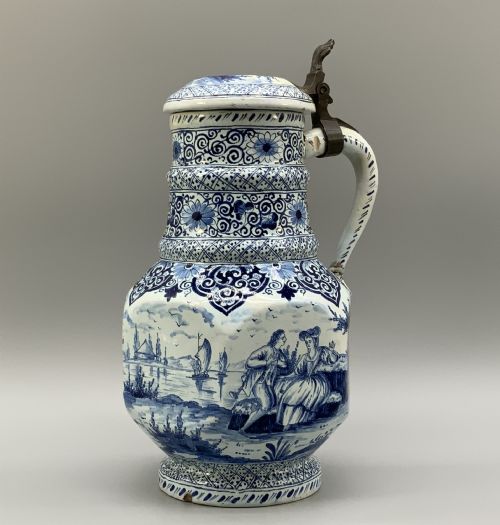
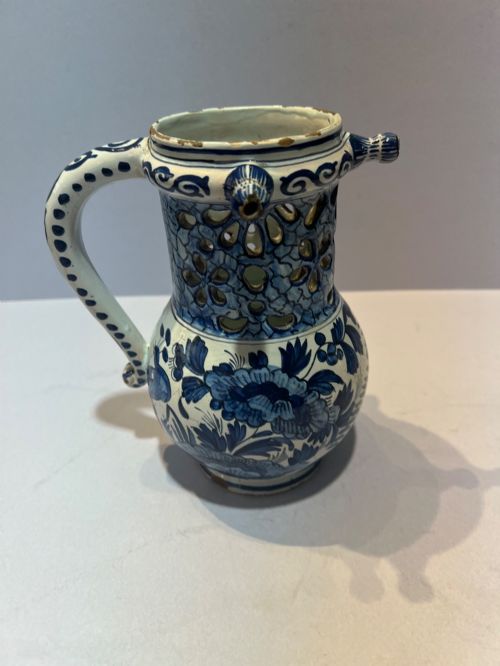
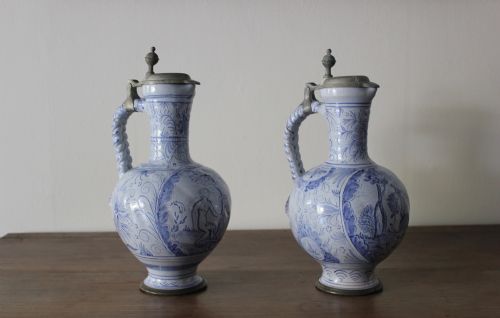
When you search for an antique dutch ceramic jug, you encounter vessels shaped from earthenware, tin-glazed earthenware, and slipware across the seventeenth, eighteenth, and nineteenth centuries. The forms range from everyday pitchers and ewers to decorative jugs, puzzle jugs, and figural Toby jugs.
You are most likely to meet eighteenth-century blue and white pottery pieces alongside slipware from the seventeenth century and polychrome faience examples. These objects bridge functional kitchen use and decorative display, recording changing tastes from Chinoiserie motifs to Dutch folk art.

How They Were Made
Potters shaped these bodies from local earthenware and ceramic clays, applying tin glaze to create a smooth white ground suitable for painting in blue, manganese, and polychrome pigments. Alternatively, slipware pieces utilised liquid clay slip to draw linear patterns across contrasting bodies before firing.
Many finer tin-glazed examples incorporated hinged pewter lids, metal mounts, or applied handles that required specialised smithing alongside the ceramic production. Firing took place in traditional kilns, occasionally utilising lead glazes to seal surfaces on utilitarian kitchen wares.
Listings span seventeenth-century slipware to nineteenth-century Toby jugs, demonstrating how tin-glazed earthenware evolved over three centuries.
What Varies in Quality
Quality rests in the crispness of the hand-painted brushwork, particularly where Chinoiserie scenes or floral decoration define the tin-glazed surface. Finer pieces display confident, detailed pigment application and well-balanced forms, while simpler folk art variants show heavier, more rustic execution.
The survival of original pewter lids and uncompromised glazes separates superior examples from those with extensive restoration or glaze flaking. The presence of marked factories or attribution to specific makers elevates the historical interest of an individual piece.
Pieter Verburg
The Antique Dutch Ceramic Jug Glossary
- Tin Glaze
- An opaque white glaze containing tin oxide applied to earthenware bodies, providing a canvas for painted decoration. This technique is central to traditional Delftware production.
- Slipware
- Pottery decorated with a thin mixture of clay and water applied to a coarser clay body before firing. It frequently creates distinctive yellow and brown linear patterns on seventeenth-century vessels.
- Faience
- European tin-glazed earthenware, often associated with fine painted wares produced in imitation of imported porcelain. These pieces appear frequently in eighteenth-century Dutch collections.
- Toby Jug
- A pottery jug modelled as a full-length or seated figure, usually a robust character holding a mug or jug. Examples from the nineteenth century adopt this distinct figural format.
- Puzzle Jug
- A vessel featuring a pierced neck and multiple spouts designed to frustrate the drinker unless liquid is consumed through a specific hidden channel. They demonstrate playful ceramic ingenuity from the eighteenth century.
Antique Dutch Ceramic Jug: Frequently Asked Questions
Were these jugs used for daily drinking?
Many early slipware and earthenware pieces served practical roles for pouring beer, water, or milk at the table. Others functioned as coffee pots or decorative vessels rather than everyday tableware.
Specialised forms like puzzle jugs were clearly intended for tavern amusement. Figural Toby jugs occupied a domestic display space alongside their utility.
How can I tell seventeenth-century pieces apart?
Seventeenth-century examples often feature heavier slipware construction or early tin-glazed Chinoiserie designs with distinct pigment depths. The clay bodies tend to feel denser and more utilitarian compared to later refinements.
Compare the glaze pooling and base characteristics against documented period pieces. The palette during this earlier era frequently relied on deep cobalt blues.
What is a pseudo mark on pottery?
Potters sometimes painted pseudo marks on tin-glazed earthenware to imitate the successful signatures of famous workshops. These marks resemble authentic factory ciphers but indicate regional emulation rather than official origin.
Recognising these painted symbols helps date pieces accurately within the nineteenth-century revival periods. They reflect the high desirability of earlier Dutch styles.