


18th Century Ceramic Pitcher
An 18th century ceramic pitcher offers tactile history through slip-glazed earthenware and delicate porcelain, holding daily utility and display presence.

18th Century Ceramic Pitcher
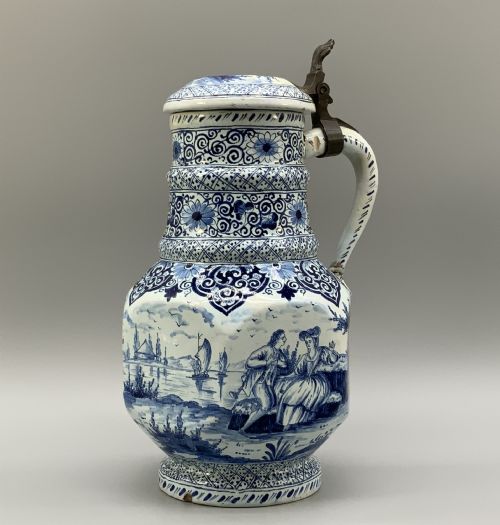
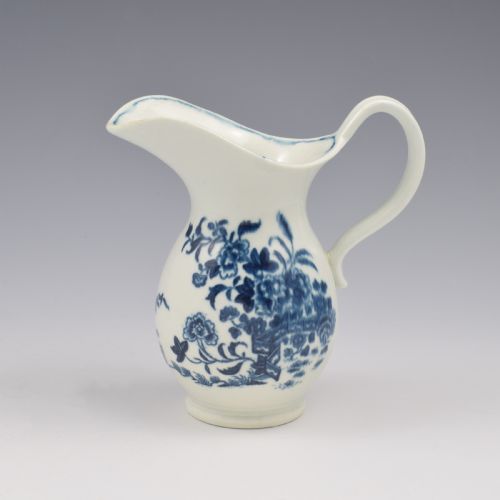
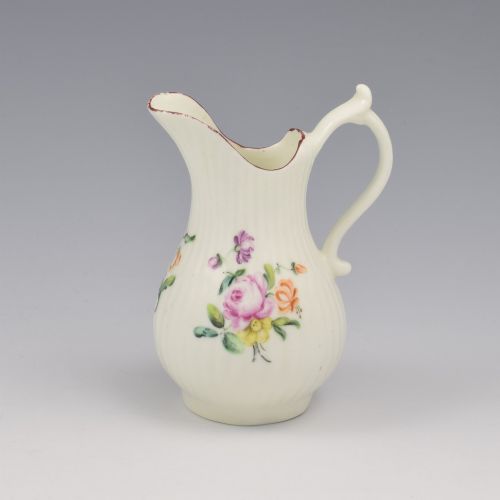
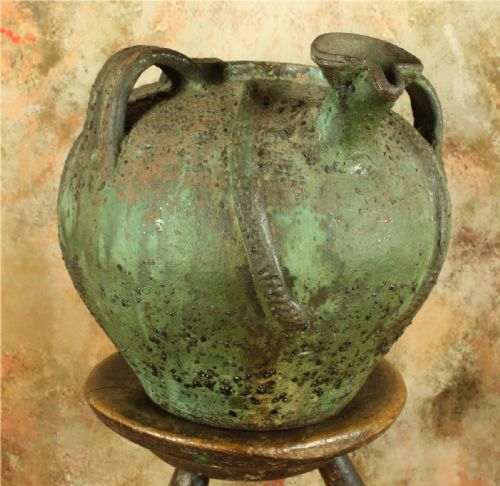
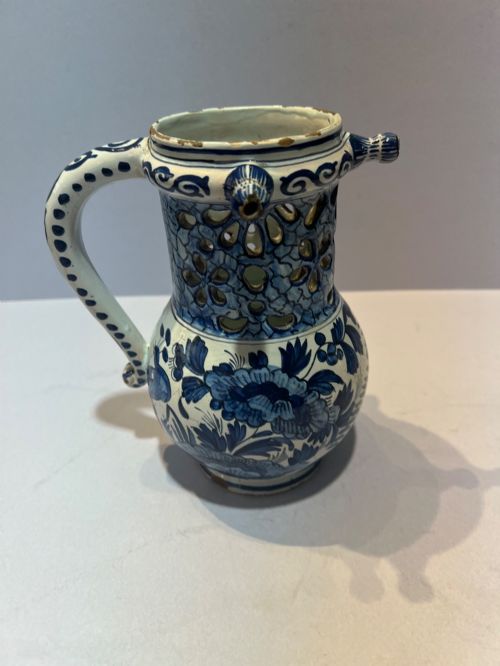
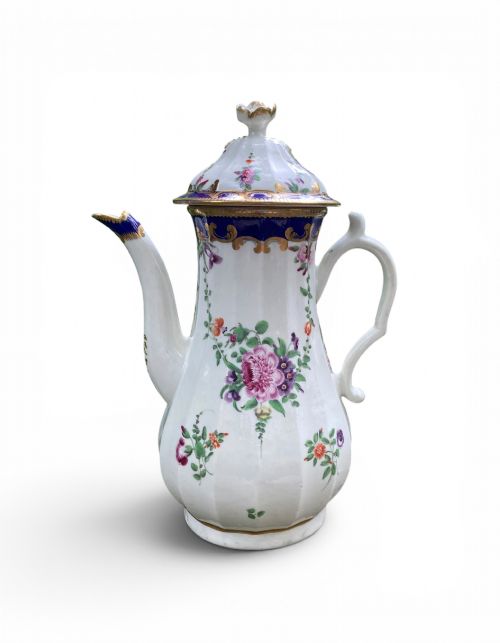
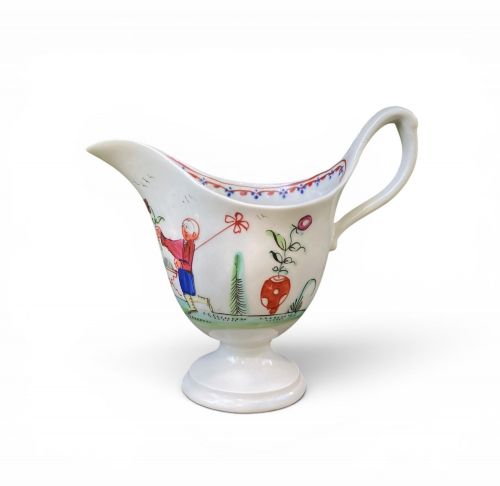
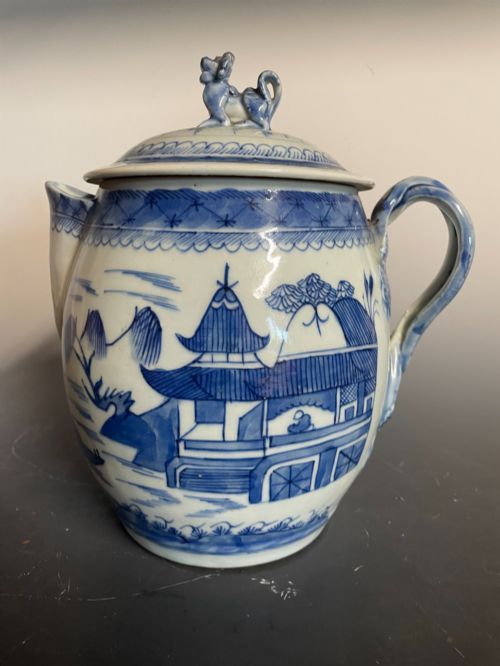
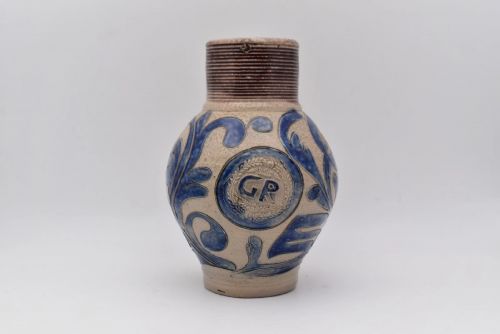
An 18th century ceramic pitcher encompasses utilitarian earthenware vessels and refined porcelain cream jugs originating across English, continental European and Asian kilns. Buyers encounter forms ranging from heavy salt-glazed German flagons and Dutch delftware jugs to delicate Worcester and Derby porcelain milk ewers.
The selection reflects both everyday domestic use and affluent dining traditions of the Georgian era. Regional varieties display distinct regional traits, such as tin-glazed earthenware painted in blue and white or rich polychrome palettes.
Makers utilised diverse techniques including hand-thrown bodies, moulded cabbage leaf patterns, and fitted pewter lids. Surviving examples demonstrate the evolution of table service vessels across multiple decades.
Materials and Craftsmanship
Potters shaped these vessels using local clays, soft-paste porcelain, and hard-paste porcelain bodies, frequently finishing them with tin glazes or salt glazes. Tin-glazed earthenware provided a smooth white ground suitable for hand-painted cobalt blue or manganese pigments.
Stoneware pieces gained durability through salt-glazing methods, where salt thrown into the kiln during firing reacted with silica to form an orange-peel texture. Porcelain pieces required precise high-temperature firing, often decorated with enamels and gilding after an initial glaze firing.
Recorded forms include puzzle jugs, oil pots, apothecary wet drug jars, and mask-spouted ewers alongside standard cream jugs.
Assessing Quality and Execution
Quality rests in the crispness of moulded details and the skill of hand-painted brushwork. Superior porcelain and earthenware show refined potting with thin walls, balanced handles, and well-proportioned spouts rather than heavy, distorted forms.
The stability of the glaze and the vibrancy of underglaze or overglaze pigments distinguish master potteries from provincial outputs. Original components, such as pewter lids on delft jugs, elevate the integrity of a surviving piece.
Pieter Verburg·John Rose Coalport·New Hall·Leeds Pottery
The 18th Century Ceramic Pitcher Glossary
- Delftware
- Tin-glazed earthenware produced in the Netherlands and England, characterised by an opaque white surface painted in blue or polychrome. It draws inspiration from imported Chinese porcelain.
- Salt Glaze
- A vitreous coating formed on stoneware by throwing common salt into the hot kiln, creating a pitted texture resembling orange peel. This method protected the porous clay body beneath.
- Creamware
- A refined fine earthenware developed in England during the mid-18th century, known for its warm cream-coloured lead glaze. Leeds pottery notably perfected this lightweight body.
- Slipware
- Pottery decorated with liquid clay slip applied before firing, creating contrasting surface patterns. It represents an older, rustic tradition continuing into the 18th century.
- Paste
- The ceramic body composition used in porcelain manufacture, categorized primarily into soft-paste and hard-paste. Soft-paste incorporates glass frit and white clay, fusing at lower temperatures.
18th Century Ceramic Pitcher: Frequently Asked Questions
How do I clean an antique ceramic pitcher safely?
Wash fragile porcelain and earthenware gently by hand using lukewarm water and mild soap. Avoid soaking pieces with repaired sections or exposed porous clay bodies.
Dry them immediately with a soft cloth to protect vulnerable glazes and historic surfaces from moisture damage.
Can I use these pitchers for serving liquids today?
Most 18th-century ceramics feature delicate historic glazes and structural vulnerabilities developed over centuries. Daily functional use risks thermal shock or chemical leaching from early lead-based glazes.
Display these vessels as decorative objects to preserve their integrity and surface decoration for the future.
What is the difference between porcelain and earthenware?
Porcelain uses refined ingredients fired at high temperatures to produce a vitreous, non-porous, and sometimes translucent body. Earthenware employs common clay fired at lower temperatures, resulting in a porous structure requiring a protective glaze.
Porcelain cream jugs generally indicate refined dining settings, while slipware or delft pitchers served broader household functions.
How do I date an 18th century ceramic pitcher?
Examine the base, handle attachment, glaze characteristics, and decorative style for period indicators. Porcelain bodies and painted motifs often align with known factory production periods like the Dr Wall Worcester era.
Compare the potting technique and form with documented regional examples to narrow down the decade of manufacture.