









18th Century Balustroid Stemware
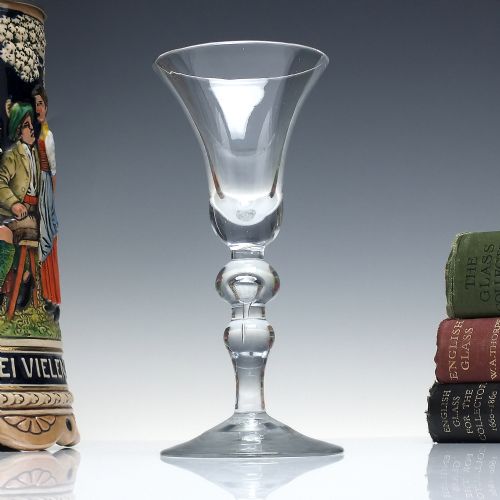
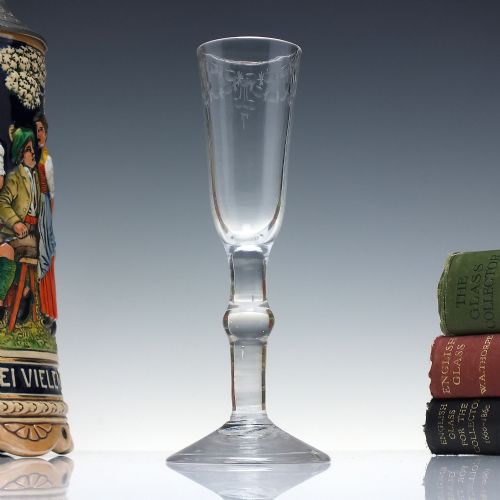
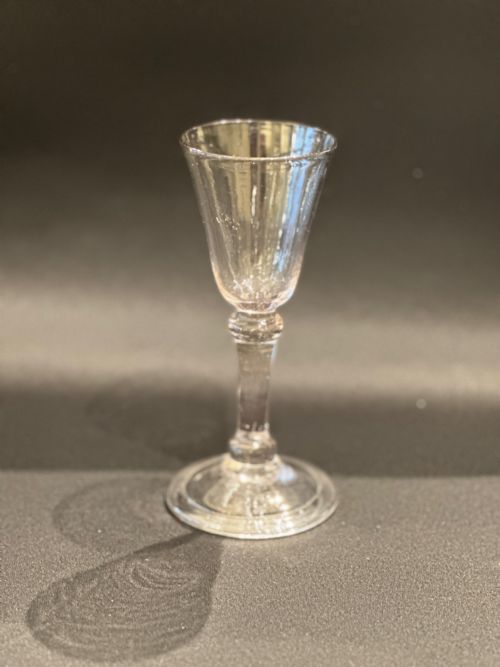
These 18th century balustroid stemware pieces are Georgian drinking glasses defined by their sturdy, drawn stems, prized for their weight and tactile presence.
18th Century Balustroid Stemware
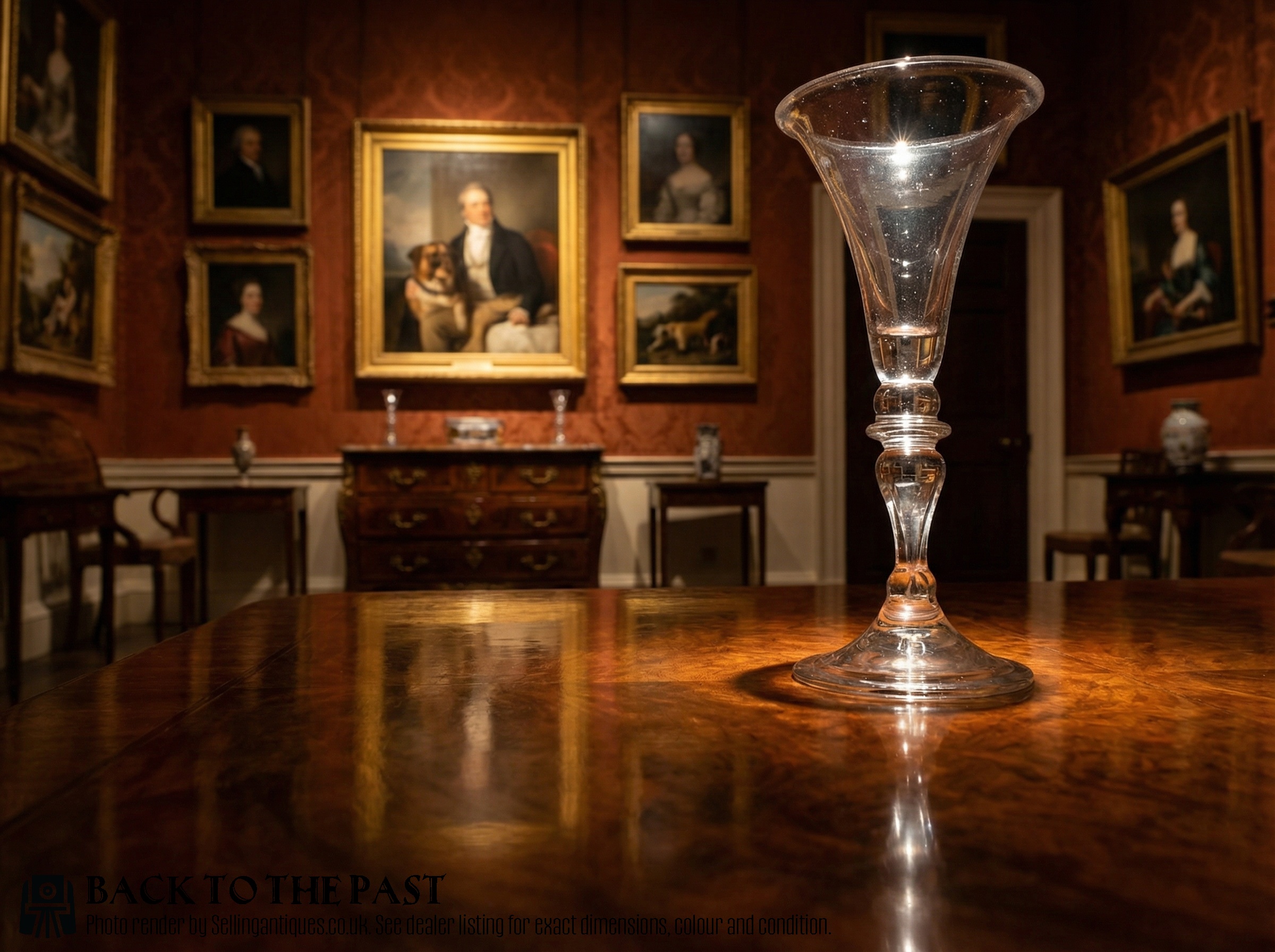
When you search for 18th century balustroid stemware, you encounter Georgian wine glasses, ratafia glasses, and drinking glasses produced during the Georgian era, specifically around the seventeen-thirties and seventeen-forties. These drinking vessels bridge the heavier baluster forms of the seventeenth century and the lighter facet-cut or air-twist glasses that follow.
The version you are most likely to meet on this page is the English wine glass featuring a balustroid stem, sometimes referencing specific variations like the Kit Kat form or incorporating a domed foot. These pieces typically originate from the mid eighteenth century and display clear glass or lead crystal fabrications.
How they were made
Makers utilised lead glass, lead crystal, and flint glass to form these drinking vessels, achieving the clarity and substantial feel characteristic of Georgian glassware. The material allowed artisans to draw stems and shape bowls while maintaining structural integrity.
Techniques involved blowing the glass and forming the distinctive balustroid stems, frequently paired with engraved decoration such as swag and tail motifs. Foot construction varied, including domed foot configurations that provided stability to the stemware.
18th Century Balustroid Stemware Retail Price Guide 2026
Typical asking prices for 18th century balustroid stemware among the pieces listed under this phrase on Sellingantiques today, from the lower quarter to the upper quarter. They describe what is for sale here now, not the wider market.
Some glasses bear the Kit Kat name, linking fine dining directly to a political club where members argued over mutton pies.
What varies in quality
Quality separates through the crispness of engraved details, such as swag and tail patterns, and the proportional harmony between the bowl, the balustroid stem, and the foot. The purity and brilliance of the lead crystal or flint glass also influence the visual merit.
The presence of specific structural forms, such as a domed foot or a slender Kit Kat profile, distinguishes standard production from finer examples. The dexterity of the glassmaker in drawing the stem smoothly from the bowl marks the division between ordinary and superior pieces.
The 18th Century Balustroid Stemware Glossary
- Balustroid
- A stem form derived from the heavy baluster of the seventeenth century but reduced in scale and proportion, often featuring knops or swelling sections above the foot. This shape provides a tactile grip and structural weight to Georgian drinking vessels.
- Lead glass
- A type of glass containing lead oxide, which increases brilliance, weight, and workability, making it the primary material for mid eighteenth century English drinking glasses. It yields a resonant ring when struck gently.
- Domed foot
- A foot raised in the centre towards the underside of the stem, offering greater stability and a more sculptural profile than a flat foot. This feature frequently appears on mid eighteenth century wine glasses.
- Ratafia glass
- A narrow-bowled drinking vessel designed for serving sweet, strongly flavoured fruit liqueurs called ratafia. These glasses typically have tall, slender proportions and sturdy stems.
- Kit Kat
- A specific proportion or form associated with certain mid eighteenth century wine glasses, named after the prominent club of the period. These pieces share characteristic slender profiles and balanced balustroid stems.
18th Century Balustroid Stemware: Frequently Asked Questions
What is balustroid stemware?
Balustroid stemware comprises Georgian drinking glasses featuring a stem that mimics the heavier baluster shape of earlier centuries but in a lighter, more refined proportion.
These pieces typically date from the seventeen-thirties and seventeen-forties and were used primarily for wine and liqueurs.
How were these glasses used?
These vessels served for drinking wine and sweet liqueurs during Georgian dining and social occasions, valued for their comfortable weight in the hand.
The sturdy lead glass construction suited the regular handling of the period.
How do I live with antique glass?
Living with these glasses involves displaying them securely on stable surfaces away from heavy vibrations and washing them carefully by hand in lukewarm water.
Avoid sudden temperature changes to protect the historic lead glass material.
How do I tell periods apart?
Periods are identified by examining the weight of the metal, the transition from heavy baluster stems to lighter balustroid forms, and the presence of specific engraving styles like swag and tail.
Mid eighteenth century examples often combine clear lead crystal with domed feet and drawn stems.