
17th Century Tallboy
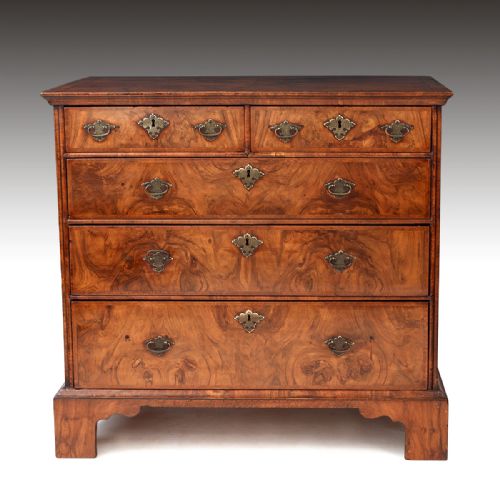
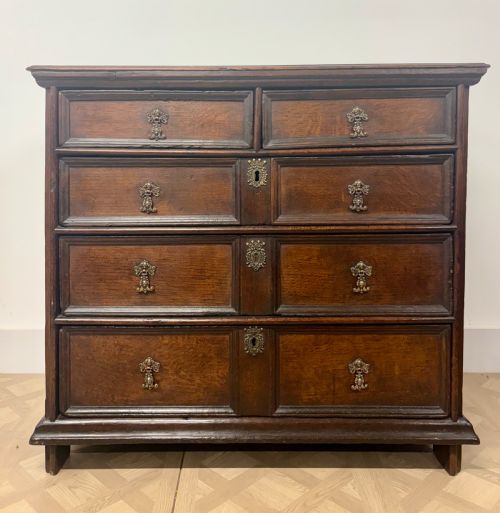
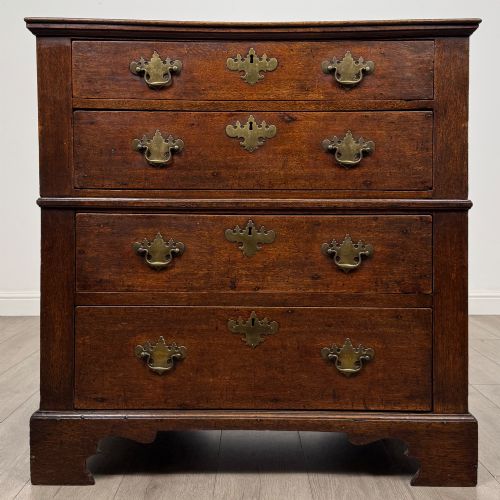
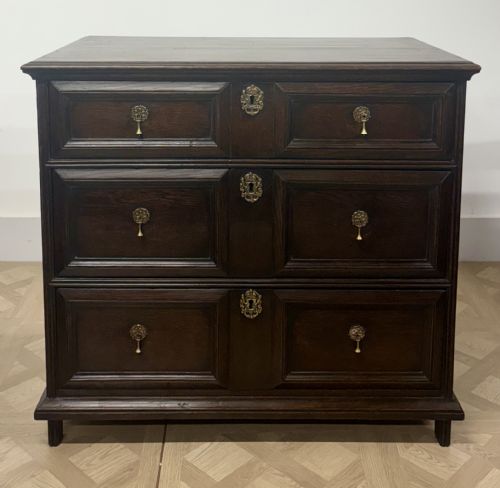
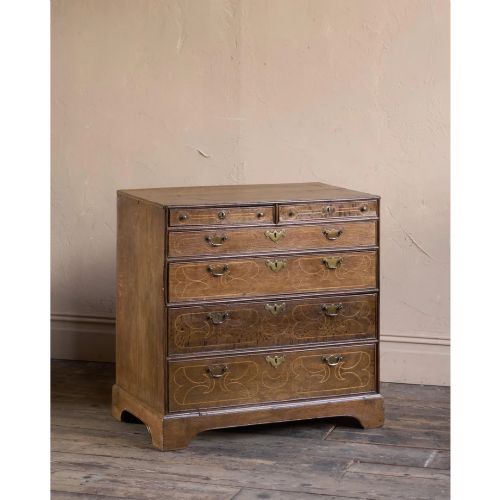
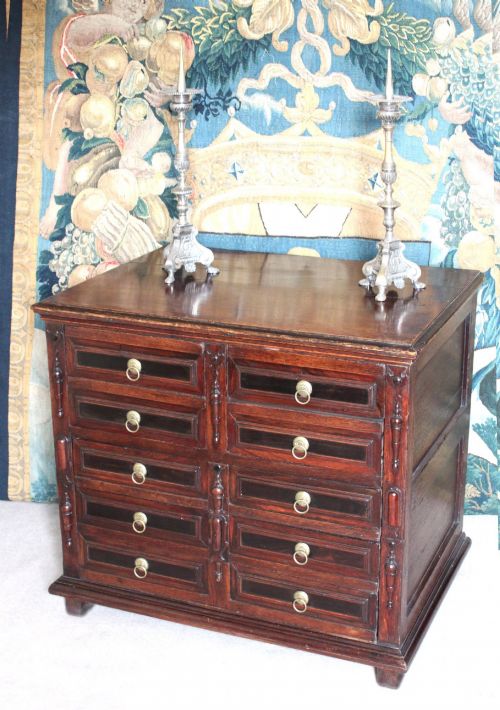
These pieces known as a 17th century tallboy are substantial early timber furniture items designed for storage.
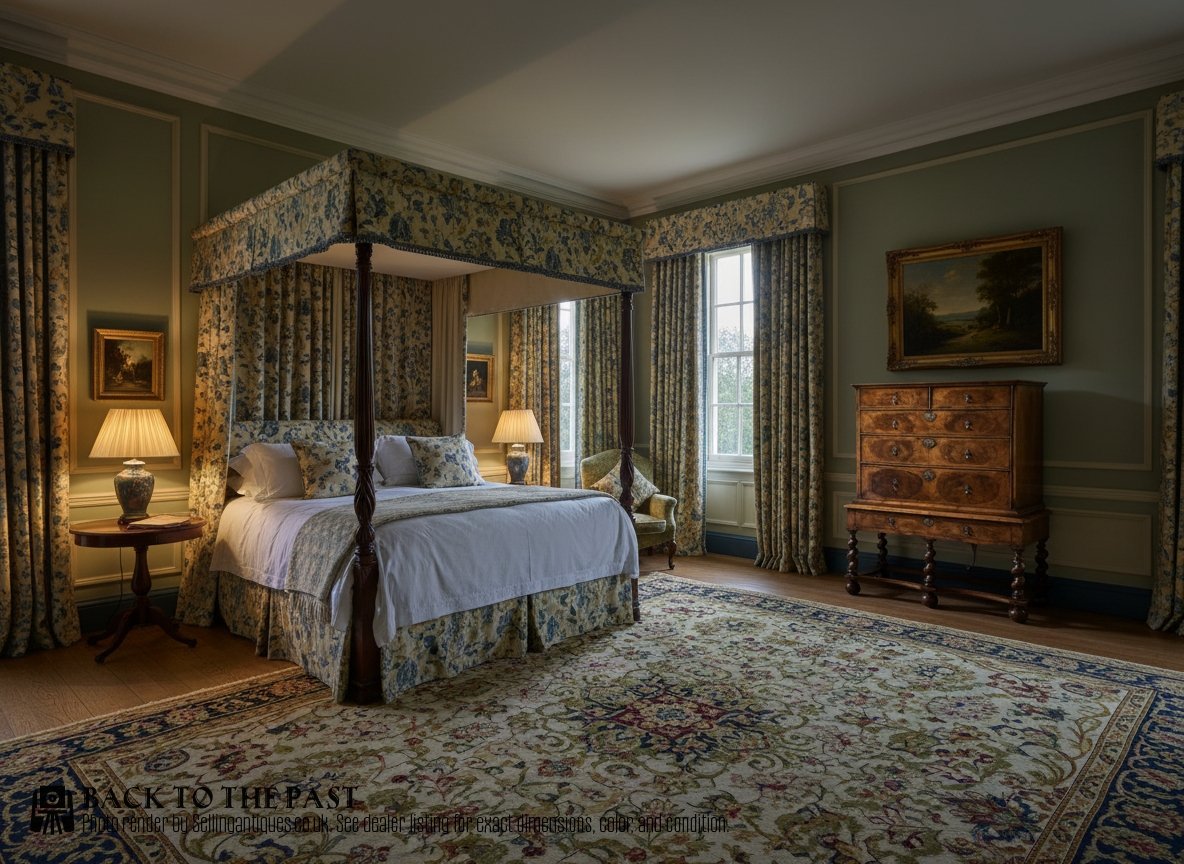
17th Century Tallboy
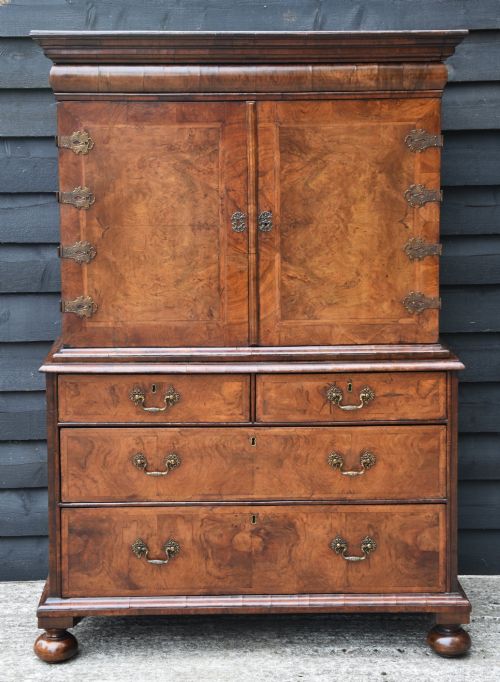
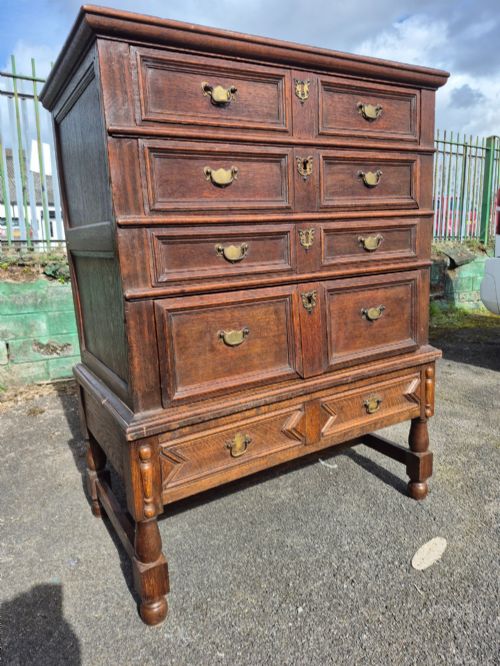
A 17th century tallboy search primarily reveals chests of drawers, alongside forms such as chests on stands and cabinets on chests.
The material record points firmly towards sturdy oak and richly figured walnut as the predominant timbers shaping these examples.
Most entries align with the William and Mary and Charles II periods, showing Jacobean, Carolean, and Stuart stylistic influences.
Materials and construction
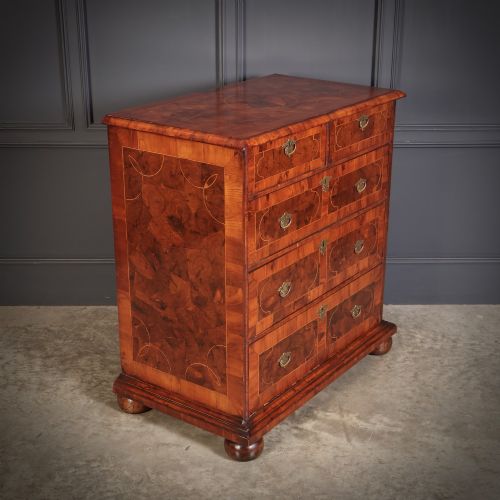
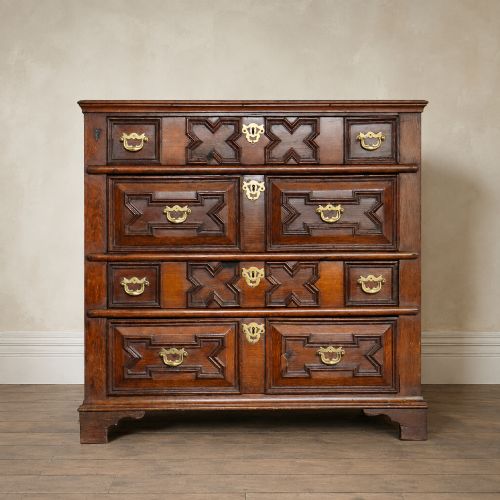
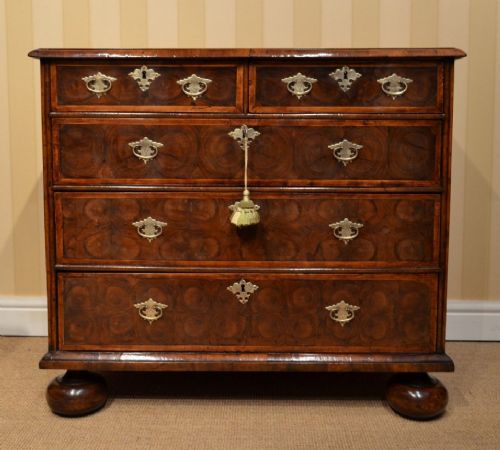
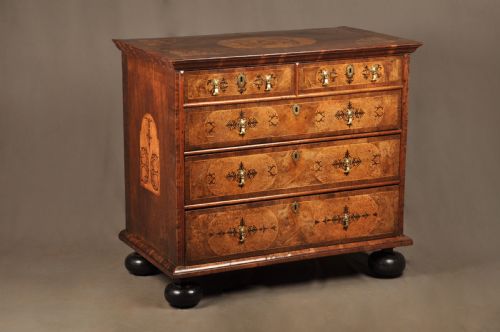
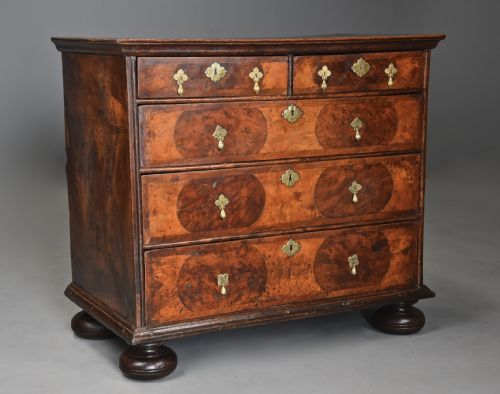
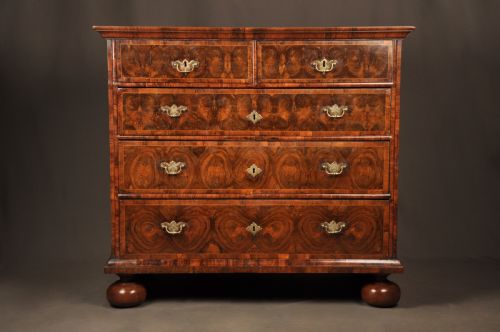
Cabinet makers utilised solid oak for structural integrity, applying decorative veneers like walnut, burr walnut, and olive in circular oyster patterns across drawer fronts.
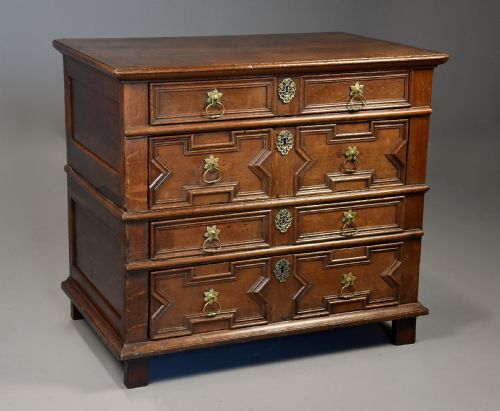
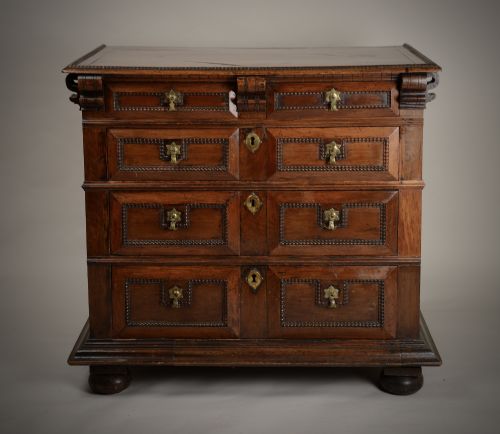
Marquetry inlay and geometric mouldings add surface decoration, whilst brass handles and escutcheons secure the drawer fronts.
Certain pieces combine secondary timbers such as yew wood, fruitwood, and boxwood to achieve contrasting tones.
Branch slices were turned into oyster patterns, proving that even a humble twig could end up looking remarkably fancy on a cabinet.
Distinctions in standard
Quality rests upon the preservation of surface patination and the crispness of geometric mouldings or floral marquetry detail.
The complexity of veneer work, particularly intricate oyster cutting and arabesque marquetry, elevates the standing of an individual example.
The 17th Century Tallboy Glossary
- Oyster veneer
- Circular pieces sliced from small branches or roots, arranged to resemble the pattern of oyster shells. This technique flourished during the late seventeenth century.
- Marquetry inlay
- Elaborate patterns created by fitting pieces of coloured wood into a veneered background. Floral and arabesque motifs appear frequently on walnut pieces.
- Geometric moulding
- Raised orthogonal patterns applied to drawer fronts to create depth and shadow. Such detailing characterises many oak pieces from the period.
- Chest on stand
- A tall storage unit elevated on a separate framework of legs connected by stretchers. This form reduces visual heaviness while maintaining capacity.
17th Century Tallboy: Frequently Asked Questions
What defines a 17th century tallboy?
These items comprise multi-tiered wooden storage furniture, typically structured as chests of drawers, cabinets on chests, or chests on stands.
They reflect the domestic storage needs and cabinet making skills of the Stuart and William and Mary eras.
Which woods were used?
Oak forms the primary structural timber for many regional and domestic pieces, whilst walnut appears frequently in grander decorative examples.
Craftsmen also utilised burr walnut, olive, yew, and fruitwood alongside brass hardware for decoration.
How do I spot marquetry?
Marquetry involves contrasting wood veneers cut into pictorial or abstract shapes and laid flush into the surface.
On these pieces, it usually depicts floral or arabesque patterns across walnut drawer fronts.
What is an oyster veneer?
Oyster veneering involves slicing thin transverse sections from small branches to produce small, circular wooden discs.
These discs are fitted tightly together to create a repeating, patterned surface reminiscent of oyster shells.