





17th Century Chinese Porcelain
These pieces of 17th century chinese porcelain bring centuries of ceramic history to your home through cobalt blue glazes and delicate forms.
17th Century Chinese Porcelain
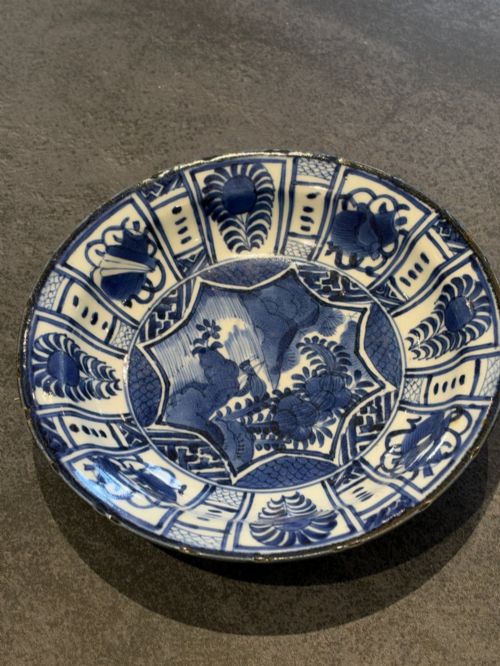
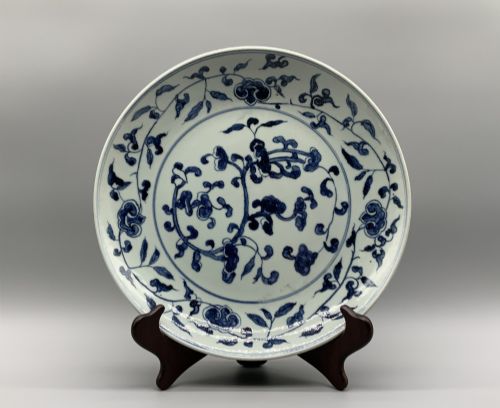
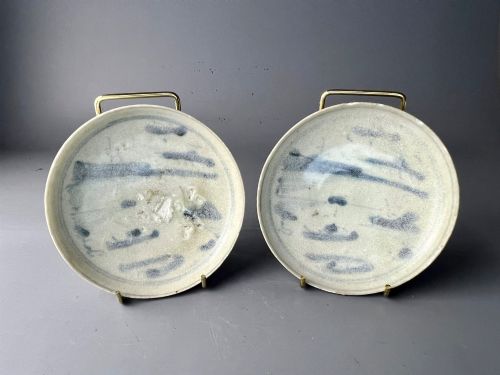
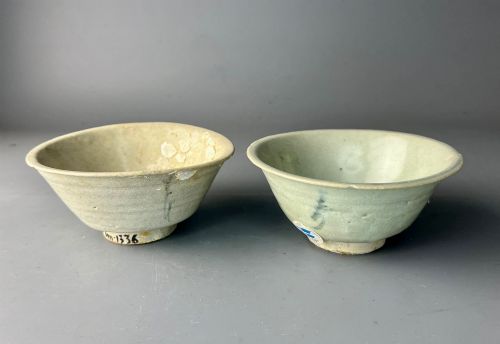
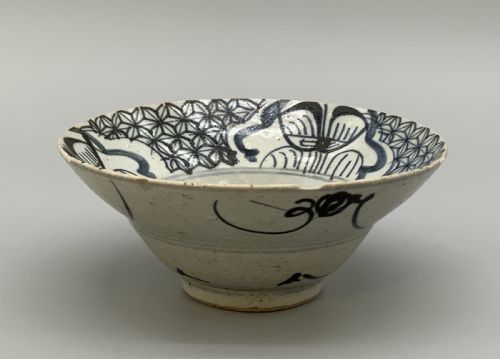
When you search for 17th century chinese porcelain, you encounter items spanning the Ming dynasty, the transitional period, and the Qing dynasty Kangxi period. The selections here include chargers, brush pots, jars, and bowls created across these shifting eras of imperial rule.
You are most likely to meet blue and white porcelain objects dating from the Kangxi period, alongside earlier Ming dynasty Swatow pieces and transitional wares. These items range from scholarly desk accessories to large decorative chargers and lidded vessels.
How They Were Made
Potters shaped porcelain bodies and applied cobalt pigment beneath a clear glaze before firing them at high temperatures. Certain pieces also incorporate gold leaf or enamel colours such as iron red and green over the glaze.
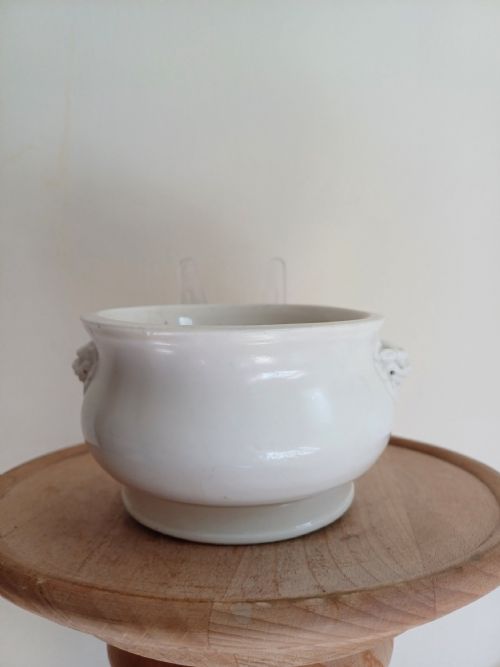
The execution relies on precise control of cobalt underglaze to achieve varying depths of blue on the porcelain surface. Artisans formed functional and decorative objects including teapots, censers, ewers, and vases.
17th Century Chinese Porcelain Retail Price Guide 2026
Typical asking prices for 17th century chinese porcelain among the pieces listed under this phrase on Sellingantiques today, from the lower quarter to the upper quarter. They describe what is for sale here now, not the wider market.
Listings include porcelain pieces from the Ming dynasty, the transitional period, and the Qing dynasty Kangxi period.
What Varies in Quality
The refinement of the cobalt blue underglaze and the crispness of the painted details distinguish pieces within this range. Precision in the potting and the clarity of the porcelain body also set examples apart.
The complexity of the form, such as octagonal profiles or intricate lidded jars, influences the character of the object. Preservation of the glaze and any accompanying gilt or enamel decoration contributes to the standing of each piece.
The 17th Century Chinese Porcelain Glossary
- Kangxi Period
- A phase of the Qing dynasty spanning from 1662 to 1722 noted for fine blue and white porcelain production. This era produced many of the chargers, brush pots, and vases seen in these listings.
- Bitong
- A cylindrical brush pot used by scholars for holding writing implements. These porcelain holders often feature painted cobalt blue scenes.
- Swatow Bowl
- A type of Chinese ceramic produced during the late Ming dynasty and exported through southern ports. These bowls typically display bold underglaze blue decoration.
- Kraak Porcelain
- A style of Chinese export porcelain characterised by panelled designs painted in cobalt blue. This ware appears in forms such as deep plates and bowls.
- Wucai
- A palette of enamel colours meaning five colours, typically combining underglaze blue with overglaze red, green, yellow, and black. Pieces utilising this technique show rich polychrome decoration.
17th Century Chinese Porcelain: Frequently Asked Questions
What is a bitong?
A bitong is a cylindrical brush pot used by scholars to hold writing brushes on a desk. These porcelain vessels often feature detailed cobalt blue underglaze painting.
They represent an intersection of utility and scholarly taste in historical China.
How do I identify Kangxi period porcelain?
Kangxi period porcelain dates from 1662 to 1722 and is frequently recognised by vibrant cobalt blue underglaze decoration. The forms include jars, chargers, and brush holders with precise painting.
These pieces reflect the technical stability and artistic output of the early Qing dynasty.
What is Kraak porcelain?
Kraak porcelain is a type of export ware featuring panelled borders and central motifs painted in cobalt blue. It dates back to the Ming dynasty and appears in forms like deep plates and bowls.
Its distinctive compartmentalised design made it popular in global trade.
How should I display porcelain chargers?
Large chargers work well on sturdy plate stands or mounted securely for wall display. Their broad surfaces showcase complex cobalt blue underglaze scenes.
Placement should avoid areas of direct sunlight or heavy foot traffic.