


17th Century Carved Panel
When you handle a 17th century carved panel, you touch the heavy grain of centuries past and hold a piece of early domestic architecture.
17th Century Carved Panel
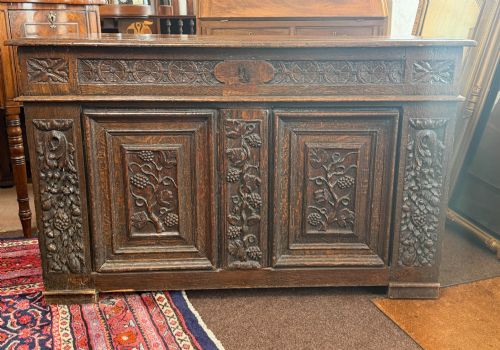
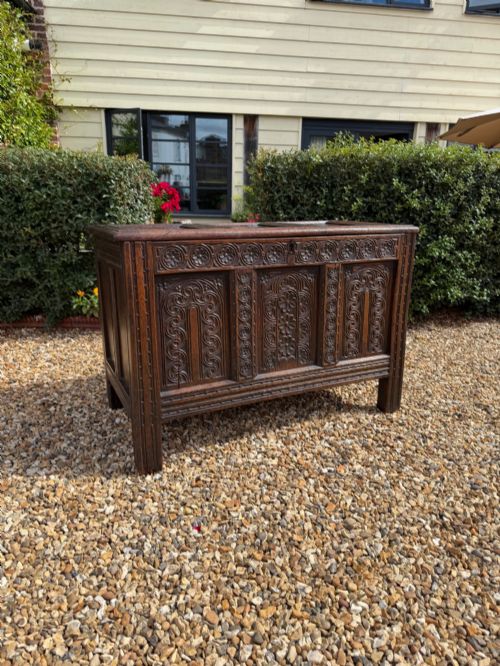
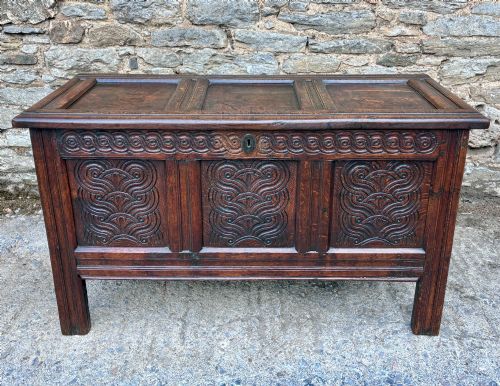
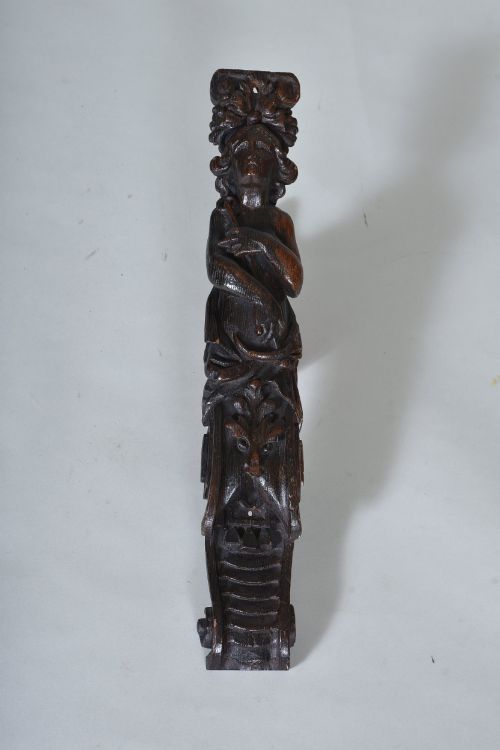
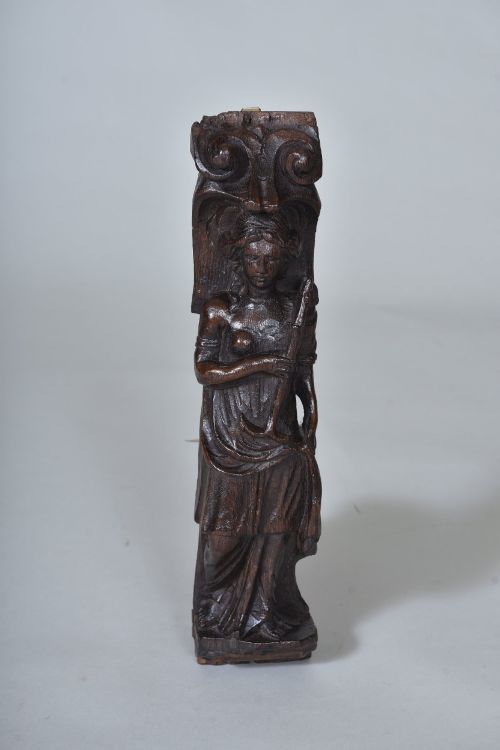
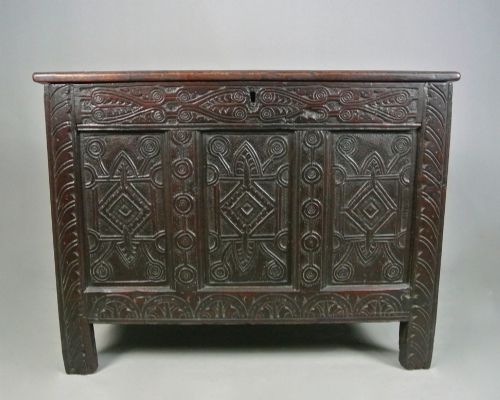
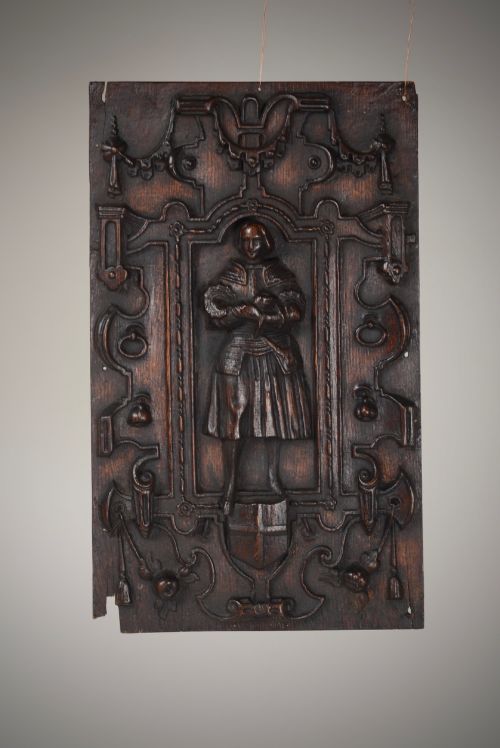
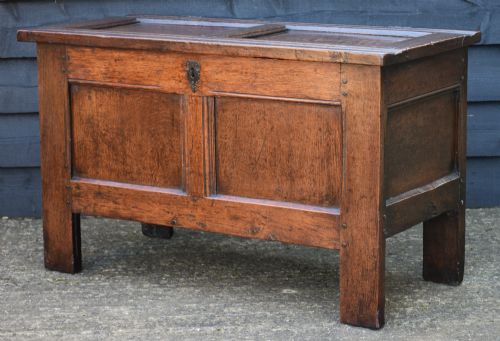
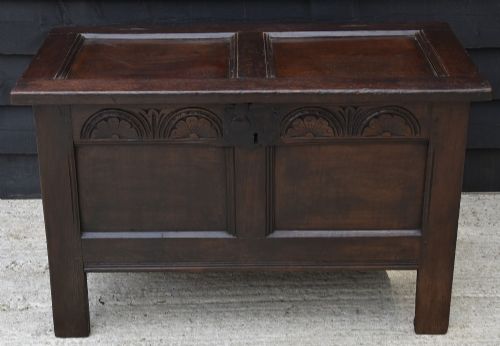
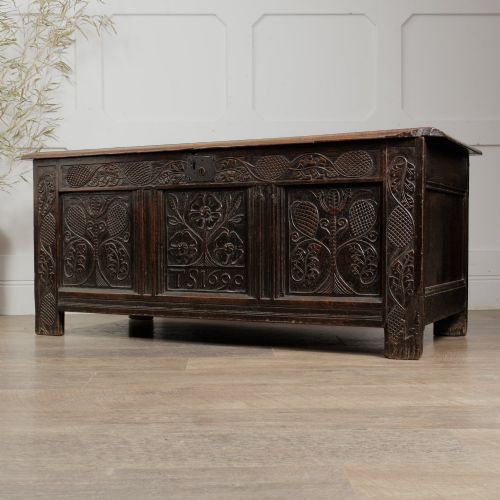
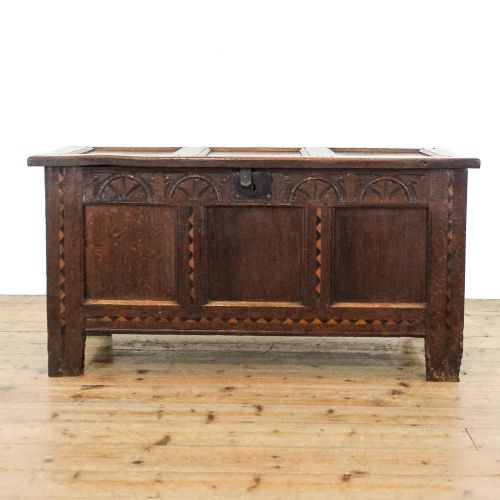
A 17th century carved panel represents a fragment of early woodwork, often salvaged from larger furniture pieces, wall panelling or overmantels. Buyers searching this phrase encounter individual architectural elements alongside complete items like coffers, blanket boxes, and wainscot armchairs bearing similar relief work.
The objects stem predominantly from the 17th century, incorporating Jacobean and Charles II styles, though later revival periods from the 19th and early 20th centuries also appear. Surviving pieces frequently depict figural motifs, heraldic emblems, or botanical patterns intended to decorate domestic interiors.
How they were made
Carpenters and joiners worked principally in oak, utilising iron and brass for structural reinforcement and hinges on larger storage items. Surfaces often display high-relief carving executed with gouges and chisels directly into the dense timber grain.
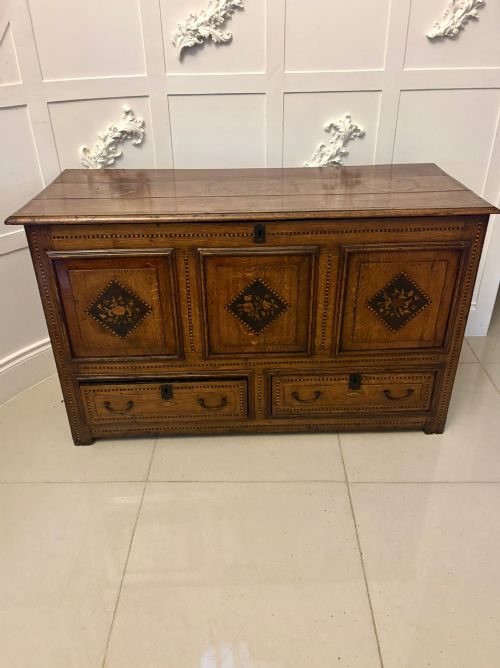
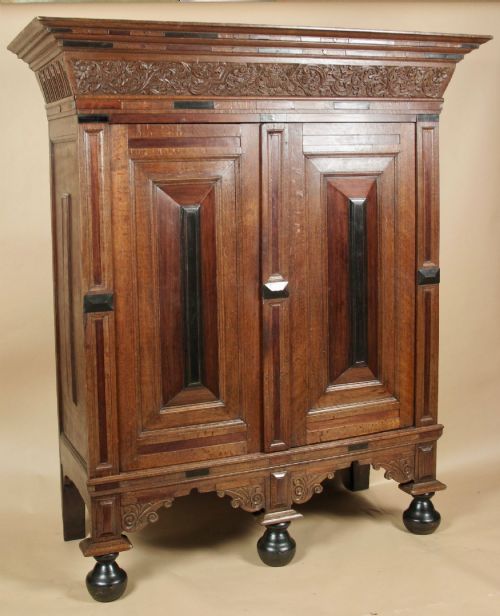
Inlaid examples incorporate marquetry using dark oak, ebony, and rosewood to form geometric or floral contrasts. Construction techniques rely on mortise and tenon joints secured with wooden pegs rather than modern metal fixings.
17th Century Carved Panel Retail Price Guide 2026
Typical asking prices for 17th century carved panel among the pieces listed under this phrase on Sellingantiques today, from the lower quarter to the upper quarter. They describe what is for sale here now, not the wider market.
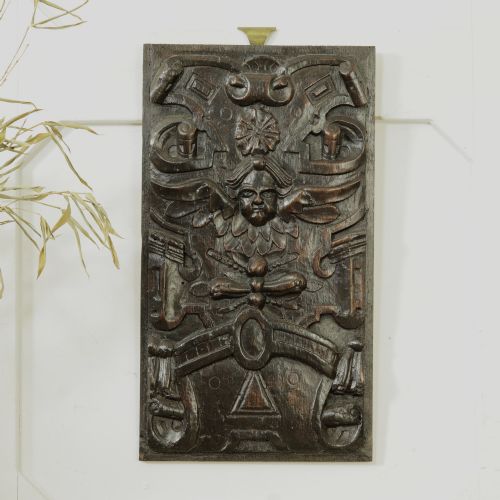
Carvers frequently populated early oak panels with whimsical mandrake roots, winged sea-horses, and mythical beasts.
What varies in quality
The depth and crispness of the carving dictate much of the distinction between standard items and exceptional examples. Master carvers achieved intricate detail in figural representations such as the cardinal virtues, mythical beasts, and botanical subjects like the Tudor rose.
The integrity of the timber and the retention of original surface patination also set pieces apart. Items displaying minimal later alteration or replacement timber command greater appreciation among collectors.
The 17th Century Carved Panel Glossary
- Coffer
- A heavy wooden chest utilised for storage, typically constructed from oak with panelled walls and a hinged lid.
- Wainscot armchair
- A rigid wooden armchair constructed with panelled backrests and solid seats, common in domestic interiors.
- Marquetry inlay
- Decorative patterns formed by fitting contrasting veneers of wood such as ebony and rosewood into carved recesses.
- Overmantel panel
- A large wooden panel or assembly positioned directly above a fireplace opening.
- Linenfold
- A style of wood carving that imitates folded fabric, frequently seen on early panels.
17th Century Carved Panel: Frequently Asked Questions
What were carved panels used for?
These panels functioned primarily as decorative architectural elements within elite homes, often integrated into wall panelling or fitted above fireplaces.
Craftsmen also incorporated them into the construction of heavy furniture such as coffers, cupboards, and chest fronts.
How do I date a 17th century panel?
Dating relies heavily on the tool marks left by early chisels, the oxidation of the oak, and the specific style of the carving. Jacobean and Charles II motifs provide distinct chronological markers for the period.
Construction methods, such as hand-split timber and pegged joinery, also help separate authentic early pieces from later revival copies.
Are these panels from furniture or walls?
Many surviving examples originated as structural components of dismantled oak coffers, cupboards, or chest of drawers.
Others were removed directly from room panelling or overmantels during later architectural alterations.
How should I display a wooden panel?
Panels are generally mounted securely on interior walls away from direct heat sources and strong sunlight to protect the dry oak.
Keeping them in stable environmental conditions prevents the timber from warping or splitting over time.