


17th Century Carved Chest
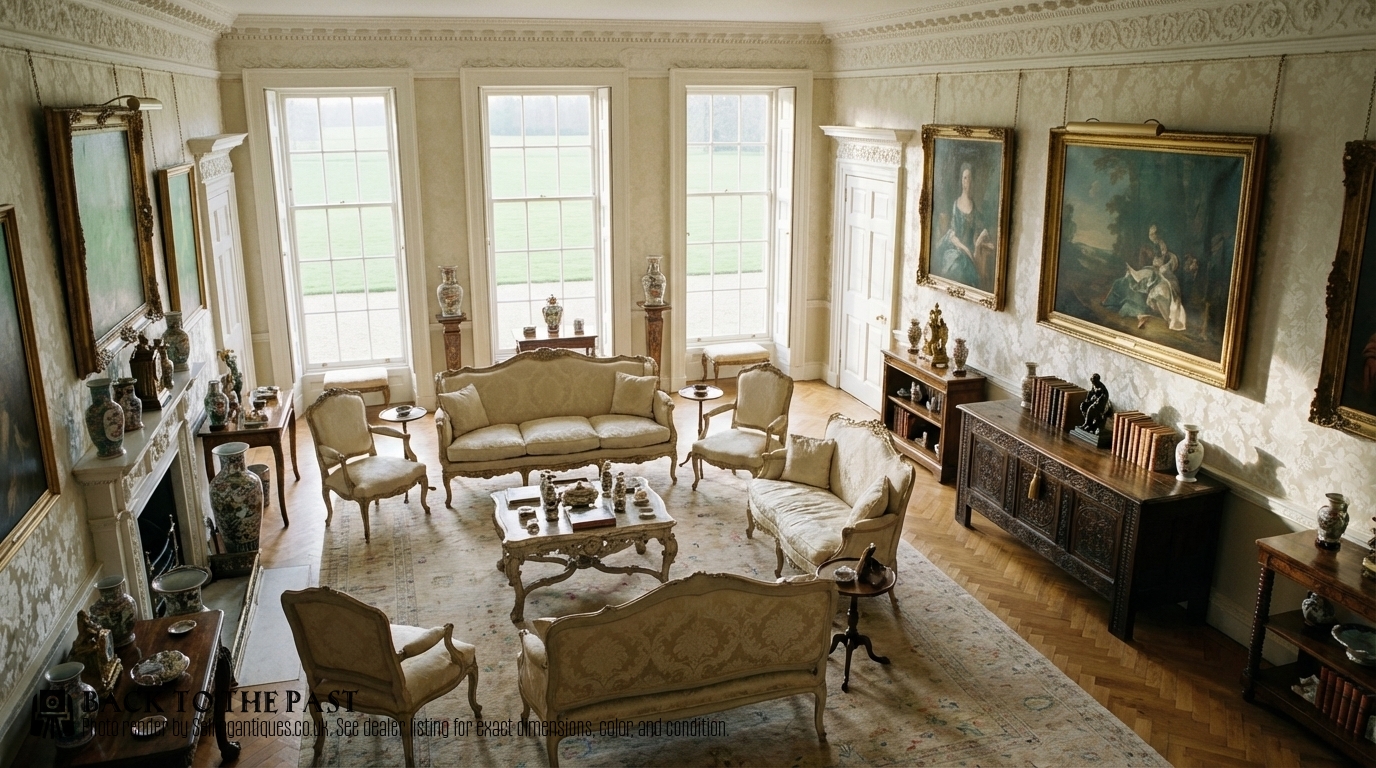
A 17th century carved chest brings centuries of joinery and domestic history directly into a modern room.
17th Century Carved Chest
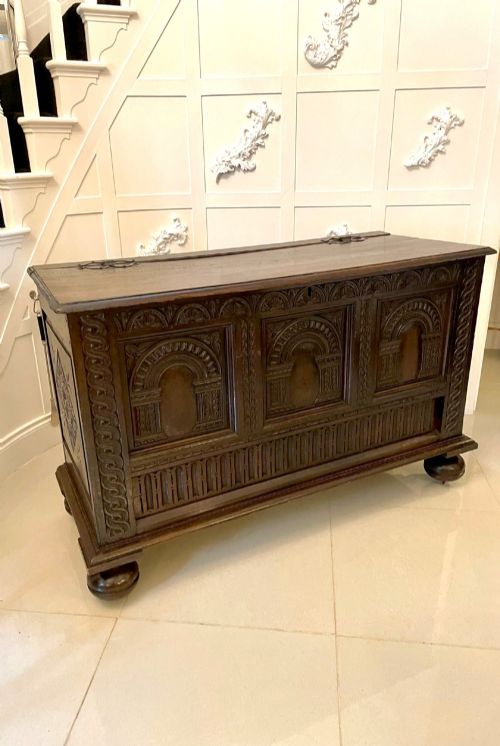
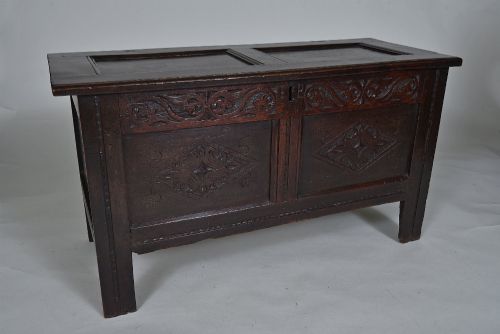
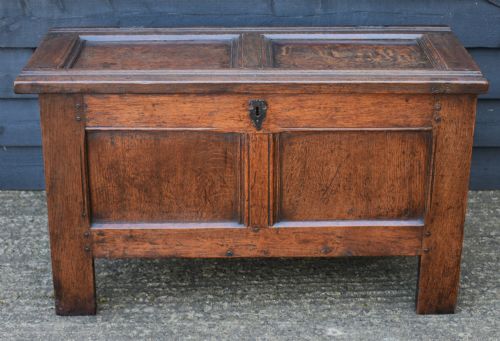
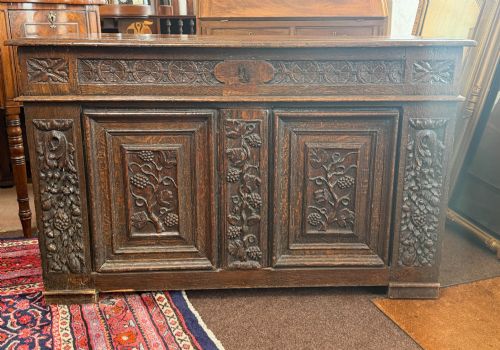
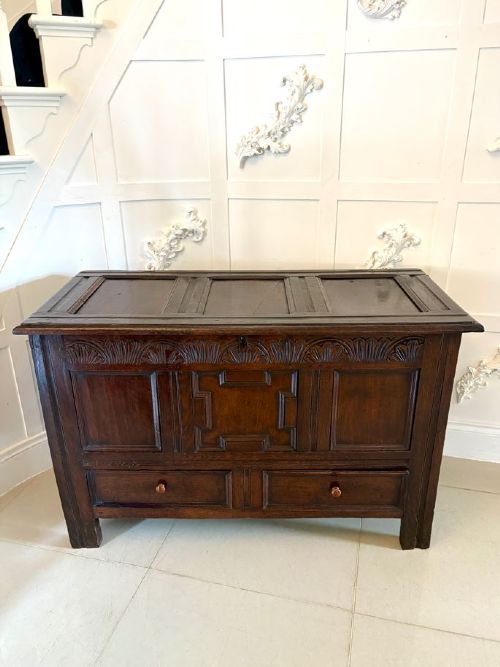
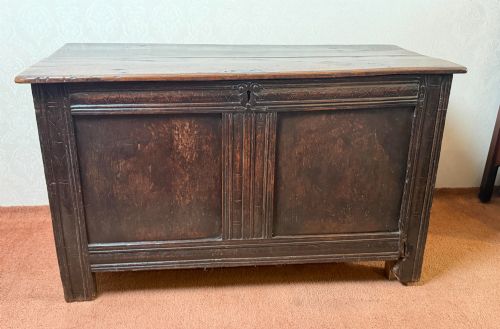
When searching for a 17th century carved chest, a buyer encounters robust oak coffers, mule chests with drawers, and early chests of drawers spanning the Jacobean, Charles II, and William and Mary periods. These utilitarian storage pieces were built to secure valuables, textiles, and documents in domestic and ecclesiastical settings.
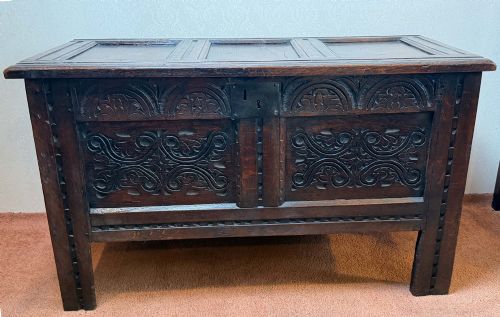
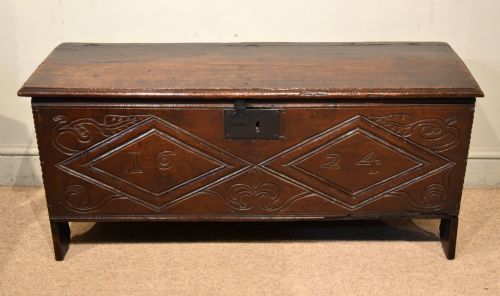
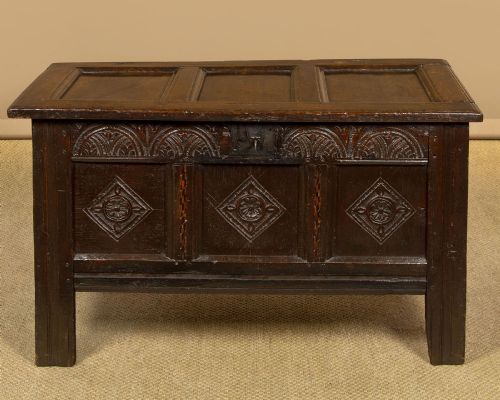
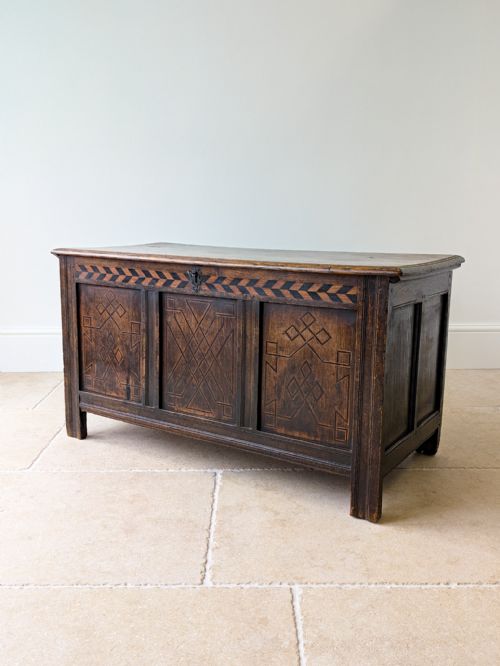
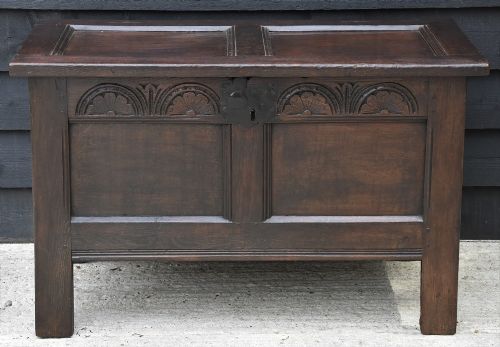
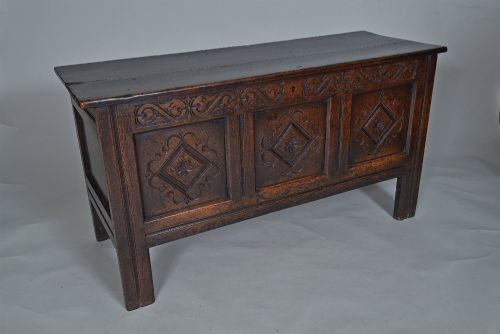
The most common survival on this page is the joined oak coffer featuring three panelled sections and linear or figural carved decoration on the front frieze. Regional variations also appear, including Welsh elm six-plank boards and Cornish ecclesiastical boxes with Gothic motifs.
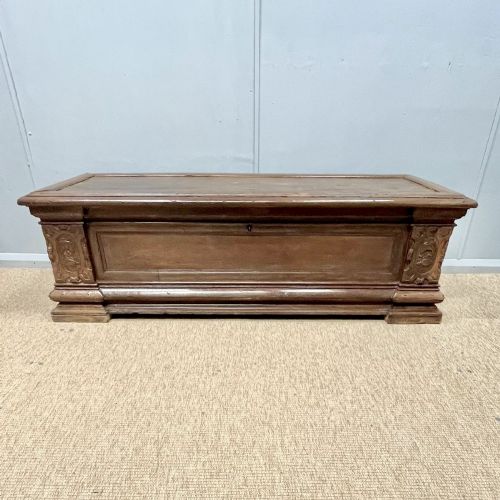
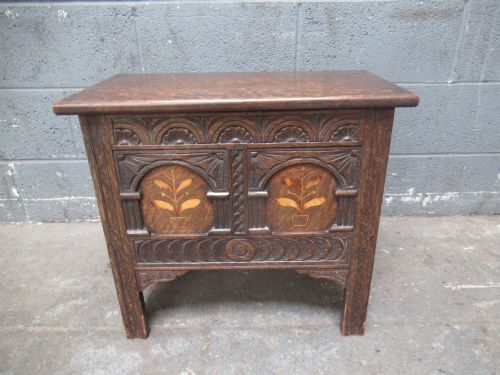
Beyond standard blanket chests, the selection includes pieces elevated on stands, drop-front cabinets, and hybrid forms combining marquetry inlay or walnut veneers with solid timber frameworks.
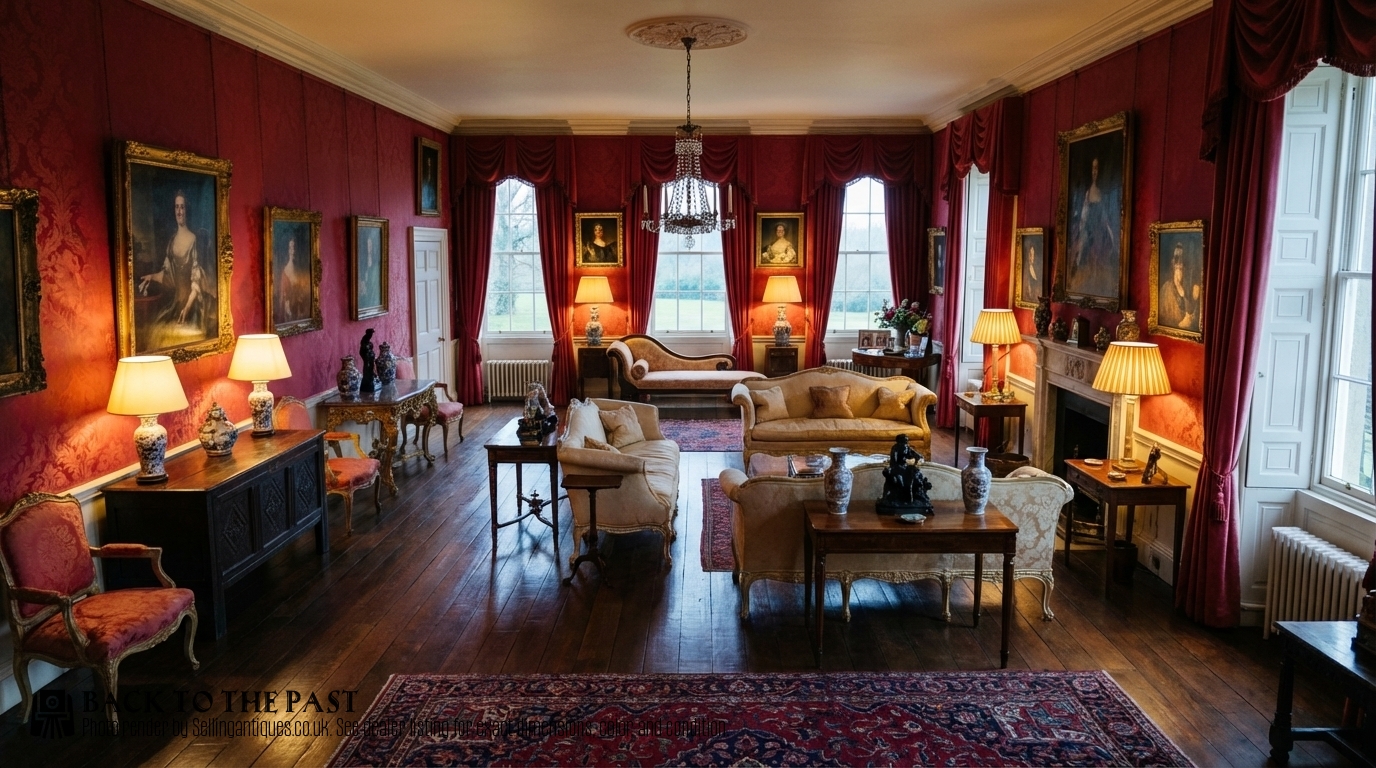
How they were made
Master joiners constructed these storage pieces primarily using native English oak, joined with pegged mortise and tenon frames surrounding grooved floating panels. Secondary timbers such as elm, cypress, and cherry occasionally appear in regional or continental works.
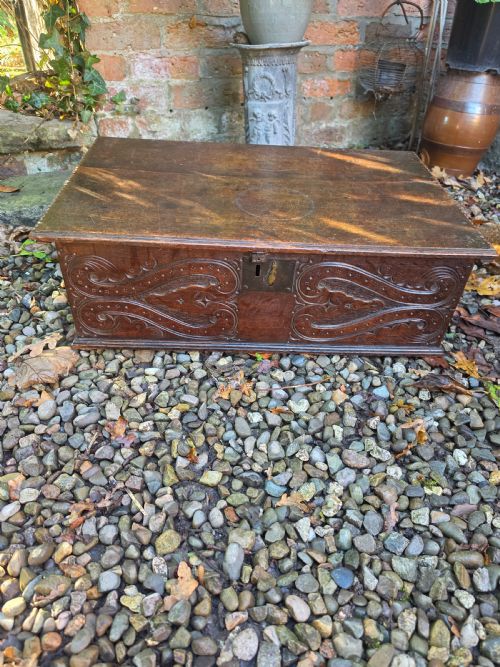
Surface ornamentation relied on hand-chiselled chip carving, gouge work, and arcading executed directly onto the solid wood boards. Iron hinges, brasses, and locks provided functional security, while later or high-status variants incorporated marquetry inlay and ebonised details.
17th Century Carved Chest Retail Price Guide 2026
Typical asking prices for 17th century carved chest among the pieces listed under this phrase on Sellingantiques today, from the lower quarter to the upper quarter. They describe what is for sale here now, not the wider market.
What varies in quality
The distinction between standard examples and top-tier survivals rests on the crispness of the hand-carved decoration and the integrity of the original construction timbers. Pieces retaining their authentic board lids, untouched patination, and undisturbed ironwork command greater appreciation among collectors.
Proportion and regional rarity also dictate standing, as smaller dimensions or documented geographic origins elevate the form above ordinary utility boxes.
The 17th Century Carved Chest Glossary
- Coffer
- A heavy wooden chest traditionally used for storing valuables, linens, and documents before the widespread adoption of built-in closets. These storage boxes usually feature hinged lids and sturdy boarded or panelled construction.
- Mule chest
- A hybrid storage form combining a blanket chest top with one or more operational drawers built into the base. This design bridges the traditional coffer and the modern chest of drawers.
- Joined oak
- A method of cabinet making utilising interlocking mortise and tenon joints secured with wooden pegs rather than modern metal fasteners. This rigid skeleton frame supports thinner floating panels that expand and contract with humidity.
- Marquetry inlay
- Decorative patterns formed by fitting contrasting pieces of fine wood veneer into carved recesses on the furniture surface. This technique frequently appears on high-status William and Mary or continental pieces.
- Six plank chest
- A primitive storage box constructed from six individual solid boards joined simply at the edges with nails or dovetails. These utilitarian trunks represent some of the earliest and most direct forms of domestic storage.
17th Century Carved Chest: Frequently Asked Questions
How were these chests used?
Original owners utilised these sturdy boxes to store valuable textiles, household silver, legal documents, and personal clothing securely within domestic halls or chambers.
Because freestanding wardrobes were uncommon, the chest served as the primary portable wardrobe and safety deposit box of the household.
How do I tell periods apart?
Early examples from the Jacobean era display deep, geometric chip carving and heavy boarded frames, while later Charles II and William and Mary pieces incorporate applied mouldings, panelled doors, and integrated drawer bases.
Stylistic shifts reflect changing domestic habits and the gradual introduction of walnut veneers and marquetry alongside traditional solid oak.
Can I use a coffer daily?
These robust antique boxes function well as coffee tables, blanket storage at the end of a bed, or hallway seating when fitted with a suitable textile cushion.
Their solid construction and durable timbers accommodate modern living provided they are kept away from direct heat sources and extreme humidity fluctuations.
What is regional oak?
Regional pieces reflect the local timber availability and vernacular carving traditions of specific areas, such as the Gower Peninsula in Wales or rural Cornwall.
These pieces often display distinct construction methods, alternative woods like elm, or idiosyncratic folk motifs that set them apart from standard metropolitan workshop production.