

17th Century Cabinet
A 17th century cabinet brings centuries of tactile craftsmanship and rich timber grain into a modern interior.
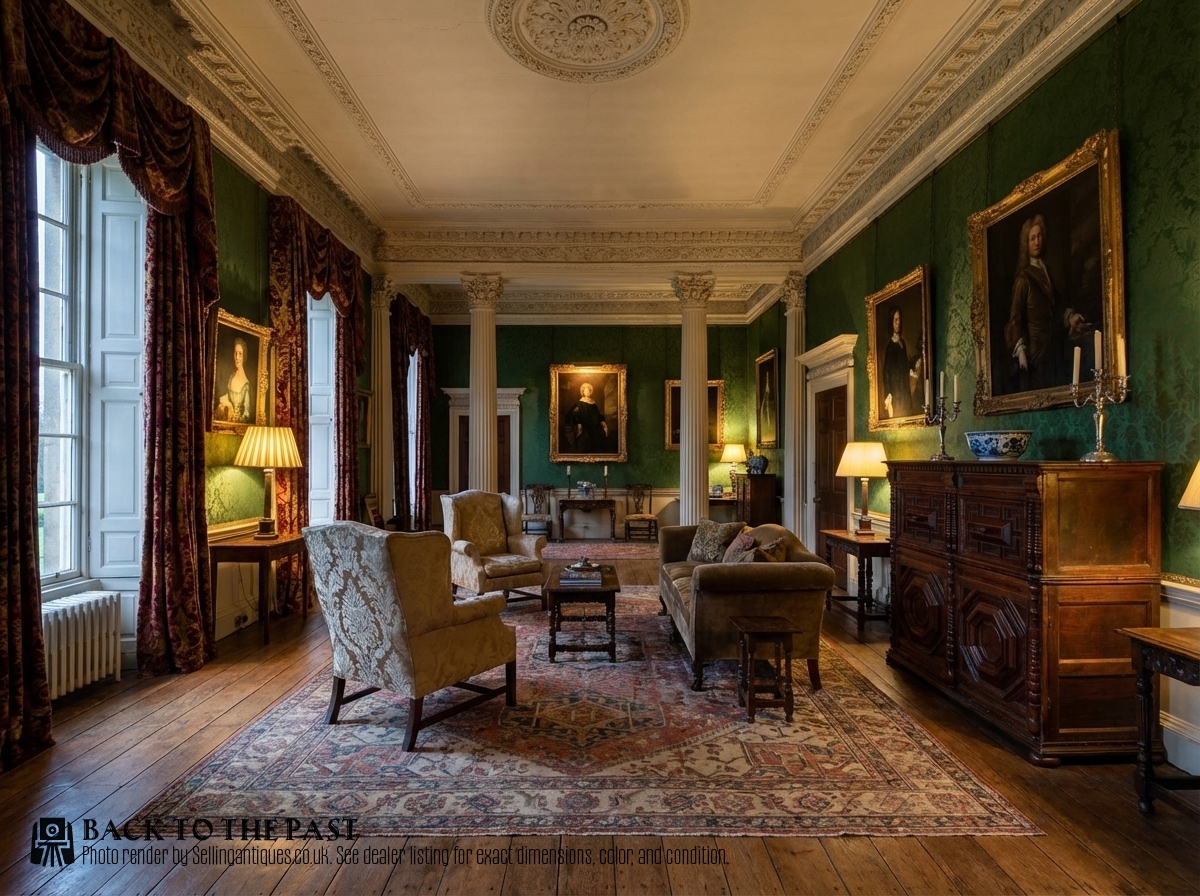
17th Century Cabinet
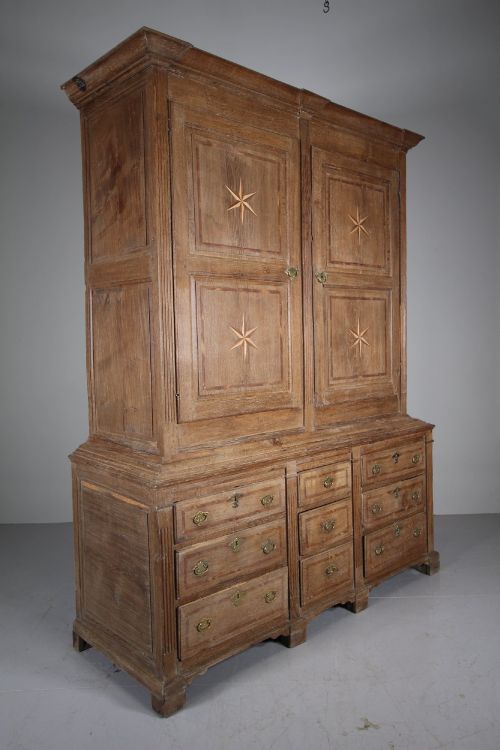
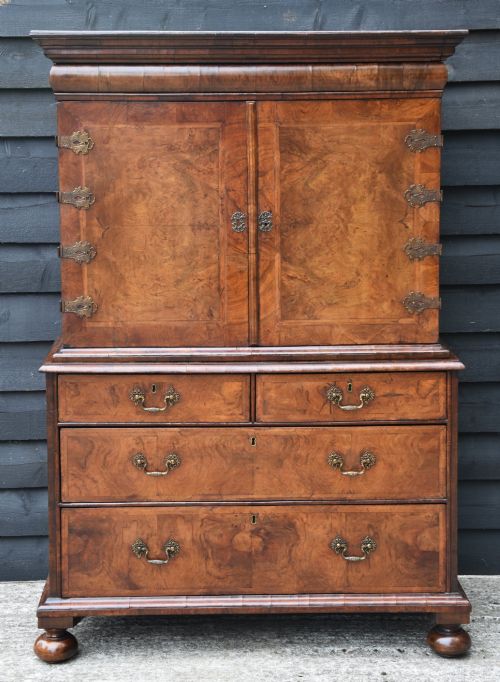
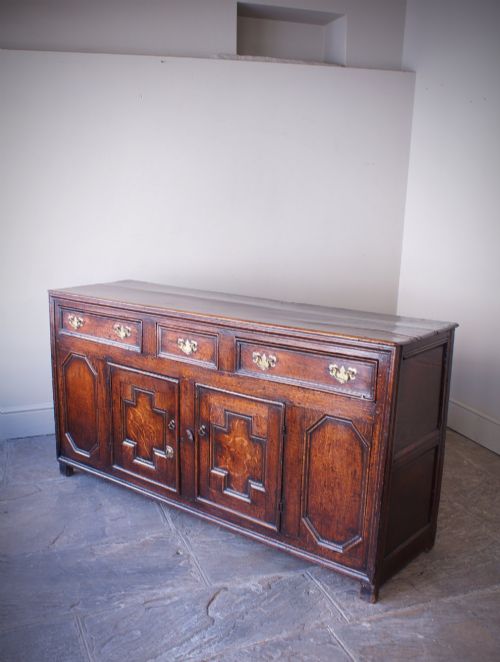
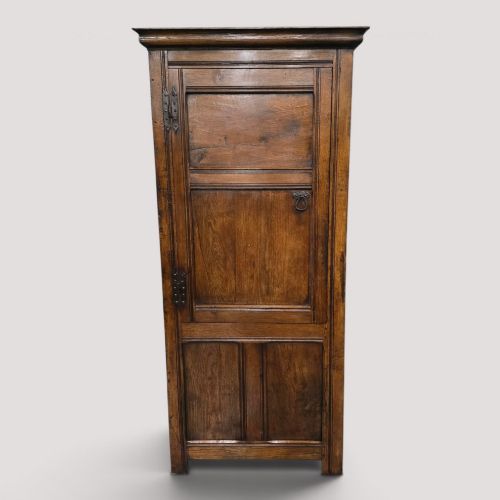
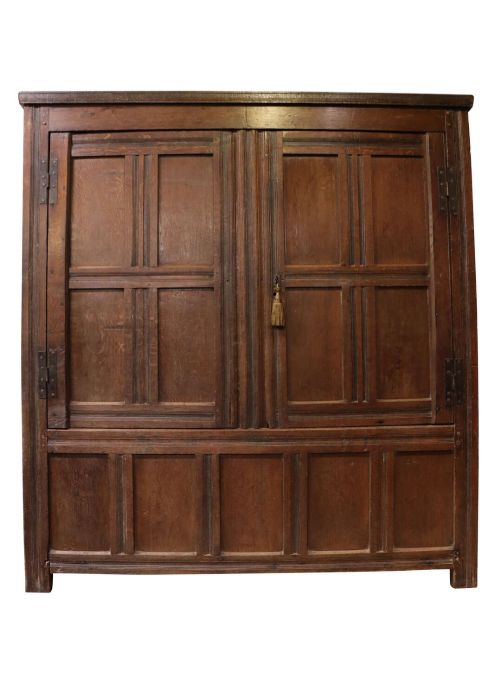
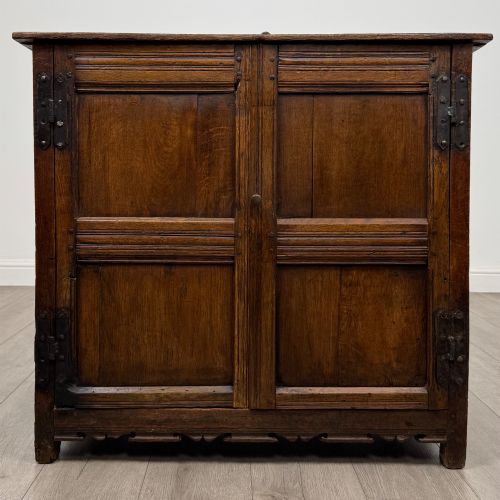
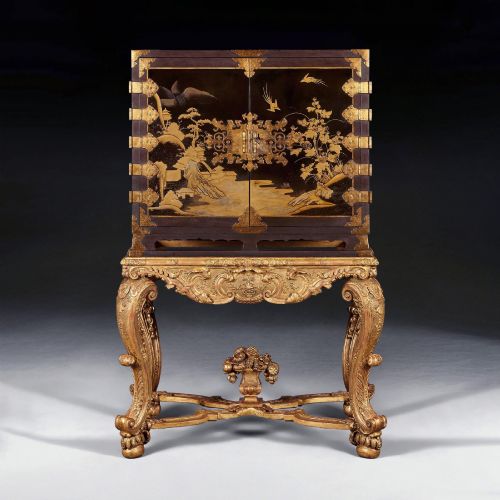
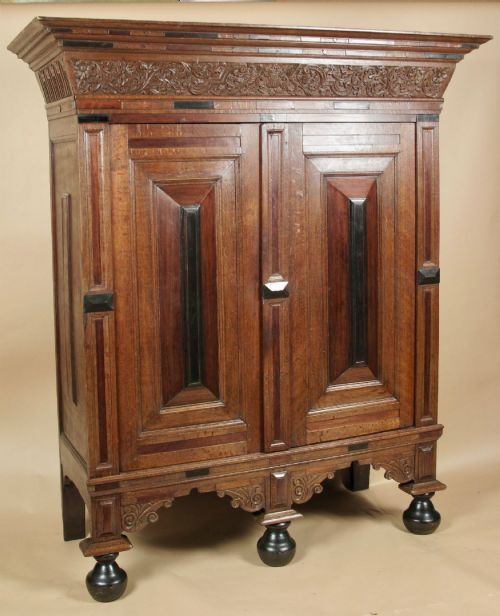
A 17th century cabinet encompasses a broad variety of functional domestic storage forms, ranging from joined oak press cupboards and livery cupboards to intricate table cabinets and grand cabinets raised on stands. Regional workshops across England, France, Spain, Italy, and the Low Countries produced these pieces to house valuables, textiles, or documents.
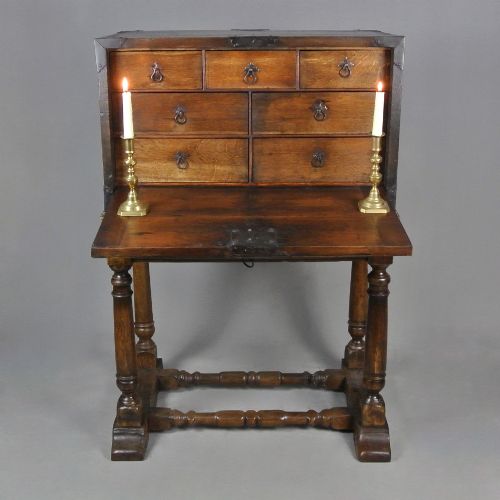
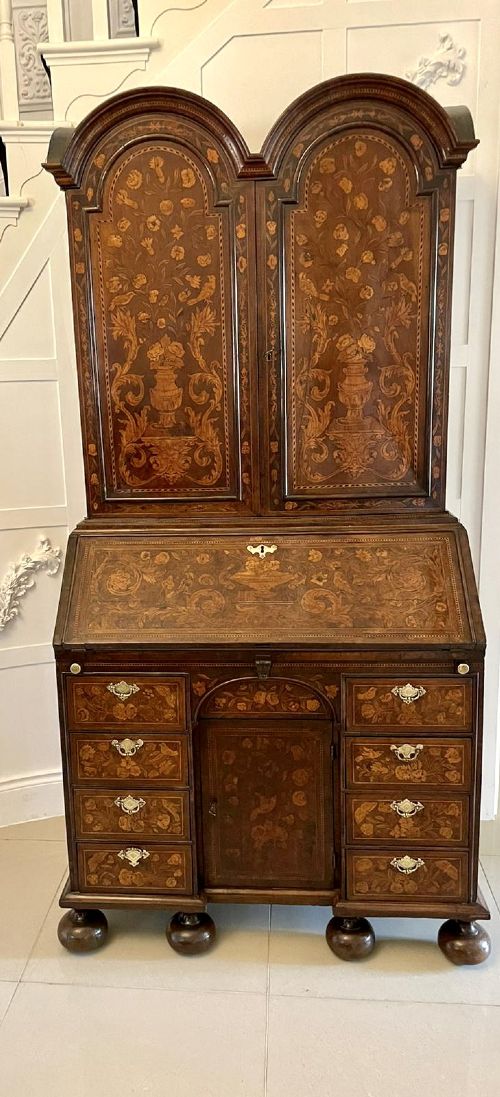
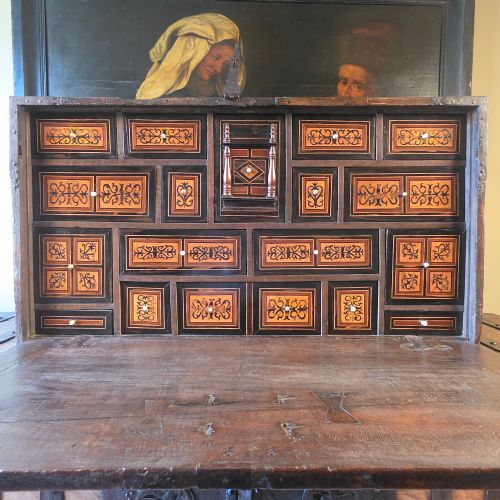
The selections encountered span sturdy provincial oak furniture intended for daily utility alongside highly decorative export and court pieces veneered in exotic timbers. Buyers will find variations including Spanish bargueños, Dutch marquetry armoires, and English chests of drawers adapted to stand bases.
While many survivors date directly to the 1600s, later revival pieces from subsequent centuries also appear, reflecting enduring tastes for seventeenth-century proportion and joinery. These objects serve as focal points in a room, combining architectural presence with historical utility.
Materials and Technique
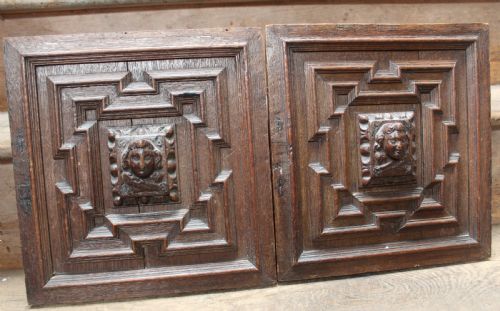
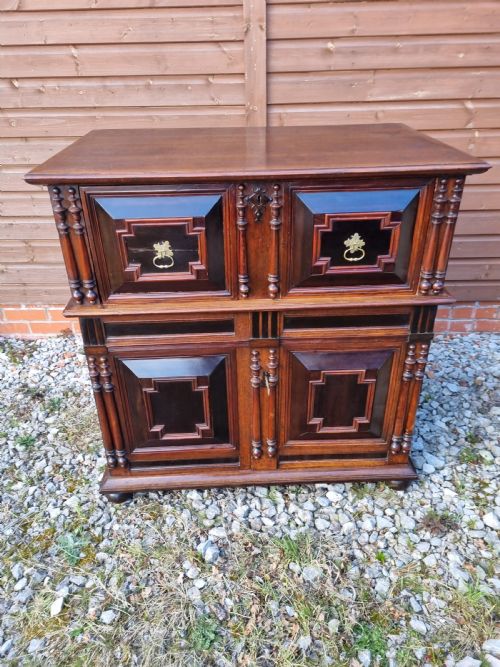
Makers relied primarily on native timbers such as oak, walnut, and fruitwood for structural integrity, utilising heavy planking, frame-and-panel construction, and hand-cut dovetails. Surfaces were frequently enriched through intricate carving, geometric mouldings, or applied split turnings that added strong linear contrast.
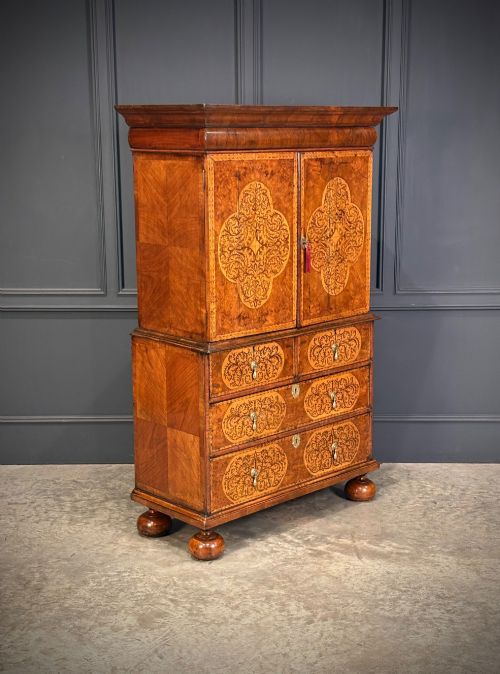
High-status examples employed exotic and decorative materials, incorporating veneers of burr walnut, kingwood, ebony, and rosewood arranged in complex marquetry or parquetry patterns. Workshops also integrated tortoiseshell, bone, ivory, pewter, and mother-of-pearl inlay to create luminous decorative panels.
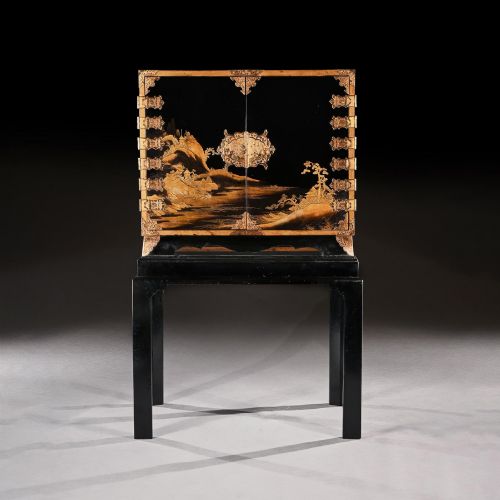
Finishing techniques preserved natural timber textures while building deep surfaces through traditional polishing methods. Specialised cabinets featured hand-painted polychrome decoration, Japanese lacquer work, or gilt-bronze mounts that elevated the functional box into an artistic display piece.
17th Century Cabinet Retail Price Guide 2026
Typical asking prices for 17th century cabinet among the pieces listed under this phrase on Sellingantiques today, from the lower quarter to the upper quarter. They describe what is for sale here now, not the wider market.
Listings feature structural forms in oak, walnut, and fruitwood alongside veneered surfaces in burr walnut, kingwood, and tortoiseshell.
Craftsmanship and Survival
Quality rests upon the integrity of the primary construction and the precision of the decorative elements, distinguishing standard utility pieces from elite workshop commissions. Superior examples display crisp, deep hand-carving and meticulous alignment in veneered patterns such as oyster cut walnut or floral marquetry.
The survival of original surface patination, hardware, and structural mounts heavily influences the standing of a piece within its period. Integration of later stands, replacement panels, or extensive board substitution alters the historical cohesion, while untouched original timber surfaces retain maximum character.
The complexity of internal configuration defines the upper tiers of production, particularly in architectural table cabinets and bureau bookcases fitted with numerous secret drawers and specialised compartments. The mastery required to combine disparate luxury materials like tortoiseshell, bone, and precious metals marks the pinnacle of period execution.
Waring and Gillow
The 17th Century Cabinet Glossary
- Bargueño
- A traditional Spanish chest cabinet featuring a drop-front writing flap and numerous internal drawers. It typically sits on a decorative trestle stand or table base.
- Oyster veneer
- Slices cut transversely from small branches or roots to produce circular or oval patterns resembling oyster shells. This technique gained immense popularity in elite furniture during the late seventeenth century.
- Marquetry
- Inlaid decorative work where pieces of various coloured woods, metals, or shells are fitted into a veneer to form pictorial or geometric designs. Master craftsmen used this to adorn cabinet doors and drawer fronts.
- Press cupboard
- A large storage furniture form featuring an upper cabinet section used for linen storage above a lower enclosed base. These items formed a central element of seventeenth-century domestic interiors.
- Stand
- A separate support base, often carved, gilded, or turned, designed to elevate a table cabinet or chest to a convenient height. Stands frequently reflect stylistic shifts of later decades relative to the upper cabinet.
17th Century Cabinet: Frequently Asked Questions
What is a cabinet on stand?
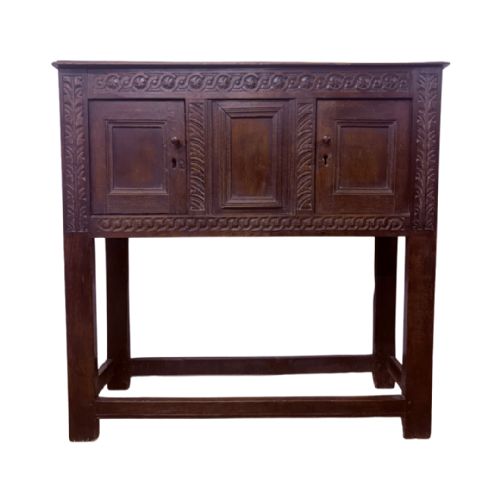
A cabinet on stand is a two-part furniture form comprising an enclosed storage box resting upon an elevated support base or table frame. This configuration lifted valuable decorative items to eye level while introducing architectural presence to a room.
Such pieces often combined heavily detailed upper doors with open or turned leg structures underneath. They served as primary display furniture in affluent seventeenth-century households.
How were these cabinets used originally?
These cabinets served to store, protect, and display high-value personal possessions, documents, textiles, or curiosities. Specialised forms functioned as portable writing desks or dedicated spice repositories within large estates.
Their secure doors and internal locking drawers kept precious items safe from dust and theft. Over time, their role shifted from utilitarian storage to status display within reception rooms.
How do I care for antique timber?
Maintaining antique timber requires stable environmental conditions away from direct heat sources and extreme humidity fluctuations. Consistent indoor temperatures prevent the wood and delicate veneer work from warping or cracking.
Applying occasional appropriate wax polish helps nourish the surface and preserve the historic patina. Avoid commercial liquid cleaners that can strip original finishes.
How can I tell period pieces apart?
Distinguishing period pieces involves examining construction methods, tool marks, timber shrinkage, and material compatibility across the entire object. Seventeenth-century construction typically reveals hand-sawn boards, pegged joints, and wrought iron or brass fixings consistent with early workshop practices.
Stylistic markers such as Jacobean geometric mouldings, William and Mary marquetry, or Baroque tortoiseshell inlay help assign specific decades and regional origins. Comparing secondary woods inside drawer linings also assists in verifying geographic provenance.