
A 2026 Guide by Sellingantiques
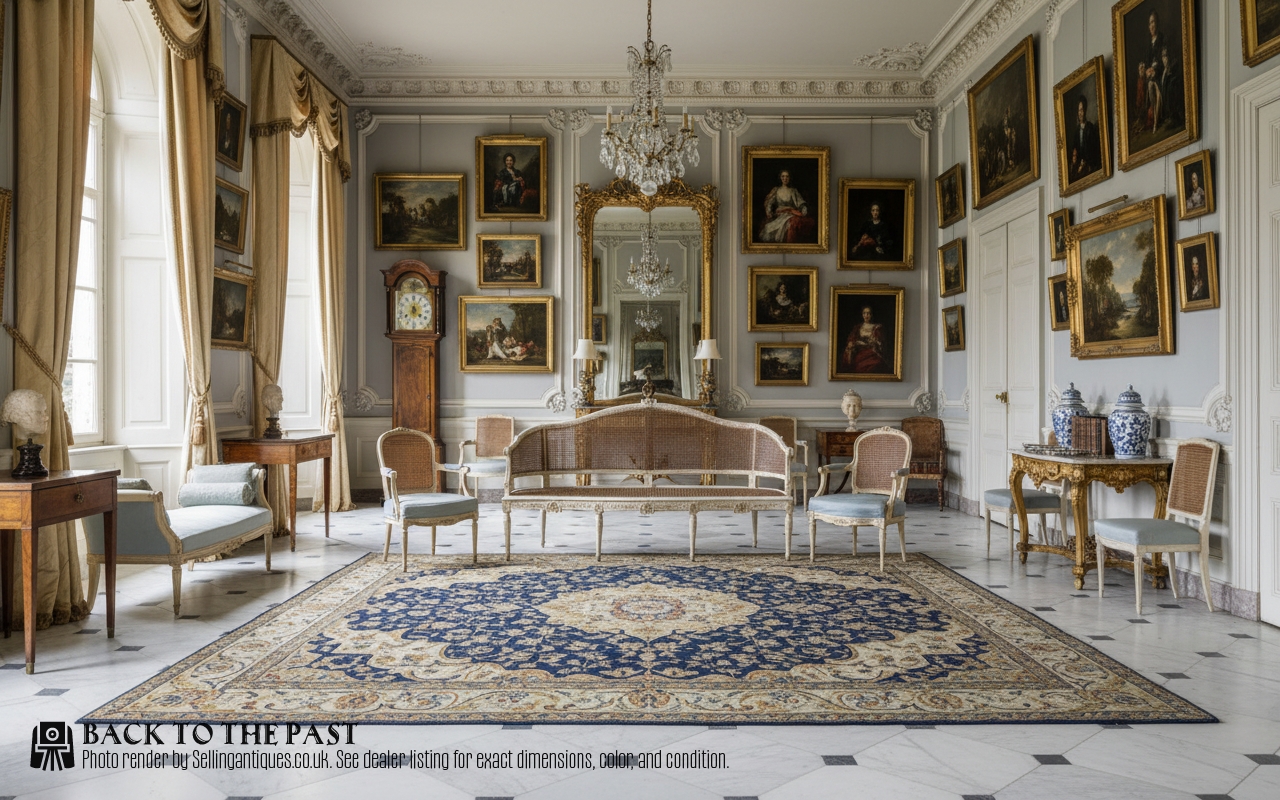
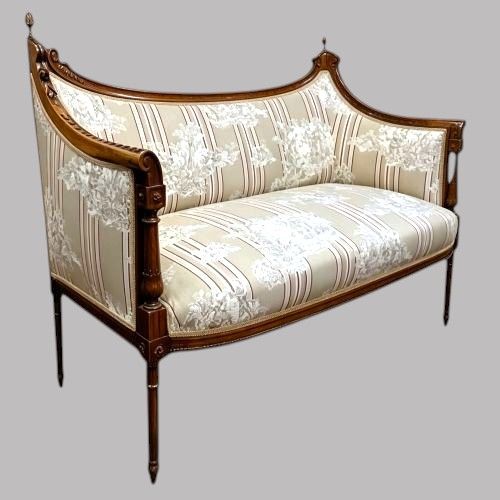
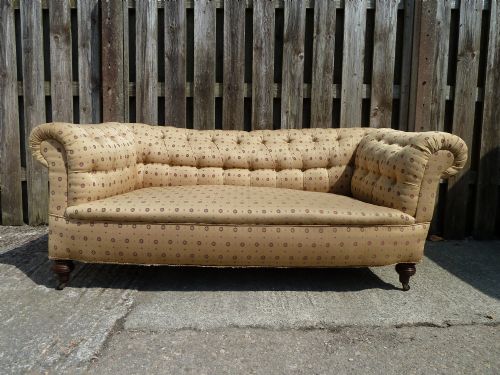
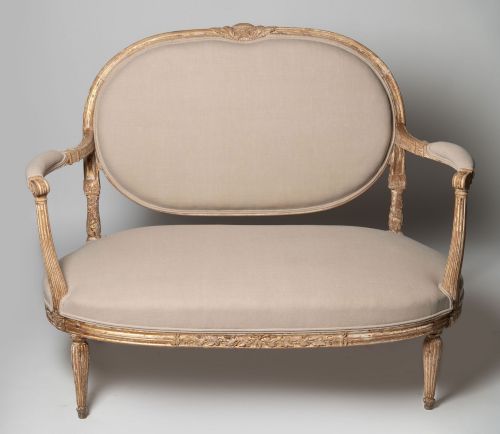
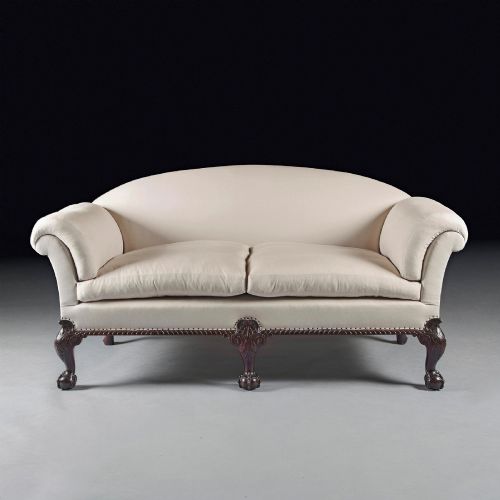
Swedish Gustavian 18th Century Settee, 18th Century
Priced at £1,400 from Sussex Antiques and Interiors
Early examples evolved from joined oak settles during the late seventeenth century.
Upholstery became standard as comfort grew more important in domestic life.
Georgian cabinetmakers treated the settee as a stretched armchair to match the wider suite.
Look at how the proportions changed over the decades, dropping lower to the floor by the Victorian era.
Antique settees served as the focal point in reception rooms for entertaining guests.
Thomas Chippendale supplied large upholstered settees for his wealthier clients during the mid-eighteenth century.
Ince and Mayhew published intricate designs for them in their Universal System of Household Furniture.
Gillows of Lancaster produced substantial mahogany examples with tight upholstery for country houses.
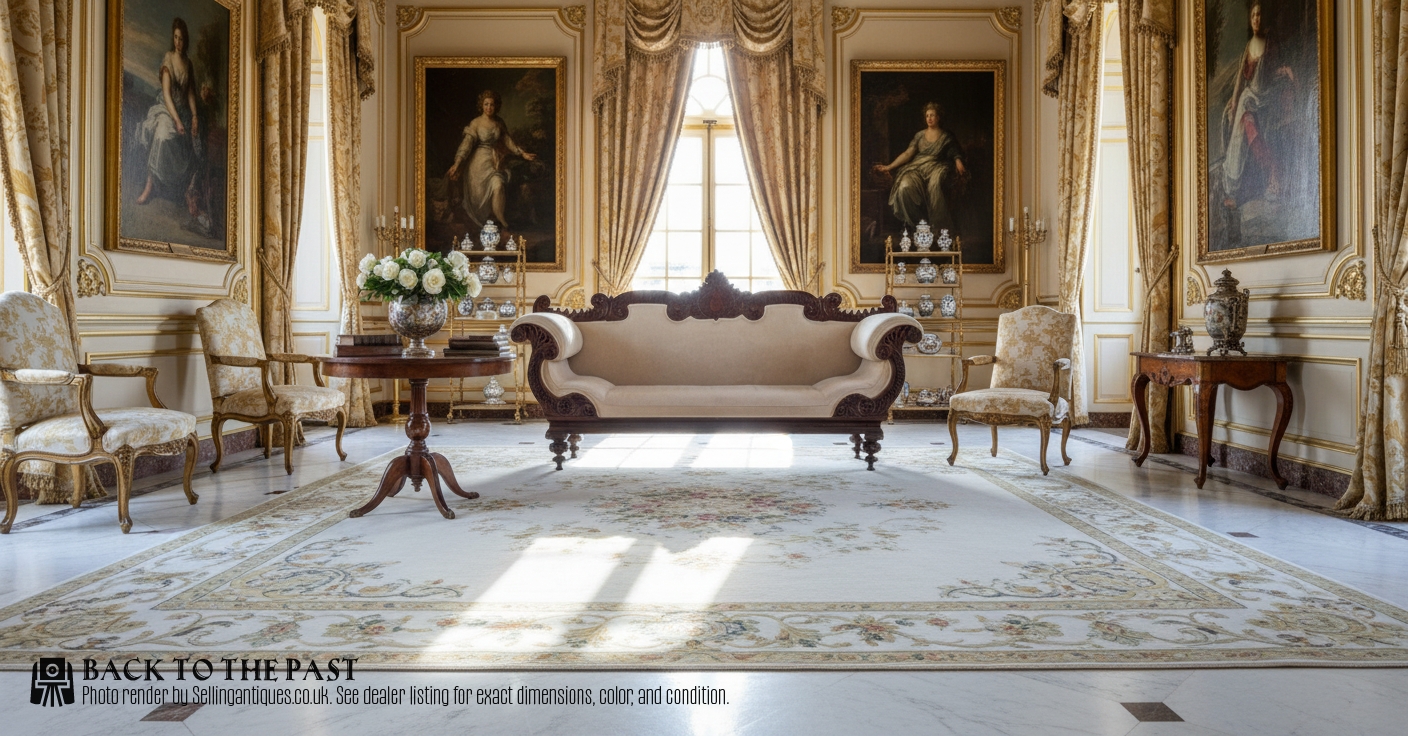
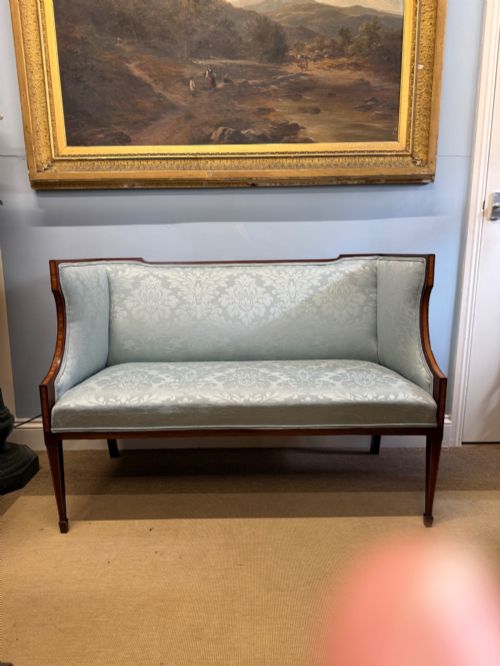
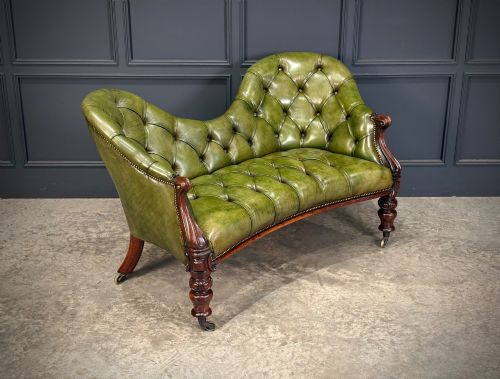
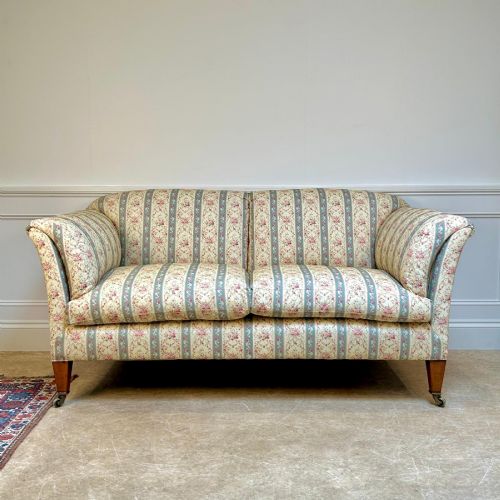
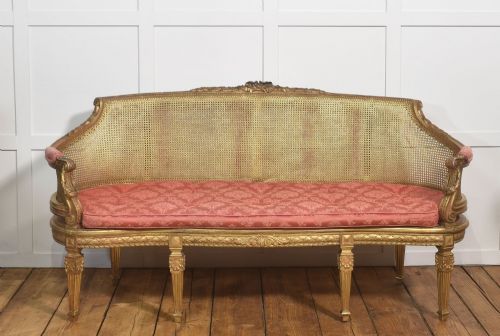
Regency Large Four Seater Settee, Regency
Priced at £2,650 from Harrison Antique Furniture
The 2026 retail price guide for Antique Settees is drawn from a proprietary archive of over 1.1 million retail prices indexed by Sellingantiques since 2003. This guide relies exclusively on their own internal data; no external sources or auction records are used.
Analysing nearly 25 years of UK antique market history alongside current retail values, the data indicates that typical UK retail prices for Antique Settees range between £800 and £3,800. Entry-level prices generally fall under £800 and premium examples upwards of £3,800.
Multiple back splats imitating two or three chairs joined together are common on earlier wooden pieces.
Serpentine fronts and curved top rails often feature on upholstered Georgian examples.
Swept arms terminating in carved scrolls or plain knuckles define the ends of the seat.
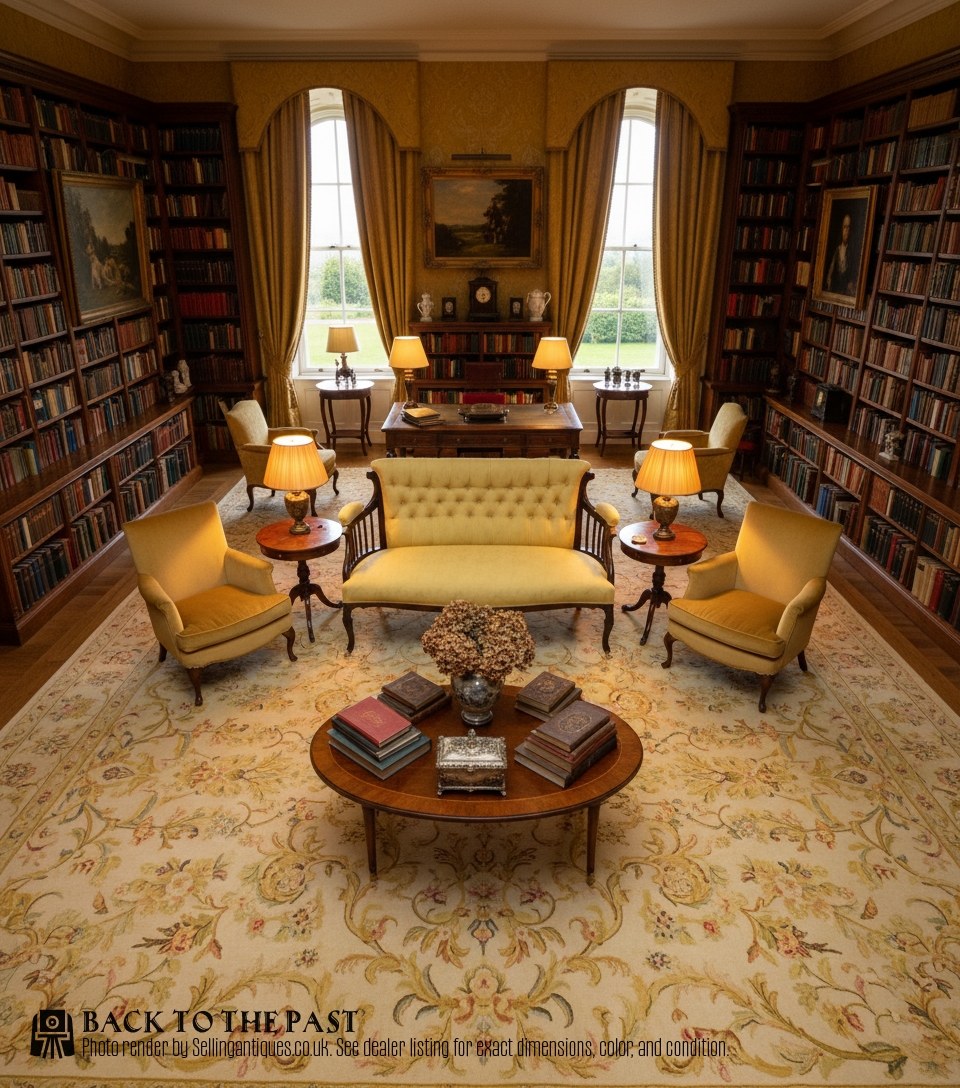
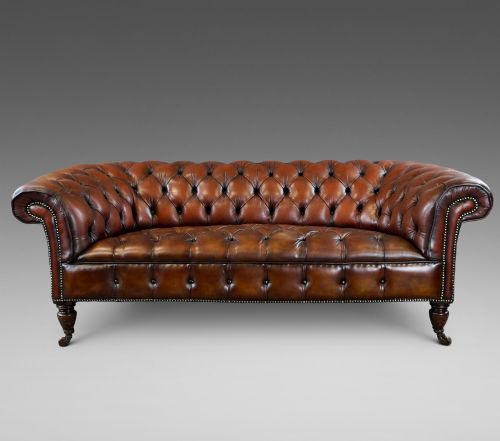
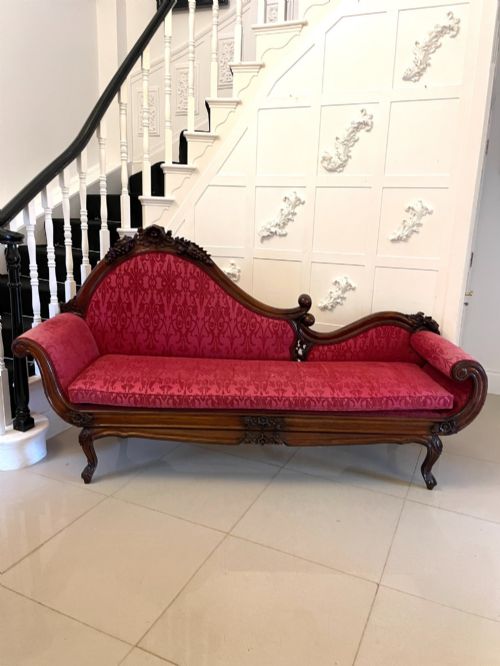
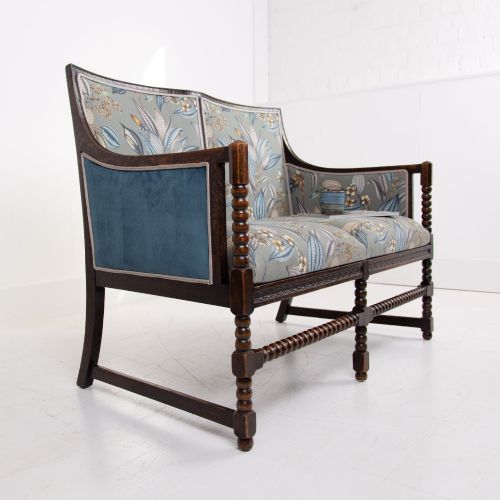
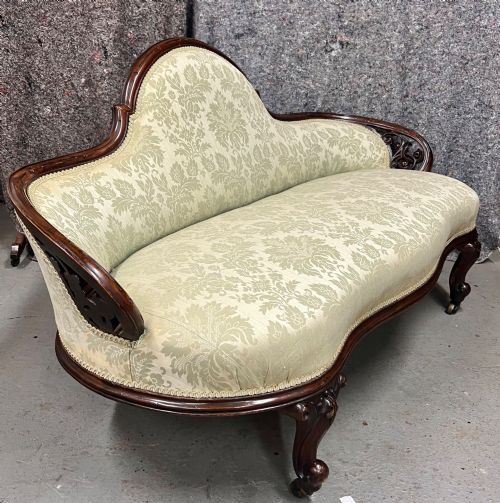
Couch, Settee, Sofa, Victorian, Victorian
Priced at £695 from Brookside Antiques
Mortise and tenon joints hold the main frame together to withstand the weight of multiple sitters.
Craftsmen shaped the curved backs using thick pieces of solid timber cut with a bow saw.
Heavy gauge webbing was tacked tightly across the seat rails before the tying of the springs.
"Many were originally supplied with loose protective covers made of checked linen to shield the expensive silk."
"The angle of the backrest was carefully calculated to support sitters wearing stiff formal clothing."
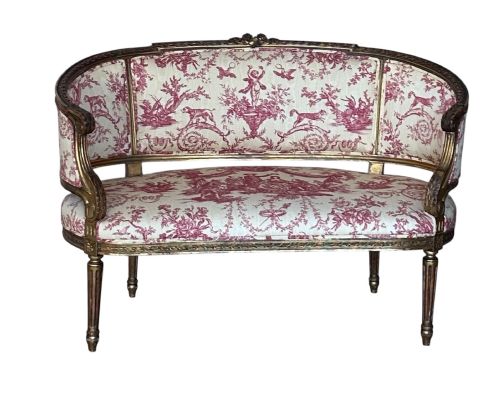
"Some double-chair back examples were carved from a single continuous piece of timber across the top rail."
Based on almost 25 years of Sellingantiques UK antique market data, Antique Settees appeared 3604 times (out of 1,100,000 antiques) which gives it a rarity score of 49/100.
This score measures scarcity within the Sellingantiques archive only and is not a survey of the entire antiques market, so these statistics may not be indicative of the general availability of Antique Settees elsewhere.
Use a soft cloth slightly dampened with water to remove surface dust. Dry it immediately with a second clean cloth.
Apply a clear microcrystalline wax sparingly once or twice a year. Buff it out gently to build up a protective layer over the original finish.
Upholsterers can sometimes drop the bottom canvas and re-tie the springs from underneath. This method leaves the top fabric undisturbed while restoring tension to the seat.
It depends on how the original webbing was attached to the rails. If the damage extends to the upper horsehair layers, the top cover will usually have to come off.
It refers to a specific shape where the top rail rises into a distinct curve in the centre.
The design often features smaller curves over the arms, resembling a camel.
Traditional upholstery uses wide strips of jute webbing tacked directly to the beech carcase. These strips are woven together in a tight grid to create a firm foundation.
You might also see heavy linen twine holding copper-coated steel springs in place. None of these materials resemble the synthetic bands found in factory seating.
Please note: This Antique Settees guide and its associated pricing data are provided for general informational purposes only. It does not constitute formal financial, investment, or appraisal advice and should not be relied upon as the sole basis for any commercial activity, purchasing, or sales decisions. Sellingantiques.co.uk accepts no liability for any actions taken in reliance on this information. Always consult with a qualified professional or independent appraiser.
