






Art Deco Sculptures
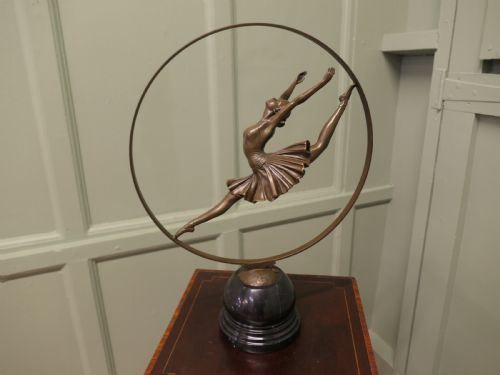
Free-standing figurative sculpture of the 1920s and 30s, cast or carved as a decorative object for the home rather than for a public square.
Art Deco Sculptures
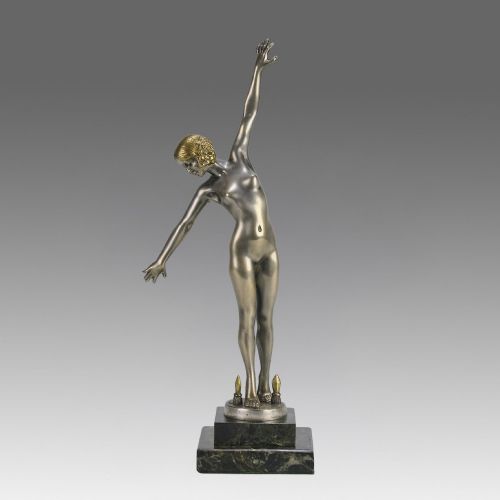
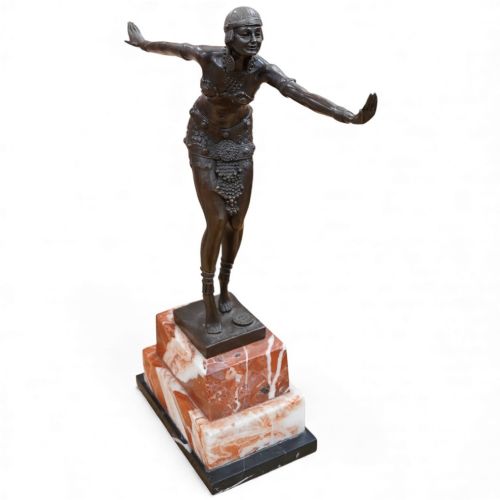
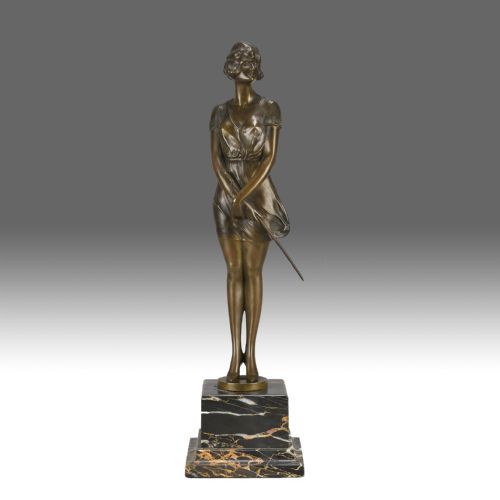
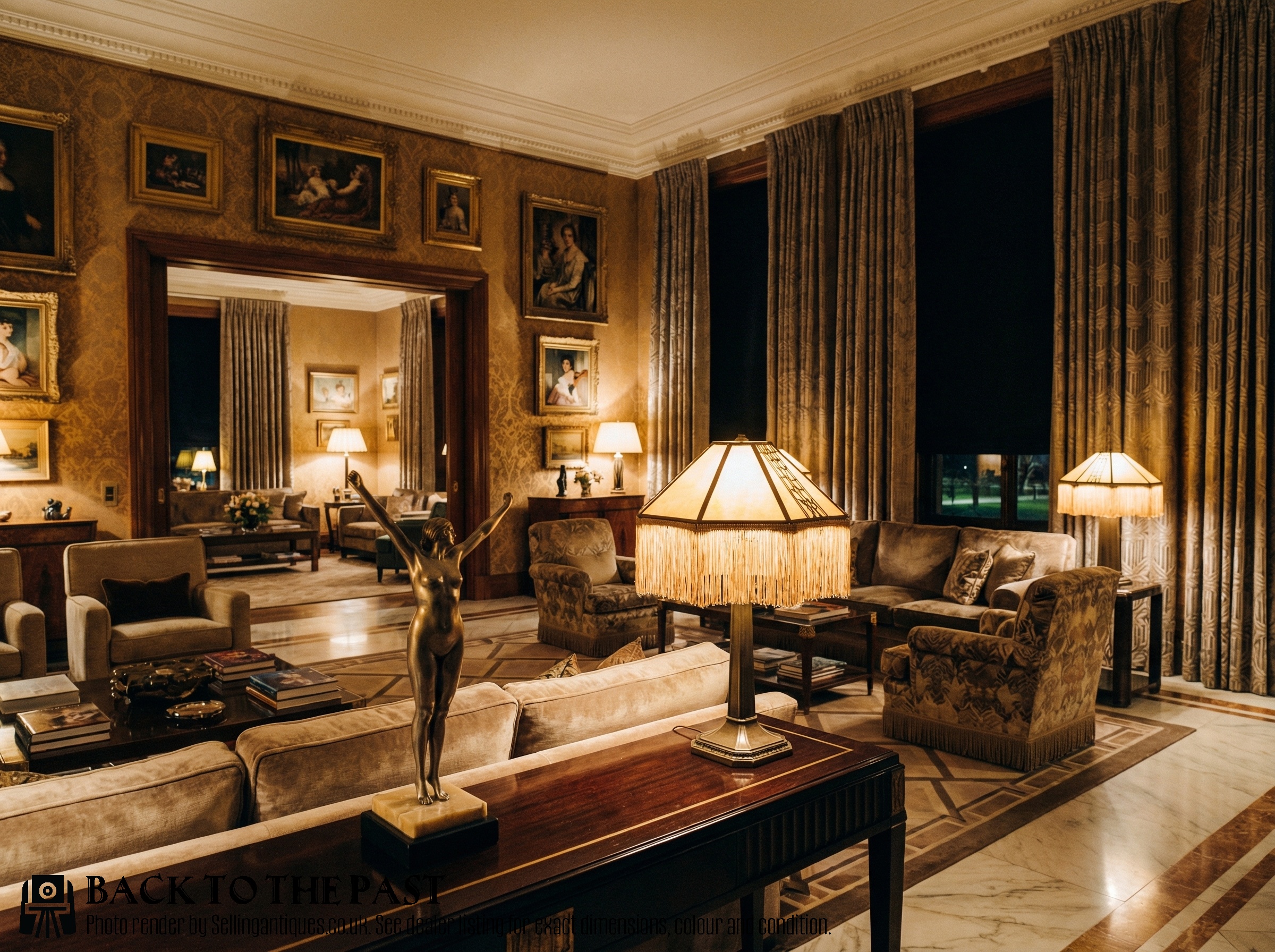
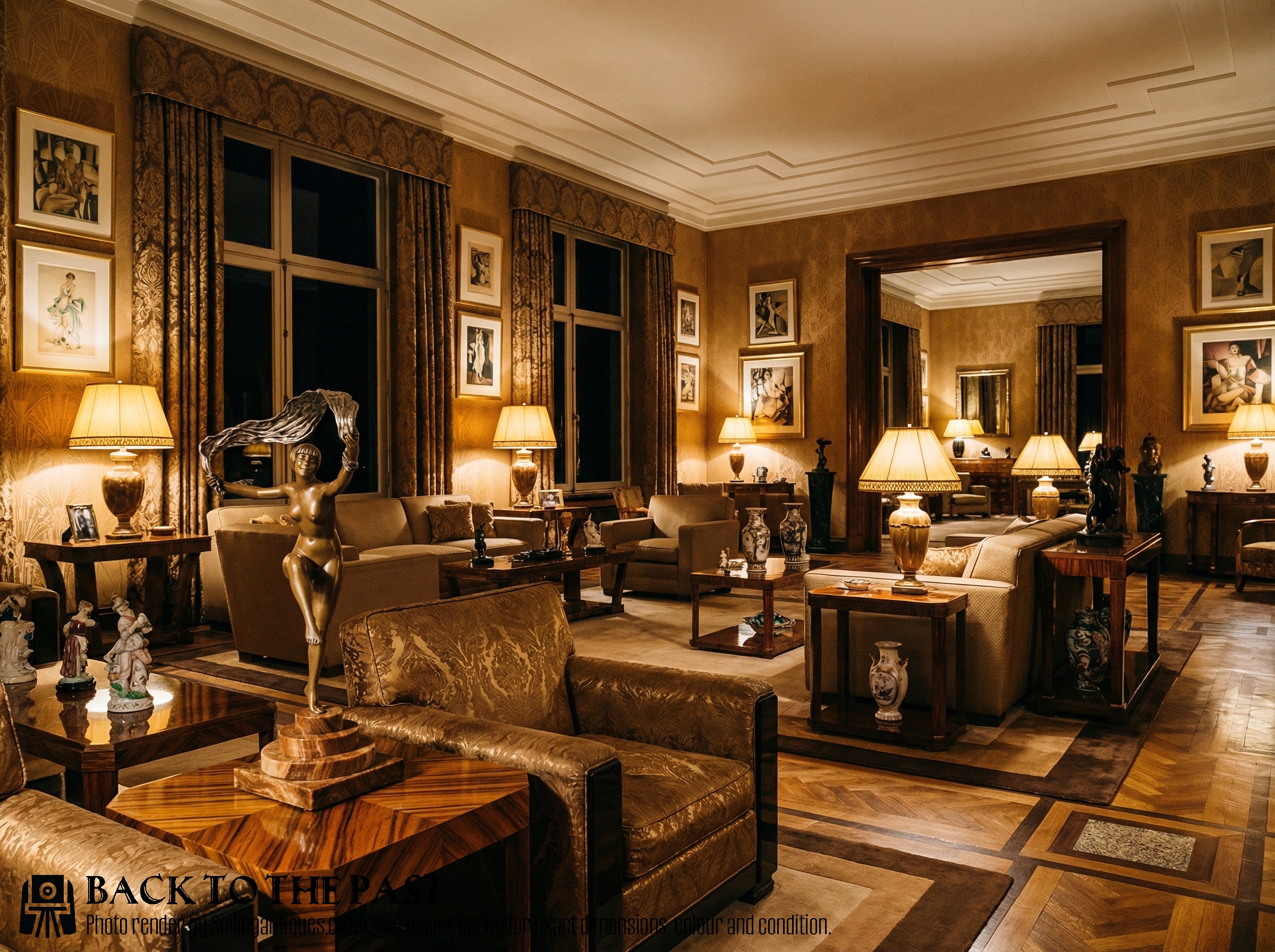
The version you'll meet most often is a cast metal figure of a woman, frequently a dancer, standing on a stone plinth and dated around 1930. Bronze is named in 234 titles and spelter in 45, and 'French' appears in 156. Marble and onyx bases run through the whole category, with Portoro and Verde Genova named where dealers specify the stone.
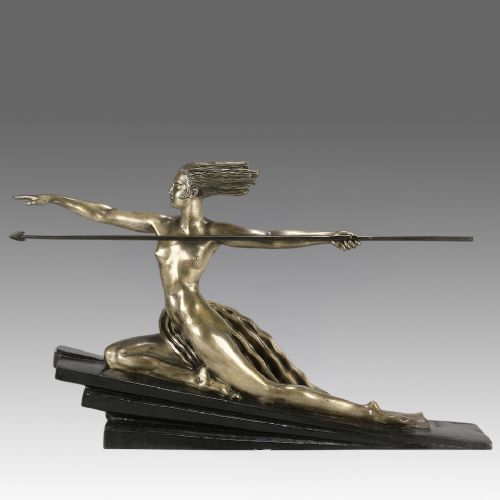
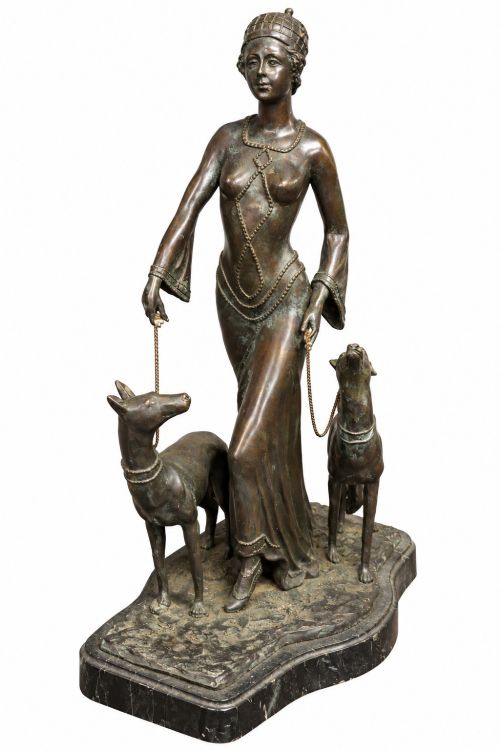
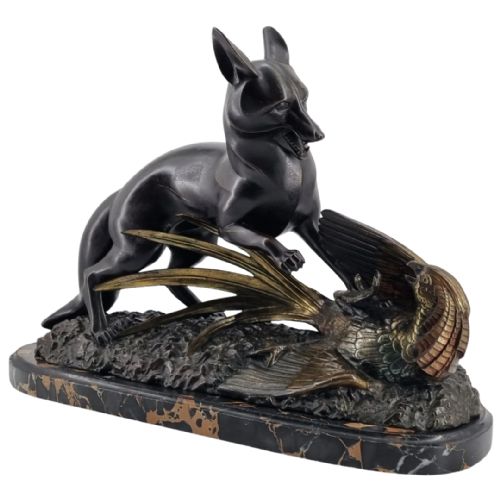
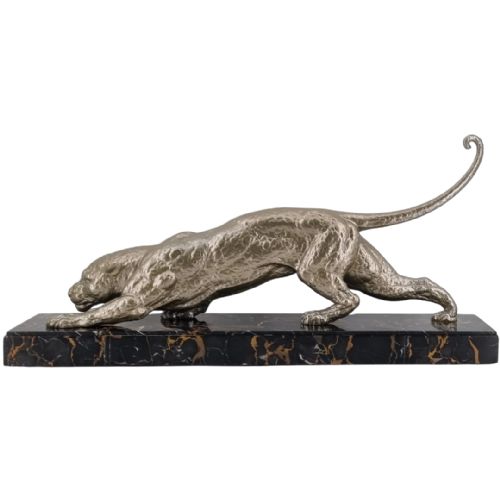
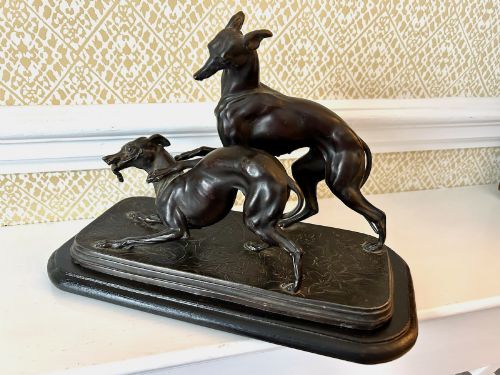
The human figure dominates. Titles read figure, dancer, female, nude, girl, lady and bust, and the stylised body was the subject the period returned to. Behind that sits a run of animal work, led by the panther in 39 titles, crouching, prowling or cubist, with dogs, stags, birds, greyhounds and borzois following. Diana the Huntress is the most repeated named subject, in 15 titles, usually with hounds or a bow.
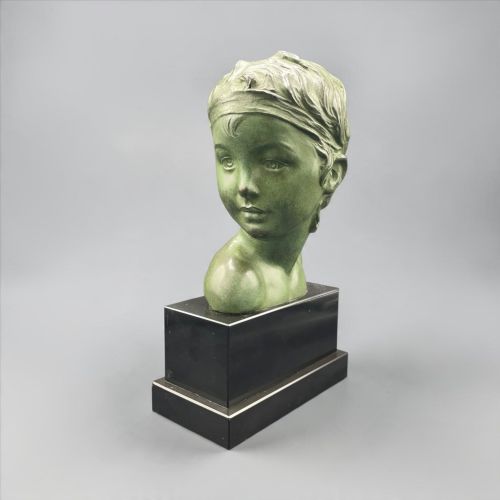
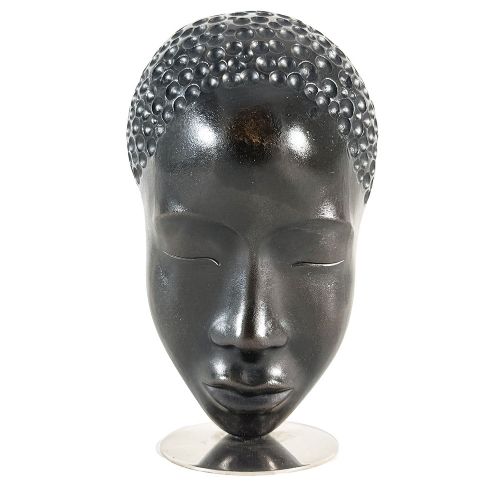
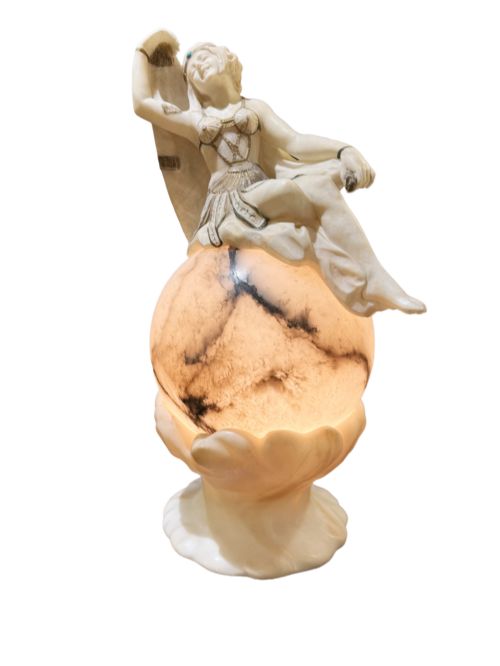
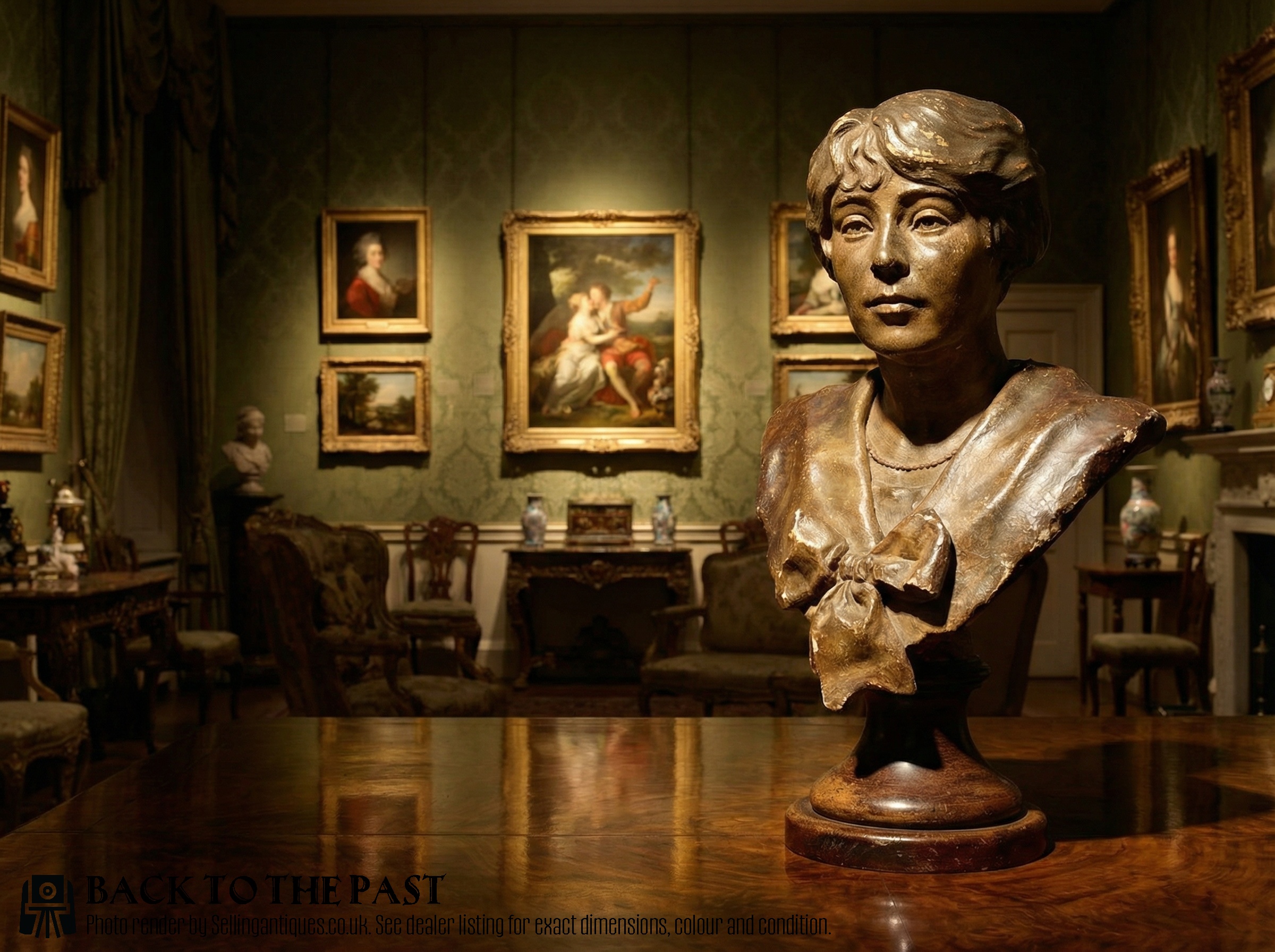
Beyond cast metal the archive carries carved and modelled pieces: marble, alabaster, terracotta, plaster and carved wood, with busts and heads in all of them. Spelter-and-ivorine models, faces and hands in an ivory substitute, form a recurring group of their own, and a few bronze-and-ivory chryselephantine figures sit at the top.
Dating is a two-decade affair. Of 511 listings with a clean year, 319 fall in the 1930s and 176 in the 1920s. Titles themselves prefer c1930 or c.1920-30, so a single year in a listing field is best read as a decade. Around 56 pieces reach the market on Sellingantiques in a typical year, spread across 72 different dealers.
What Sets Them Apart
Authorship does the heavy lifting. Signed and named casts, with Lorenzl in 41 titles and Chiparus in 22, cluster in the upper half, while a piece catalogued only as 'Art Deco Sculpture', or as 'in the style of' a known hand, sits well below. The wording matters: 'after' and 'in the style of' say the cast follows a model rather than carrying a name outright.
Material sorts the rest. Bronze runs through the top of the range; spelter, plaster and terracotta gather lower down, even when the modelling is the same idea. Ivory content pushes furthest of all, and the handful of chryselephantine and bronze-and-ivory titles sit at the extreme upper end. Spelter with ivorine faces and hands lands mid-range.
Then scale and finish. 'Large' or 'huge' qualifies 43 titles, and the stated heights, 63cm, 70cm, 79cm, belong almost entirely to higher-priced entries. Silvered, gilded, patinated and cold-painted surfaces recur on the better pieces, as do the specified stone plinths in marble, onyx or Portoro.
Art Deco Sculptures Retail Price Guide 2026
Typical UK retail prices for art deco sculptures, calculated from the Sellingantiques database of over a million retail prices indexed since 2003. This retail price guide relies exclusively on Sellingantiques data; no external sources or auction records are used, so the figures do not describe the wider market.
Diana the Huntress is the most repeated named subject in this category on Sellingantiques, usually shown with hounds, a stag or a bow.
Demetre Chiparus·Josef Lorenzl·Uriano·Bruno Zach·Claire Colinet
The Art Deco Sculptures Glossary
- Spelter
- Zinc alloy used for cast figures, named in 45 titles. It was commonly finished to imitate bronze, and it sits lower in the range than bronze does.
- Cold painted
- Colour applied to the cast surface rather than fired on. 'Cold painted' appears in 21 titles, usually on figures and animal models.
- Ivorine
- An ivory substitute used for faces and hands, turning up again and again in 'spelter and Ivorine sculpture set on a marble base' listings.
- Chryselephantine
- A figure combining metal with ivory. Only a couple of titles use the word, and both sit at the top of the range.
- Animalier
- Animal sculpture. In this category the word attaches to panthers and big cats above all, and to dog groups.
- Entitled
- A model sold under a given name, such as 'Little Sad One'. Sixteen titles carry one, and the habit is commoner in current stock than in what has sold.
Art Deco Sculptures: Frequently Asked Questions
What is the difference between bronze and spelter?
Bronze is the copper alloy named in 234 titles, and it dominates the upper half of the category. Spelter is zinc alloy, named in 45, and was often finished to look like bronze.
The two were used for the same subjects in the same years. Spelter models turn up mounted on the same marble and onyx bases, and frequently pair with ivorine faces and hands.
Why are so many of these French?
French appears in 156 titles, more than any other origin by a wide margin. The interwar trade in cast figures for the home was centred there, and the signed dancer on a stone plinth is the form that came out of it.
Other origins are single sightings. Japanese, Spanish, American and Indonesian pieces each appear once or twice across the whole archive.
Which animals turn up most?
The panther, without much competition. It's named in 39 titles, more often than any dog, bird or horse, and appears crouching, prowling, strolling and cubist.
It was made in bronze, spelter, terracotta and carved wood. Dogs follow, with greyhounds and borzois recurring, then stags, birds, elephants and tigers.
Are the marble bases original to the figures?
Mounting on a coloured stone plinth was how these were sold when new. Thirty-six titles mention a base and 27 specify marble.
The stone is often named in the description: marble, onyx, Portoro or Verde Genova. Bases are enough of a feature in this category that dealers describe them alongside the figure.
How big do Art Deco sculptures get?
Most are domestic in scale, made to stand on a mantel or table. Forty-three titles carry 'large' or 'huge'.
Where dealers quote heights, the figures run up through 46cm, 48cm and 63cm. The tallest recorded are a bronze warrior at 79cm and a bronze Diana with greyhounds at 70cm.
What does 'in the style of' mean on a listing?
It means the cast follows a known model rather than being given to a named hand. 'After' is used the same way.
Titles worded like that sit lower in the range than signed work. Named and signed casts by the recorded sculptors gather in the upper half.