


A 2026 Guide by Sellingantiques
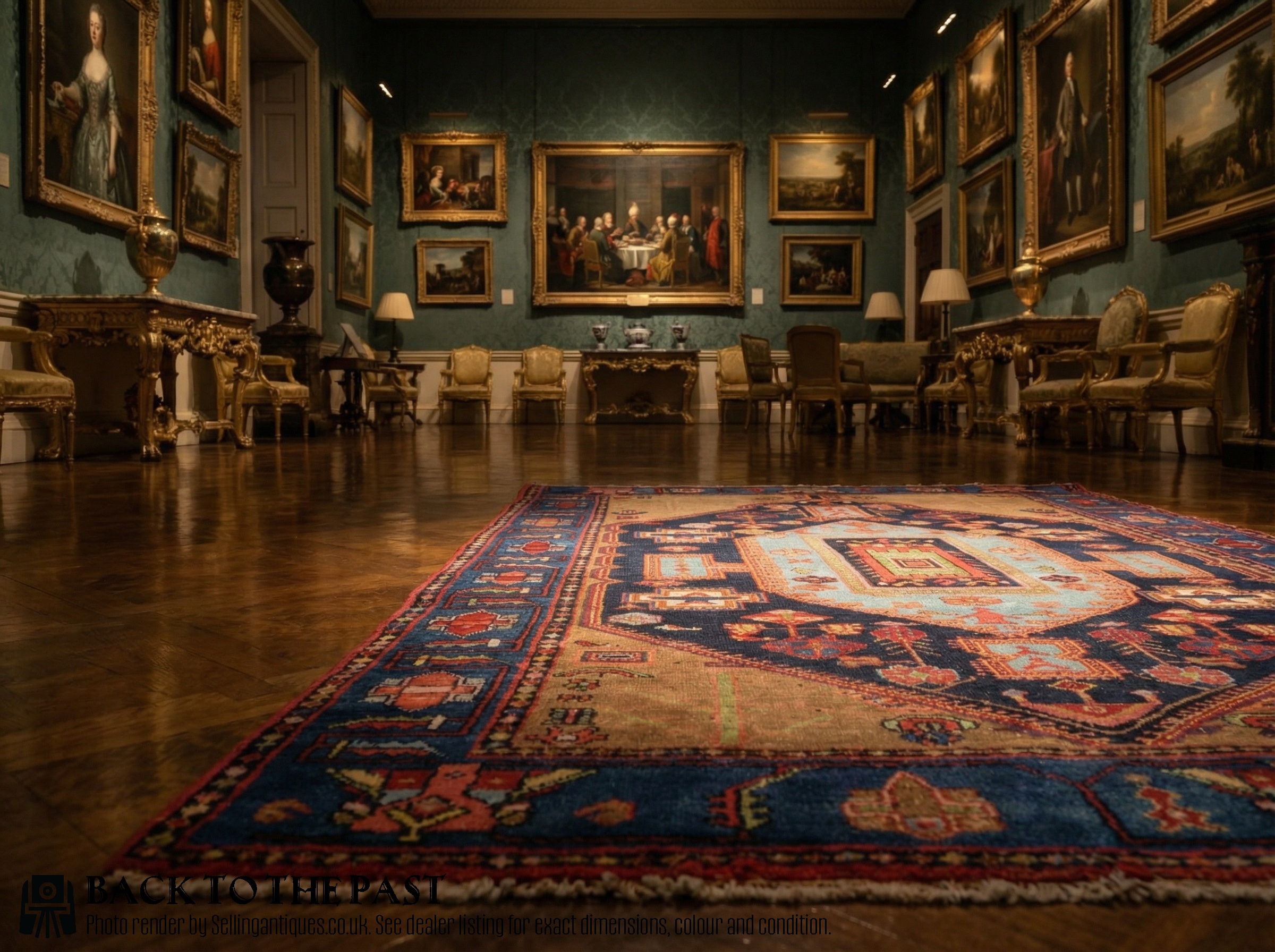
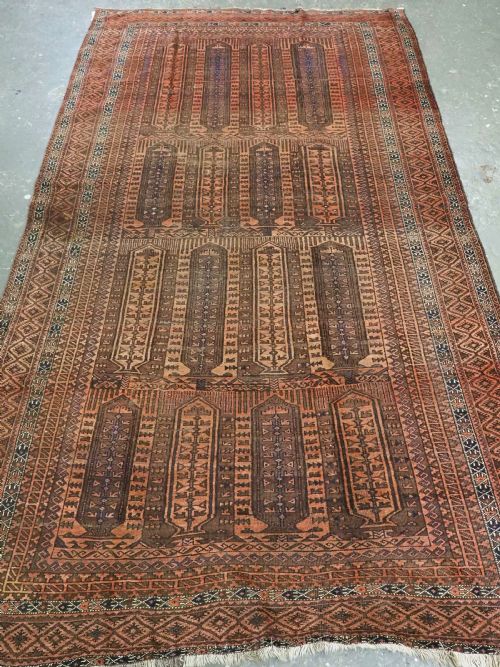
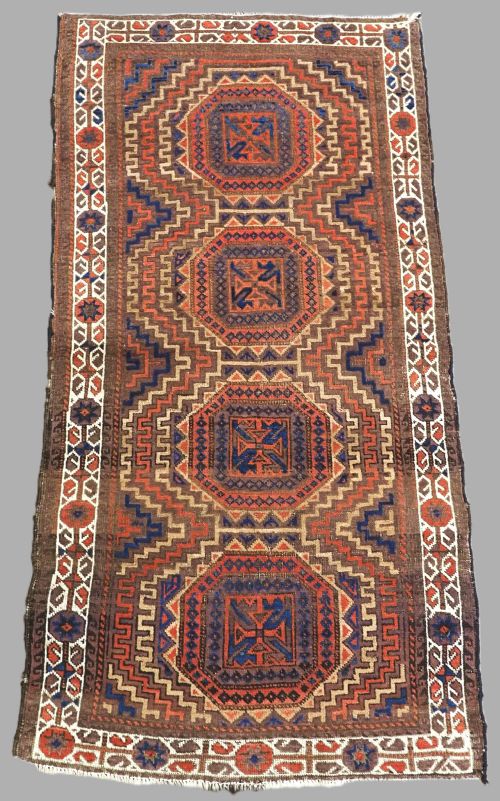
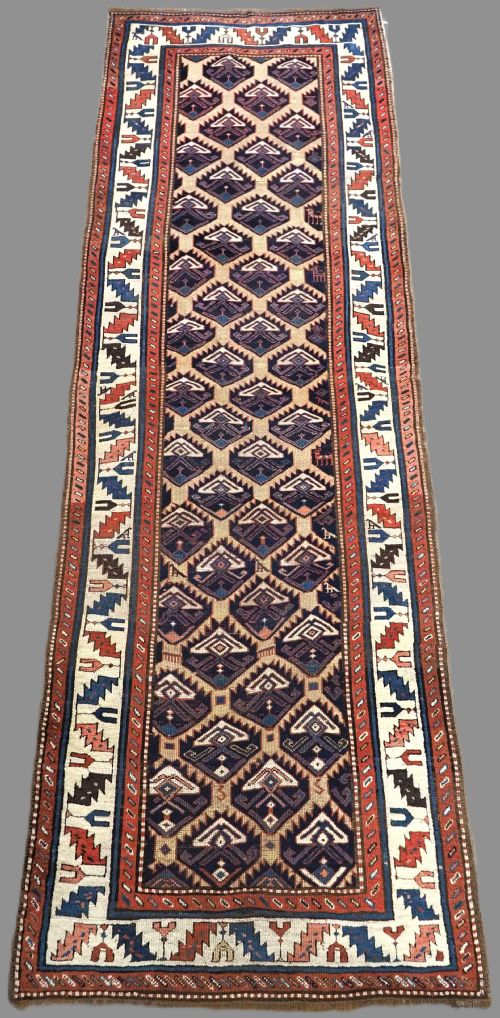
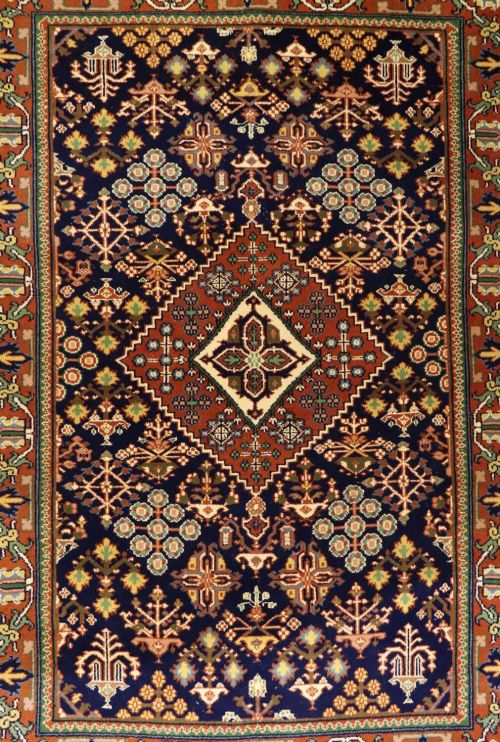
Antique Hamadan Kurdistan Rug. 193cm X 135cm., 1920
Priced at £325 from Country House and Eastern Interiors
Nomadic tribes first wove these to survive harsh winters in the mountains.
Trade routes carried antique Persian rugs into European aristocratic homes during the Safavid dynasty.
Urban workshops expanded production rapidly late in the nineteenth century. The Western market demanded large room sizes.
Check the local geography. Village carpets often reflect the harsh isolation of their origins with bold geometric motifs.
Haji Jalili operated a prominent Tabriz workshop late in the nineteenth century. Known for subdued palettes and tight weaves.
Master weavers signed their best work in the outer border. Mohtasham is a famous Kashan name associated with tight nineteenth-century silk pieces.
Village output remains anonymous. Entire families contributed to a single loom over several months without leaving a maker's mark.
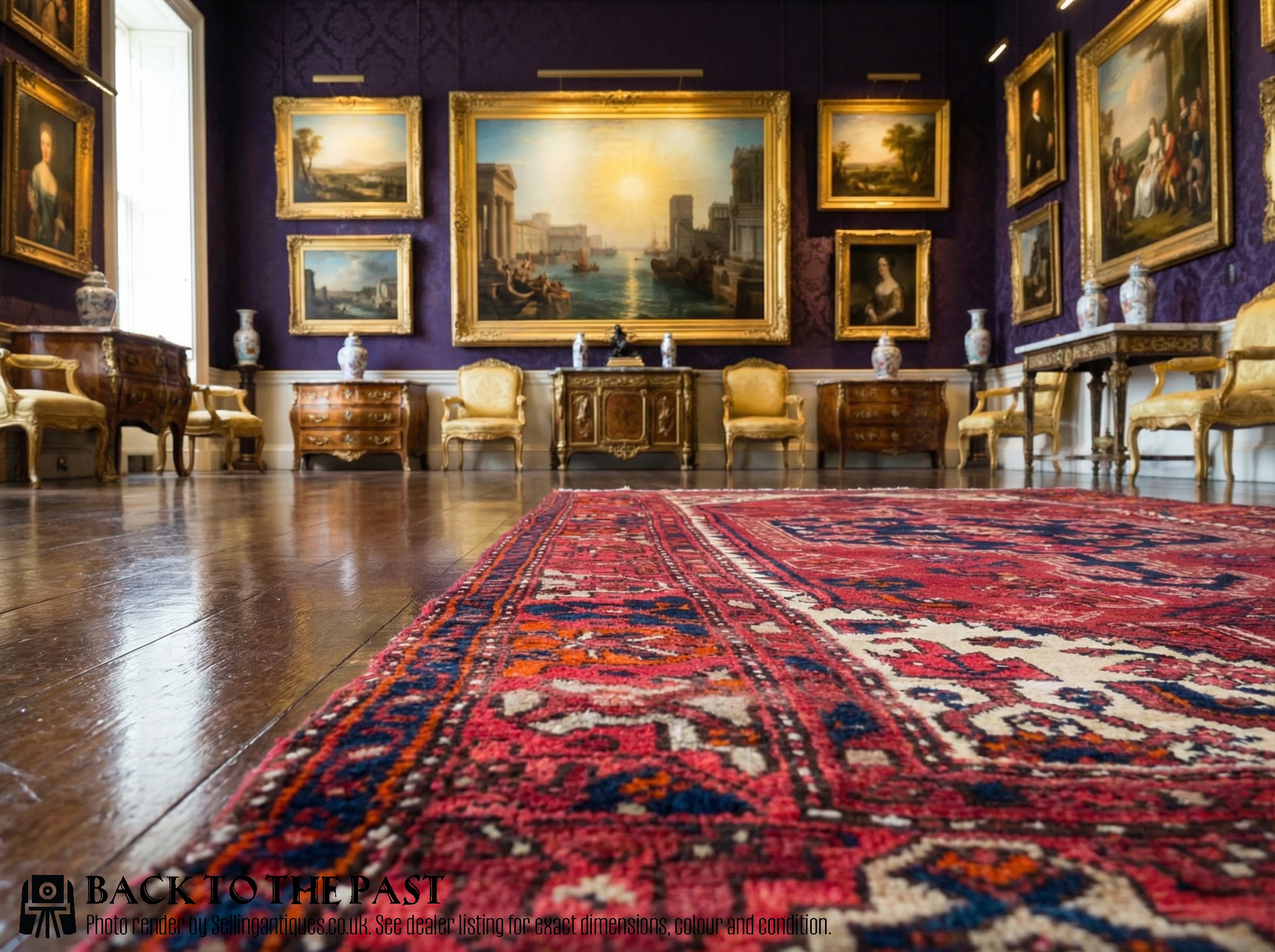
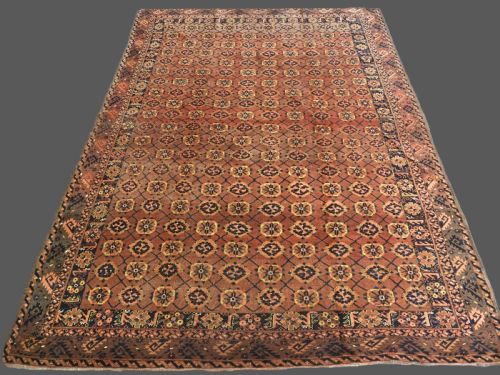
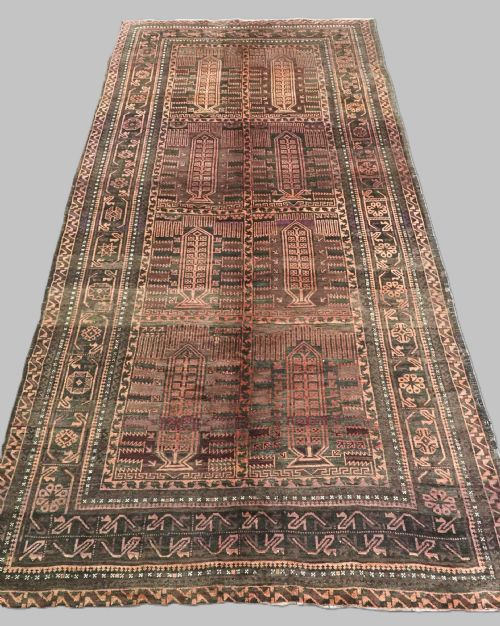
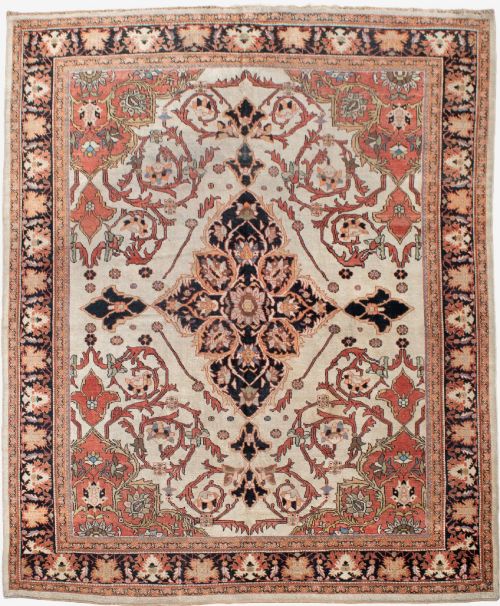
Malayer Rug. 212cm X 132cm., 1930
Priced at £325 from Country House and Eastern Interiors
The 2026 retail price guide for Antique Persian Rugs is drawn from a proprietary archive of over 1.1 million retail prices indexed by Sellingantiques since 2003. This guide relies exclusively on their own internal data; no external sources or auction records are used.
Analysing nearly 25 years of UK antique market history alongside current retail values, the data indicates that typical UK retail prices for Antique Persian Rugs range between £600 and £7,500. Entry-level prices generally fall under £600 and premium examples upwards of £7,500.
Medallion layouts anchor the centre of many classic urban designs, flanked by matching corner pieces.
Tribal examples frequently lack symmetry. The weavers worked from memory rather than following drawn patterns.
Examine the borders. Most feature a wide main band framed by narrower guard stripes. They're designed to frame the field.
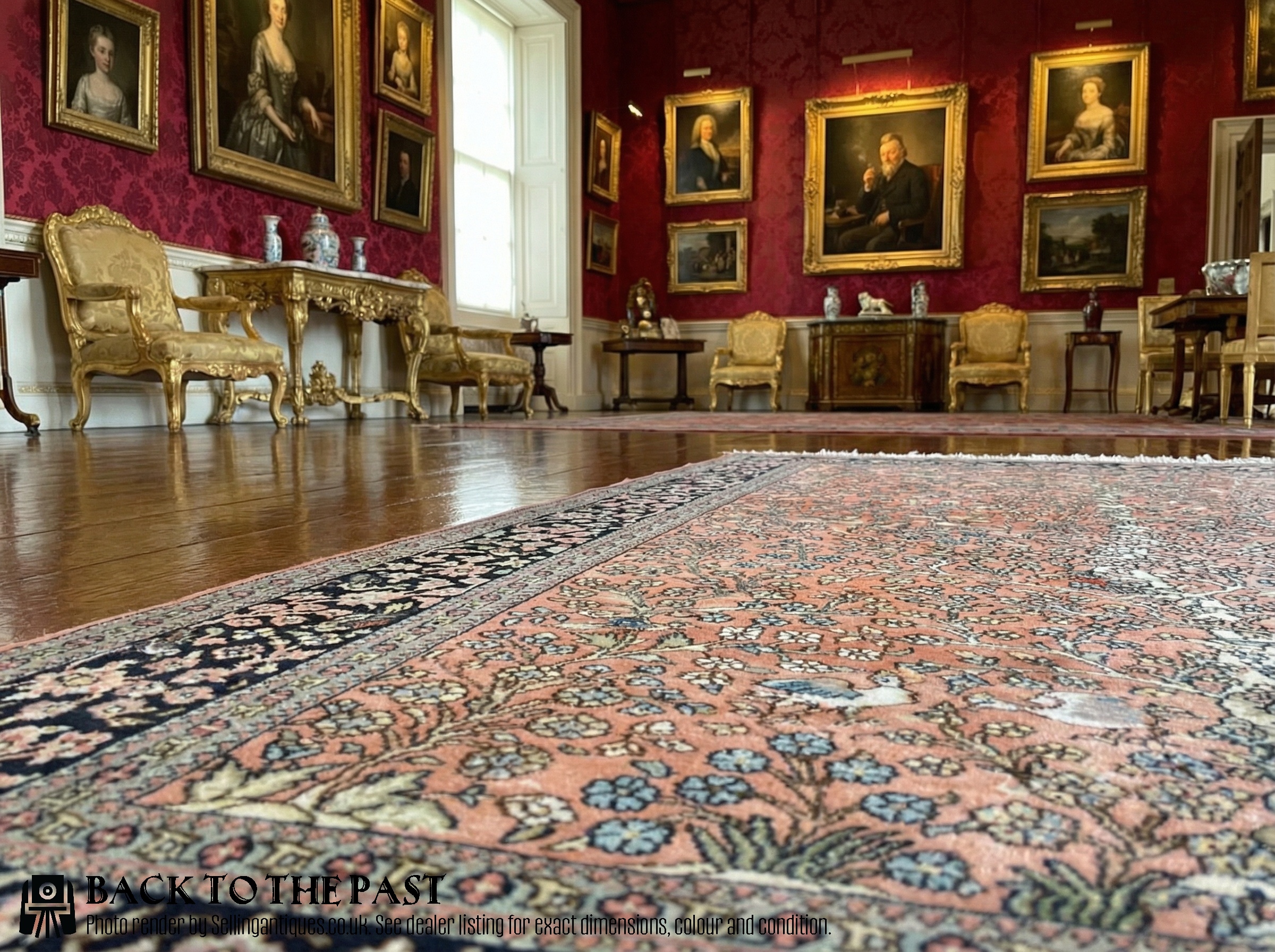
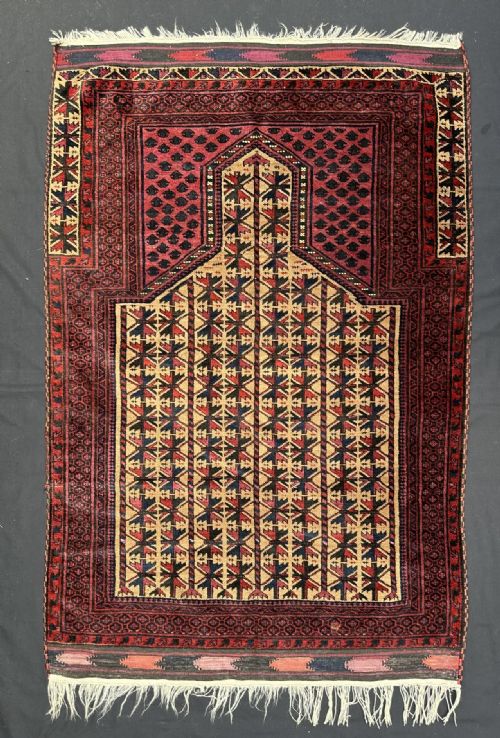
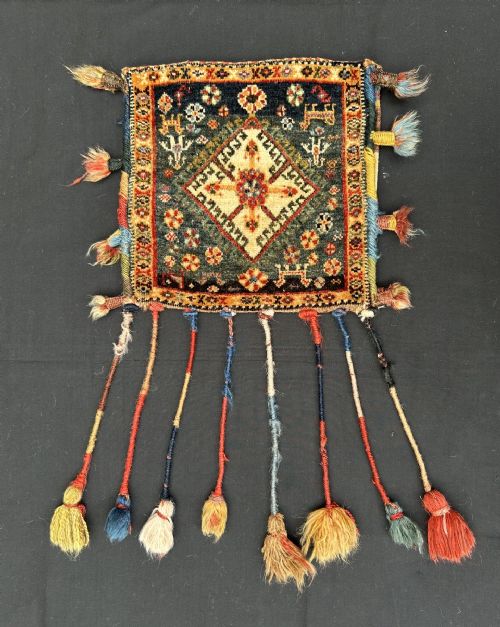
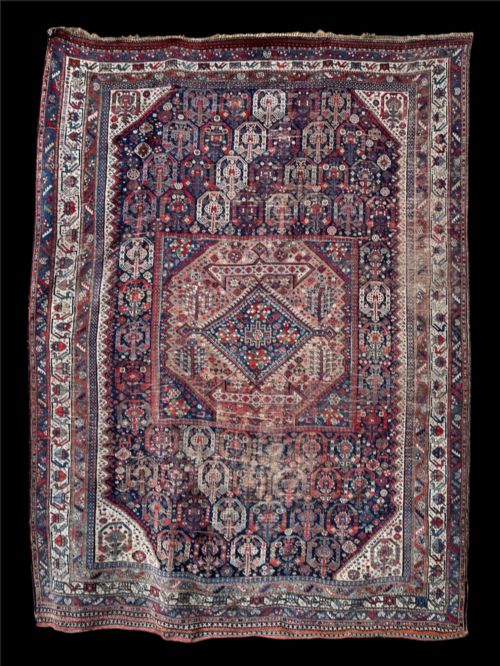
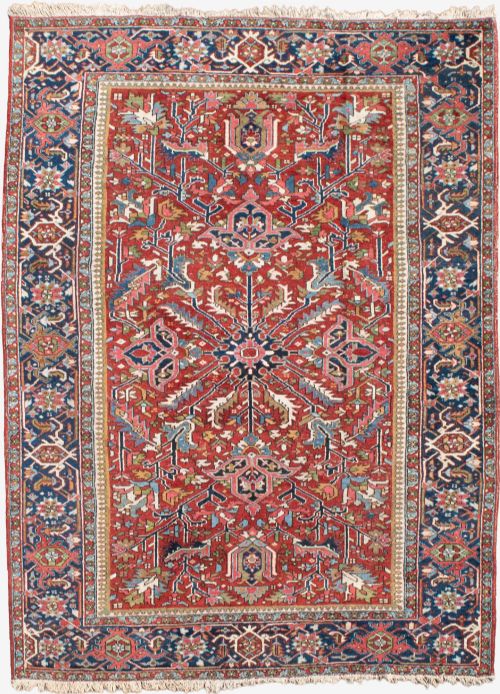
Persian Rug, 1920
Priced at £995 from Midwinter Antiques
Symmetrical Turkish knots loop around two adjacent warp threads. Common in the northwestern weaving centres.
Asymmetrical Persian knots leave one side open. This method allows weavers to pack more knots per square inch.
Nomads used horizontal looms pegged into the dirt. They could roll these up quickly when the camp needed to move.
"Abrash refers to the natural horizontal colour shifts in the pile. This occurs when weavers use different batches of hand-spun wool."
"Date inscriptions sometimes appear woven into the corner. They use the Islamic lunar calendar."
"Woven elements sometimes break into the border. The weaver decided to let a floral vine wander outside its designated lane."
Based on almost 25 years of Sellingantiques UK antique market data, Antique Persian Rugs appeared 4219 times (out of 1,100,000 antiques) which gives it a rarity score of 43/100.
This score measures scarcity within the Sellingantiques archive only and is not a survey of the entire antiques market, so these statistics may not be indicative of the general availability of Antique Persian Rugs elsewhere.
Vacuum them without using a beater bar. Suction alone pulls out the dry grit that slowly cuts the wool fibres near the foundation.
Wash them flat with cold water and mild soap when they get dirty. Avoid dry cleaning chemicals as they strip the natural oils from the wool, leaving the pile brittle.
Fold creases will often relax if you lay the piece flat on a hard floor in a warm room for a few weeks. The foundation threads need time to readjust to being under even tension again.
Stubborn ridges respond to blocking. Restorers pin the edges to a wooden floor and apply light moisture to the back. As the foundation dries, the tension pulls the crease out.
A solid pad stops the textile slipping on polished floors. It also absorbs the downward impact of foot traffic.
The pile crushes against the hard floor without that cushion. Even a thin layer of dense felt underneath extends the life of the knots noticeably.
A normal tailor lacks the heavy needles and specific wool required for this. The side finish is called the selvedge, and it protects the foundation structure from unravelling into the field design.
Rug restorers rebuild this edge by wrapping new wool around the outer warp cords. It is a standard repair that stabilises the sides before further damage occurs to the knots.
Please note: This Antique Persian Rugs guide and its associated pricing data are provided for general informational purposes only. It does not constitute formal financial, investment, or appraisal advice and should not be relied upon as the sole basis for any commercial activity, purchasing, or sales decisions. Sellingantiques.co.uk accepts no liability for any actions taken in reliance on this information. Always consult with a qualified professional or independent appraiser.
