


A 2026 Guide by Sellingantiques
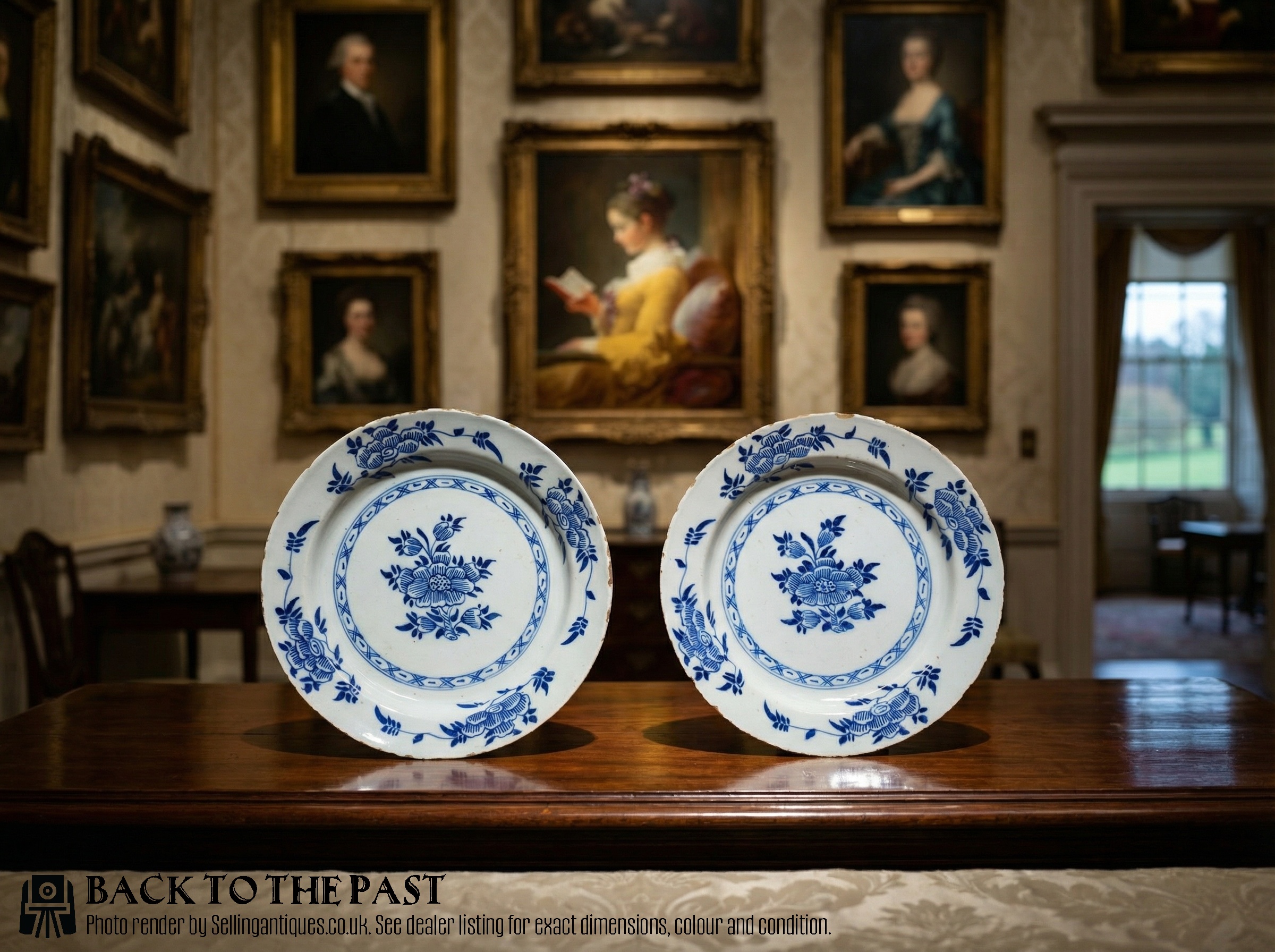
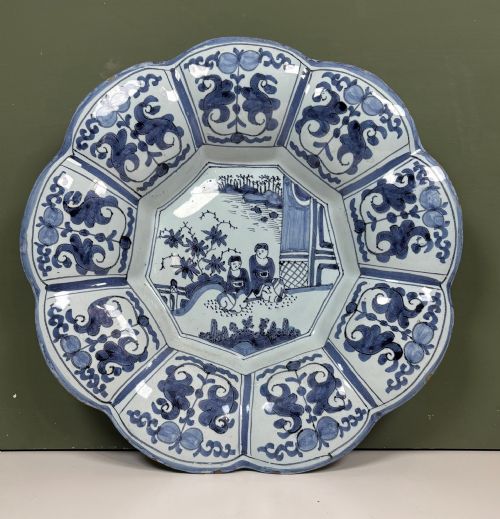
Pair of 18th C Delft Plates, 18th Century
Priced at £150 from Mytton Antiques - Jerrard Nares
Look at the early seventeenth-century examples, which often mimic Ming dynasty porcelain very closely.
Local clays mixed with marl, creating a cheaper alternative to imported wares.
The industry took off in the Dutch city of Delft around 1620.
Demand for antique Delft plates grew steadily across Europe during the seventeenth century, prompting numerous new potteries to open.
De Porceleyne Fles operated from 1653 and marked their wares with a distinctive jar symbol.
English manufacturers in Southwark and Lambeth produced local variations from the mid-seventeenth century onwards.
The Greek A factory supplied large quantities of high-quality pieces to European courts under Adriaen Kocx.
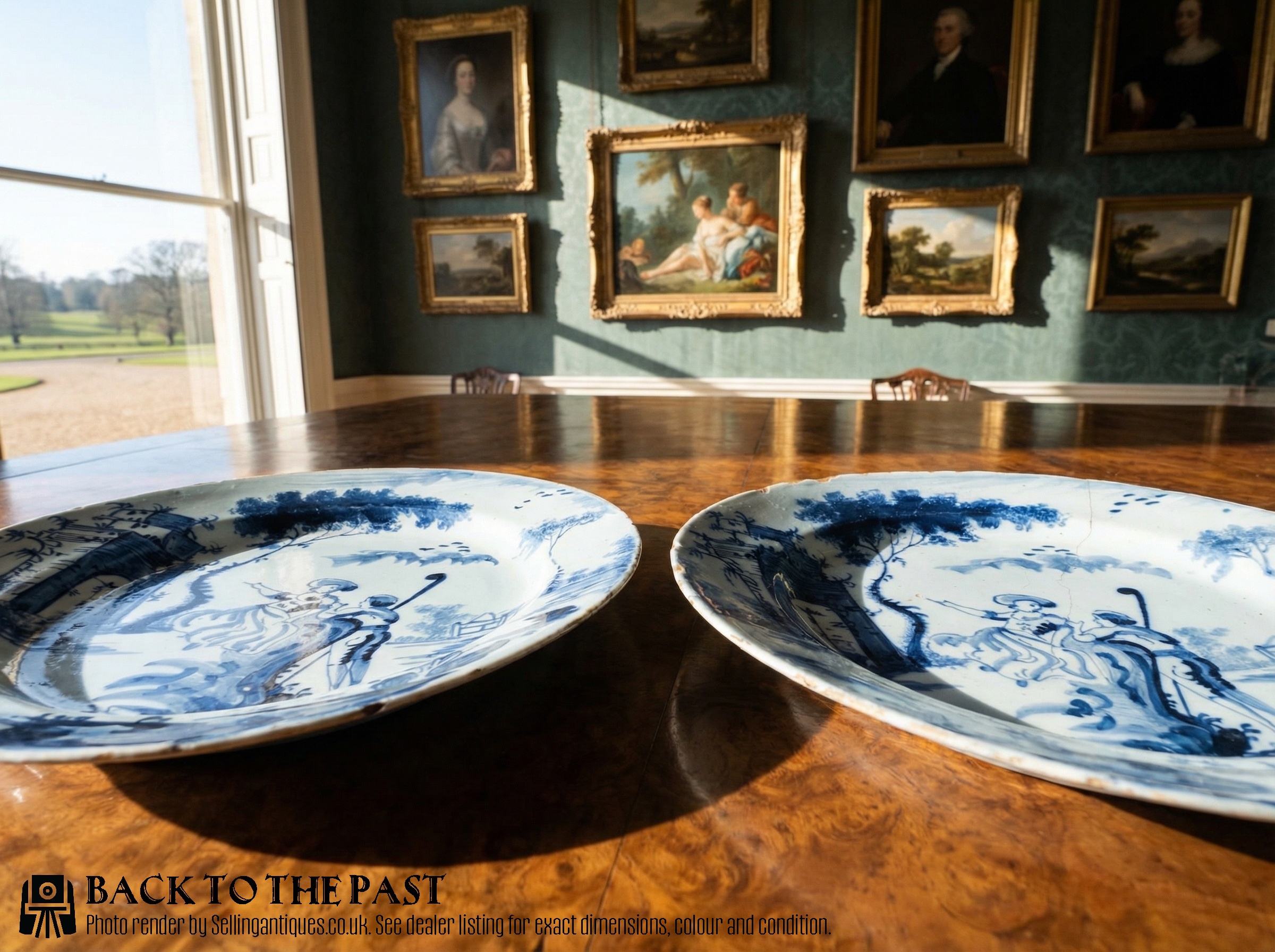
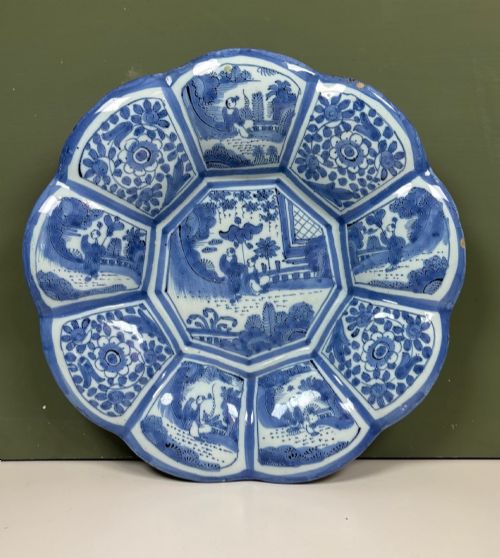
18th Century Pair English Blue and White Delft Plates, 18th Century
Priced at £800 from Treaders Collectables
The 2026 retail price guide for Antique Delft Plates is drawn from a proprietary archive of over 1.1 million retail prices indexed by Sellingantiques since 2003. This guide relies exclusively on their own internal data; no external sources or auction records are used.
Analysing nearly 25 years of UK antique market history alongside current retail values, the data indicates that typical UK retail prices for Antique Delft Plates range between £200 and £600. Entry-level prices generally fall under £200 and premium examples upwards of £600.
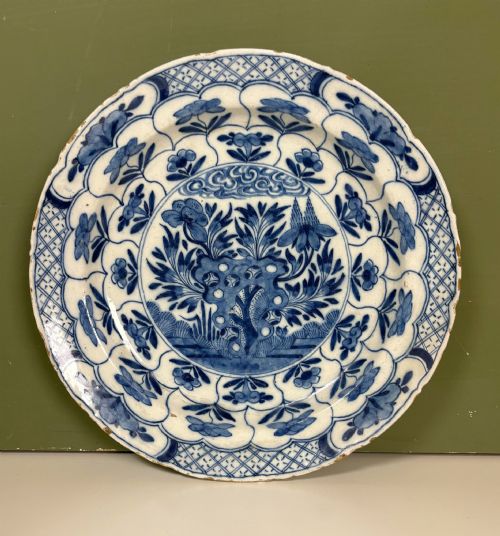
Decoration on these pieces is painted directly onto the porous unfired tin glaze.
Pronounced stilt marks on the front or back, left behind by the stacking process.
Notice the characteristic milky white background, which is thicker and more opaque than standard lead glazes.

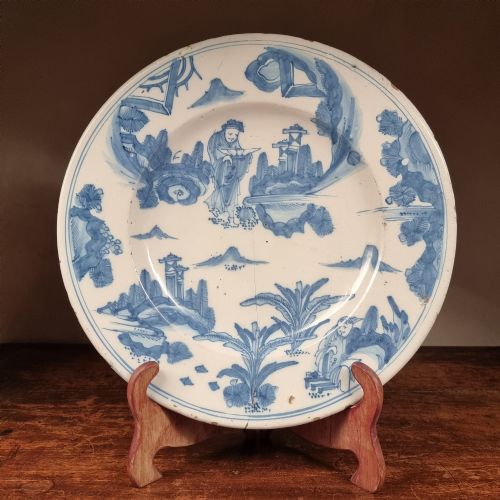
Large, Superb 18thc Dutch Delft 'Grand Feu' Manganese & Polychrome Charger Plate, 18th Century
Priced at £299 from Artsonline
Painters had to work quickly because the porous unfired glaze absorbed the water-based pigments instantly.
Thrown on a wheel or pressed into a mould for standardized shapes and consistent sizes.
Examine the brushwork closely to see where corrections were impossible, requiring highly skilled artisans.
"The tin glaze creates a luminous surface that catches light in a way later industrial ceramics cannot match."
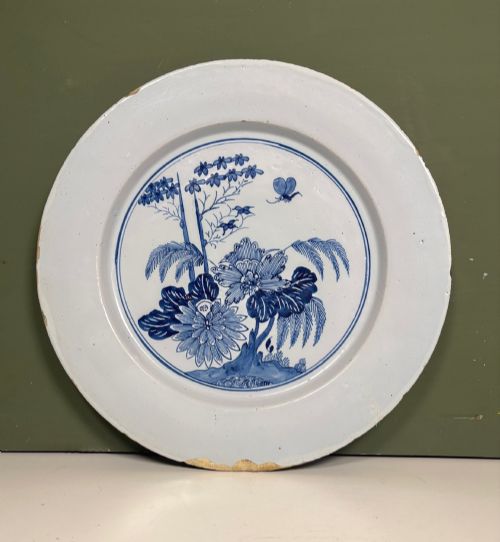
"Designs often blend Chinese motifs with local European flowers in a unique hybrid style on antique Delft plates."
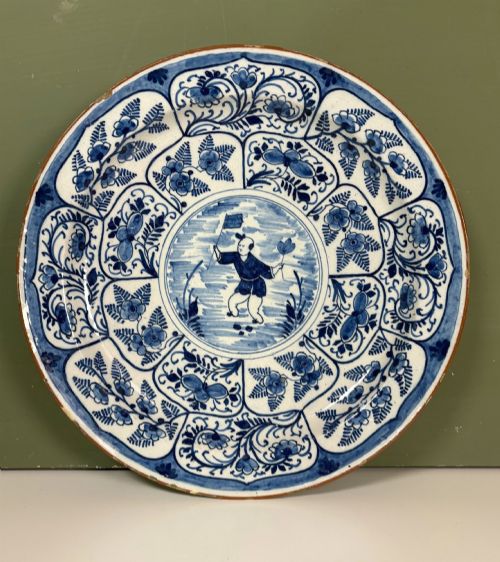
"Look at the variety of painted borders, as these were frequently used to frame simple central subjects."
Based on almost 25 years of Sellingantiques UK antique market data, Antique Delft Plates appeared 603 times (out of 1,100,000 antiques) which gives it a rarity score of 89/100.
This score measures scarcity within the Sellingantiques archive only and is not a survey of the entire antiques market, so these statistics may not be indicative of the general availability of Antique Delft Plates elsewhere.
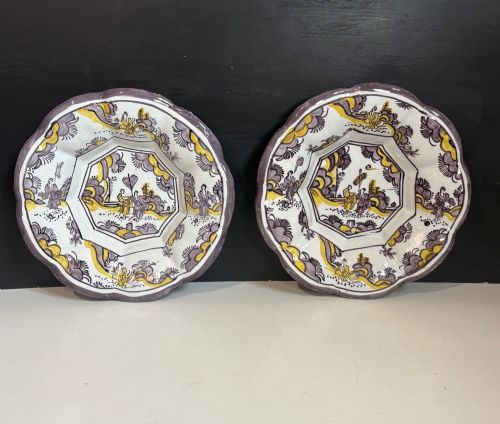
It refers to wares painted in multiple colours rather than just the standard blue and white. You'll find combinations of yellow, green, iron red and manganese purple.
These pigments were applied over the white tin glaze before firing. The technique allowed potteries to create complex floral and geometric patterns.
Yes, this is a known feature on certain regional examples. Many potteries applied a less expensive lead glaze to the reverse of the plate to save money on expensive tin oxide.
This leaves the back looking slightly yellowish or clear rather than opaque white. It's particularly common on English tin-glazed wares.
Dutch potteries tended to use the white tin glaze on both sides, though variations exist depending on the specific factory and period.
It isn't recommended. The low-fired earthenware body is relatively soft and the glaze is prone to chipping if knocked with cutlery.
Most surviving plates are treated as display pieces today. Constant washing risks water seeping into any unglazed areas.
The fired colour of the cobalt oxide depends on the pigment concentration. Where painters applied the mixture thickly, it fires to a dark navy blue.
Areas with a thinner application fire to a lighter tone.
Kiln temperature and the specific glaze recipe also cause variations in how the blue develops.
Please note: This Antique Delft Plates guide and its associated pricing data are provided for general informational purposes only. It does not constitute formal financial, investment, or appraisal advice and should not be relied upon as the sole basis for any commercial activity, purchasing, or sales decisions. Sellingantiques.co.uk accepts no liability for any actions taken in reliance on this information. Always consult with a qualified professional or independent appraiser.
