A 2026 Guide by Sellingantiques
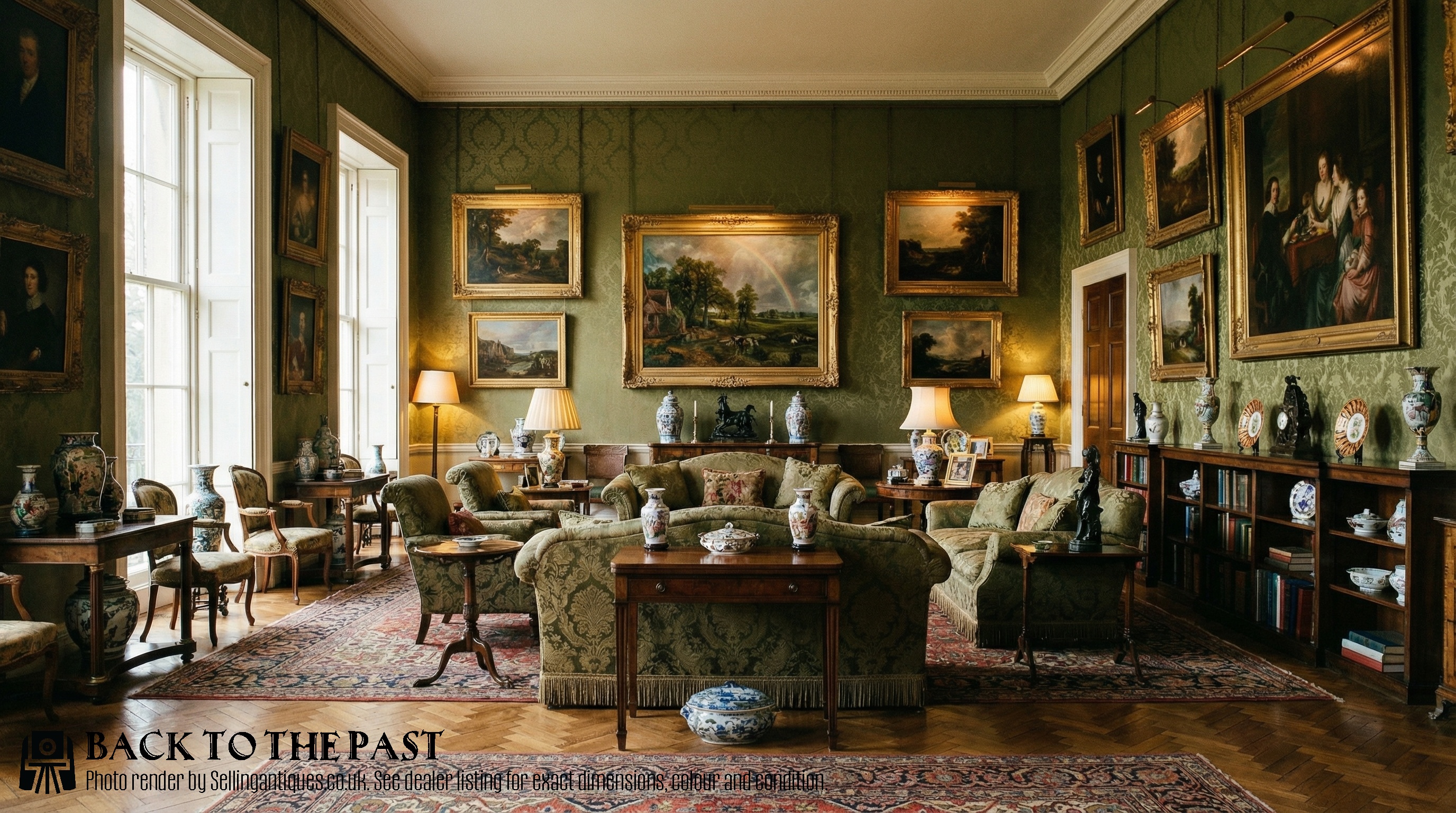
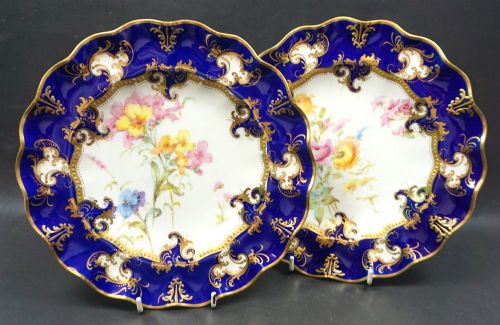
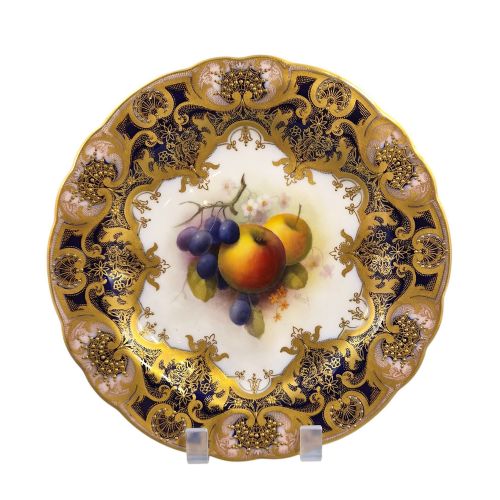
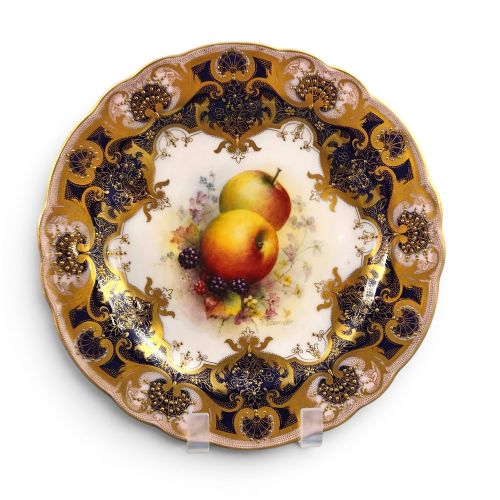
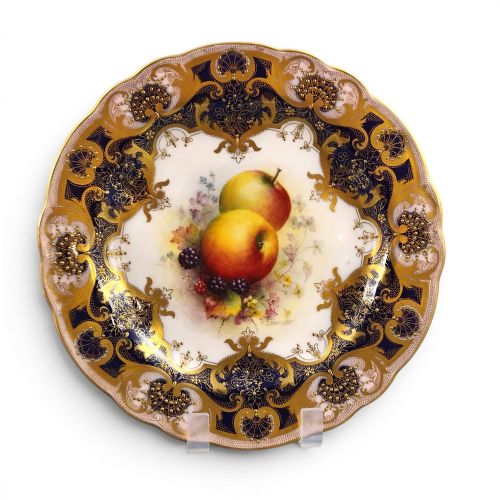
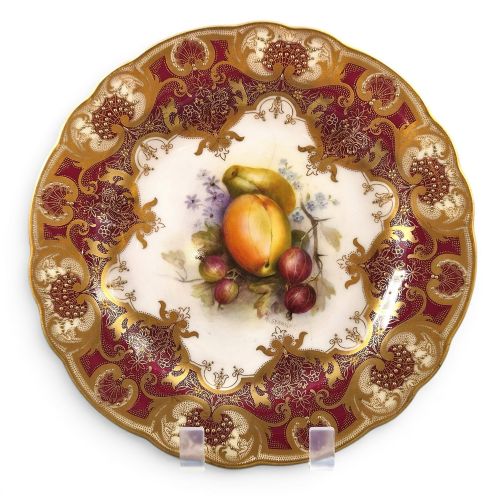
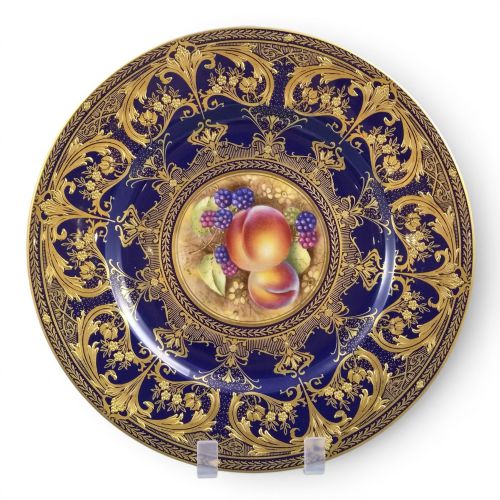
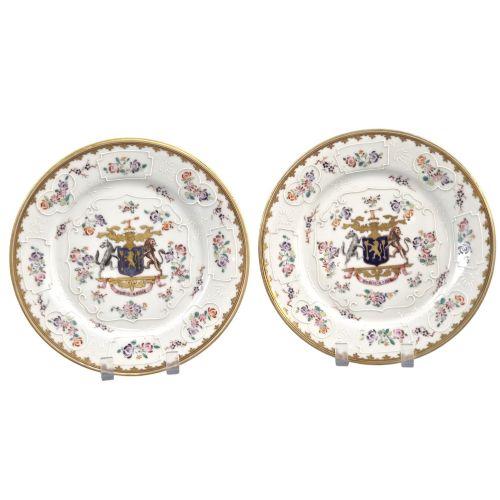
A 19th Century Pair of Coalport Cabinet Plates Attributed to Thomas Dickson, 19th Century
Priced at £495 from Robert Belcher Antiques
European factories started producing these presentation pieces during the eighteenth century as diplomatic gifts.
Wealthy Victorians later demanded heavy ornamentation on antique cabinet plates to fill their glazed drawing-room display cases.
Look for the peak in production around the late nineteenth century.
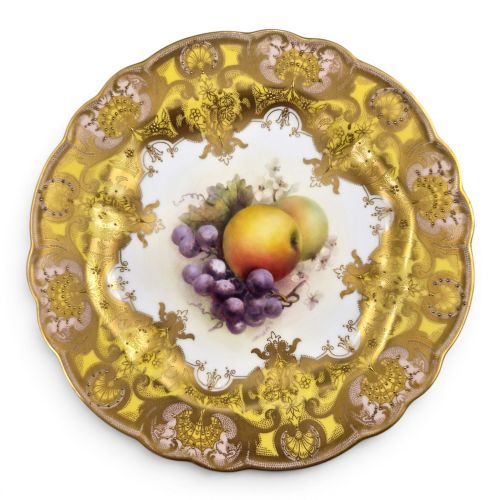
Royal Worcester produced elaborate shapes and fruit-painted designs throughout the late nineteenth and twentieth centuries.
Mintons specialised in acid-etched gilding and pâte-sur-pâte techniques during the late Victorian era.
Check continental pieces for the crossed swords of Meissen, active since the early eighteenth century.
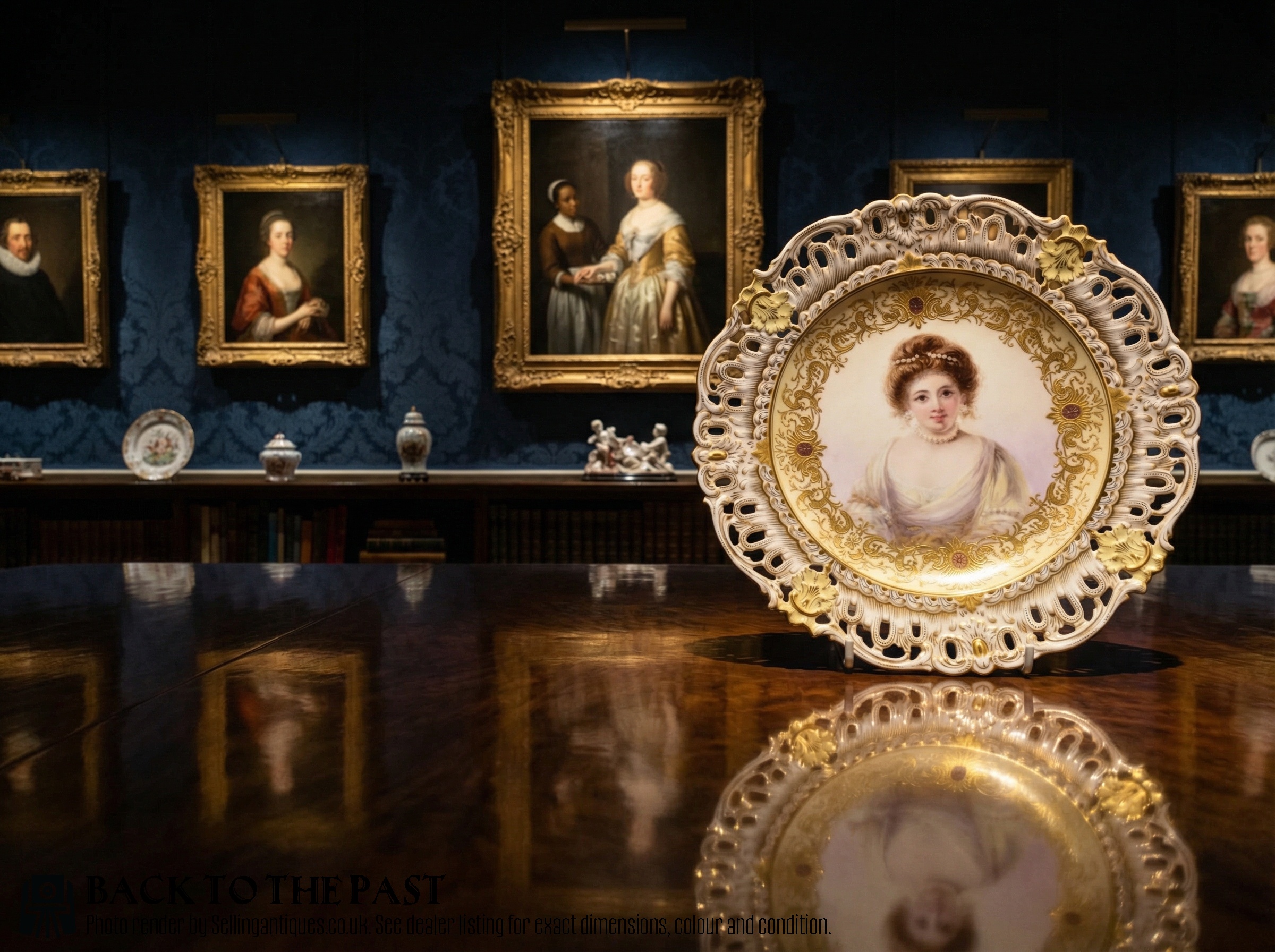
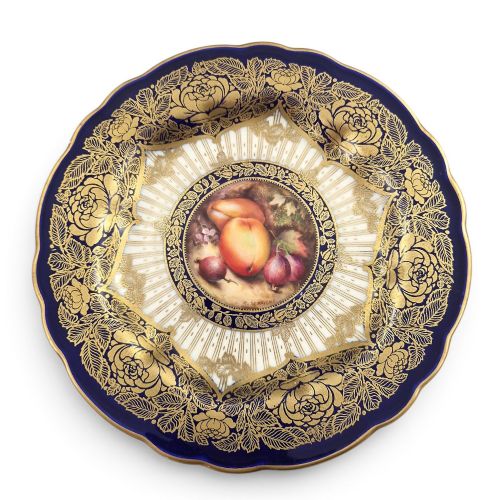
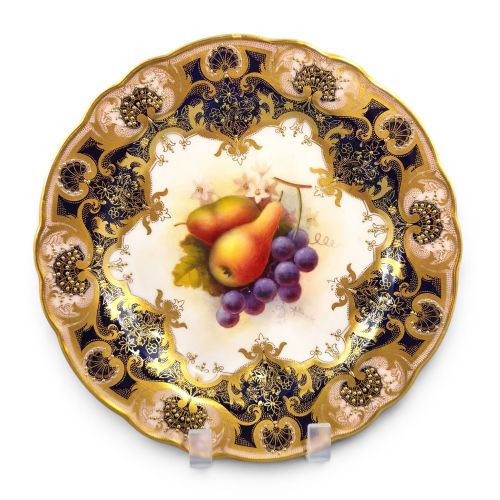
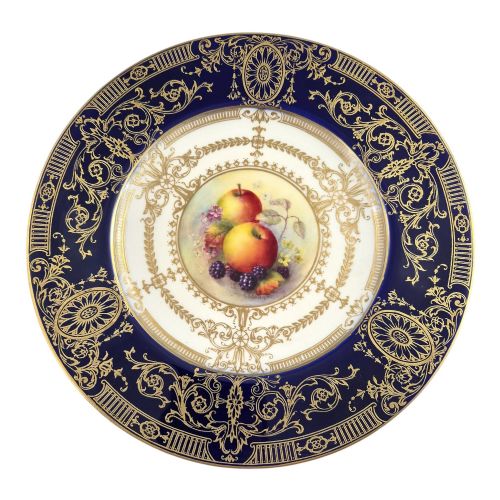
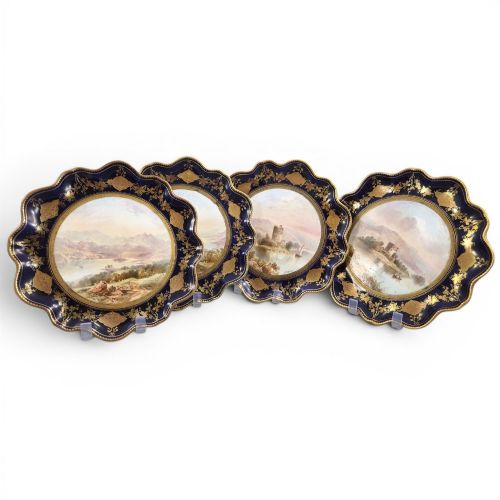
Coalport Chicago Exhibition Cabinet Plate, 1890
Priced at £1,650 from Valerie Main Ltd
The 2026 retail price guide for Antique Cabinet Plates is drawn from a proprietary archive of over 1.1 million retail prices indexed by Sellingantiques since 2003. This guide relies exclusively on their own internal data; no external sources or auction records are used.
Analysing nearly 25 years of UK antique market history alongside current retail values, the data indicates that typical UK retail prices for Antique Cabinet Plates range between £200 and £1,700. Entry-level prices generally fall under £200 and premium examples upwards of £1,700.
Central painted reserves often feature landscapes or botanical studies.
Look at the borders. They frequently carry pierced lattice work or raised paste gold decoration.
Factory marks and painted titles for the subject usually sit on the glazed underside.
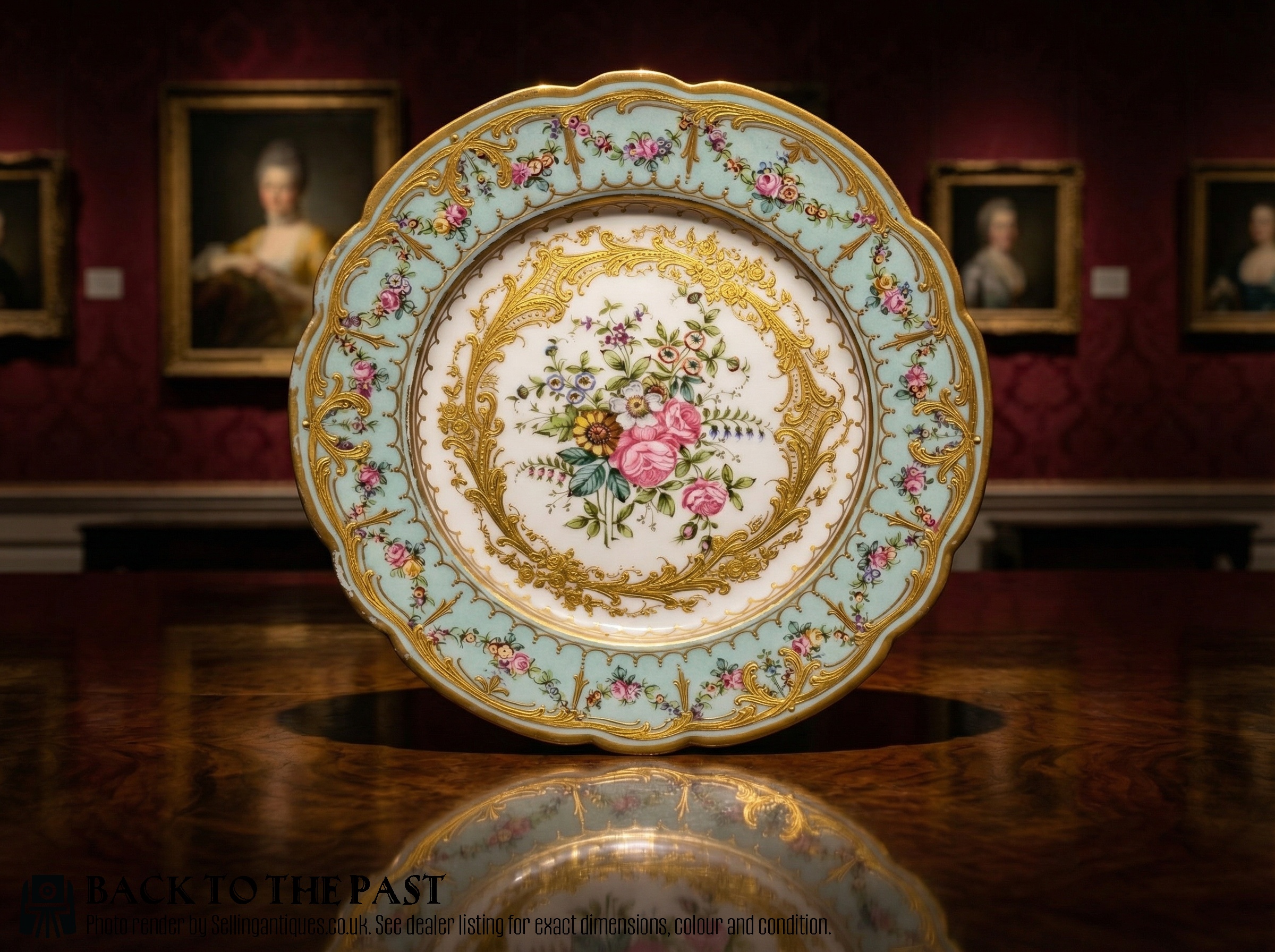
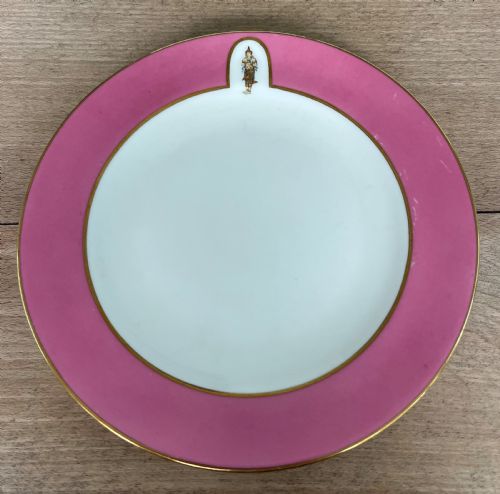
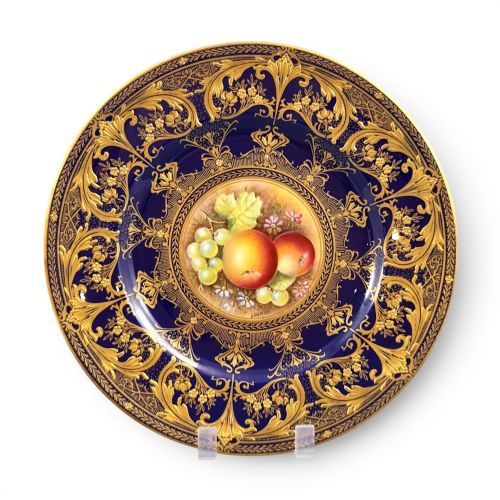
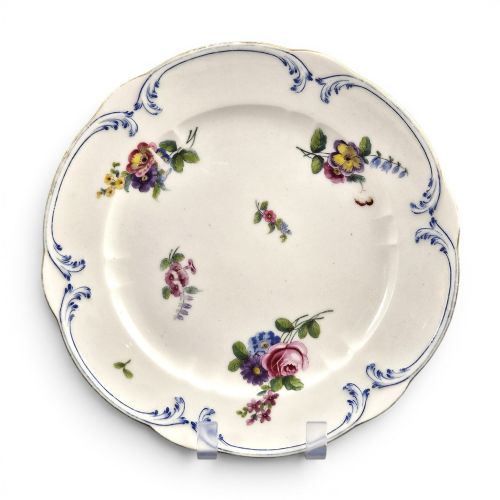
19th Century French Porcelain Cabinet Plate in the Sevres Manner, 19th Century
Priced at £160 from Hand of Glory
Early blanks were thrown on a wheel before decorators applied enamels by hand.
Slip casting into plaster moulds became common later, allowing for complex pierced borders.
Notice the transition from hand-painted scenes to printed outlines filled with washes of colour.
"Many famous porcelain factories employed specific artists who only ever painted fruit or flowers for their entire careers."
"Royal presentation services often included a unique cabinet plate for each guest to take home as a diplomatic favour."
"Some Victorian decorators used a technique involving platinum to create silver highlights that would never tarnish."
Based on almost 25 years of Sellingantiques UK antique market data, Antique Cabinet Plates appeared 1040 times (out of 1,100,000 antiques) which gives it a rarity score of 81/100.
This score measures scarcity within the Sellingantiques archive only and is not a survey of the entire antiques market, so these statistics may not be indicative of the general availability of Antique Cabinet Plates elsewhere.
Wire plate hangers with sprung hooks are the traditional method for mounting these. Ensure the wire hooks have plastic protective sleeves where they grip the rim to prevent them scratching the gilding. You can find them in various sizes to match the diameter of the dish.
Alternatively, adhesive plate discs stick directly to the glazed back. They require wetting to activate the glue and hold firmly to the wall. You can soak them off safely with warm water when you want to remove them.
Hand washing is safe for most of them, but you should avoid standard washing up liquid. Strong detergents can slowly degrade over-glaze enamels and wear down raised paste gilding.
Use lukewarm water with a mild, neutral soap. Wash the plate gently using a soft cloth rather than a sponge or brush, and dry it immediately with a microfibre towel. Never leave them soaking in the basin.
It refers to a plate created specifically for display in a glazed cabinet rather than for serving food. Factories made them as ornamental art objects to demonstrate their painting and gilding techniques.
They usually have heavily decorated centres that would quickly scratch if subjected to cutlery.
Those are firing holes. The factory pierced them through the foot rim before the plate went into the kiln.
They allowed the workers to suspend the plate on wires during the firing process. This prevented the wet glaze on the underside from sticking to the kiln shelves.
Please note: This Antique Cabinet Plates guide and its associated pricing data are provided for general informational purposes only. It does not constitute formal financial, investment, or appraisal advice and should not be relied upon as the sole basis for any commercial activity, purchasing, or sales decisions. Sellingantiques.co.uk accepts no liability for any actions taken in reliance on this information. Always consult with a qualified professional or independent appraiser.