

A 2026 Guide by Sellingantiques
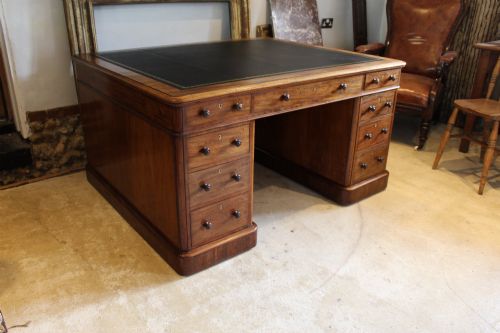
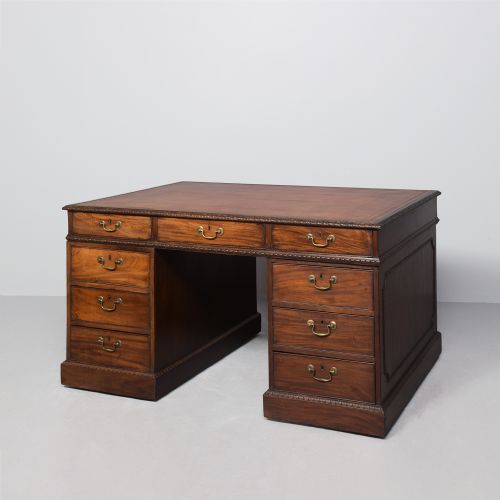
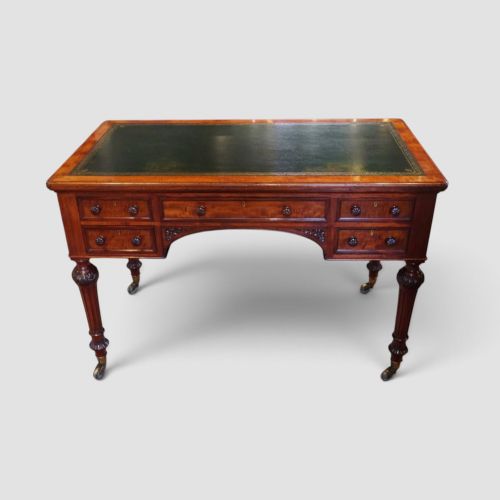
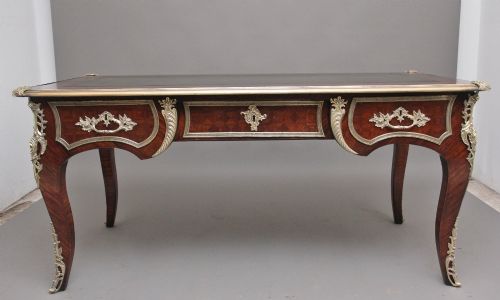
Chippendale Style Mahogany Partners’ Desk/library Table
, 1920
Priced at £1,775 from John Hubbard Antiques
They evolved from simple writing tables during the eighteenth century as private collections grew larger.
Notice how early Georgian examples favour heavy architectural forms rather than the lighter styles of the Regency period.
Later Victorian iterations often incorporated opposed seating arrangements, allowing two people to work facing each other across the leather.
A true antique library desk always has finished panels on the back, distinguishing it from standard wall-facing furniture.
Gillows of Lancaster produced substantial numbers of these desks throughout the late eighteenth and nineteenth centuries.
Thomas Chippendale supplied several grand, architectural examples to country house commissions during his working period.
Holland & Sons stamped many standard Victorian library models supplied to clubs and institutions.
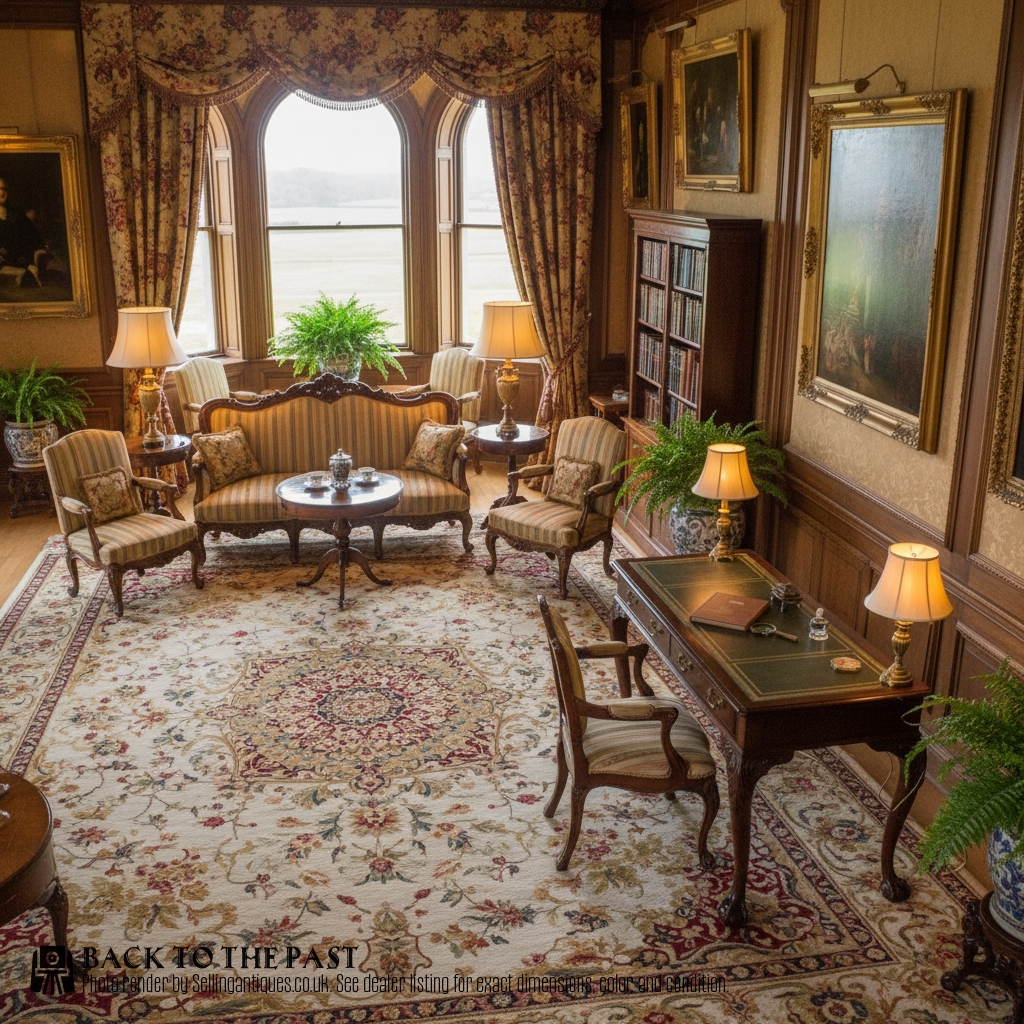
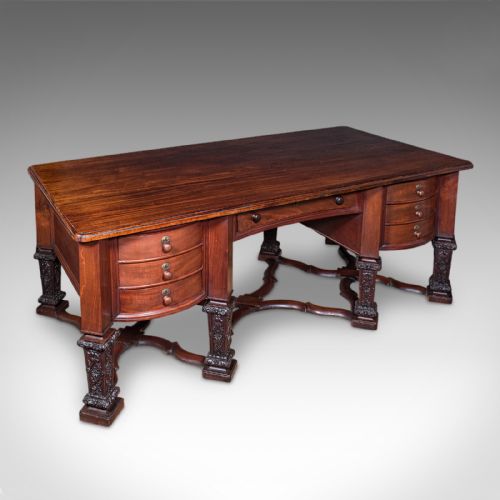
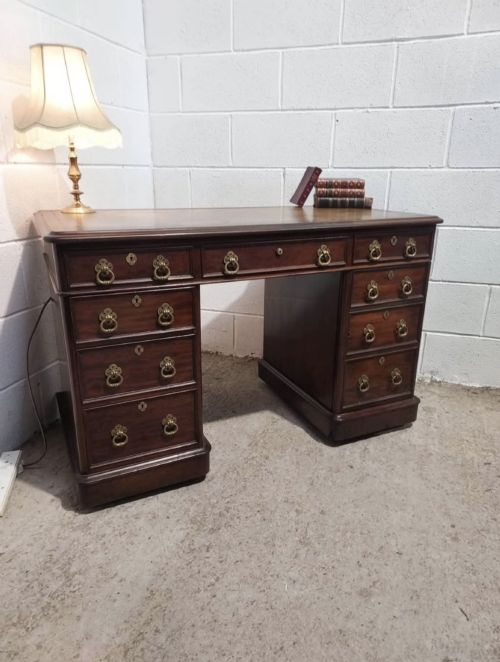
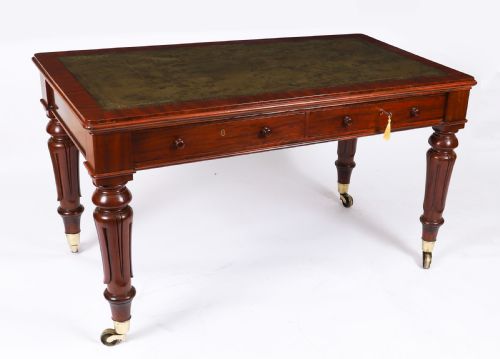
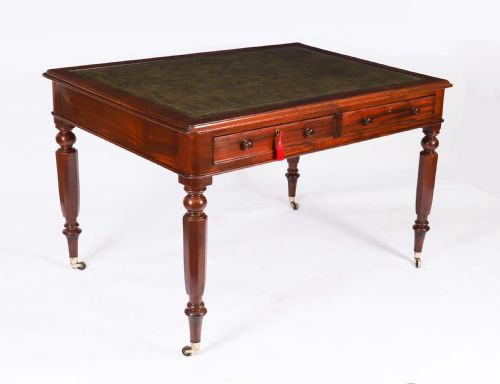
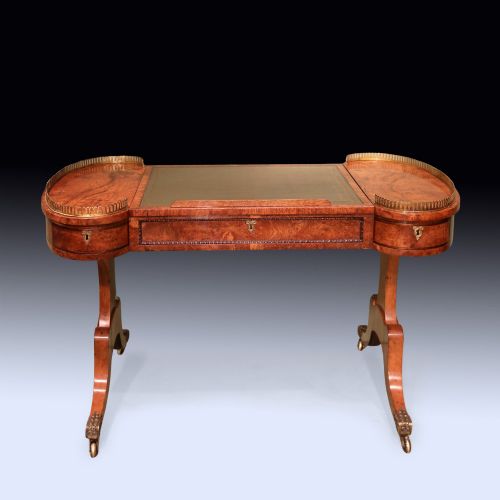
Desk / Library Writing Table by Gillows, 1920
Priced at £1,495 from Brookside Antiques
The 2026 retail price guide for Antique Library Desks is drawn from a proprietary archive of over 1.1 million retail prices indexed by Sellingantiques since 2003. This guide relies exclusively on their own internal data; no external sources or auction records are used.
Analysing nearly 25 years of UK antique market history alongside current retail values, the data indicates that typical UK retail prices for Antique Library Desks range between £700 and £5,000. Entry-level prices generally fall under £700 and premium examples upwards of £5,000.
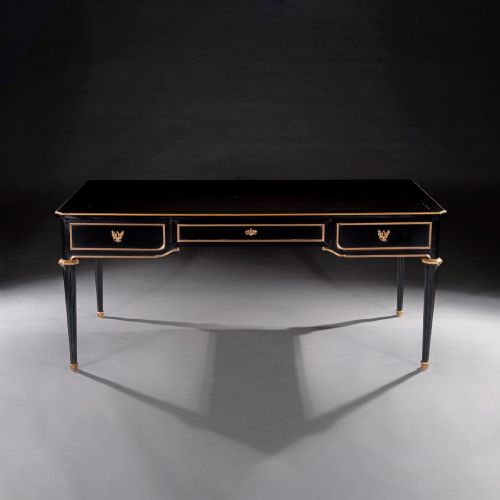
Look for frieze drawers set flush with the apron. They usually span both long sides.
Substantial turned or faceted legs provide the main support, frequently terminating in heavy brass cup castors.
The tops overhang the base considerably. This gives plenty of knee room for anyone sitting at them.
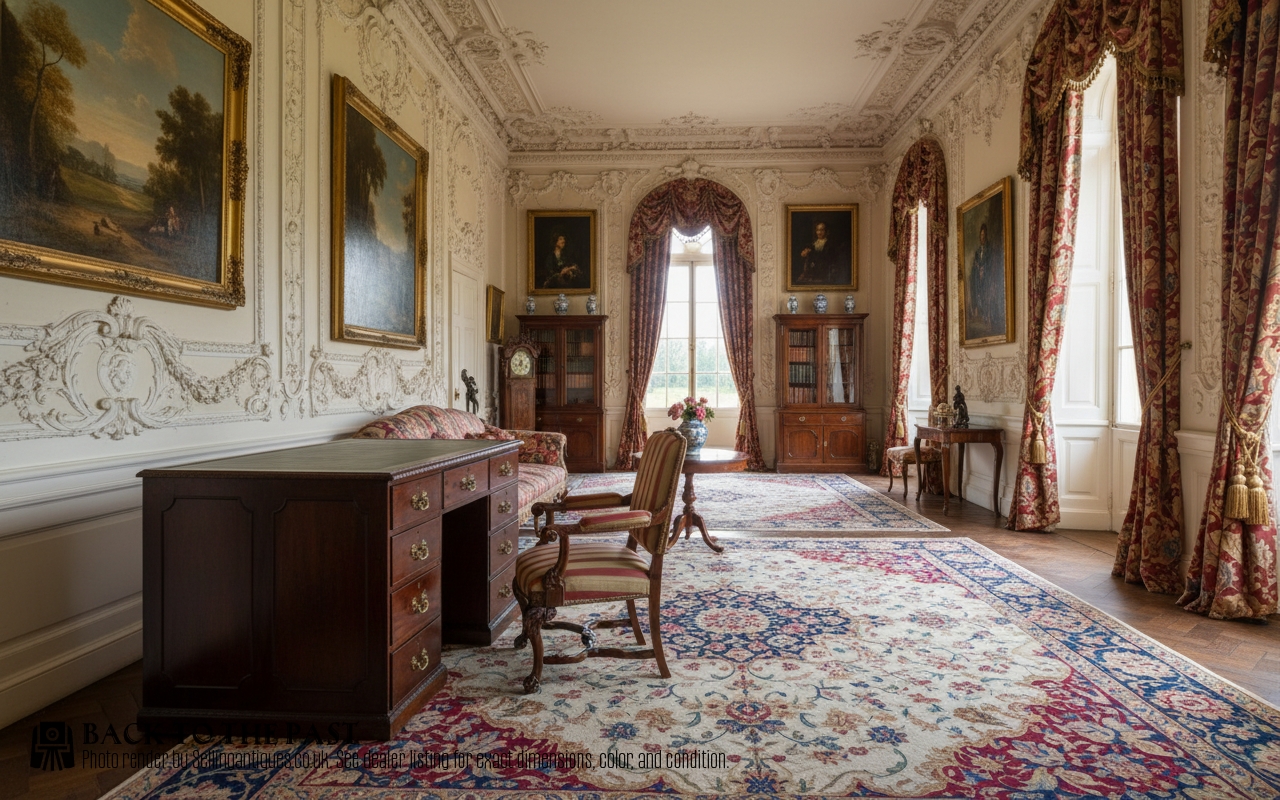
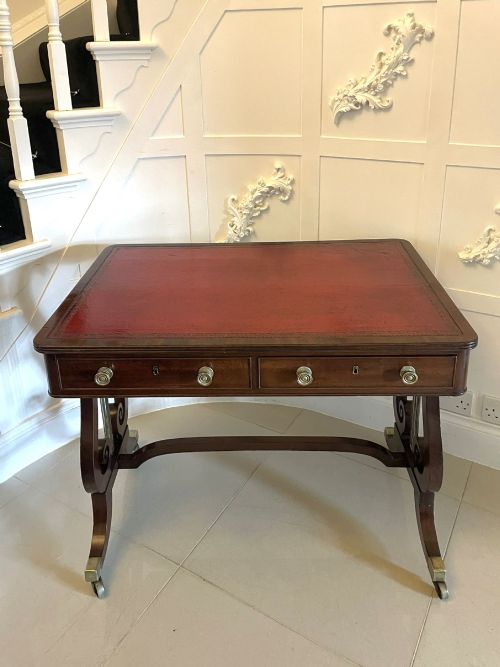
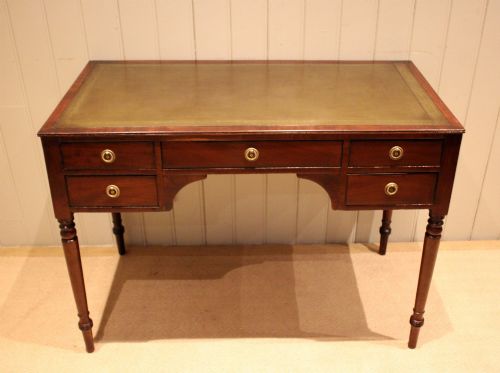
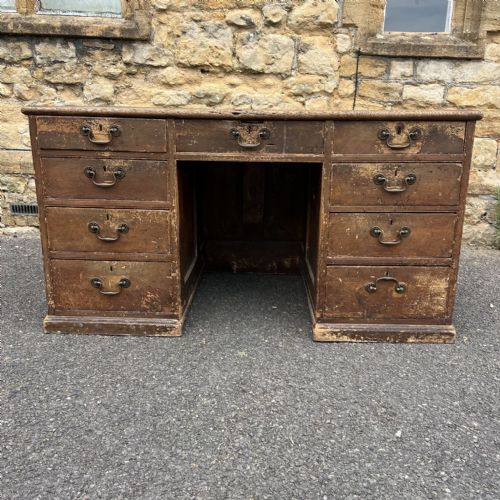
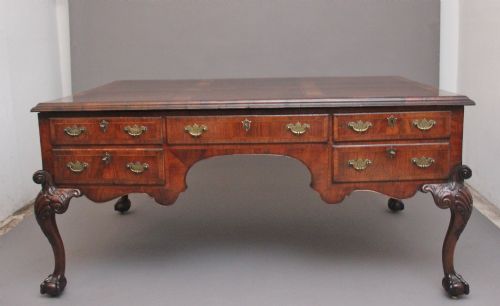
George III Chippendale Style Mahogany Freestanding Kneehole Library Desk, Georgian
Priced at £2,250 from The Antique Furniture Company
Look closely at the drawer sides, which join to the solid fronts using fine, hand-cut dovetails.
Turn the desk over to see traditional mortise and tenon joints securing the frame to the heavy legs.
Thick, single-plank tops were often edge-banded to hide the end grain and frame the central leather insert.
"Many late Victorian examples have hidden map drawers concealed in the deep frieze above the kneehole."
"They were sometimes designed with integrated, ratcheted reading slopes that push flush into the flat surface when not required."
"The solid brass castors often feature small leather wheels to protect polished wooden floors from gouging."
Based on almost 25 years of Sellingantiques UK antique market data, Antique Library Desks appeared 13834 times (out of 1,100,000 antiques) which gives it a rarity score of 6/100.
This score measures scarcity within the Sellingantiques archive only and is not a survey of the entire antiques market, so these statistics may not be indicative of the general availability of Antique Library Desks elsewhere.
Wipe it with a slightly damp cloth to remove dust. Don't use harsh chemical sprays.
Feed the leather occasionally with a clear wax polish.
Most genuine library desks were built to stand in the middle of a room. The back isn't left bare. The cabinetmaker finished the rear with the same care as the front, often adding polished panelling or dummy drawer fronts to maintain symmetry.
Pedestal variations might have functioning cupboards on the reverse side. You rarely find raw timber or unpolished carcase wood exposed.
That depends on the form. Pedestal variations usually break down into three pieces. The top simply lifts off the two bases, making them easy to move through narrow doorways.
Table-form models usually stay in one piece. Sometimes the legs can be unbolted on later Victorian examples, but earlier frames are glued and pegged solid.
Drawer runners wear down over time. The wooden strips inside the carcase bear the friction of the drawer being opened and closed for centuries.
A cabinetmaker can restore the running surfaces by adding new slips of timber. Rubbing candle wax on the drawer sides offers a short-term fix to ease the sticking.
Please note: This Antique Library Desks guide and its associated pricing data are provided for general informational purposes only. It does not constitute formal financial, investment, or appraisal advice and should not be relied upon as the sole basis for any commercial activity, purchasing, or sales decisions. Sellingantiques.co.uk accepts no liability for any actions taken in reliance on this information. Always consult with a qualified professional or independent appraiser.
