


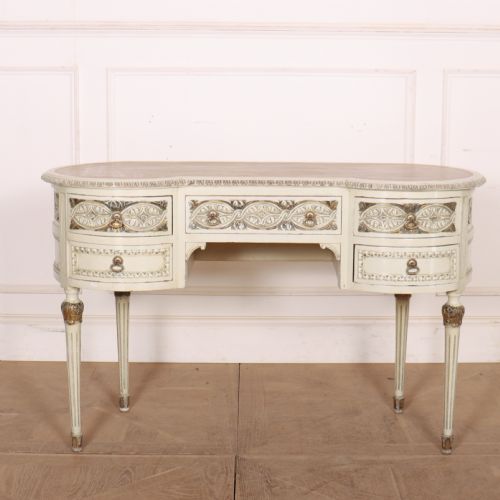

A 2026 Guide by Sellingantiques
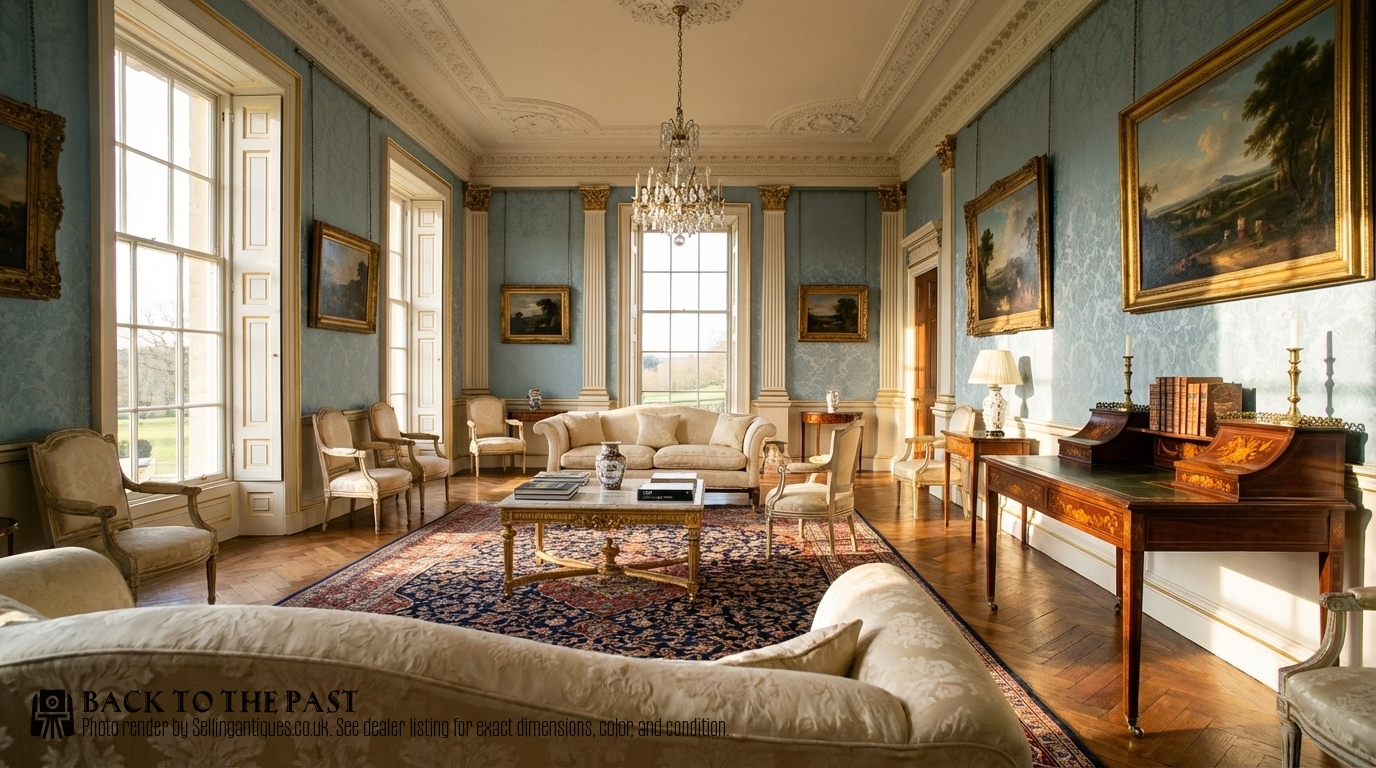
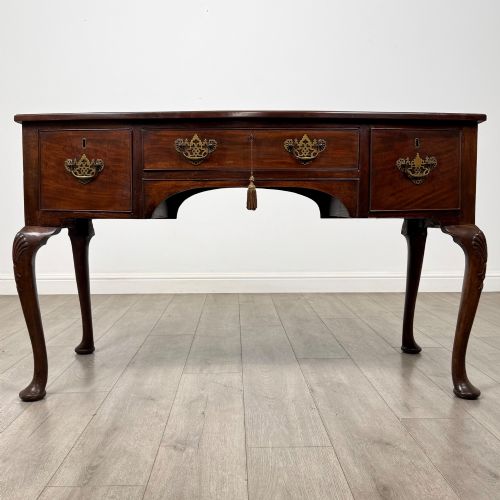
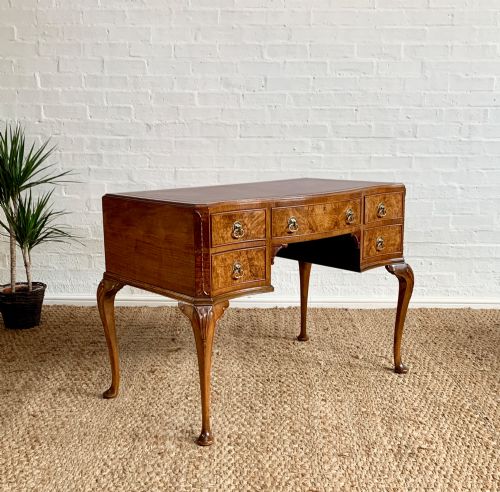
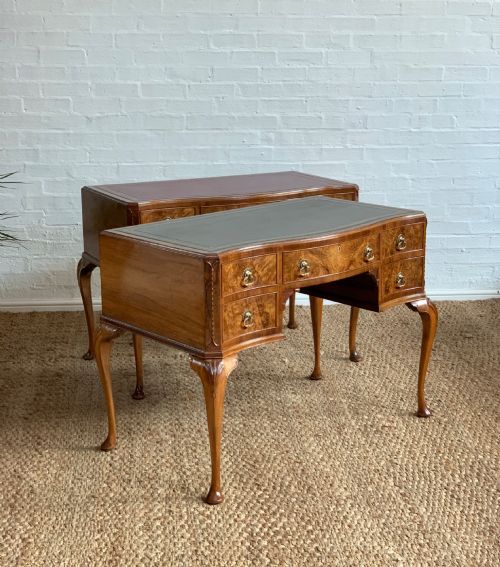
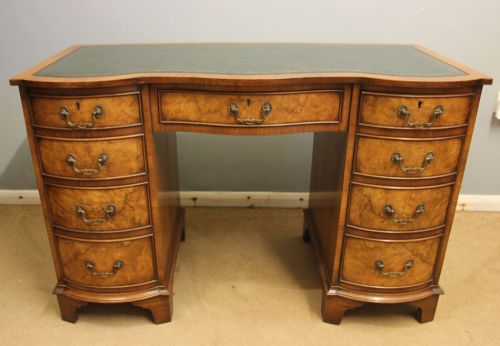
Superb Edwardian Marquetry Desk, Edwardian
Priced at £1,950 from Wayne Long Antiques and Interiors
King Edward VII's brief reign saw a shift away from heavy Victorian furniture towards lighter, more delicate forms.
A rising middle class needed dedicated writing space at home for social correspondence.
Check the overall proportions. Antique Edwardian desks usually fit into smaller modern rooms much better than massive earlier pieces.
Many draw heavily on eighteenth-century designs, leaning into Sheraton and Hepplewhite revivals.
Edwards & Roberts produced high-end antique Edwardian desks right up until they ceased trading around 1900, though their stamped stock was sold for years after.
Maple & Co. dominated the middle and upper markets, supplying well-made mahogany writing tables from their massive London workshops.
Find a maker's mark stamped directly onto the top edge of a drawer box or a small ivory trade label inside.
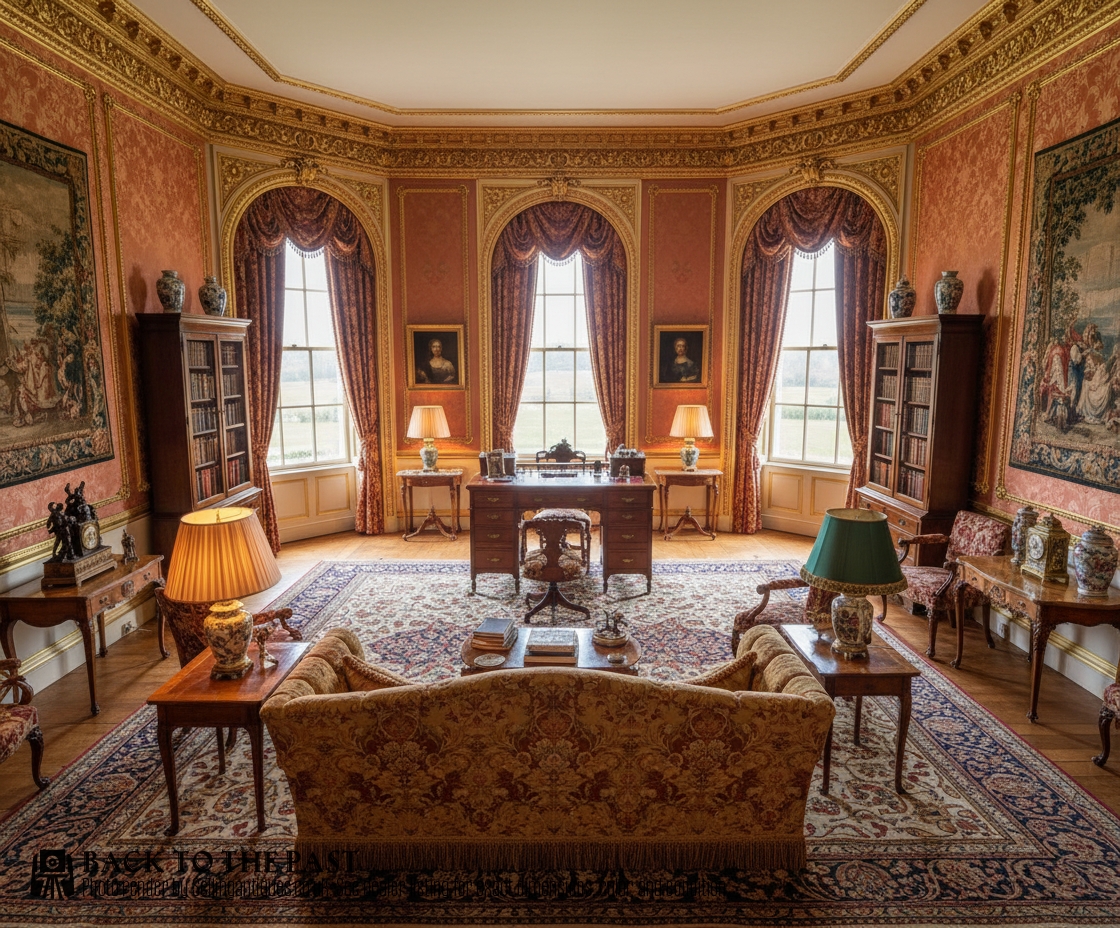
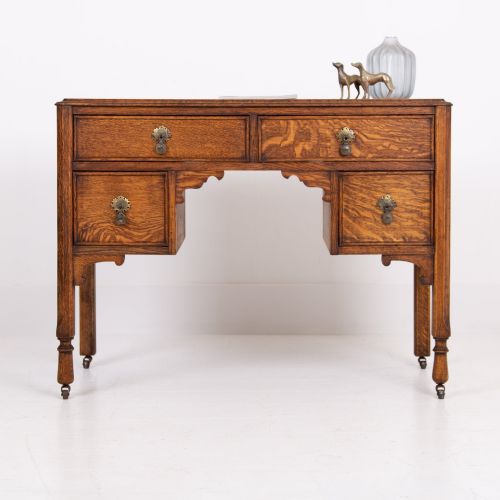
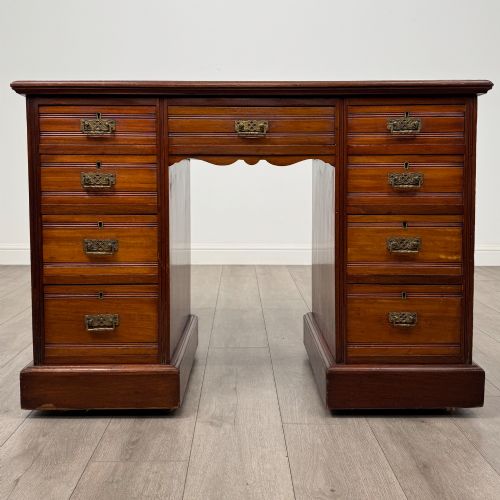
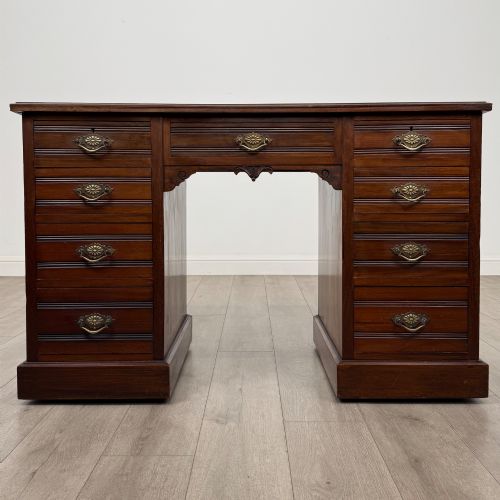
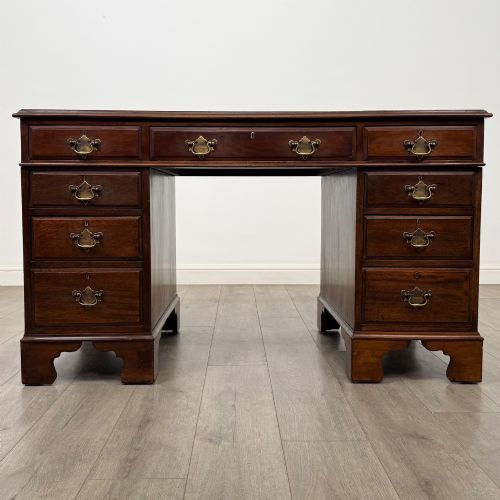
Edwardian Pedestal Desk Writing Table Mahogany 1910, 1910
Priced at £1,550 from Canonbury Antiques
The 2026 retail price guide for Antique Edwardian Desks is drawn from a proprietary archive of over 1.1 million retail prices indexed by Sellingantiques since 2003. This guide relies exclusively on their own internal data; no external sources or auction records are used.
Analysing nearly 25 years of UK antique market history alongside current retail values, the data indicates that typical UK retail prices for Antique Edwardian Desks range between £400 and £2,200. Entry-level prices generally fall under £400 and premium examples upwards of £2,200.
Tapered square legs terminating in spade feet are a hallmark of this era.
Run your hand along the top edge. Gallery backs often feature brass rails or low wooden upstands to stop pens rolling off.
Original handles are usually stamped brass, favouring oval backplates or simple ring pulls over heavy wooden knobs.
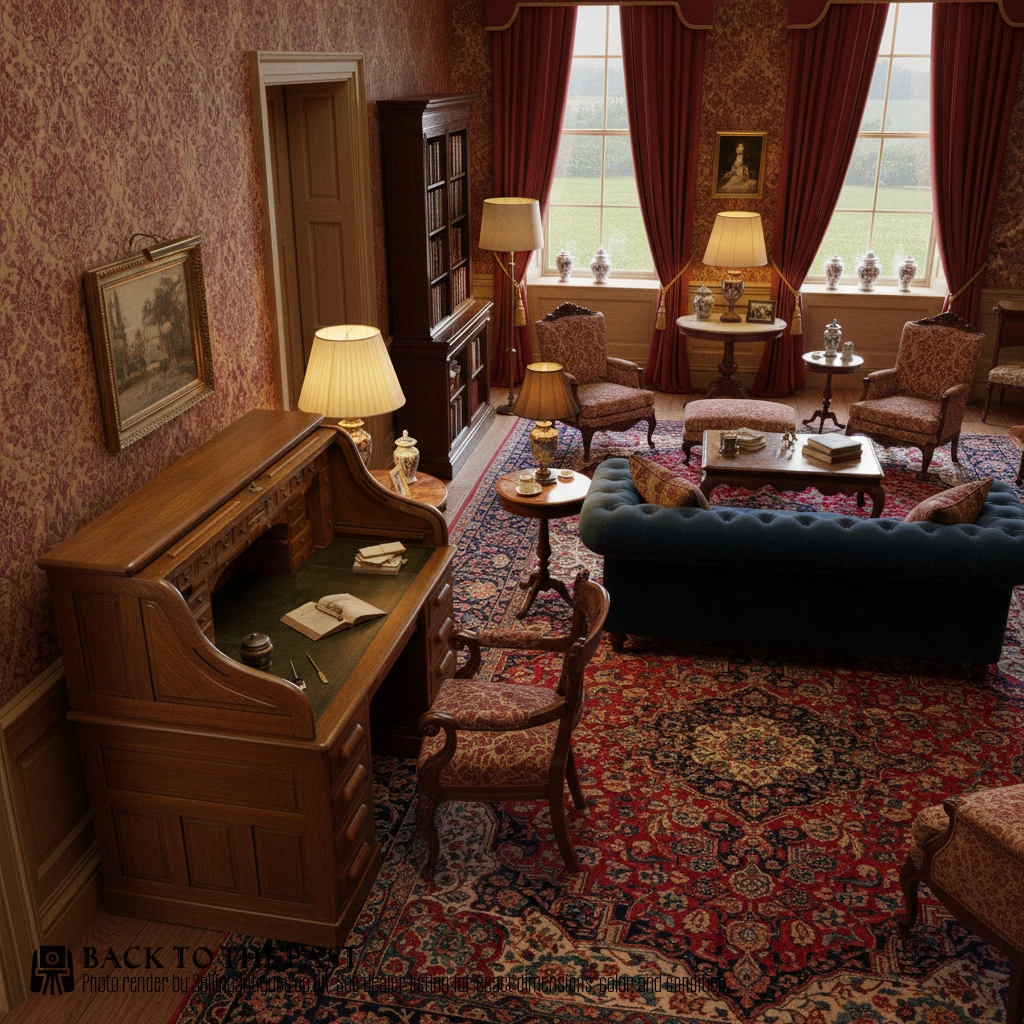
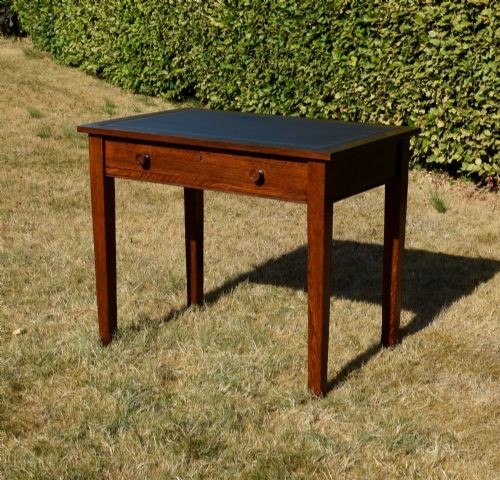
Edwardian Roll Top Desk by Maples of London and Paris, 1900
Priced at £4,650 from witchantiques.com
Machine-assisted cutting sped up the preparation of rough boards, but the joints were still cut and fitted by hand.
Dovetails on an antique Edwardian desk tend to be narrower and more uniform than earlier Georgian examples.
Notice the fine veneer work. Craftsmen used thin layers of expensive timber glued over stable, cheaper cores to prevent warping.
"They often feature hidden compartments built into the back of stationery superstructures to hold private letters."
"Look closely at the back panels. Even though these faced the wall, they were neatly finished with chamfered panelling."
"The lighter weight was an intentional design choice, allowing household staff to easily move them for floor sweeping."
Based on almost 25 years of Sellingantiques UK antique market data, Antique Edwardian Desks appeared 6493 times (out of 1,100,000 antiques) which gives it a rarity score of 27/100.
This score measures scarcity within the Sellingantiques archive only and is not a survey of the entire antiques market, so these statistics may not be indicative of the general availability of Antique Edwardian Desks elsewhere.
Dust the leather surface gently using a soft, dry cloth. Avoid any harsh chemical sprays or saddle soap, as these can strip the original finish and dry out the hide.
If the leather looks parched, apply a small amount of clear microcrystalline wax. Buff it out immediately to protect the surface without leaving a sticky residue.
Most antique Edwardian desks are constructed from mahogany. The trade favoured it for its tight grain and warm tone. Walnut and oak turn up occasionally, but they are less common.
Lighter accent woods were frequently used for decoration. You will often see pale satinwood borders framing the drawer fronts or thin boxwood lines bordering the legs.
That low rail is known as a gallery. It stops pens and loose ink bottles from rolling off the back edge.
It also provides a neat boundary for stacking unread letters.
Wobbly drawers are usually caused by worn wooden runners. After a century of friction, the timber wears down, creating a wider gap that lets the drawer drop.
Fixing them involves gluing new hardwood strips along the worn sections and planing them flush. It is a straightforward job for a restorer, but quite fiddly to get right yourself.
Rubbing a standard household candle along the bottom edges can sometimes help. The wax acts as a dry lubricant, helping the drawer glide smoothly and reducing further friction.
Please note: This Antique Edwardian Desks guide and its associated pricing data are provided for general informational purposes only. It does not constitute formal financial, investment, or appraisal advice and should not be relied upon as the sole basis for any commercial activity, purchasing, or sales decisions. Sellingantiques.co.uk accepts no liability for any actions taken in reliance on this information. Always consult with a qualified professional or independent appraiser.
