



A 2026 Guide by Sellingantiques
Drinking coffee took hold in Europe during the late seventeenth century.
Look at the earliest imported Chinese wares. They lack handles entirely.
European factories quickly adapted these oriental forms to suit local habits.
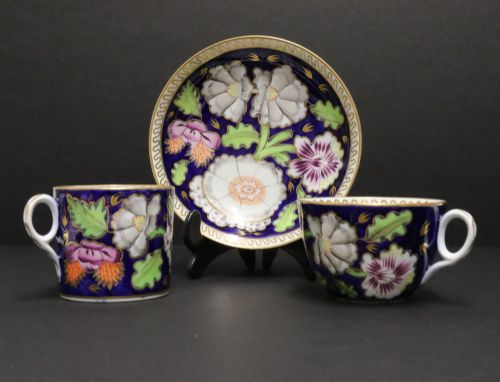
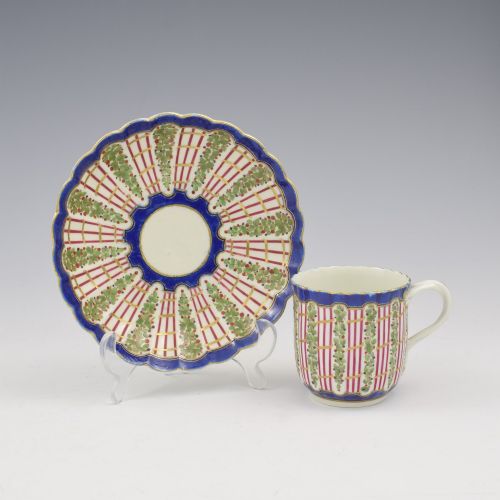
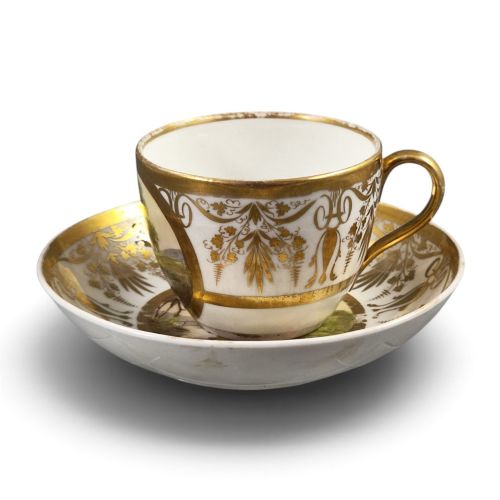
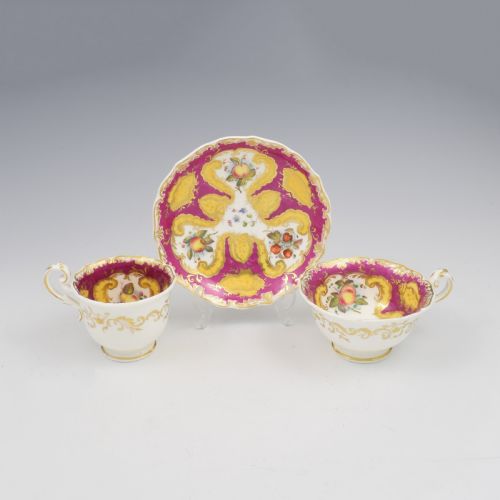
By the Georgian period, antique coffee cups were a standard part of any formal tea and coffee equipage.
Serving customs dictated that coffee followed dinner, poured in the drawing room.
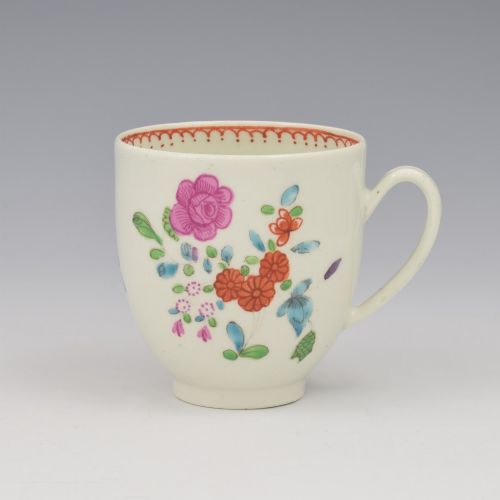
Worcester produced thousands of these in their First Period, often decorated with underglaze blue.
Josiah Wedgwood made early examples in his creamware body.
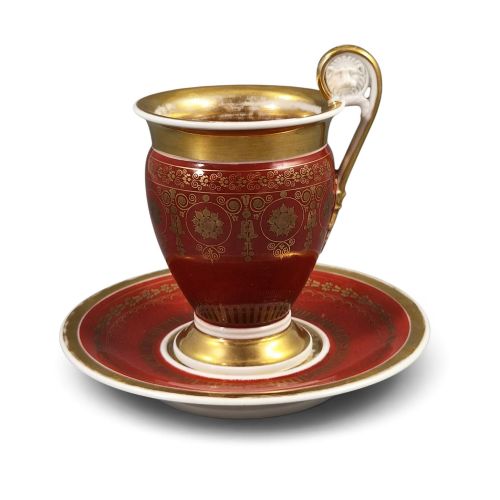
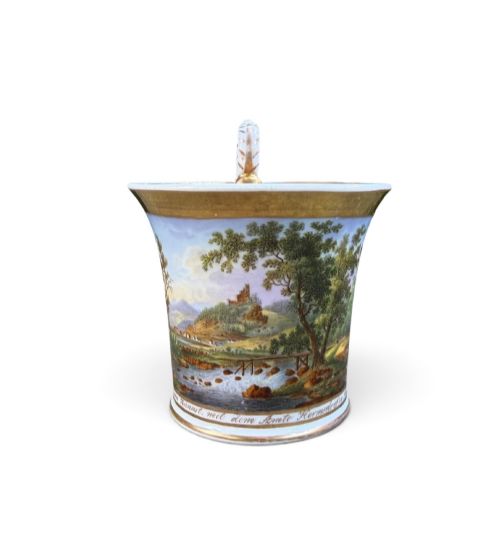
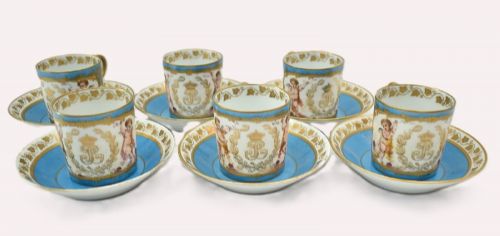
The Sèvres factory in France supplied highly decorated sets to European courts.
The 2026 retail price guide for Antique Coffee Cups is drawn from a proprietary archive of over 1.1 million retail prices indexed by Sellingantiques since 2003. This guide relies exclusively on their own internal data; no external sources or auction records are used.
Analysing nearly 25 years of UK antique market history alongside current retail values, the data indicates that typical UK retail prices for Antique Coffee Cups range between £100 and £600. Entry-level prices generally fall under £100 and premium examples upwards of £600.
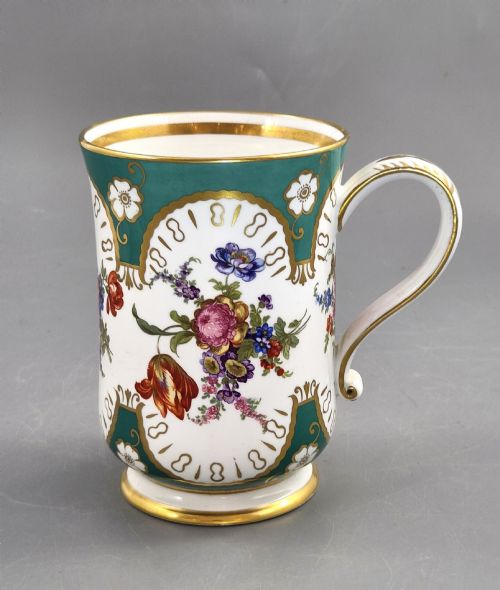
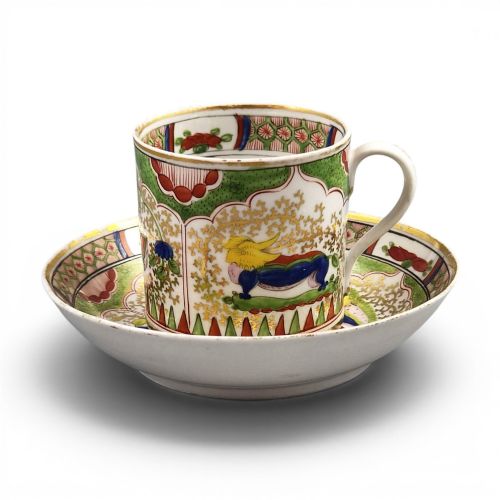
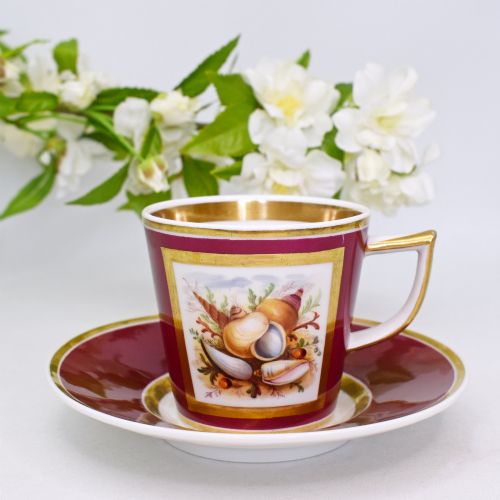
Antique coffee cups are typically taller and narrower than teacups from the same service.
Straight U-shaped sides helped retain the heat of the liquid.
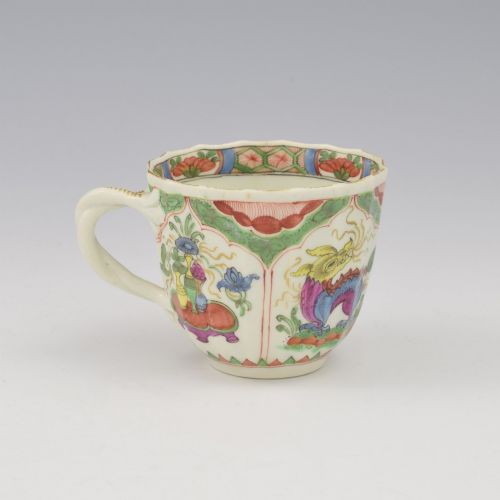
Notice the loop handles. Some are simple extruded strips while others feature elaborate moulding.
Throwing on a wheel was the traditional method for early soft-paste bodies.
Slip-casting in plaster moulds became standard practice for producing uniform shapes with integral handles.
Hand-painted enamels required multiple firings in low-temperature muffle kilns.
"Many surviving early examples share their saucer with a matching teacup from the same set."
"Handle shapes often help identify the specific factory more accurately than the painted pattern."
"Different glaze recipes interact with underglaze cobalt to produce distinct shades of blue."
Based on almost 25 years of Sellingantiques UK antique market data, Antique Coffee Cups appeared 495 times (out of 1,100,000 antiques) which gives it a rarity score of 91/100.
This score measures scarcity within the Sellingantiques archive only and is not a survey of the entire antiques market, so these statistics may not be indicative of the general availability of Antique Coffee Cups elsewhere.
Warm water and a soft cloth work best for most antique coffee cups. Harsh modern detergents degrade overglaze enamels over time.
Never put them in a dishwasher. The heat and spray will strip the gilding in a single cycle.
Yes. They were fired to withstand boiling liquids.
Just warm the cup first with a little tap water to prevent thermal shock before pouring in hot coffee.
Many eighteenth- and early nineteenth-century factories left their wares unmarked. Marking was an extra step that added time and cost to production.
Dealers identify these unmarked antique coffee cups by studying the handle shape, the footrim profile and the specific colour palette of the enamels.
Certain patterns were copied by multiple factories. The physical paste and glaze characteristics usually confirm the origin better than a painted mark.
The rims took the most impact during hundreds of washings in ceramic or metal basins. Even light taps against a spoon cause small frits to the delicate edges.
Soft-paste porcelain is prone to this kind of mechanical damage. The body is less glassy than hard-paste, making the exposed edges softer.
It is just expected wear for items handled daily for two centuries. A clean rim on a genuine early cup is a rare survival.
Please note: This Antique Coffee Cups guide and its associated pricing data are provided for general informational purposes only. It does not constitute formal financial, investment, or appraisal advice and should not be relied upon as the sole basis for any commercial activity, purchasing, or sales decisions. Sellingantiques.co.uk accepts no liability for any actions taken in reliance on this information. Always consult with a qualified professional or independent appraiser.
