
A 2026 Guide by Sellingantiques
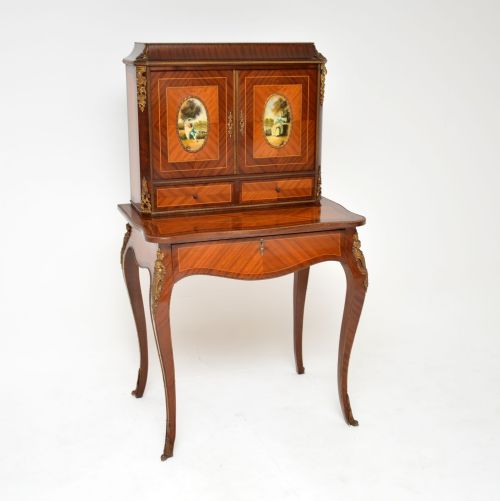
Stunning Aesthetic Period Bonheur Du Jour, Victorian
Priced at £1,125 from Eclectic Antiques
Originated in mid-eighteenth-century France. The antique bonheur de jour quickly became popular across Europe as literacy among wealthy women increased.
Later English cabinetmakers adapted the form. You find Georgian and Victorian workshops altering the proportions to suit local domestic tastes.
Designed for the drawing room rather than the library. Their small size made them easy to move around the home.
Many served a dual purpose. A fitted drawer might contain compartments for inkwells alongside spaces for vanity items.
Martin Carlin produced several renowned examples during the Louis XVI period. His workshops often incorporated Sèvres porcelain plaques into the superstructure.
English firms like Gillows made their own variations. Their late eighteenth-century records show orders for these small writing tables in mahogany.
Provincial tradesmen also copied the imported designs. You will spot simpler regional versions made by anonymous cabinetmakers across Europe.
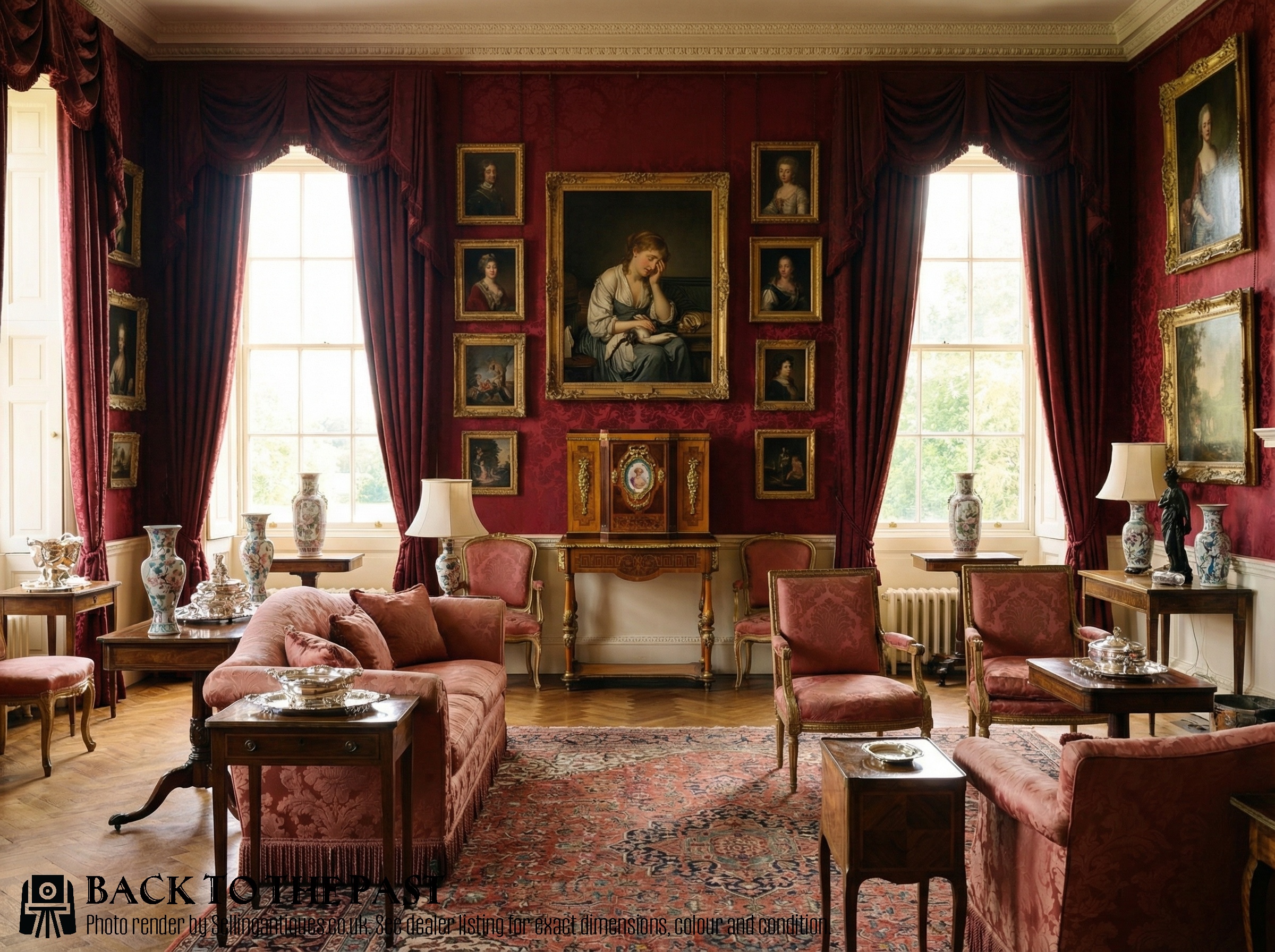
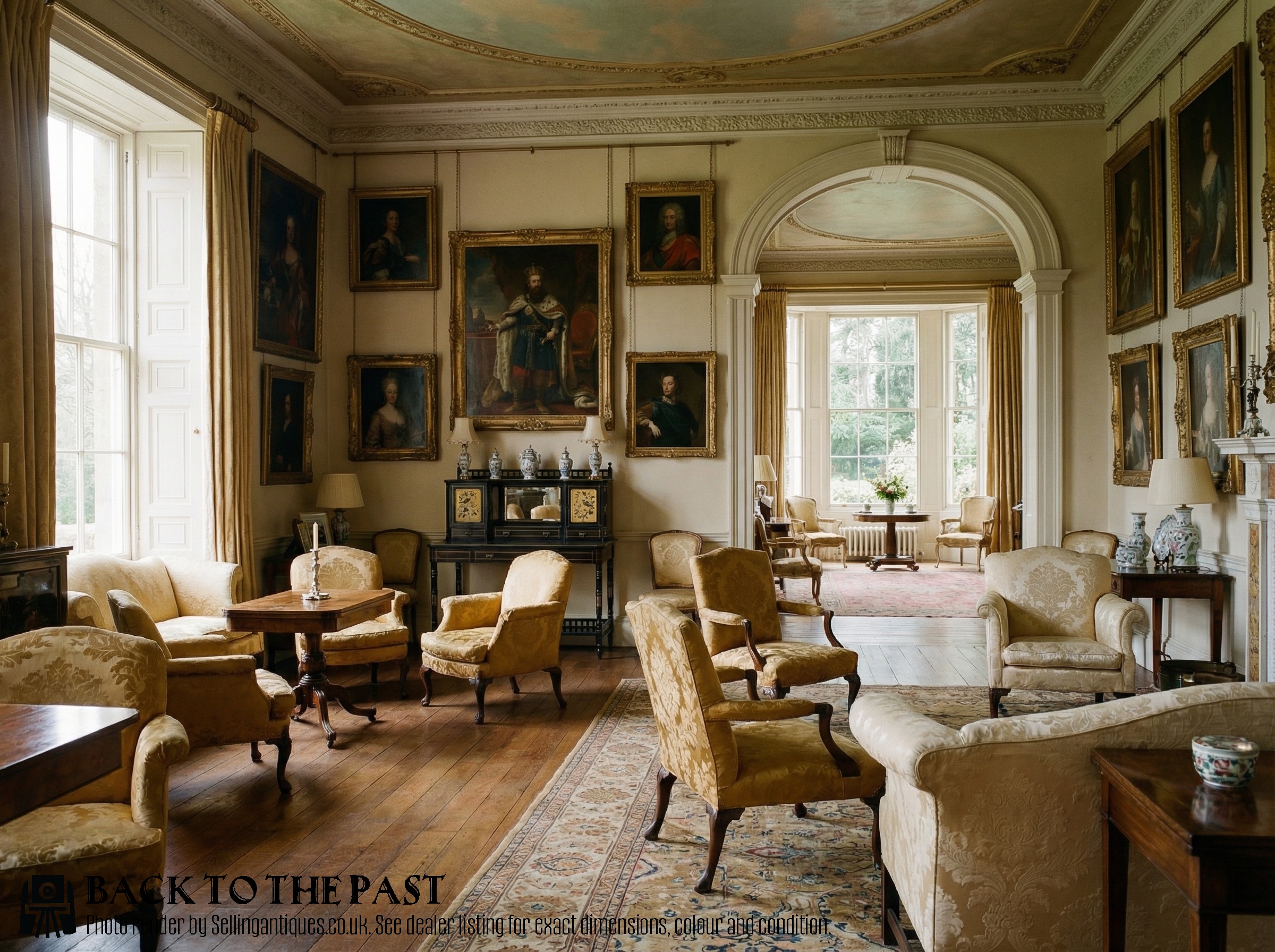
French Satinwood Rosewood and Amboyna Ormolu Mounted Bonaheur De Jour., 19th Century
Priced at £1,700 from Ruby Antiques
The 2026 retail price guide for Antique Bonheur De Jour is drawn from a proprietary archive of over 1.1 million retail prices indexed by Sellingantiques since 2003. This guide relies exclusively on their own internal data; no external sources or auction records are used.
Analysing nearly 25 years of UK antique market history alongside current retail values, the data indicates that typical UK retail prices for Antique Bonheur De Jour range between £1,200 and £5,900. Entry-level prices generally fall under £1,200 and premium examples upwards of £5,900.
The raised superstructure is the defining characteristic. This tiered section holds the small stationery drawers and sometimes a central cupboard.
Look for the writing surface. Some have a pull-out slide while others feature a hinged flap resting on lopers.
Slender legs support the main body. Cabriole legs appear on Louis XV styles, whereas later neoclassical versions use straight, tapered supports.
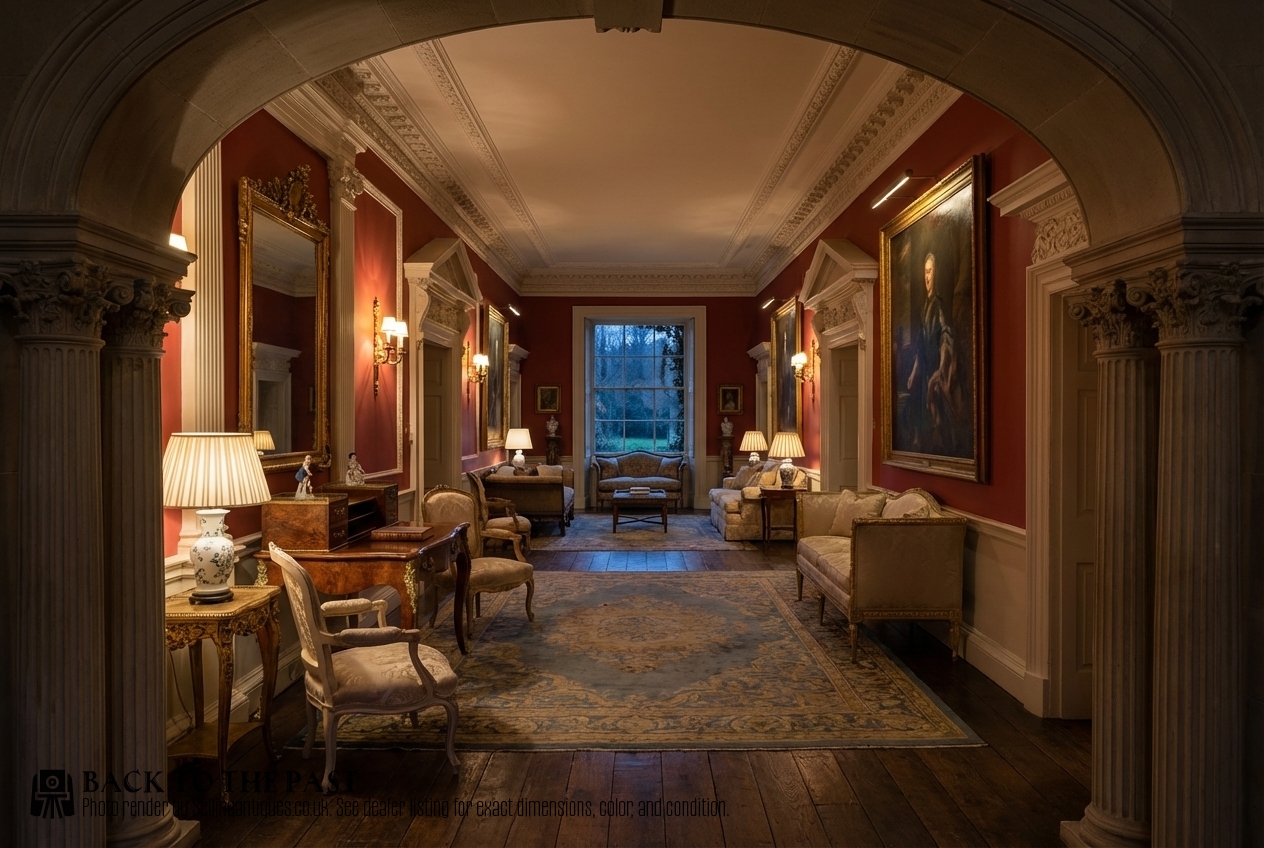
19th-century French Writing Desk, 19th Century
Priced at £2,295 from Shackladys Antiques
Construction relied on complex veneering techniques. Cabinetmakers cut thin sheets of decorative wood to create geometric patterns or floral marquetry.
Dovetail joints secure the small drawers. Hand-cut pins and tails hold the thin timber sections firmly together without screws.
Craftsmen had to balance the slender leg profile against the weight of the superstructure.
"Translated from French, the name means daytime delight. It reflects how these desks were used for light afternoon correspondence."
"Some hide secret compartments. Cabinetmakers occasionally built false bottoms into the central cupboards to hold private letters."
"Wealthy families ordered them specifically as gifts to furnish a new bride's private apartments."
Based on almost 25 years of Sellingantiques UK antique market data, Antique Bonheur De Jour appeared 797 times (out of 1,100,000 antiques) which gives it a rarity score of 85/100.
This score measures scarcity within the Sellingantiques archive only and is not a survey of the entire antiques market, so these statistics may not be indicative of the general availability of Antique Bonheur De Jour elsewhere.
Dust the leather lightly with a soft cloth. A slightly damp cloth can lift light surface dirt. Dry the area immediately to prevent water damage.
Keep polishes and waxes away from the writing surface. They leave a sticky residue that transfers onto your stationery.
You should have loose joints addressed by a professional restorer. A wobbly leg puts undue stress on the carcase. This can lead to serious structural failure if someone leans heavily on the desk.
The repair process involves carefully dismantling the loose joint and removing the old animal hide glue. The restorer will then re-glue and clamp the joint to make the piece stable again.
Small drawers held stationery supplies like nibs and stamps. Open pigeonholes kept current correspondence sorted.
People often adapt these compartments today for storing keys.
Flight holes indicate that woodworm was present at some point. You regularly see historical worm damage in the softer secondary woods like pine or deal used for backboards.
Most old holes are inactive. Look for fine fresh sawdust around the holes to check for a live infestation. A restorer can treat the timber before it comes indoors if you are unsure.
Please note: This Antique Bonheur De Jour guide and its associated pricing data are provided for general informational purposes only. It does not constitute formal financial, investment, or appraisal advice and should not be relied upon as the sole basis for any commercial activity, purchasing, or sales decisions. Sellingantiques.co.uk accepts no liability for any actions taken in reliance on this information. Always consult with a qualified professional or independent appraiser.
