
A 2026 Guide by Sellingantiques
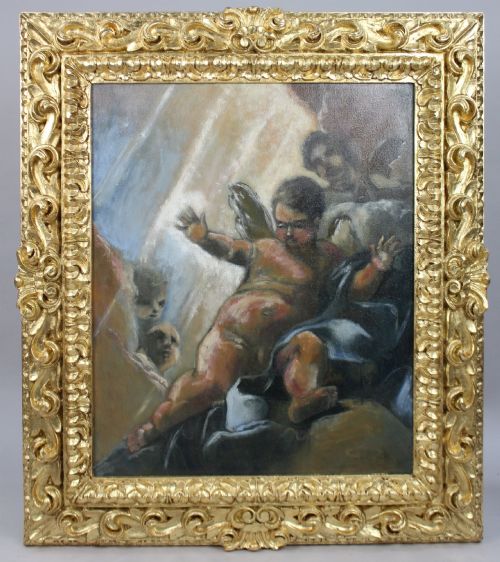
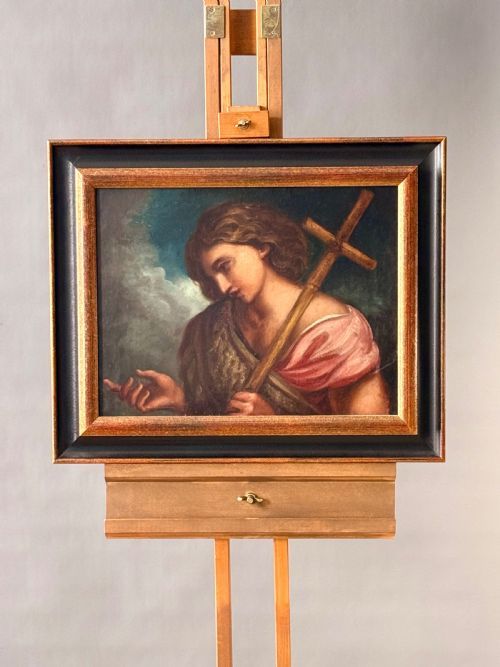
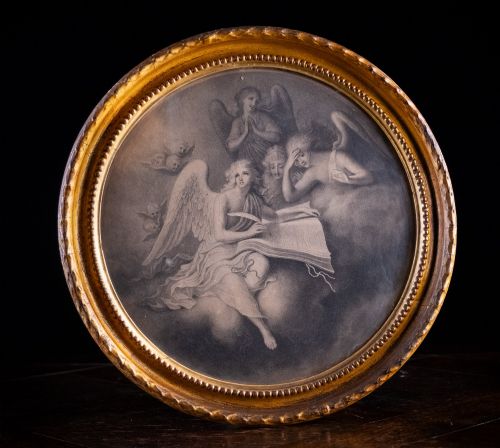
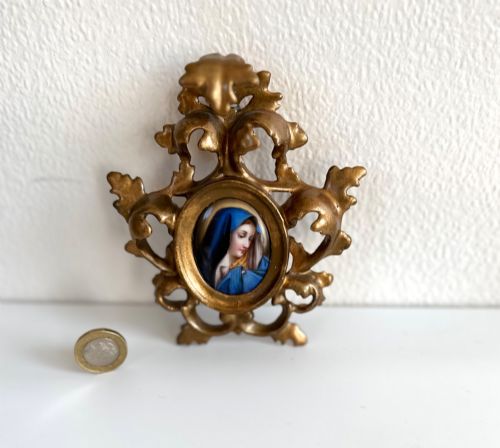
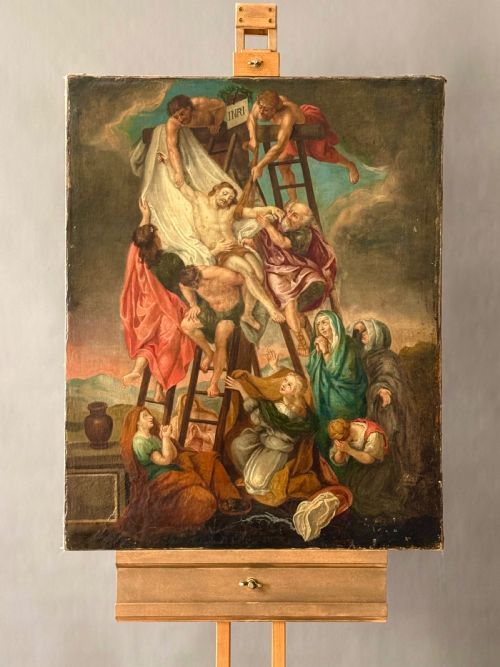
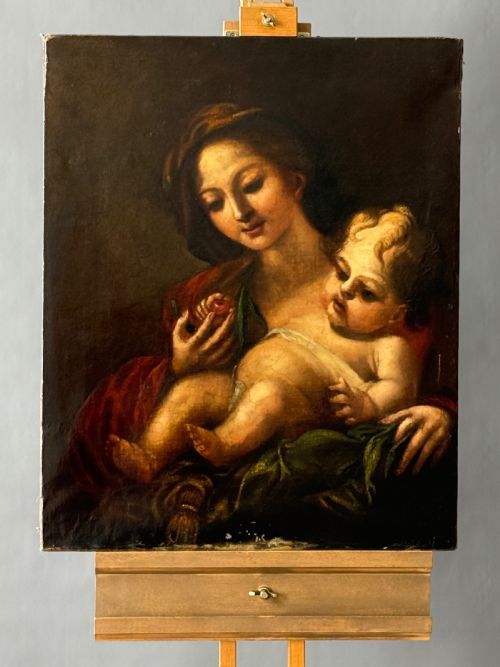
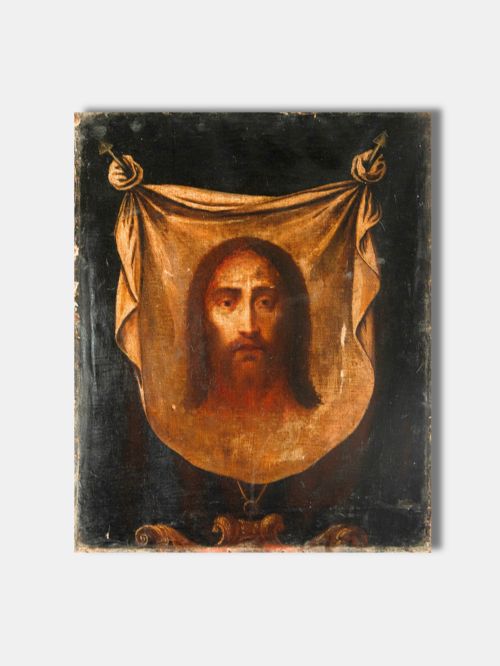
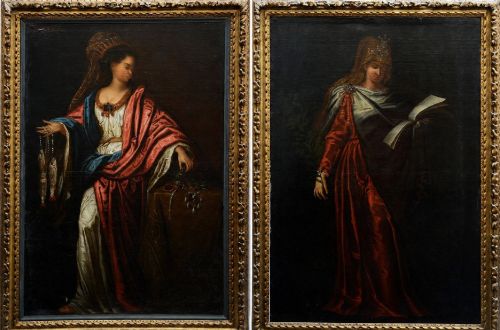
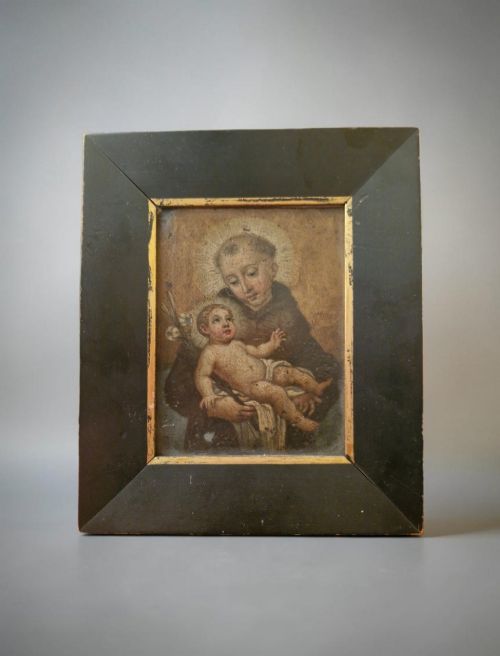
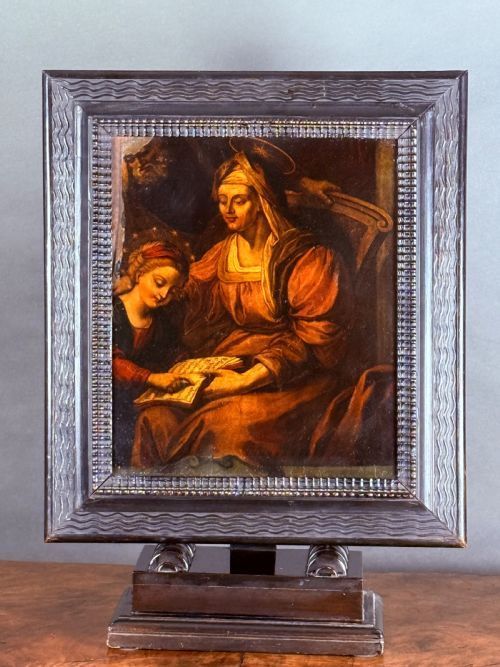
Pieces of antique religious art usually started life in cloisters or local parishes rather than domestic drawing rooms.
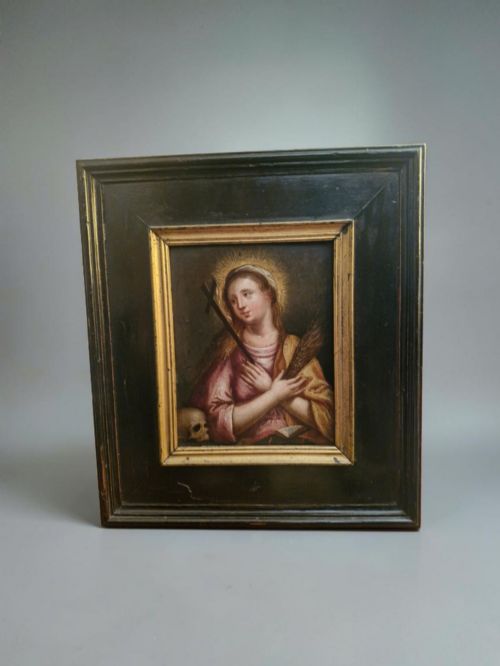
Look at the sheer scale of production during the Counter-Reformation. Workshops turned out thousands of painted panels to reinforce church teachings.
Most domestic icons survived because families passed them down through generations. They lived in specific prayer corners.
Secularisation in the nineteenth century moved a lot of altarpieces onto the open market. State confiscations forced abbeys to sell off their inventories.
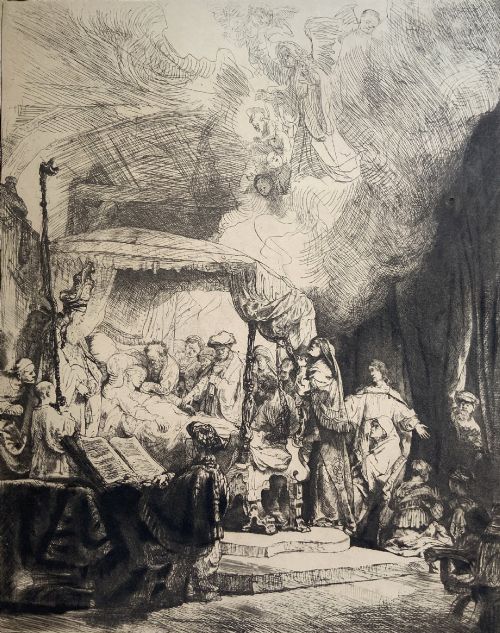
Very few pieces carry a maker's signature. Most emerged from anonymous regional workshops where apprentices and masters shared the labour.
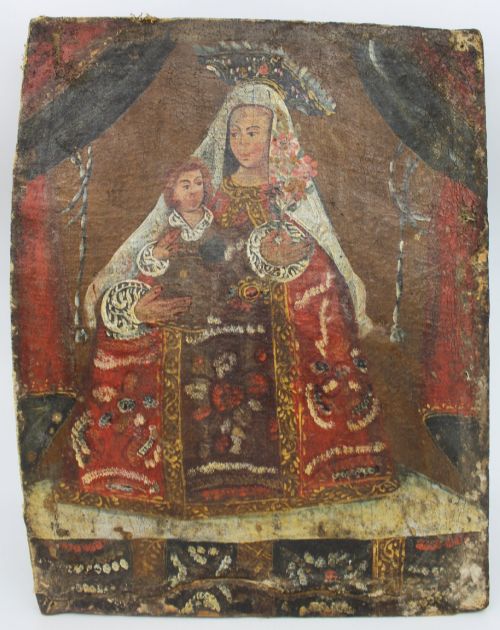
The Cusco School in Peru produced vast numbers of colonial canvases. Native artists blended European techniques with local subjects during the eighteenth century.
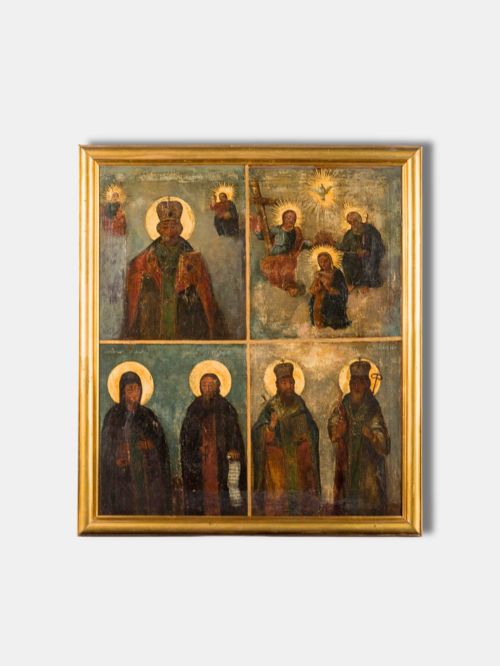
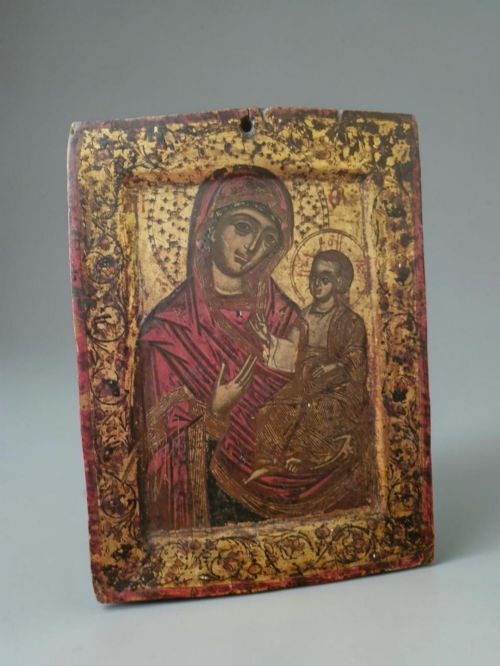
Look into the Mount Athos monasteries. Monks there painted traditional Byzantine icons for centuries, following strict pattern books rather than inventing new compositions.
The 2026 retail price guide for Antique Religious Art is drawn from a proprietary archive of over 1.1 million retail prices indexed by Sellingantiques since 2003. This guide relies exclusively on their own internal data; no external sources or auction records are used.
Analysing nearly 25 years of UK antique market history alongside current retail values, the data indicates that typical UK retail prices for Antique Religious Art range between £400 and £4,000. Entry-level prices generally fall under £400 and premium examples upwards of £4,000.
Halos tell you a lot about date and origin. Flat, tooled gold circles often appear earlier, while later painted rings float in perspective.
Hand gestures in antique religious art hold specific meanings. Raised fingers indicate blessing, while crossed hands denote submission.
Check the reverse of wooden panels. You'll often see heavy battens inserted across the grain to keep the board from bowing.
Carvers often hollowed out the backs of large wooden saints. Removing the pith stops the log from splitting as the timber dries.
Notice the punched tooling on gilded backgrounds. Craftsmen struck metal stamps into the soft gesso to catch candlelight.
Early panel painters built up layers in thin, cross-hatched strokes. Later oils allowed for sweeping blends that hid the brushwork.
"Some portable icons functioned as travel companions. Merchants carried tiny cast brass folding panels in their pockets on long journeys."
"Pigment choices sometimes doubled as physical offerings. Patrons paid extra for crushed lapis lazuli to honour the figure depicted."
"Hidden relics sometimes rest inside carved wooden figures. A small sealed cavity in the chest or back might hold a scrap of linen."
Based on almost 25 years of Sellingantiques UK antique market data, Antique Religious Art appeared 886 times (out of 1,100,000 antiques) which gives it a rarity score of 84/100.
This score measures scarcity within the Sellingantiques archive only and is not a survey of the entire antiques market, so these statistics may not be indicative of the general availability of Antique Religious Art elsewhere.
Don't tackle centuries of soot yourself. The blackened grime often sits trapped between degrading layers of varnish and the delicate tempera paint below. Modern household solvents will strip the image right off the panel.
Leave the surface alone until a conservator looks at it. They use custom solvent blends on cotton swabs, testing tiny corners first. A dusty, dark surface is always safer than a ruined face.
Put the arm in a safe place and resist the wood glue. Standard modern adhesives soak into the porous timber and harden like stone. When the wood shrinks next winter, the joint will crack somewhere new.
Old wooden statuary was assembled using hide glue. A specialist will clean the old joint and use a reversible animal glue to reattach the limb. If you use synthetic glue now, it's got to be drilled out later.
Those letters abbreviate the names of holy figures. You'll often see IC XC near the top of a panel, which stands for Jesus Christ.
Other common monograms include MP OY for the Mother of God. The lettering grounds the image in theological tradition and identifies the subject.
Foundries did turn out repetitive forms. A successful master pattern was pressed into casting sand again and again to meet the steady demand from parishes.
Even before steam power, bronze and brass workshops operated efficiently. Apprentices filed the rough seams while the master handled the tricky chasing on the base.
They're not industrial factories, but they were organised businesses. Similar designs pop up because a popular mould stayed in use for decades.
Please note: This Antique Religious Art guide and its associated pricing data are provided for general informational purposes only. It does not constitute formal financial, investment, or appraisal advice and should not be relied upon as the sole basis for any commercial activity, purchasing, or sales decisions. Sellingantiques.co.uk accepts no liability for any actions taken in reliance on this information. Always consult with a qualified professional or independent appraiser.
