
A 2026 Guide by Sellingantiques
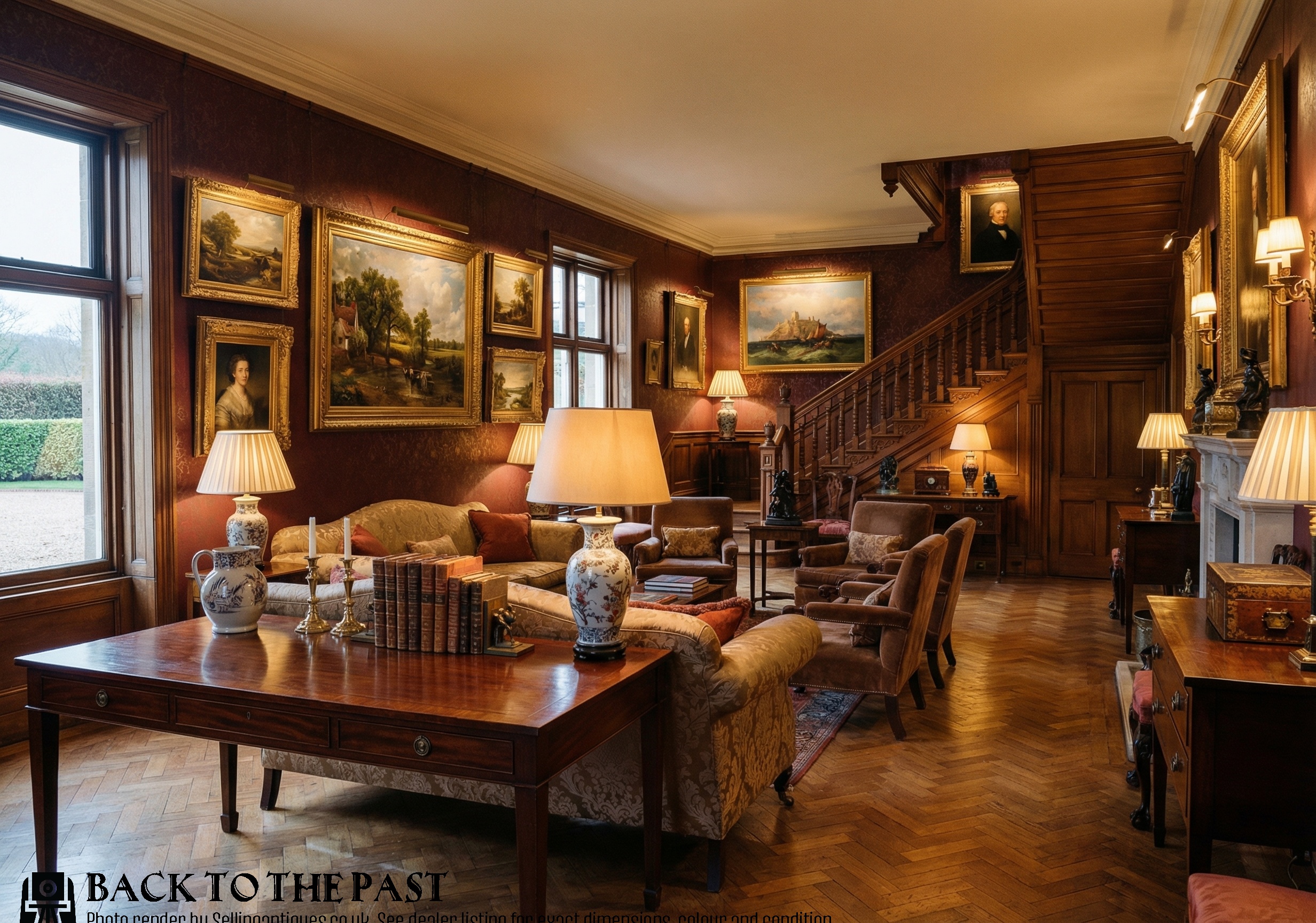
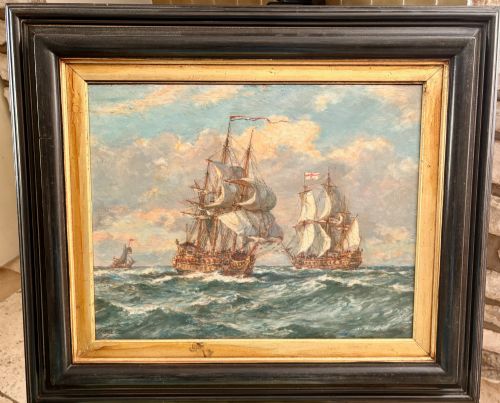
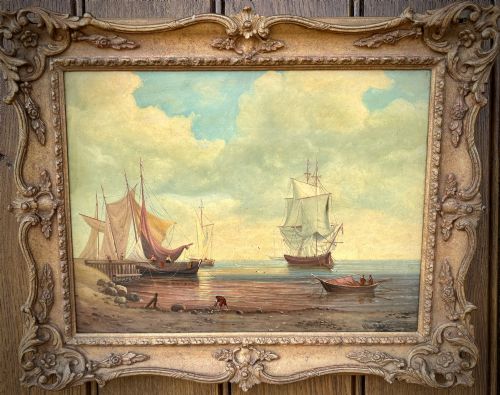
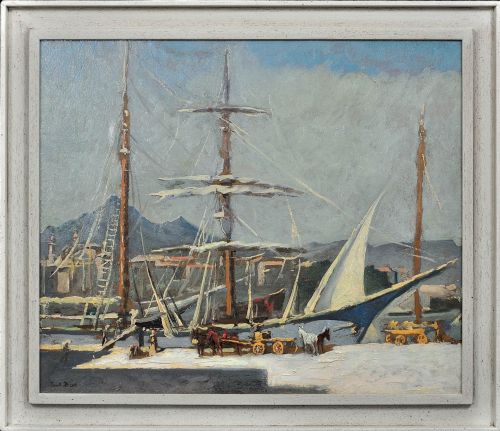
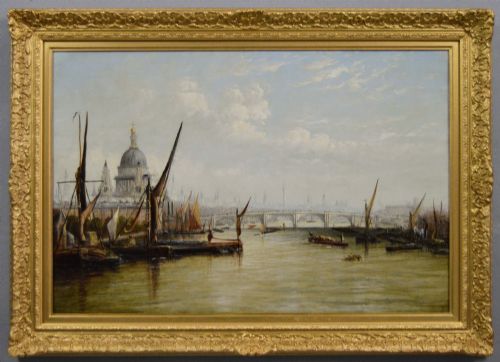
Oil Painting Attributed to Hendrik Willebrord Jansen "Shipping in the Mediterranean", 19th Century
Priced at £3,850 from Walton House Antiques
Dutch artists started the tradition in the seventeenth century. They painted large naval battles and trade fleets.
Look at eighteenth-century British works. Naval officers wanted accurate records of their commands and engagements.
Nineteenth-century trade expansion created a large market for ship portraits. Captains bought them in port cities like Liverpool, Antwerp and Canton.
Pierhead painters worked fast. They knocked out portraits while the ship was docked.
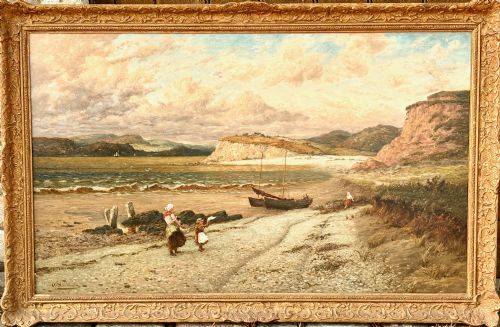
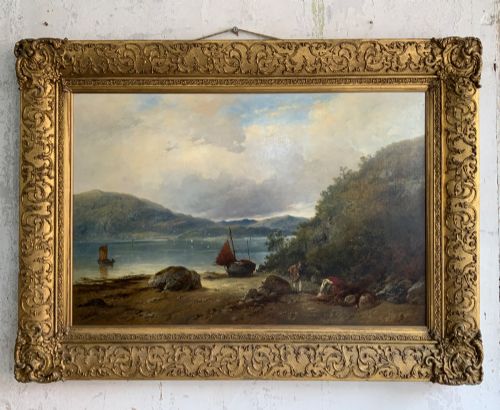
Not all antique marine paintings show deep water. Coastal scenes and estuary views became popular with the rise of domestic seaside tourism.
Willem van de Velde the Younger set the standard in the late seventeenth century. He worked for both the Dutch Republic and the English Crown.
Montague Dawson painted active clippers during the early to mid-twentieth century. His works focus heavily on dynamic seas and tension in the rigging.
Royal Navy veteran Thomas Buttersworth understood ship handling. He painted late eighteenth and early nineteenth-century naval engagements from direct experience.
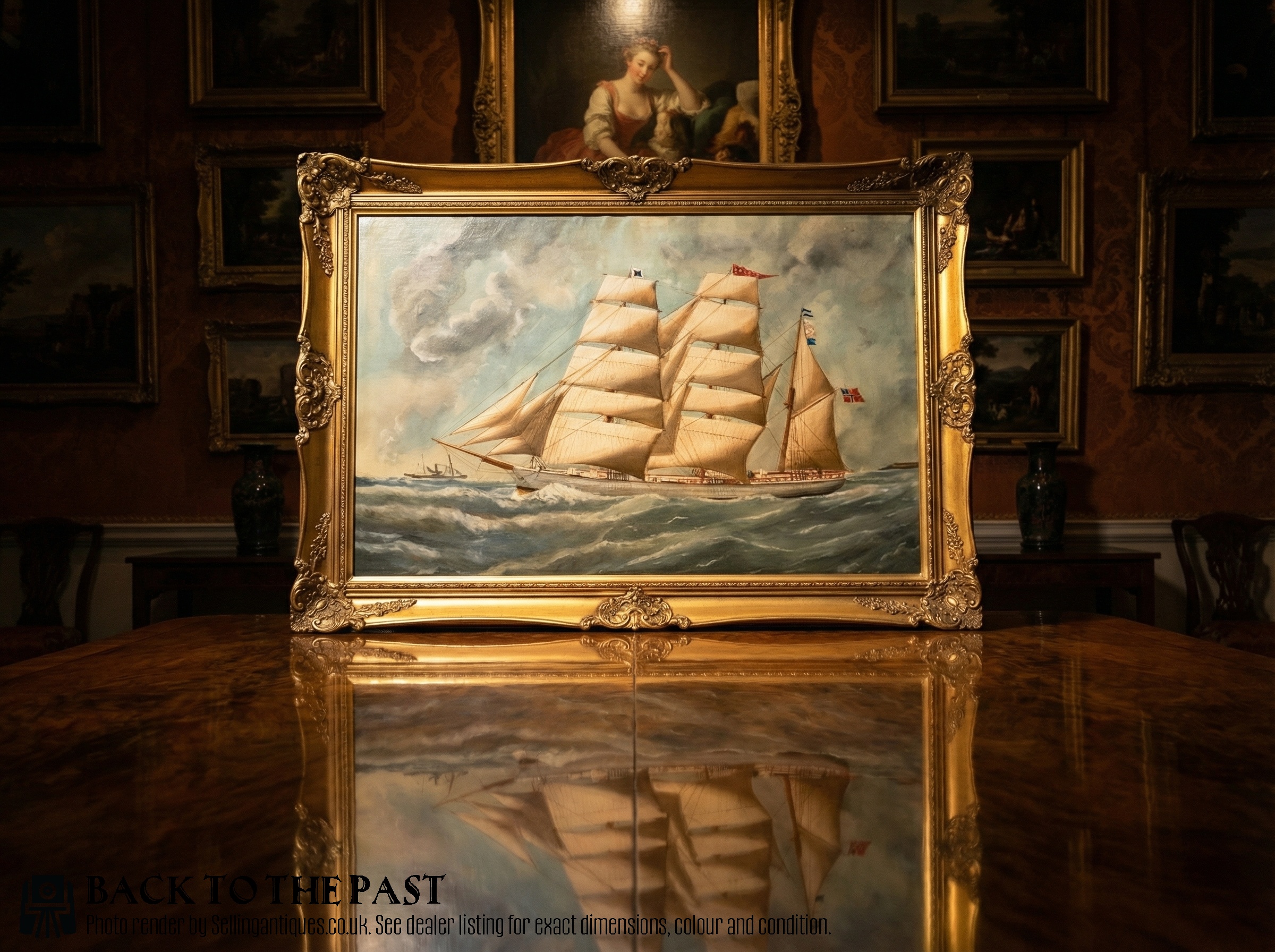
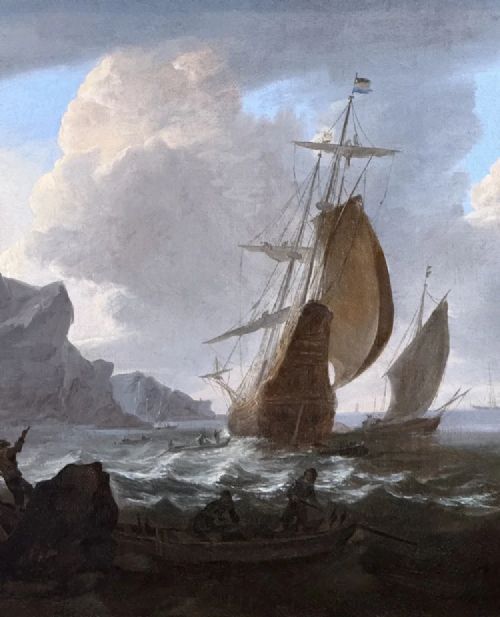
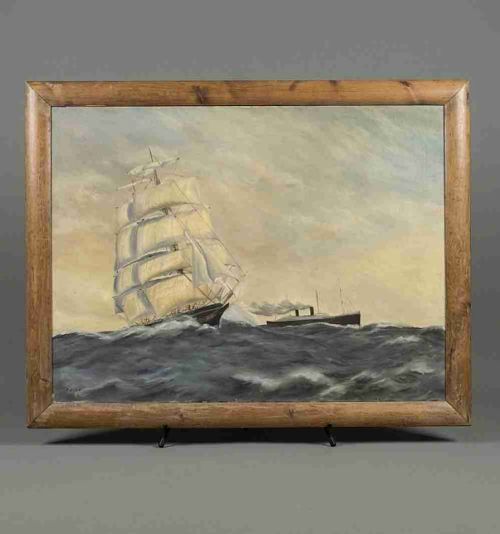
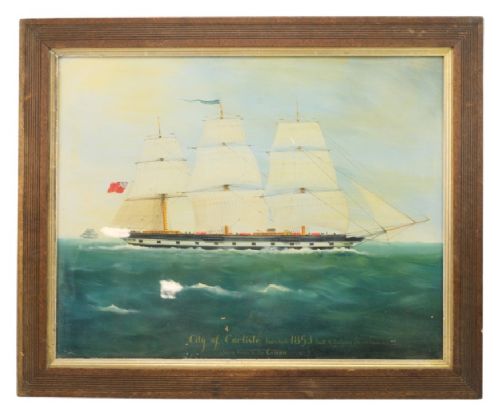
19th Historical Marine Oil Painting Three Masted Schooner Sailing Ship Norwegian Wooden Barque, 1890
Priced at £2,695 from Mansion House Antiques & Fine Art
The 2026 retail price guide for Antique Marine Paintings is drawn from a proprietary archive of over 1.1 million retail prices indexed by Sellingantiques since 2003. This guide relies exclusively on their own internal data; no external sources or auction records are used.
Analysing nearly 25 years of UK antique market history alongside current retail values, the data indicates that typical UK retail prices for Antique Marine Paintings range between £500 and £4,900. Entry-level prices generally fall under £500 and premium examples upwards of £4,900.
Rigging accuracy matters. A proper ship portrait shows the correct mast configuration and sail plan for that specific vessel.
Flags provide useful clues. House flags on the mainmast identify the shipping line.
Look for sea state and weather. Artists matched the wave action to the amount of canvas the ship was carrying.
Early artists built up the sea in thin glazes. This creates a translucent effect on the water.
Rigging was often painted with a rigger brush. This long-bristled tool holds enough paint to draw a continuous fine line without reloading.
Notice the transition to impasto. Later nineteenth-century painters applied thick paint to the wave crests to catch the light.
"Artists sometimes painted the same ship twice on one canvas. They show a broadside view alongside a stern view to capture all the details."
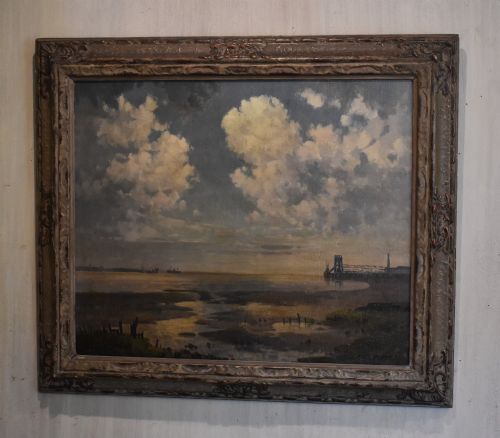
"The sky takes up two-thirds of the canvas in many Dutch examples. This gave the painter room to show off complex cloud formations."
"Chinese export painters incorporated Western techniques. They blended traditional Chinese brushwork with European perspective to satisfy foreign captains."
Based on almost 25 years of Sellingantiques UK antique market data, Antique Marine Paintings appeared 1088 times (out of 1,100,000 antiques) which gives it a rarity score of 80/100.
This score measures scarcity within the Sellingantiques archive only and is not a survey of the entire antiques market, so these statistics may not be indicative of the general availability of Antique Marine Paintings elsewhere.
The ship is sailing faster than the following wind. Wind fills the sails from behind, but the vessel's forward momentum creates an apparent wind across the deck.
This pushes the flags toward the bow. It looks odd to a landlubber, but it shows the artist understood marine physics.
Start with the local landmarks. Artists painting ship portraits often included a prominent lighthouse or fort to anchor the location. Liverpool works frequently show the Perch Rock battery, while Chinese export paintings feature the hongs at Canton.
Check the signal flags if they're flying. Captains hoisted their identifying number when approaching their home port so the owners knew they'd arrived.
A black hull with a white stripe was the standard paint scheme for many nineteenth-century merchant vessels. It mimics the gunports of naval frigates.
Shipowners thought it deterred pirates. They painted false gunports into the white stripe to make a trading vessel look heavily armed from a distance.
The original colour was likely much bluer. The green tone you see is usually a result of the varnish ageing.
Traditional natural resin varnishes turn yellow over time. When a yellow layer sits over a blue painted sea, the optical mix reads as green to the eye.
Once you clean it, you'll often find a strong blue sea underneath. Marine artists used pigments like Prussian blue, which hold their colour well.
Please note: This Antique Marine Paintings guide and its associated pricing data are provided for general informational purposes only. It does not constitute formal financial, investment, or appraisal advice and should not be relied upon as the sole basis for any commercial activity, purchasing, or sales decisions. Sellingantiques.co.uk accepts no liability for any actions taken in reliance on this information. Always consult with a qualified professional or independent appraiser.
