




A 2026 Guide by Sellingantiques
Commercial advertising shifted in the late nineteenth century when colour lithography allowed large print runs.
Turn the clock back to the 1890s, and Paris streets were effectively open-air galleries plastered with these advertisements.
Early antique posters focused heavily on entertainment, especially theatre and cycling, before expanding into wartime propaganda and tourism.
Government bodies often commissioned them during the first world war to recruit soldiers or sell war bonds.
Jules Chéret worked in Paris from the 1860s and essentially pioneered the three-colour lithographic process that defined the medium.
Alphonse Mucha dominated the trade in the late 1890s, producing highly stylised theatrical advertisements and commercial panels.
Leonetto Cappiello shifted the industry standard after 1900 by placing bold, singular figures against stark, dark backgrounds.
The 2026 retail price guide for Antique Posters is drawn from a proprietary archive of over 1.1 million retail prices indexed by Sellingantiques since 2003. This guide relies exclusively on their own internal data; no external sources or auction records are used.
Analysing nearly 25 years of UK antique market history alongside current retail values, the data indicates that typical UK retail prices for Antique Posters range between £600 and £9,800. Entry-level prices generally fall under £600 and premium examples upwards of £9,800.
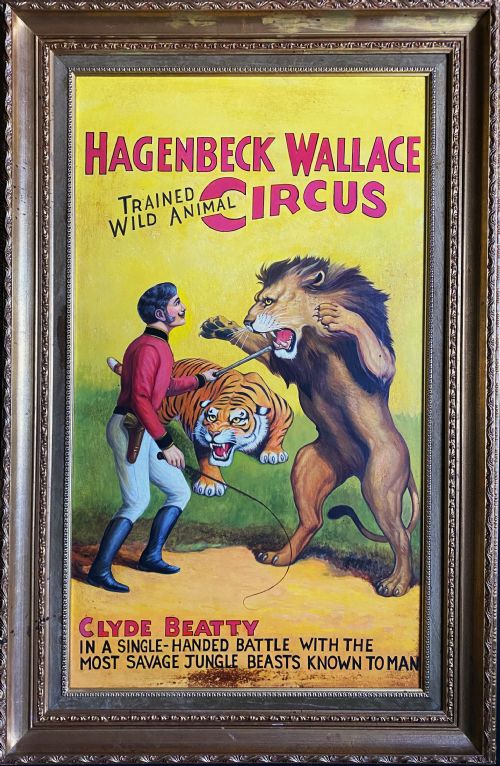
Bold typography is standard, usually integrated directly into the central illustration rather than separated into a distinct text box.
Check the lower corners for printer details, as publishing houses regularly stamped their name and city just outside the main border.
Large flat areas of solid colour define the classic style, a direct result of the stone printing technique.
Stone lithography required artists to draw their designs in reverse directly onto heavy limestone blocks using a greasy crayon.
Each colour needed a separate stone, meaning complex designs required running the same sheet of paper through the press multiple times.
Offset printing eventually replaced the stones in the mid-twentieth century, allowing faster production using flexible metal plates and photographic transfers.
"Many famous designs were never actually pasted onto walls, as collectors bought them directly from the print shops as soon as they rolled off the press."
"The massive sizes sometimes required printing the design across two or three separate sheets of paper that bill stickers aligned on the wall."
"Railway companies gave away smaller versions of their platform advertisements to travel agents for window displays."
Based on almost 25 years of Sellingantiques UK antique market data, Antique Posters appeared 646 times (out of 1,100,000 antiques) which gives it a rarity score of 88/100.
This score measures scarcity within the Sellingantiques archive only and is not a survey of the entire antiques market, so these statistics may not be indicative of the general availability of Antique Posters elsewhere.
Professional conservators place rolled paper in a humidity chamber to relax the fibres. Trying to force dry paper flat risks cracking the ink.
Leave this to a specialist. They use controlled moisture and heavy blotters to slowly press the sheet flat.
This is an archival mounting method used by dealers and collectors to preserve fragile paper. The piece is washed and then adhered to a layer of acid-free paper glued to cotton canvas.
It makes large formats much easier to handle and frame. The process stops minor edge tears from worsening and provides a stable base for conservation work.
Getting rid of damp odours takes patience and good air circulation. You can place the affected sheets in a sealed container alongside a bowl of baking soda, making sure the powder never touches the paper itself.
Leave them enclosed for a few weeks to draw out the smell. If the mustiness comes with visible dark spots, that points to active mould growth.
Active mould requires professional treatment. A paper conservator will need to clean the surface to stop the spores from eating through the material.
Printing presses at the turn of the century could only accommodate a specific width of paper. Designers working on massive outdoor hoardings had to plan their artwork across multiple overlapping sheets.
Bill stickers would assemble the separate sections directly on the wall using paste. Surviving multi-sheet examples are standard and show exactly how the original trade operated.
Please note: This Antique Posters guide and its associated pricing data are provided for general informational purposes only. It does not constitute formal financial, investment, or appraisal advice and should not be relied upon as the sole basis for any commercial activity, purchasing, or sales decisions. Sellingantiques.co.uk accepts no liability for any actions taken in reliance on this information. Always consult with a qualified professional or independent appraiser.
