


A 2026 Guide by Sellingantiques
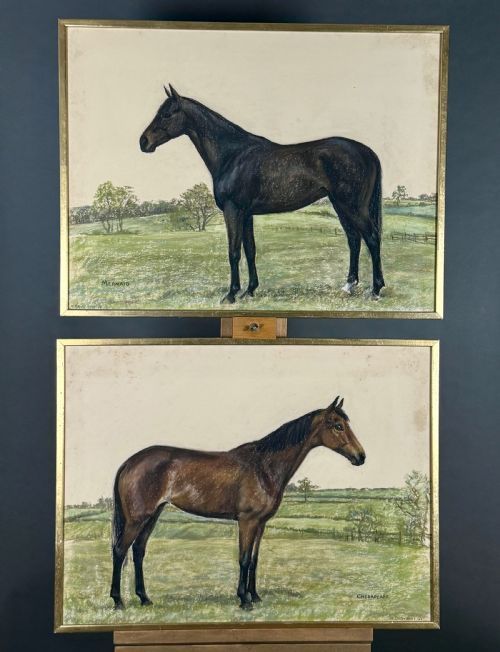
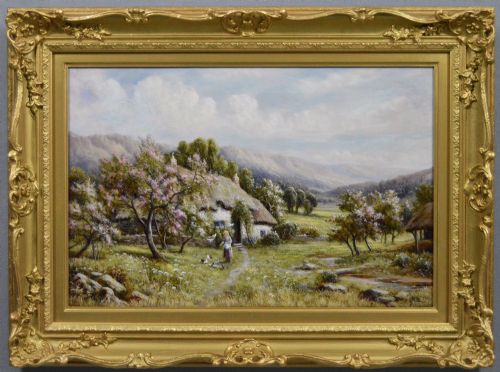
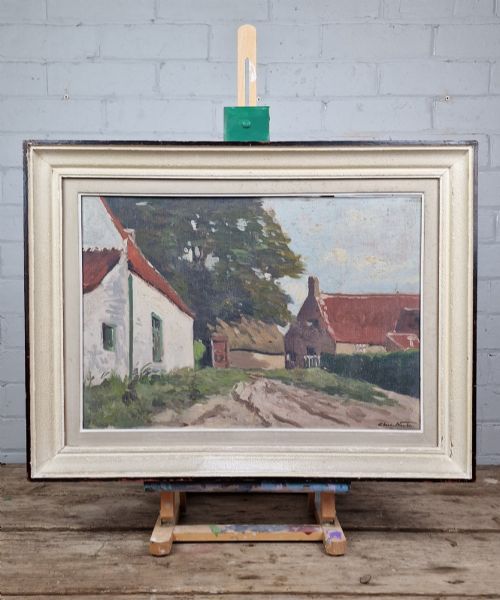
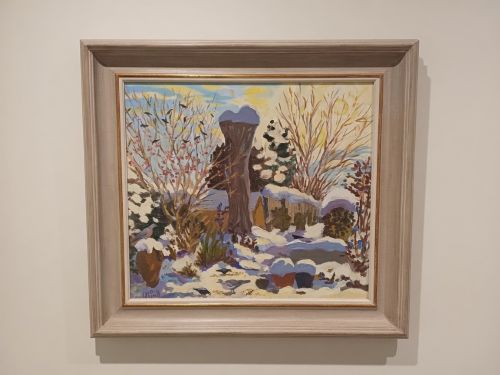
Wonderful 20thc Vintage Signed Farmland Landscape Oil Painting Circa 1960, 1960
Priced at £329 from Artsonline
A slow transition from background filler to the main subject. Earlier centuries relegated trees and hills behind religious figures.
Look at seventeenth-century Dutch works to see when the genre really took off independently.
Wealthy patrons on the Grand Tour bought Italian vistas as souvenirs of their travels across Europe.
Later movements pushed painters out of the studio to work directly in the open air.
Antique landscape paintings often reflect shifting attitudes towards land ownership and rural industry.
John Constable focused heavily on the rural scenery of Suffolk during the early nineteenth century.
J.M.W. Turner pushed the boundaries of the genre with abstract treatments of light and weather.
The Norwich School formed a strong regional group dedicated to local topography.

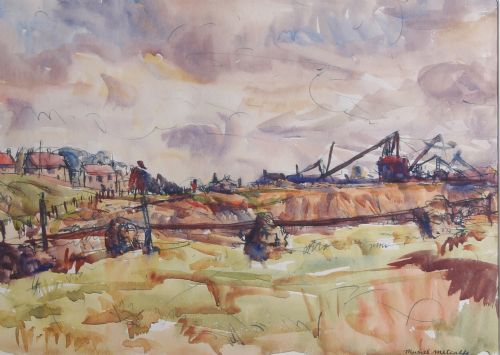
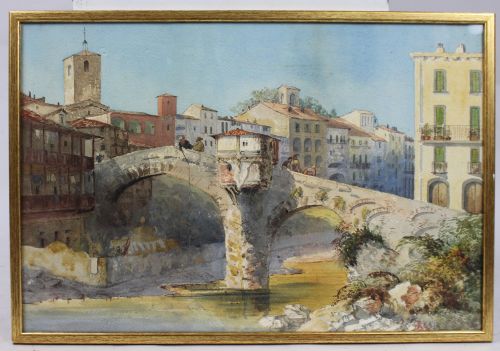
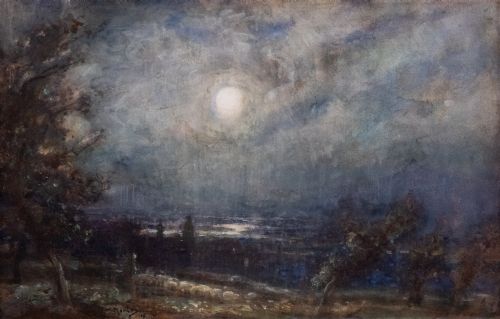
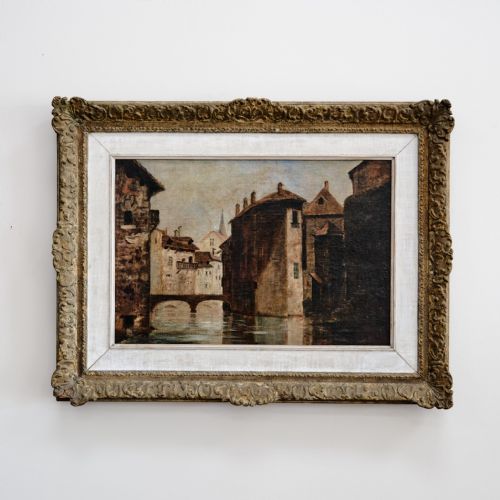
Robert Winchester Fraser (1848-1906): Watercolour Painting “Eyot, Near Marlow, 1891”, 1890
Priced at £245 from Quiet Street Antiques of Bath
The 2026 retail price guide for Antique Landscape Paintings is drawn from a proprietary archive of over 1.1 million retail prices indexed by Sellingantiques since 2003. This guide relies exclusively on their own internal data; no external sources or auction records are used.
Analysing nearly 25 years of UK antique market history alongside current retail values, the data indicates that typical UK retail prices for Antique Landscape Paintings range between £300 and £4,000. Entry-level prices generally fall under £300 and premium examples upwards of £4,000.
Atmospheric perspective pushes distant hills into blue or grey tones to create an illusion of depth.
Staffage refers to the tiny figures or animals scattered across the foreground to provide a sense of scale.
Notice the horizon line. Lower horizons emphasise dramatic skies, while higher ones focus on the terrain itself.
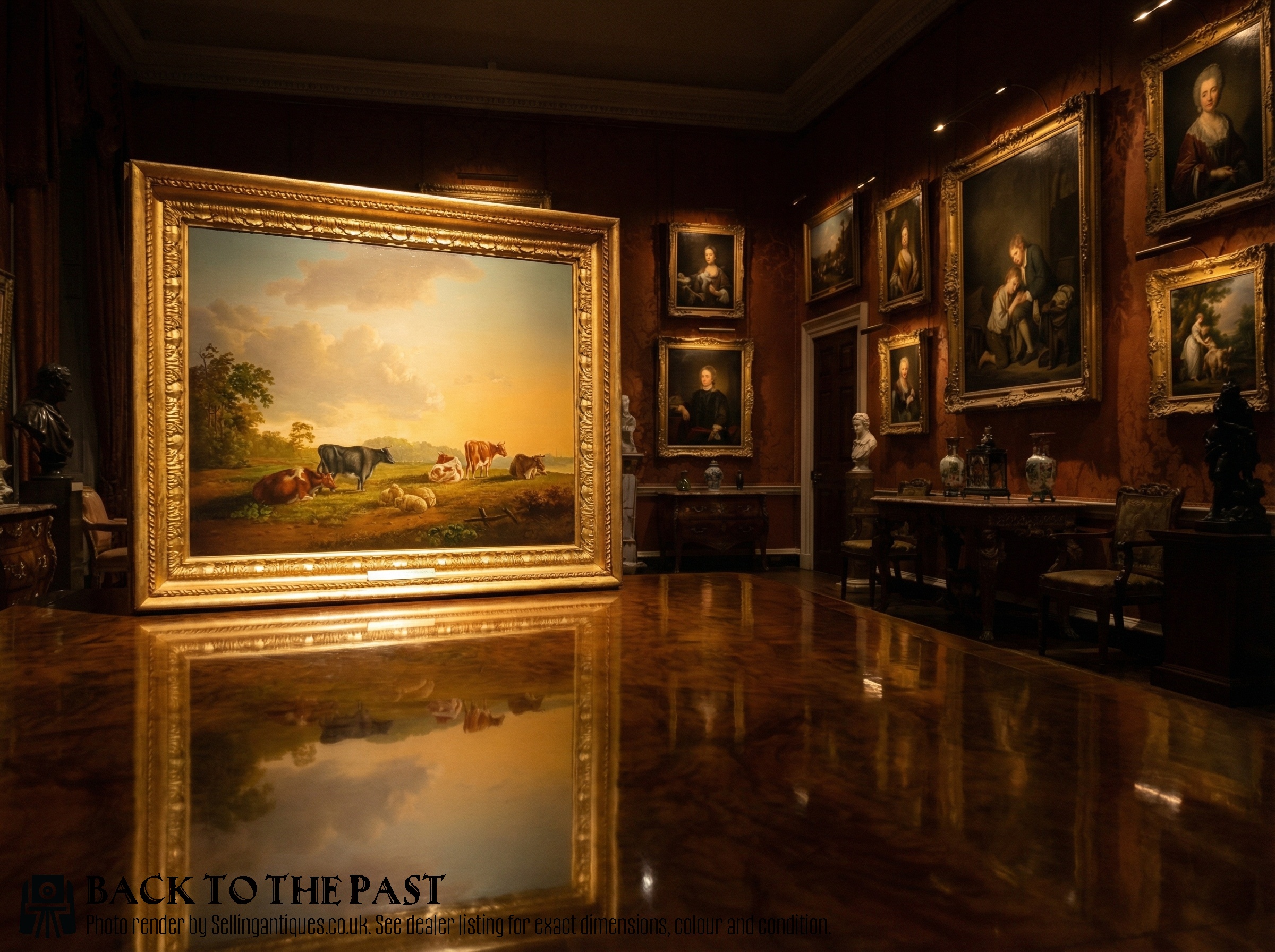
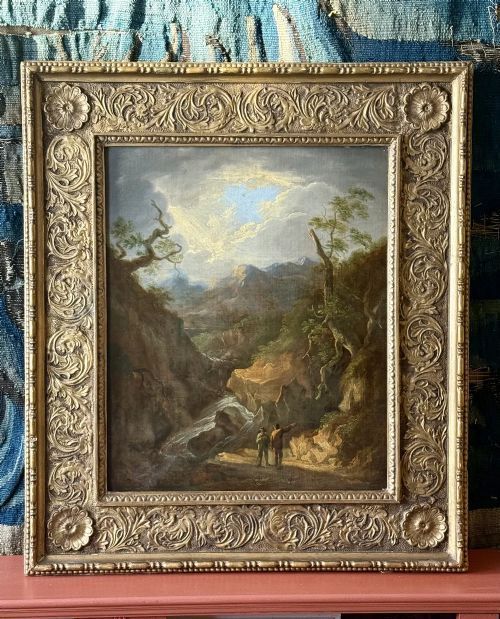
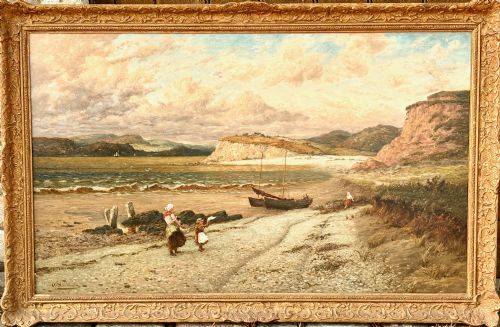
Eugene Verboeckhoven (1798 - 1881) Landscape with Animals Oil on Canvas.
, 19th Century
Priced at £8,950 from Christopher Tombs Antiques Ltd
Artists slowly built up scenes using a tonal underpainting before applying layers of local colour.
The introduction of collapsible metal paint tubes allowed for easier transport and quicker execution on site.
Bristle brushes left distinct marks in the wet surface compared to the smoother finish of softer animal hair.
"Many unsigned regional pieces hide immense topographical value. They capture lost field patterns and old river courses."
"The skies often act as accurate meteorological records. You can identify specific cloud formations typical of the depicted season."
"A lot of these compositions rely on mathematical ratios like the golden section to balance water and land."
Based on almost 25 years of Sellingantiques UK antique market data, Antique Landscape Paintings appeared 7874 times (out of 1,100,000 antiques) which gives it a rarity score of 21/100.
This score measures scarcity within the Sellingantiques archive only and is not a survey of the entire antiques market, so these statistics may not be indicative of the general availability of Antique Landscape Paintings elsewhere.
Dusting lightly with a soft, dry brush removes loose surface matter safely. Damp cloths risk pushing dirt into the craquelure or lifting unstable flakes of paint.
Anything beyond light dusting requires a trained conservator. They use specific solvent mixtures tested on tiny edge areas to dissolve old varnish without touching the pigment beneath.
Canvas tears are standard repair jobs in the trade. A restorer will usually line the back of the original canvas with a new supportive fabric using a reversible adhesive.
Once the structure is stable, they fill the gap from the front. The final step is careful retouching to match the surrounding landscape, confining the new paint strictly to the area of loss.
Relining means attaching a secondary canvas to the back of the original one. This process reinforces brittle or torn antique landscape paintings.
You often spot this by looking at the back edges. If the canvas wrapped around the stretcher looks newer or stiffer than the front surface, it has likely been lined.
Early watercolour artists often used unstable blue pigments like indigo or Prussian blue for their skies. These fugitive colours fade when exposed to daylight over several decades.
The darker earth pigments used for trees and soil contain iron oxides. These are much more lightfast and stay strong long after the sky has vanished.
Please note: This Antique Landscape Paintings guide and its associated pricing data are provided for general informational purposes only. It does not constitute formal financial, investment, or appraisal advice and should not be relied upon as the sole basis for any commercial activity, purchasing, or sales decisions. Sellingantiques.co.uk accepts no liability for any actions taken in reliance on this information. Always consult with a qualified professional or independent appraiser.
