




Yellow Tribal Rug
When you search for yellow tribal rug, you encounter hand-woven textiles and runners from Caucasian, Anatolian, and Central Asian traditions.
Yellow Tribal Rug
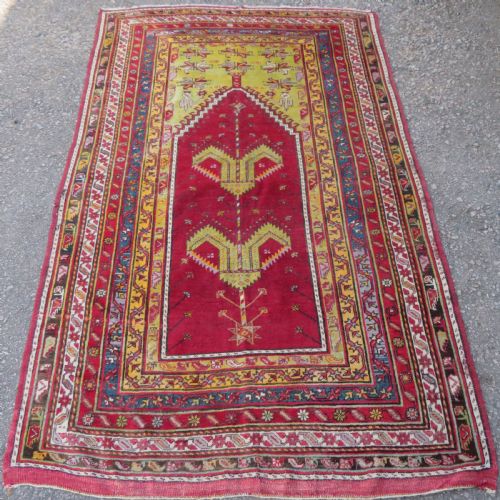
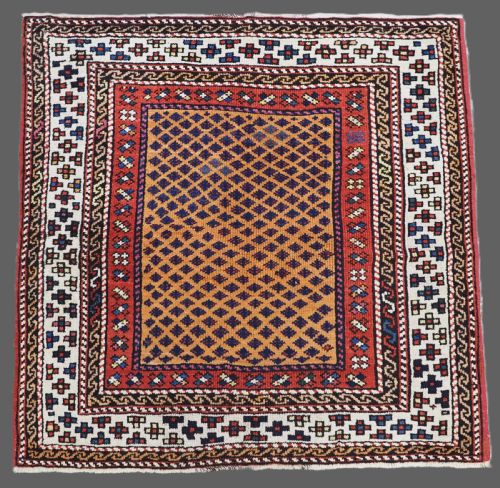
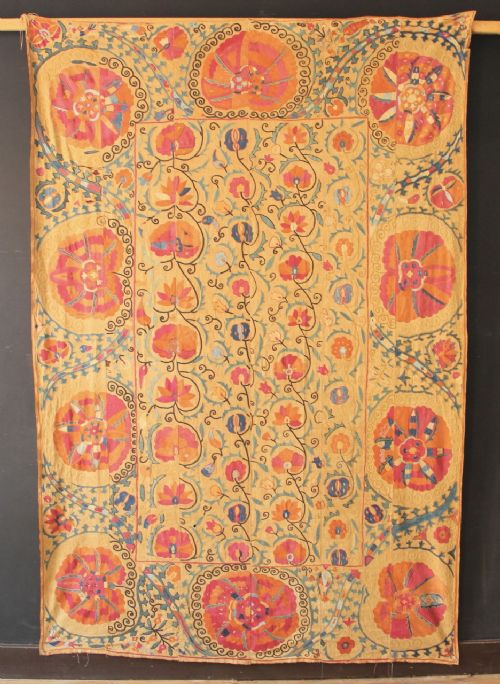
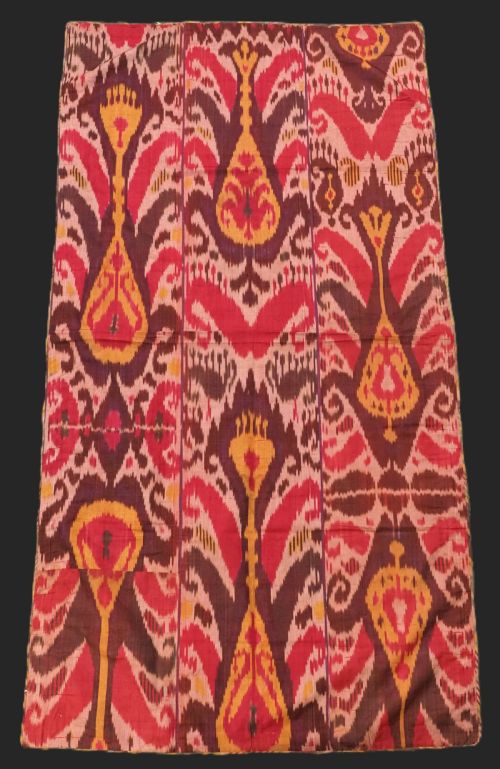
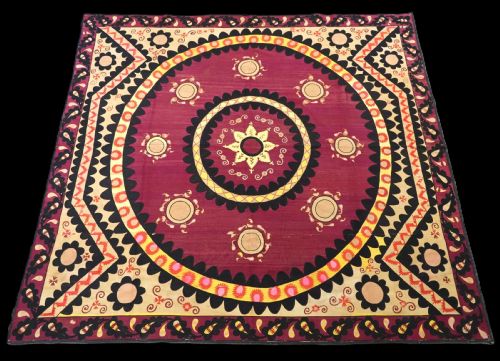
A yellow tribal rug brings together flat-woven kilims, pile carpets, and embroidered panels produced across the Caucasus, Anatolia, and Central Asia. These items emerge from nomadic and village traditions spanning the nineteenth and early twentieth centuries.
Makers ranged from Kurdish and Turkmen weavers to Armenian and Uzbek artisans. Each group utilised distinct local symbols and structural techniques passed down through generations.
How they were made
Weavers relied principally on wool, cotton, and silk, often incorporating hand-spun wool for foundations and pile. Natural dyes provided the distinct colour palette found across these regional textiles.
Construction methods varied from pile knots on wool foundations to flat-woven kilim structures and detailed embroidery on fabric panels. Artisans also employed soumak wrapping and structural variations suited to local domestic requirements.
Materials represented include hand-spun wool, cotton, silk, and natural dyes across diverse regional workshops.
What varies in quality
Quality rests upon the crispness of the graphic design and the saturation of the natural dyes. Pieces with balanced proportions and clear regional motifs stand apart from simpler village work.
The integrity of the weave, the handling of the wool, and the preservation of the edges and surface all influence the standing of an individual textile.
The Yellow Tribal Rug Glossary
- Kilim
- A flat-woven carpet or rug produced without a pile. These textiles rely on interlocking weft threads to create sharp geometric patterns.
- Soumak
- A flat-weave technique involving supplementary weft wrapping that creates a braided texture on the face of the textile.
- Prayer rug
- A small rug featuring a mihrab design used traditionally for daily devotions. The niche points towards Mecca during use.
- Medallion
- A central ornamental motif placed in the field of a rug. This design element anchors the surrounding patterns and borders.
Yellow Tribal Rug: Frequently Asked Questions
How do I care for an antique rug?
Keep the textile out of direct sunlight to protect the natural dyes from fading over time. Regular gentle vacuuming without a beater bar removes trapped dust without damaging the wool pile.
Rotate the rug periodically to ensure even wear across high-traffic areas. Professional cleaning should occur infrequently and only by specialists familiar with historic tribal woollens.
Where were these rugs made?
The pieces originate from nomadic and village communities across the Caucasus, Anatolia, and Central Asia. Specific weaving traditions developed within regions such as Shirvan, Karabagh, and various parts of Turkey and Turkmenistan.
Each geographic area developed distinct colour palettes and geometric vocabularies. These regional traits help identify the specific tribal groups responsible for the weaving.
What is a bagface?
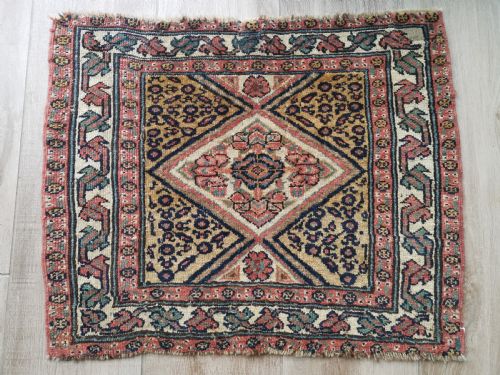
A bagface is the decorative front portion of a utilitarian tribal storage sack. Nomadic families used these woven panels for packing and transporting belongings on animals.
When removed from the original base structure, the sturdy pile face functions successfully as a small wall hanging or collector's mat.
Are natural dyes easy to spot?
Natural dyes derived from plants, insects, and minerals display a characteristic depth and subtle variation in tone. Colours often mellow gracefully across the surface of the wool as the textile ages.
Synthetic dyes introduced later in the nineteenth century can appear more uniform and sometimes harsh. Examining the base of the pile helps reveal how the dye penetrated the individual wool fibres.