


Yellow Wool Carpet
A yellow wool carpet brings warmth and colour to a room through traditional pile or flatweave construction.
Yellow Wool Carpet
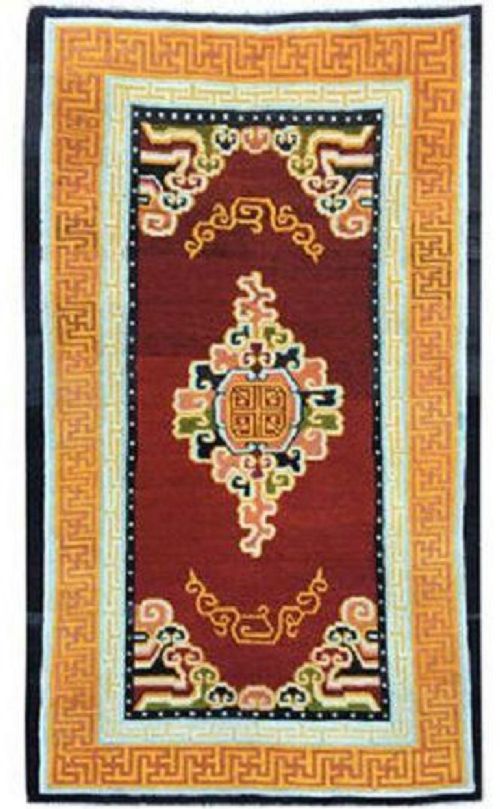
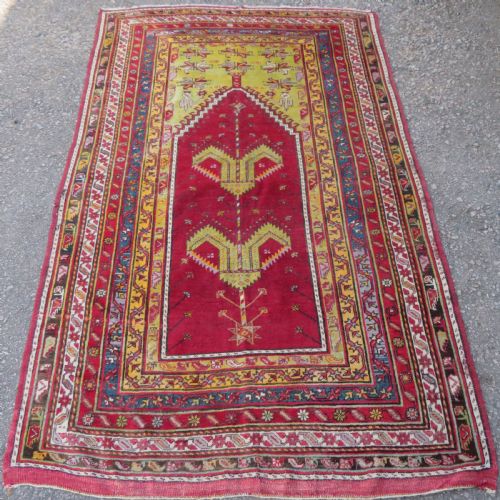
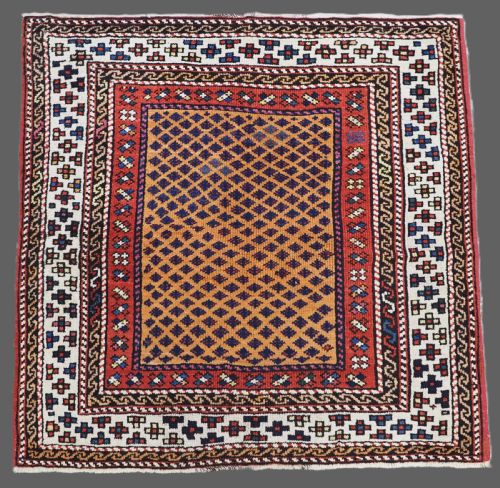
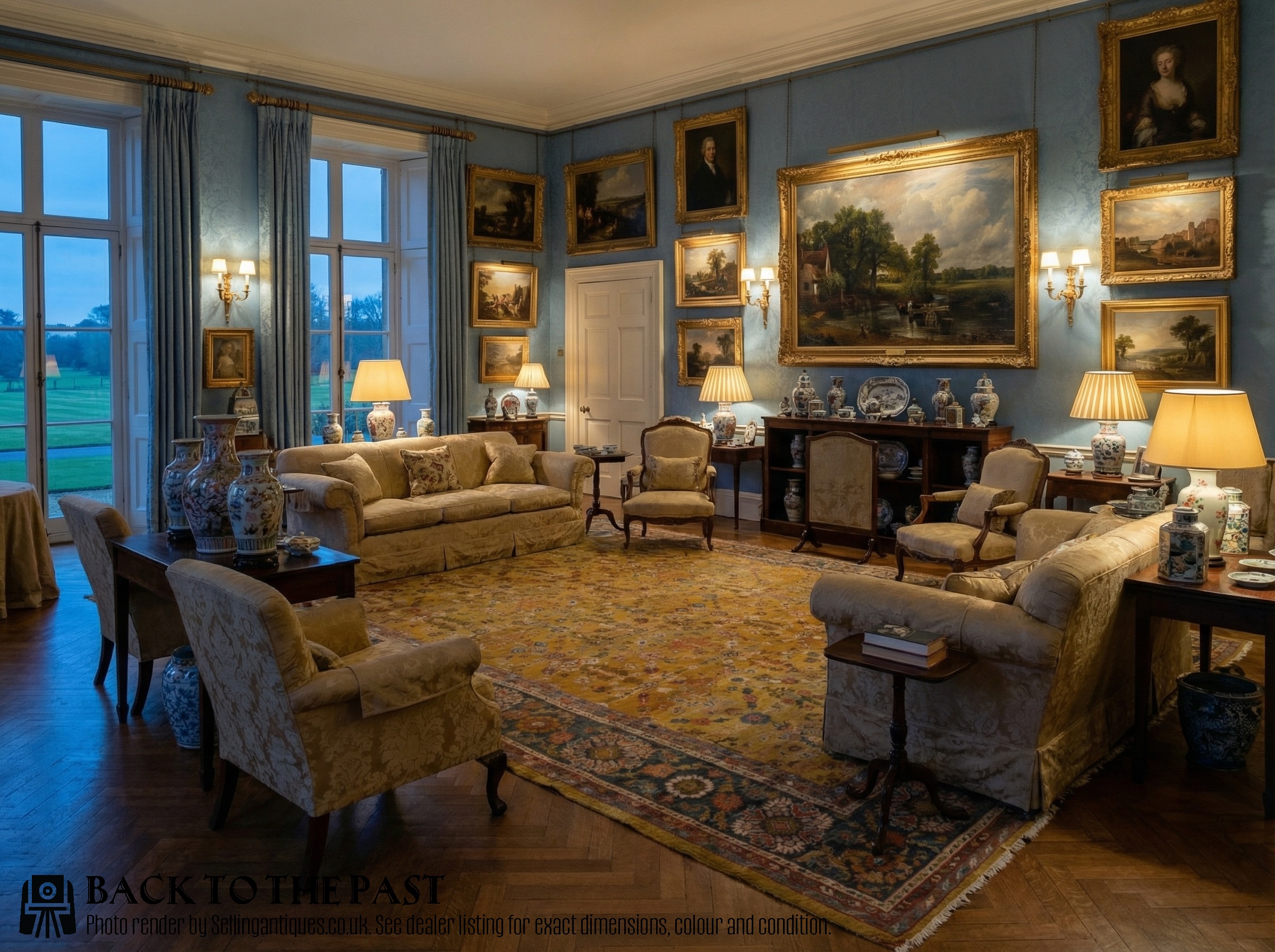
A yellow wool carpet encompasses antique tribal and village textile traditions spanning Anatolia, the Caucasus, Persia, Central Asia, and China from the nineteenth and early twentieth centuries. These pieces appear as large room-sized carpets, smaller prayer rugs, runners, seating mats, and flatwoven kilims.
The yellow ground examples on this page typically showcase specific regional designs, such as the lattice patterns of Dagestan and Gendje rugs, the shrub motifs of Kurdish weaving, or the grand scale of Oushak and Fereghan carpets.
Materials and construction methods
These textiles rely primarily on wool, often hand-spun, combined with cotton foundations in many Anatolian and Persian workshops. Natural dyes provide the palette, creating the characteristic golden and yellow grounds seen across the regional types.
Makers utilised traditional knotting techniques for piled carpets, such as Turkish and Persian knots, alongside flatweaving methods for kilims and embroidery techniques for Suzanis.
Yellow Wool Carpet Retail Price Guide 2026
Typical asking prices for yellow wool carpet among the pieces listed under this phrase on Sellingantiques today, from the lower quarter to the upper quarter. They describe what is for sale here now, not the wider market.
Listings feature pieces dated from the mid-nineteenth century through the 1930s, utilising hand-spun wool and natural dyes.
Distinctions in quality and execution
The fidelity of the design layout and the crispness of the regional motifs distinguish finer examples from standard village production. Knot density and the handling of the wool pile also separate sophisticated workshop carpets from simpler utility rugs.
The depth and nuance of the natural dye yellow ground reveal the dyer's skill, where complex mordants produce lasting brilliance across the surface.
Gavin Morton
The Yellow Wool Carpet Glossary
- Pile
- The upright loops or cut ends of yarn that form the soft surface of a carpet. This layer absorbs wear and displays the primary colour and design.
- Kilim
- A flatwoven textile produced without a raised pile. These pieces rely on warp-faced weaving techniques to create sharp geometric patterns.
- Warp
- The vertical threads stretched tightly on the loom before weaving begins. The weft threads pass horizontally through these structural elements.
- Prayer rug
- A small format textile featuring a mihrab or niche design, traditionally used for individual Islamic daily prayer. These pieces often display specific regional borders and symbolic motifs.
Yellow Wool Carpet: Frequently Asked Questions
How do I care for an antique wool carpet?
Vacuum gently without using a rotating beater bar to protect the delicate hand-spun wool fibres and fringe ends.
Keep the textile out of direct sunlight to prevent the natural yellow dyes from fading over time.
Where were these yellow ground carpets woven?
Production centres span across Western Turkey for Oushak and Ushak pieces, the Caucasus for Kazak and Dagestan rugs, and various tribal regions in Persia and Central Asia.
Each geographical area developed distinct geometric or floral vocabulary tied to local weaving traditions.
What is the difference between a carpet and a kilim?
Carpets feature a thick wool pile knotted onto a foundational warp and weft structure, offering a plush underfoot feel.
Kilims are flatwoven entirely through the interweaving of warp and weft threads, resulting in a lighter, reversible textile.
How can I date an antique rug?
Dating relies on examining the specific wool preparation, structural materials like cotton versus wool foundations, and the chemical composition of the natural dyes.
Stylistic markers such as lattice repeats and regional border designs also help narrow down the period of manufacture.