

Yellow Gold Diamond Solitaire
A yellow gold diamond solitaire offers a single prominent stone set within enduring metal, uniting centuries of craftsmanship.
Yellow Gold Diamond Solitaire
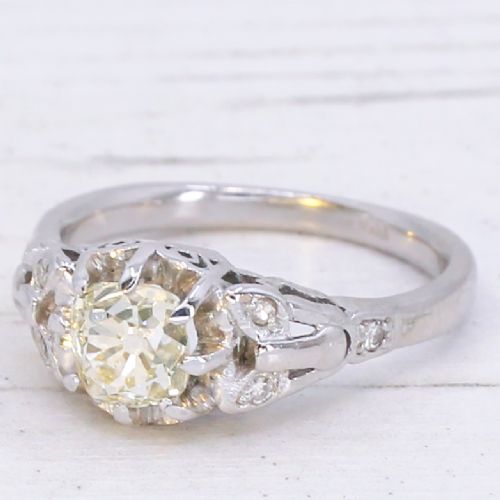
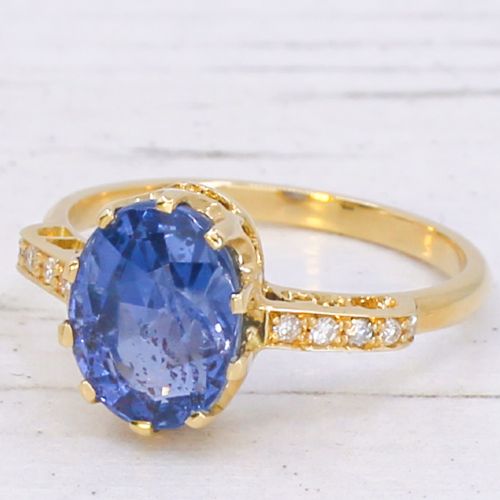
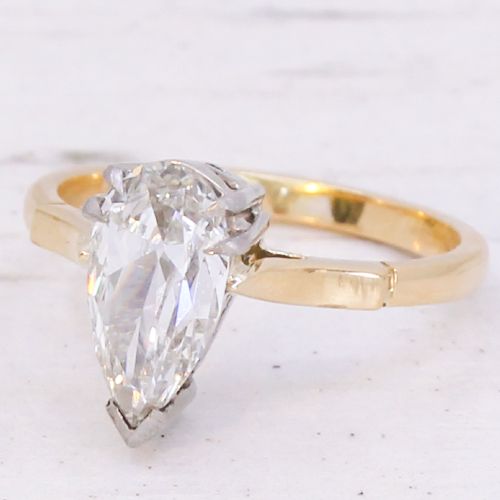
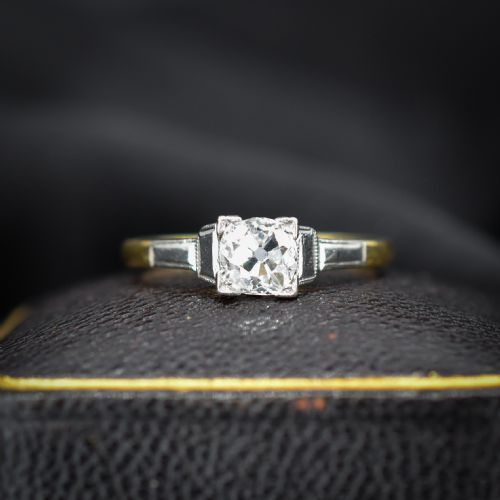
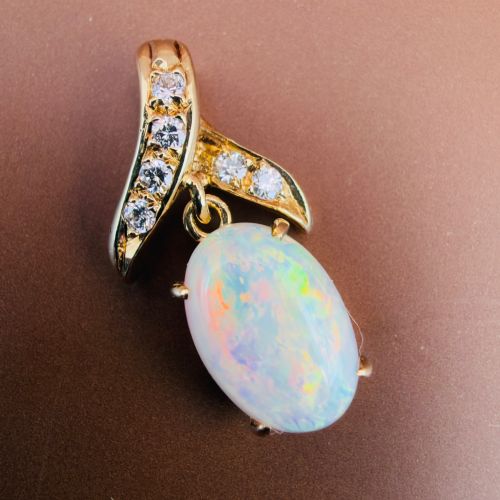
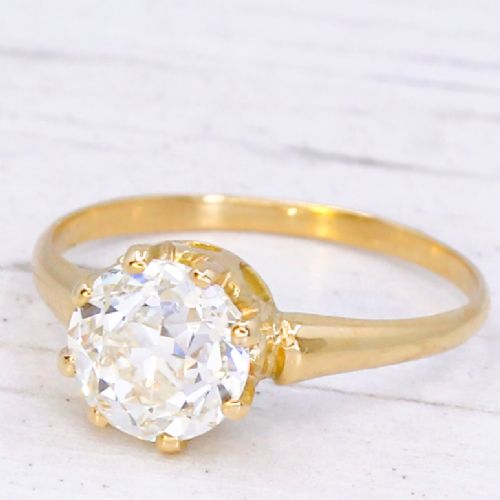
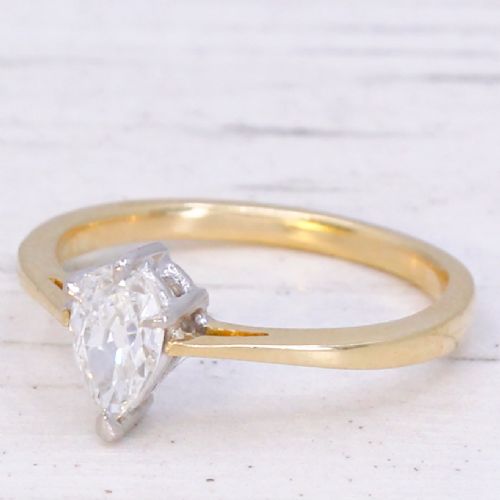
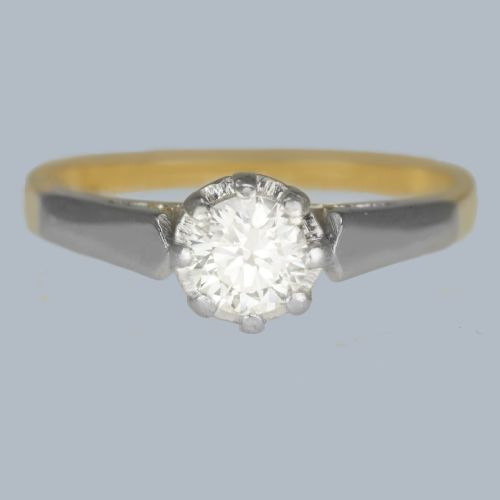
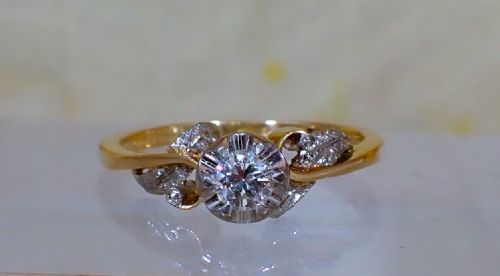
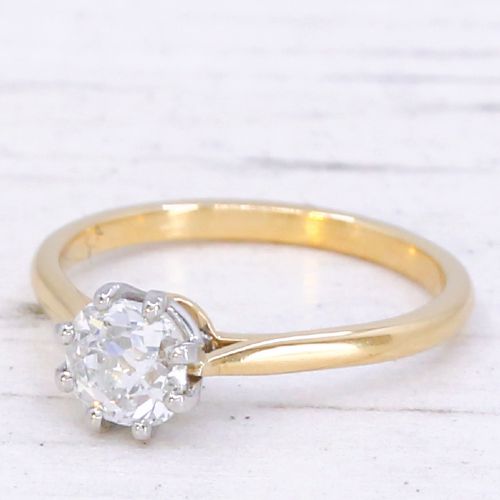
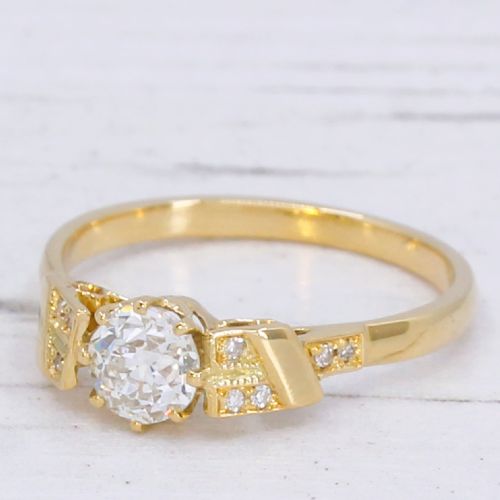
A yellow gold diamond solitaire focuses attention entirely on a single principal diamond held securely on a band. When searching for a yellow gold diamond solitaire, buyers encounter rings predominantly, alongside occasional pendants and earrings.
The selection spans Victorian, Edwardian, Art Deco, and mid-century eras, reflecting changing aesthetic preferences through the decades. Engagement rings form the largest category within these historical periods.
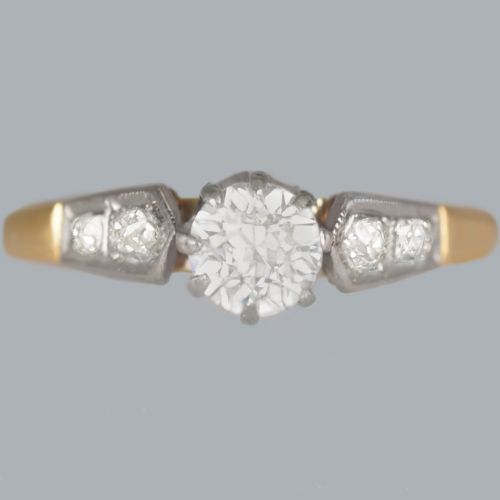
Designs range from early cushion and old European cuts to later brilliant cuts mounted in yellow gold, often combined with platinum settings. Each piece carries the distinct characteristics of its original period of manufacture.
How they were made
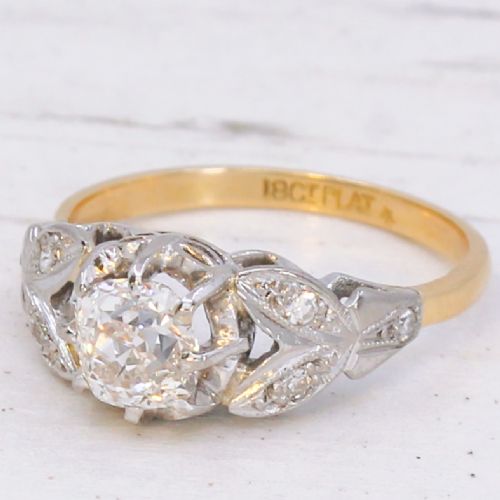
Goldsmiths utilised 18ct yellow gold, 9ct gold, and platinum to fabricate bands and mountings by hand or through early casting methods. Platinum frequently appears in joint settings with yellow gold to secure the diamond while maintaining a bright appearance.
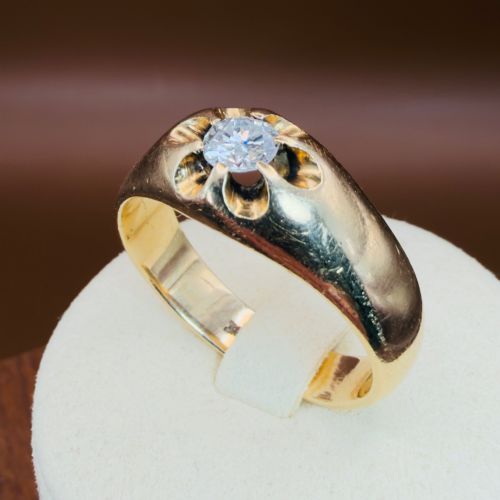
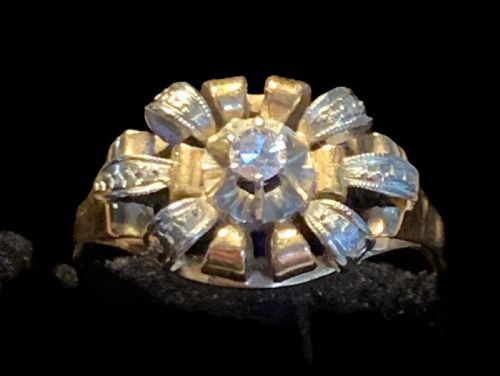
Lapidaries shaped stones by hand, resulting in old cut, old mine cut, and brilliant cut diamonds with distinct facet patterns. Setting techniques such as illusion settings, claw settings, and gypsy mountings hold the stones firmly in place.
Certain vintage rings incorporate bamboo shank designs into the yellow gold band for a touch of botanical whimsy.
What varies in quality
The cut and proportions of the diamond dictate how the stone catches light, separating exceptional examples from standard ones. Hand-cut old European and old mine cut stones display distinct facet arrangements that reflect light differently than modern cuts.
The integrity of the metalwork and the preservation of original settings influence the overall standard of each item. Heavier gold bands and secure, unblemished claw or illusion settings represent superior construction.
The Yellow Gold Diamond Solitaire Glossary
- Solitaire
- A piece of jewellery featuring a single gemstone, most commonly a diamond.
- Old European cut
- A round diamond cut popular in the late nineteenth and early twentieth centuries, characterised by a small table, high crown, and large culet.
- Illusion setting
- A metal setting designed around the girdle of a diamond to make the stone appear larger than its actual carat weight.
- Gypsy ring
- A style where the stone is flush-set directly into the thick band of the ring, popular during the Victorian period.
- Old mine cut
- A cushion-shaped diamond cut with a near-square girdle, high crown, and deep pavilion, typical of older stones.
Yellow Gold Diamond Solitaire: Frequently Asked Questions
What is a yellow gold diamond solitaire?
A yellow gold diamond solitaire is a ring, pendant, or earring featuring a single diamond mounted in gold. These pieces focus attention entirely on the central stone.
The style appears across multiple decades, from the Victorian era through the mid-twentieth century. Each era brings distinct cutting styles and mounting techniques.
How do I identify an Edwardian solitaire?
Edwardian pieces often combine yellow gold bands with platinum settings to hold the diamond. This combination highlights the stone while providing a secure structure.
Craftsmen during this period frequently utilised intricate pierced work and delicate details. The cut of the diamond is typically an old European cut rather than a modern brilliant cut.
How should I care for an antique ring?
Antique jewellery requires gentle handling and regular inspection of the settings to ensure stones remain secure. Professional cleaning helps maintain the metal and the diamond.
Removing rings during heavy physical tasks prevents unnecessary wear to the gold band and claws. Storing pieces individually protects them from scratching.
What is an old cut diamond?
An old cut diamond refers to stones shaped by hand before modern machinery standardised cutting angles. These diamonds possess smaller tables and larger culets.
Such stones produce a softer candlelight sparkle rather than the sharp brilliance of modern cuts. They remain a defining feature of antique and vintage jewellery.