

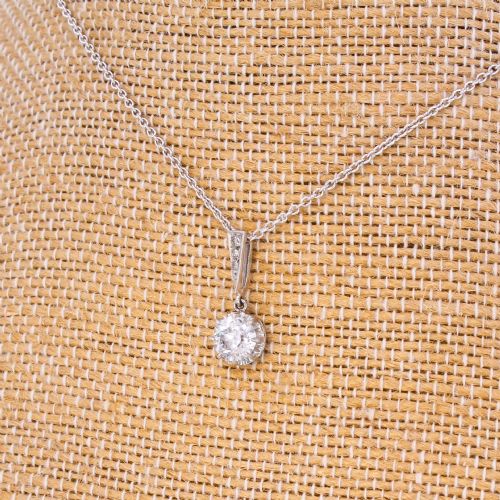
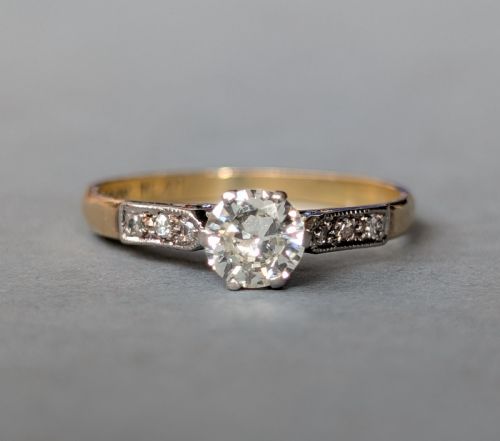

Art Deco Platinum Solitaire
Art deco platinum solitaire pieces capture the geometric precision of the interwar years, offering a single focal stone set in durable white metal for daily wear.
Art Deco Platinum Solitaire
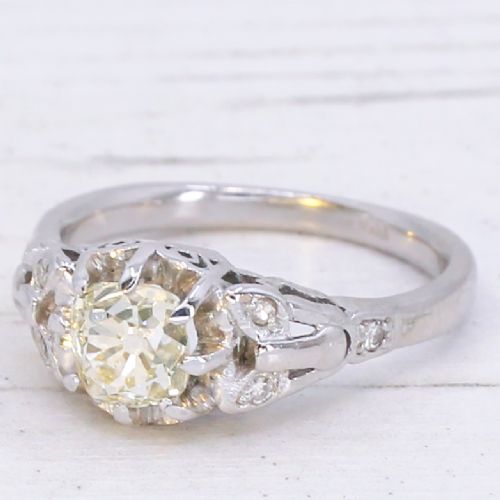
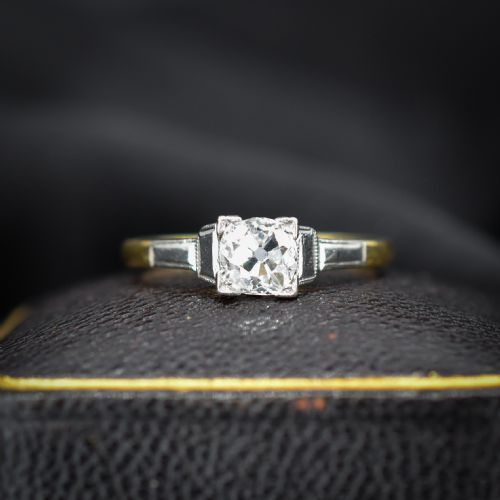
The dominant forms display old cut diamonds held in secure platinum settings, frequently combined with 18ct yellow or white gold shanks. These pieces reflect the transition from Edwardian delicacy to the bolder, cleaner lines associated with the interwar design movement.
Materials and construction methods
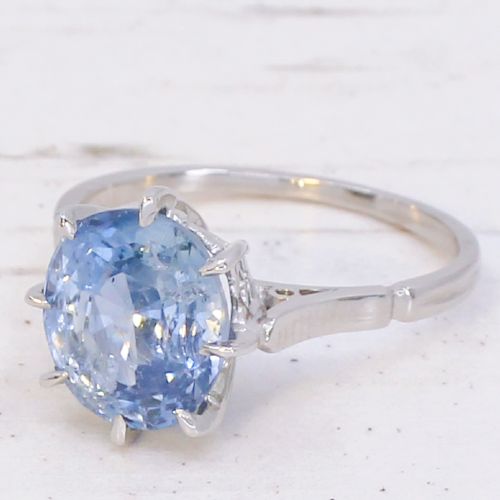
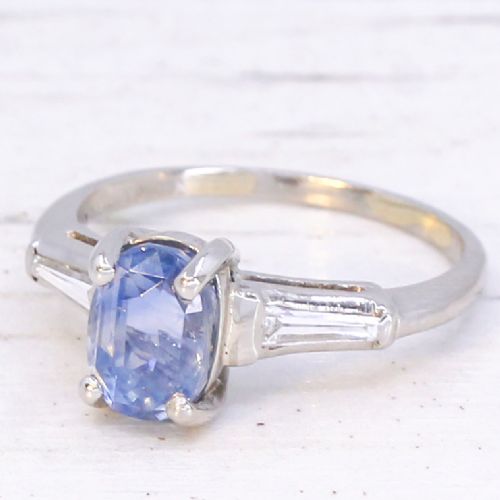
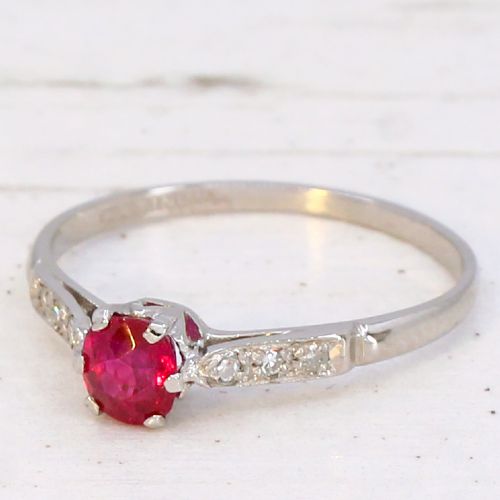
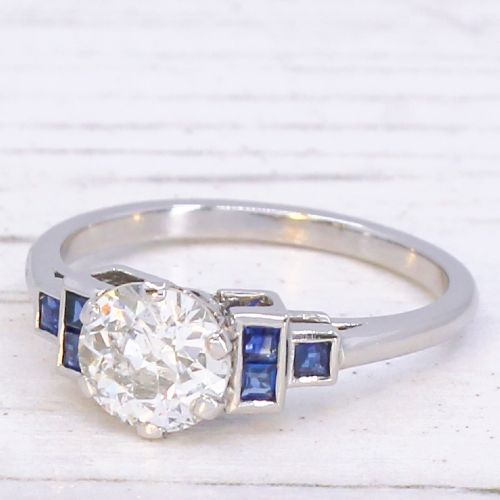
Jewellers of the period utilised platinum for its strength, allowing for slender prongs and intricate openwork galleries that maximised light entry into the stone. Diamonds dominate the listings, frequently accompanied by sapphires, rubies, and aquamarines set within the platinum heads.
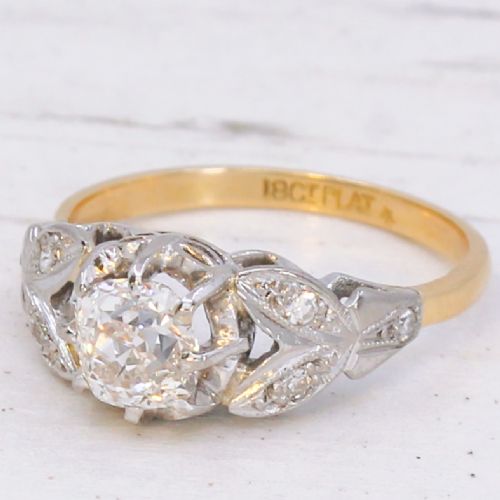
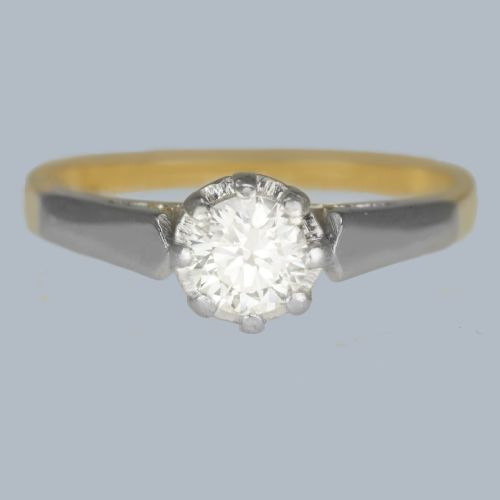
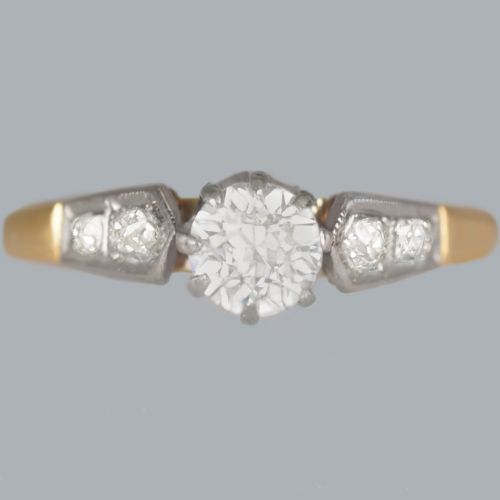
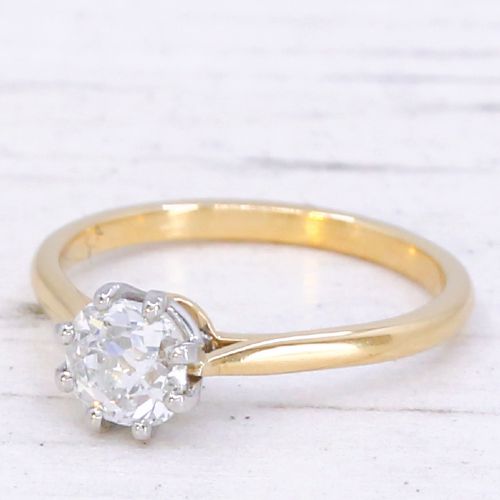
The combination of 18ct gold shanks with platinum heads is a common manufacturing technique from the 1920s and 1930s. This method provided the warmth of gold bands alongside the bright, secure white metal backdrop necessary for displaying old cut diamonds.
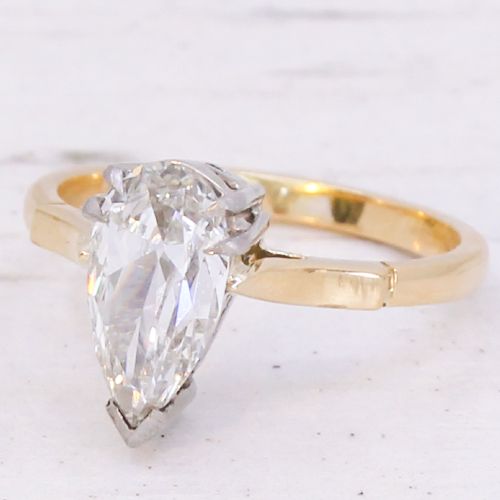
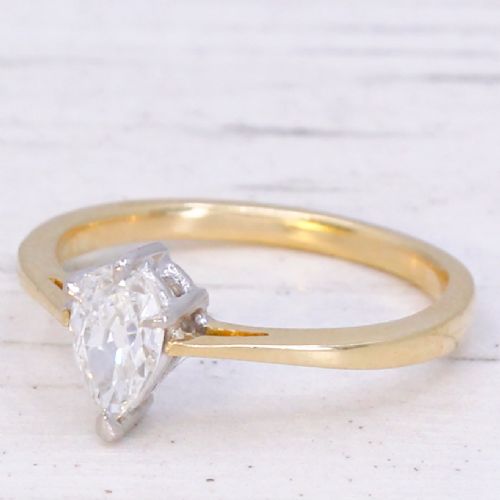
Listings feature platinum combined with 18ct yellow and white gold, housing old European cut, transitional cut, and old pear cut diamonds.
Assessing quality in period solitaires
Quality rests primarily on the cut, clarity, and proportion of the central gemstone relative to its setting. Old European and old mine cut diamonds display distinct facet patterns that interact differently with candle or electric light compared to modern brilliant cuts.
The integrity of the platinum claw work and the precision of any geometric shoulder details determine the structural standard of the piece. Higher-tier examples maintain crisp millegrain edges and robust metal thickness beneath the setting despite decades of wear.
The Art Deco Platinum Solitaire Glossary
- Old European cut
- A diamond cut popular in the late nineteenth and early twentieth centuries featuring a small table, high crown, and a large culet. This facet arrangement produces broad pattern flashes rather than modern brilliance.
- Platinum
- A dense, durable white metal utilised extensively during the 1920s for fine jewellery. Its strength permits delicate prong settings that securely hold large stones.
- Solitaire
- A piece of jewellery featuring a single mounted gemstone, most commonly a diamond. This design focuses attention entirely on the central stone.
- Millegrain
- A decorative technique involving a row of small bead-like metal points along the edges of a setting. It adds texture and a refined finish to art deco mountings.
- Transition cut
- A diamond cut bridging old cuts and modern brilliants, utilised roughly between the 1920s and 1940s. It retains high crown proportions while adopting more modern facet angles.
Art Deco Platinum Solitaire: Frequently Asked Questions
How do I care for an art deco platinum solitaire?
Clean the metal and stones gently using warm soapy water and a soft brush to remove daily oils. Avoid harsh chemical dips that might harm secondary gemstones like pearls or emeralds.
Have a professional jeweller inspect the platinum prongs periodically to ensure the central diamond remains secure. Regular checks prevent stone loss from historical wear on the settings.
Can I wear an antique engagement ring every day?
Platinum provides exceptional durability, making these rings suitable for daily wear when structurally sound. The metal resists thinning better than gold, protecting the setting over decades of use.
Owners should still remove the ring during heavy manual tasks or contact sports to protect the claws. Routine maintenance ensures the antique setting withstands regular modern routines.
How can I tell a 1920s ring from a later reproduction?
Authentic pieces exhibit hand-finished tool marks under magnification and show natural wear consistent with age. The construction methods, such as integrated gallery wire and mixed metal shanks, match historical manufacturing standards.
Modern reproductions often display uniform casting marks and lack the patina accumulated over decades. Examining the stone cut alongside the metal ageing helps confirm the period origin.