


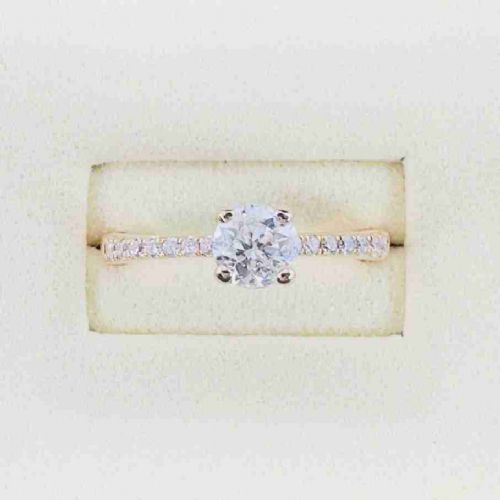


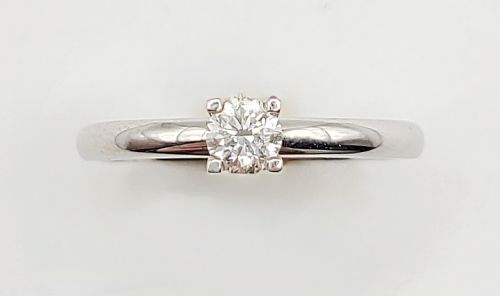


Round Brilliant Cut Ring
A round brilliant cut ring combines classic sparkle with enduring design, offering a timeless choice for modern wearers.
Round Brilliant Cut Ring
A round brilliant cut ring brings together decades of design history, spanning Edwardian, Art Deco, 1940s, 1950s, 1960s, and later periods. Buyers seek these pieces for their versatile engagement and dress ring forms, which range from simple solitaires to multi-stone clusters and trilogy arrangements.
The version most commonly met on this page is the mid-century solitaire or engagement ring, frequently set in platinum or gold. These pieces reflect the enduring popularity of brilliant and transitional cut stones mounted securely in enduring precious metals.
How they were made
The construction of these rings relies on durable precious metals, primarily platinum alongside 18ct white gold, yellow gold, and rose gold. Goldsmiths shaped solid bands to support substantial diamond weights securely while maintaining elegant proportions.
Settings incorporate meticulous claw, cluster, and ballerina arrangements to showcase the central stones. Shoulders often feature additional accent diamonds, enhancing the overall brilliance of the piece.
Listings feature platinum, yellow gold, white gold, and rose gold across solitaires, clusters, trilogy, and half eternity forms.
What varies in quality
Quality in these rings is determined by the precision of the stone cutting and the integrity of the metalwork. Superior examples display harmonious proportions between the central diamond and its surrounding setting.
The execution of the mounting, whether platinum or gold, distinguishes finer pieces through robust yet refined construction that secures the stones while preserving stylistic elegance.
The Round Brilliant Cut Ring Glossary
- Solitaire
- A ring featuring a single central diamond set into the band. This classic form prioritises the visual impact of one main stone.
- Trilogy ring
- A ring set with three diamonds, often interpreted symbolically to represent the past, present, and future. These pieces balance central presence with balanced side stones.
- Cluster ring
- A design grouping multiple smaller stones closely together around a central point or in a floral arrangement to create a larger visual area of sparkle.
- Platinum
- A dense, durable white metal frequently utilised in high-end ring manufacture. It provides a secure setting for diamonds and resists wear over decades of daily use.
Round Brilliant Cut Ring: Frequently Asked Questions
What periods do these rings come from?
The pieces span several decades, including Edwardian, Art Deco, 1940s, 1950s, 1960s, and later twentieth-century eras. Each period brings distinct mounting styles and manufacturing techniques to the selection.
Mid-century and vintage examples appear frequently, reflecting the changing aesthetic preferences of twentieth-century jewellery design.
How were these rings worn originally?
Many of these pieces served as engagement rings, given their central diamond focus and durable precious metal bands. Others functioned as dress rings or anniversary gifts for daily wear.
Cluster and trilogy designs offered alternative choices for those seeking distinct visual arrangements beyond a standard solitaire.
How can I care for a platinum ring?
Platinum bands require routine cleaning with warm soapy water and a soft brush to maintain their bright finish. Regular checks by a professional jeweller ensure the claws holding the diamonds remain secure.
Avoiding harsh chemicals helps preserve both the metal and the natural brilliance of the set stones.
What distinguishes transitional cut diamonds?
Transitional cuts represent the evolution of diamond cutting from older European styles toward the modern round brilliant geometry. They typically feature smaller tables and slightly larger culets than contemporary stones.
This historical cut bridges antique craftsmanship with modern optical symmetry.