


1960s Diamond Ring
A 1960s diamond ring offers the sculptural geometry and brilliant old-cut stones collectors prize from the mid-century era.
The Nature of a 1960s Diamond Ring
When you search for a 1960s diamond ring, you enter a distinct period of bold mid-century modern design and traditional cluster work. The pieces appearing here span engagement rings, dress rings, solitaires, and multi-stone configurations set in platinum and gold.
Most examples you encounter from this decade rely on clean structural lines, clustered stone arrangements, or dramatic boat-set mountings. Platinum and various grades of white and yellow gold provide the foundations for these mid-century creations.
Materials and Construction
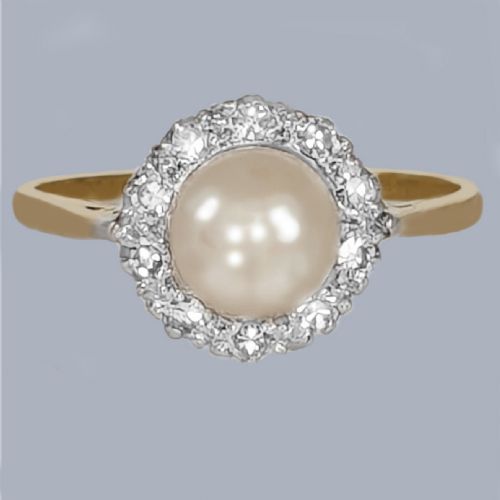
Stones include both brilliant cuts and characterful old cuts, integrated securely into bezels, claws, or clustered pavé surfaces that reflect the architectural tastes of the period.
Retail Price Guide 2026
Typical UK retail prices for 1960s diamond ring, calculated from the Sellingantiques database of over a million retail prices indexed since 2003. This retail price guide relies exclusively on Sellingantiques data; no external sources or auction records are used, so the figures do not describe the wider market.
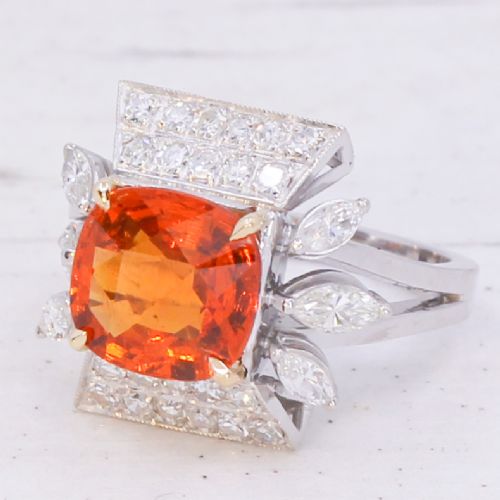
Mid-century designers occasionally looked past traditional symmetry, turning diamond clusters into abstract floral explosions.
Distinctions in Quality
Quality rests in the weight and purity of the precious metals, the cut and clarity of the diamonds, and the precision of the setting work. Superior pieces display substantial stone weight, such as multi-carat totals, paired with harmonious proportions.
The distinction between standard commercial output and finer examples lies in the crispness of the casting, the matching of the diamond grades, and the overall integrity of the metal structure holding the stones.
Andrew Grima·Julius Cohen·Niels Erik From
The 1960s Diamond Ring Glossary
- Cluster ring
- A ring featuring a central stone surrounded by a perimeter of smaller stones. This arrangement maximises visual impact and light reflection.
- Old cut
- A diamond cutting style preceding modern round brilliants, characterised by higher crowns and larger culets. These stones possess a distinctive antique charm.
- Trilogy ring
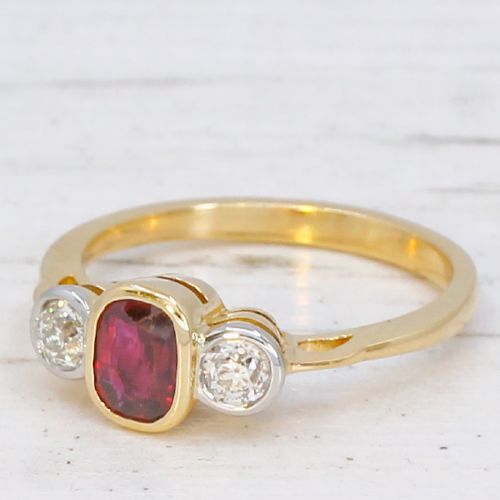
- A three-stone ring traditionally symbolising the past, present, and future. The stones are typically graduated or matched in size.
- Platinum
- A dense, durable, and naturally white precious metal favoured for high-end jewellery. It holds diamonds securely without tarnishing.
- Solitaire
- A ring set with a single diamond. This classic form focuses attention entirely on the quality and cut of one primary stone.
Frequently Asked Questions
How do I style a vintage ring?
Wear a mid-century cluster or solitaire alone to let the sculptural metalwork and stones command attention on the hand. Their distinct proportions mean they rarely need competing accompaniments.
Alternatively, pair a low-profile platinum or white gold band alongside the ring if the setting allows a flush fit without rubbing against the central mounting.
What defines mid-century modern style?
Mid-century modern design embraces clean architectural lines, abstract floral motifs, and bold geometric arrangements. Jewellers moved away from strict traditionalism to experiment with new cluster shapes and textured gold surfaces.
This aesthetic prioritises individuality and strong visual rhythm, resulting in rings that look remarkably contemporary today.
How are these pieces dated?
Dating relies on stylistic markers such as specific cluster configurations, boat-set mountings, and the prevalent use of mid-century modern design vocabulary alongside specific gold and platinum alloys.
Maker signatures and hallmarks stamped inside the band also help verify the decade of production.