


Mid Century Cocktail Ring
A mid century cocktail ring delivers bold scale, vibrant gemstones and expressive styling that instantly commands attention in any room.
Identifying a mid century cocktail ring
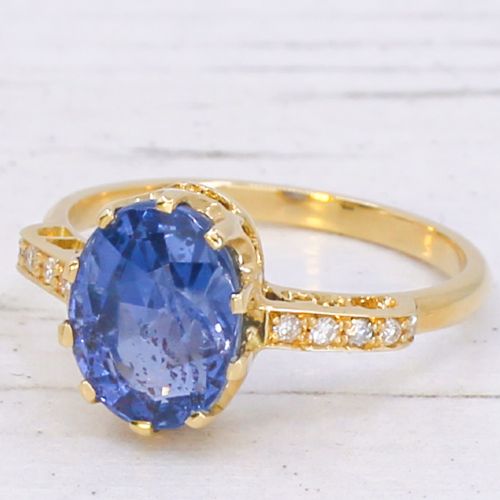
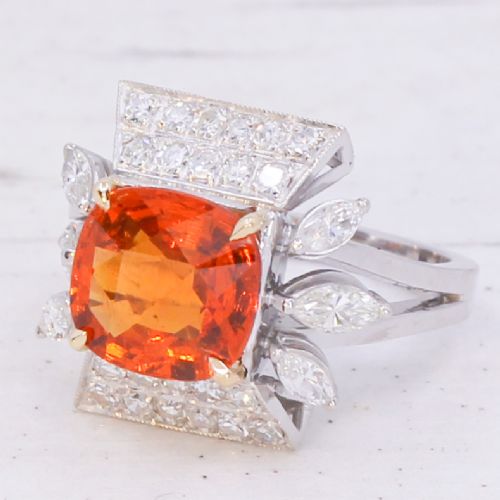
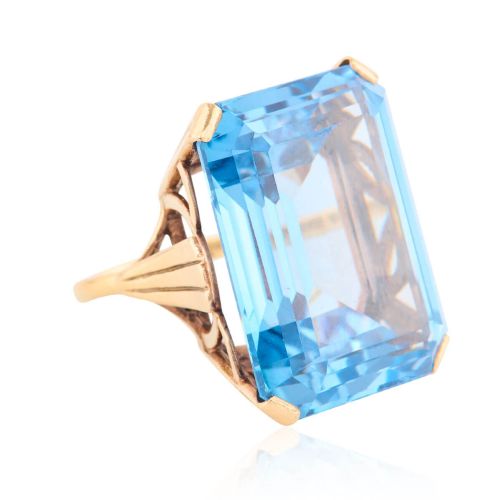
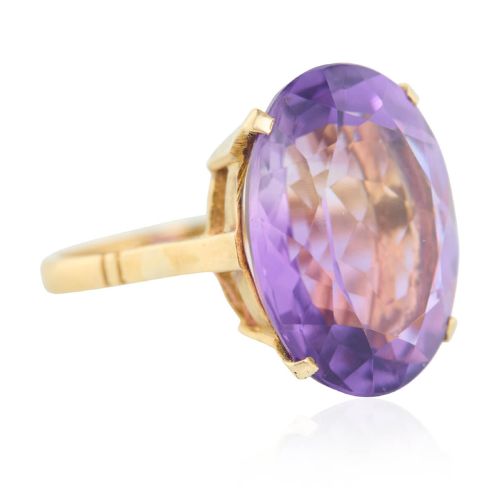
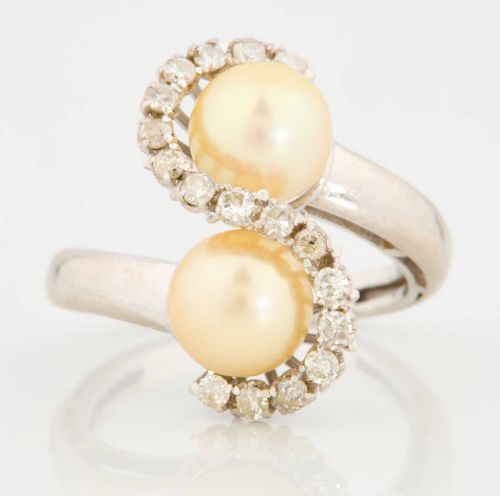
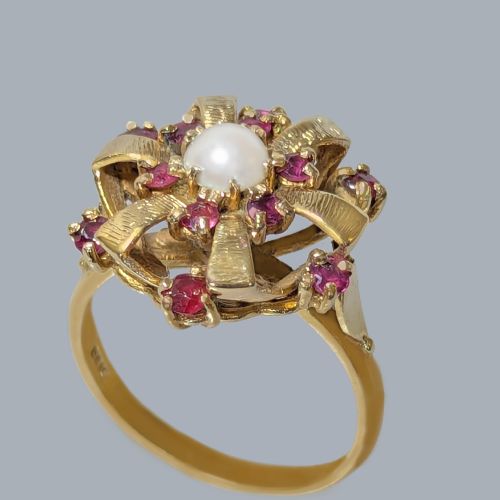
A mid century cocktail ring represents a distinct period of expressive jewellery design dating predominantly from the nineteen fifties and nineteen sixties, though earlier Edwardian pieces occasionally appear. These statement pieces focus heavily on generous central stones and prominent cluster formations designed to catch the eye.
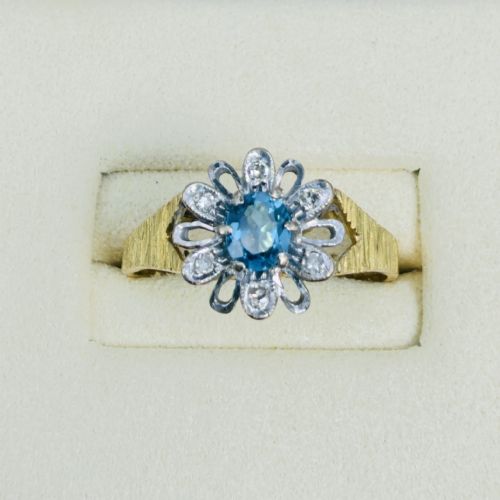
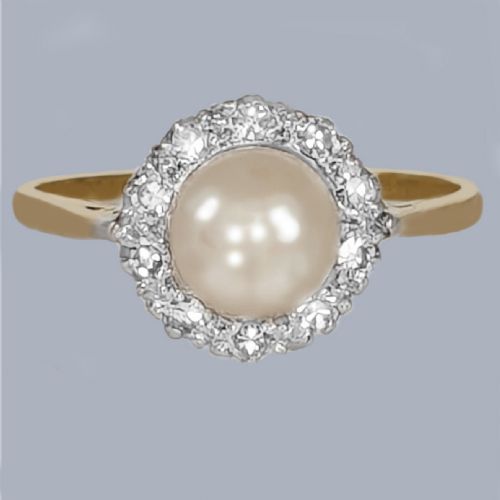
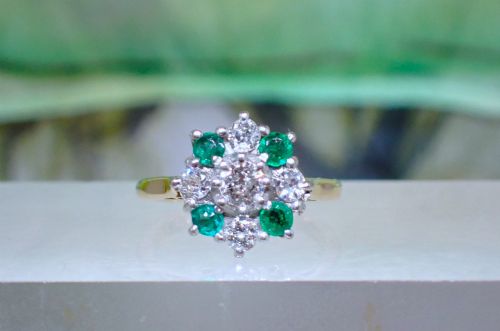
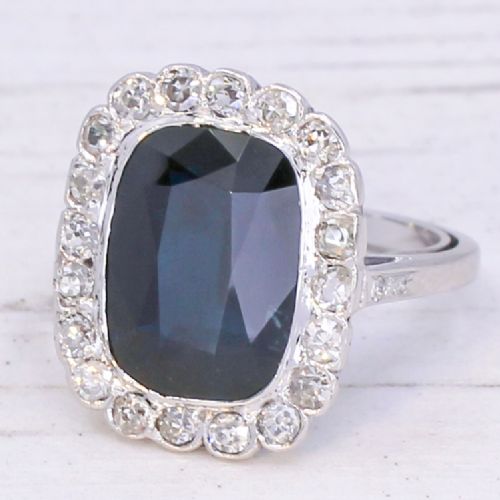
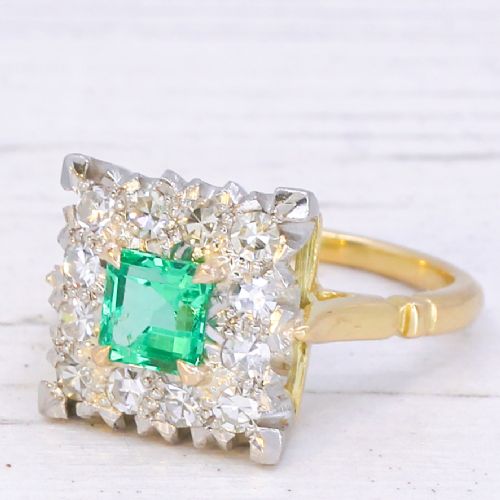
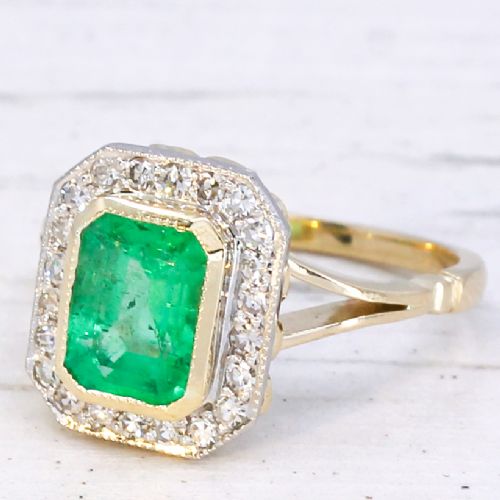
The most common form encountered on this page is the cluster ring, often pairing a large coloured gemstone such as sapphire, emerald, ruby, aquamarine, black opal or citrine with framing brilliant cut diamonds. Yellow gold, white gold and platinum serve as the primary precious metal foundations for these substantial settings.
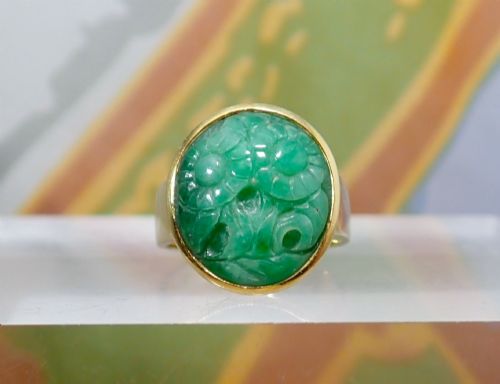
Beyond standard mid-century designs, buyers also find distinctive pieces incorporating vitreous enamel work alongside traditional precious stones. These creations embody the progressive aesthetic of mid-century modern and retro movements while maintaining the dramatic proportions expected of proper cocktail jewellery.
Materials and construction
Goldsmiths constructed these rings using durable precious metals, mounting stones securely within platinum, fourteen carat yellow gold, white gold and lower karat gold alloys. Settings often utilise heavy claws and basket structures to support substantial gemstone weights safely.
Gemstones underwent various fancy and brilliant cuts to maximise light return within bold cluster arrangements. Enamelled elements required precise application of vitreous pastes fired onto metal surfaces to achieve vivid blue and green colour blocks.
Retail Price Guide 2026
Typical UK retail prices for mid century cocktail ring, calculated from the Sellingantiques database of over a million retail prices indexed since 2003. This retail price guide relies exclusively on Sellingantiques data; no external sources or auction records are used, so the figures do not describe the wider market.
Every cocktail ring carries an unspoken invitation to gesture broadly while holding a martini.
Distinguishing quality in cocktail rings
Quality rests significantly upon the natural weight, saturation and clarity of the central gemstone, with exceptional specimens featuring large Ceylon sapphires, yellow sapphires, emeralds or black opals. The presence and quality of supporting brilliant cut diamonds further elevate a piece.
The precision of the metalwork, from robust platinum claws to even enamel application, determines the structural integrity and finish of the ring. Superior craftsmanship ensures that heavy, large-scale cluster designs sit comfortably while maintaining absolute security for every stone.
The Mid Century Cocktail Ring Glossary
- Cluster ring
- A jewellery design featuring a prominent central gemstone surrounded by a group of smaller stones, typically diamonds. This arrangement maximises visual impact and perceived size.
- Vitreous enamel
- A material made by fusing powdered glass to a metallic substrate through firing at high temperatures. It produces brilliant, permanent colour surfaces.
- Brilliant cut
- A stone cutting style featuring numerous facets designed specifically to optimise light return and sparkle. It remains the most common cut for accent diamonds in these pieces.
- Fancy cut
- Any gemstone cutting style outside the standard round brilliant shape. These unique cuts emphasise the natural character of coloured stones.
- Platinum
- A dense, strong and malleable precious metal valued for its bright white lustre. It provides secure, durable settings for high-value gemstone arrangements.
Frequently Asked Questions
How do I wear a cocktail ring?
These statement pieces work best worn on the right hand to avoid competing with a wedding band. Their generous scale makes them ideal for evening wear and special occasions.
Ensure the ring fits securely despite its weight to prevent the heavy head from spinning around the finger during movement.
What metals are used?
Jewellery from this era utilises platinum alongside fourteen carat yellow gold and white gold. Some pieces incorporate alternative alloys marked for specific regional standards.
Precious metal choices often dictated the overall tone of the ring, with white metals enhancing diamond brilliance and yellow gold warming coloured stones.
Are all pieces from the fifties?
While the majority originate from the nineteen fifties and sixties, occasional pieces span into retro and Edwardian periods. Each era brings subtle shifts in prong work and stone arrangement.
Reviewing the specific decade helps contextualise the design lineage of individual cluster formations.
How do I care for my ring?
Protect delicate stones like emeralds and opals from harsh impacts and chemical exposure. Regular cleaning in warm soapy water maintains the sparkle of diamonds and sapphires.
Store separate from other jewellery to prevent accidental scratching of softer central gems or enamel surfaces.