

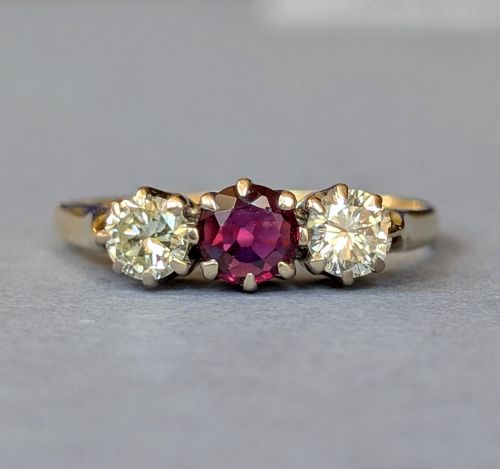
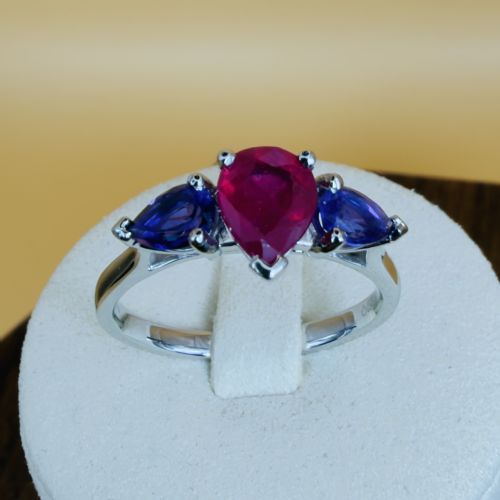
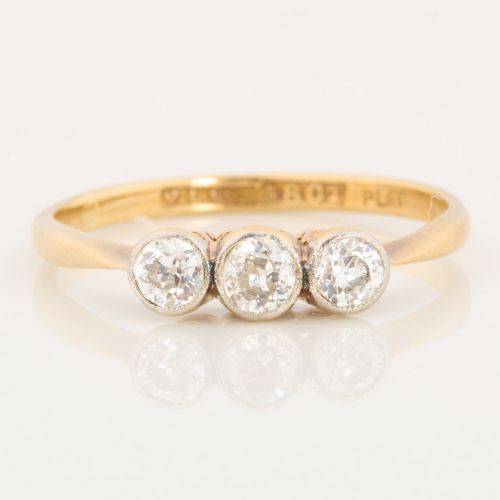
Vintage Trilogy Ring
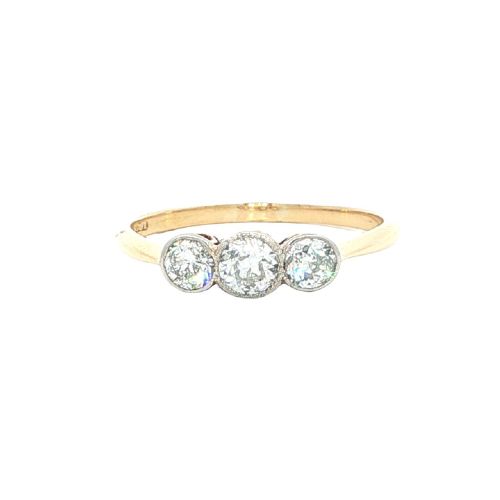
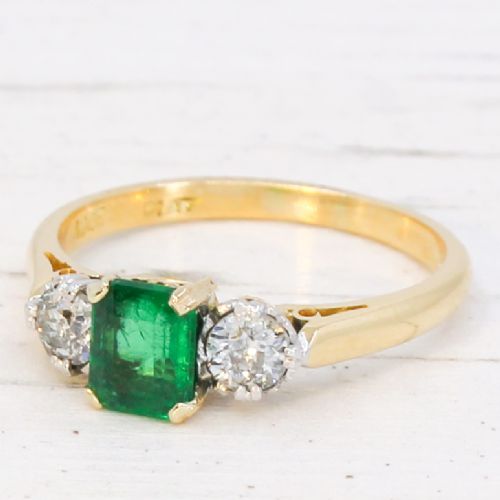
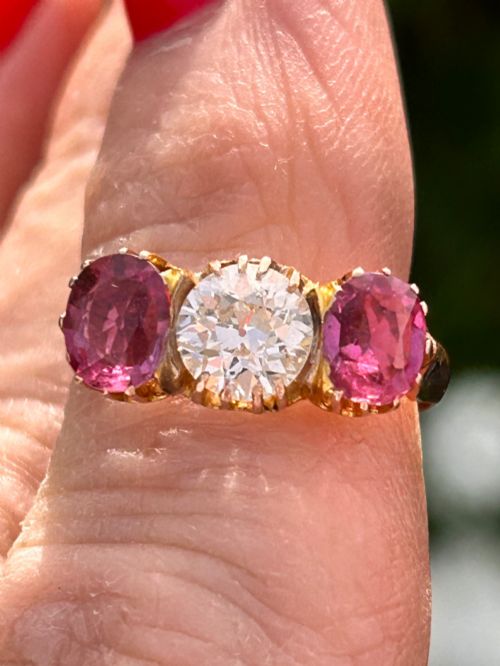
A vintage trilogy ring holds three stones representing past, present, and future, combining enduring sentiment with striking design.
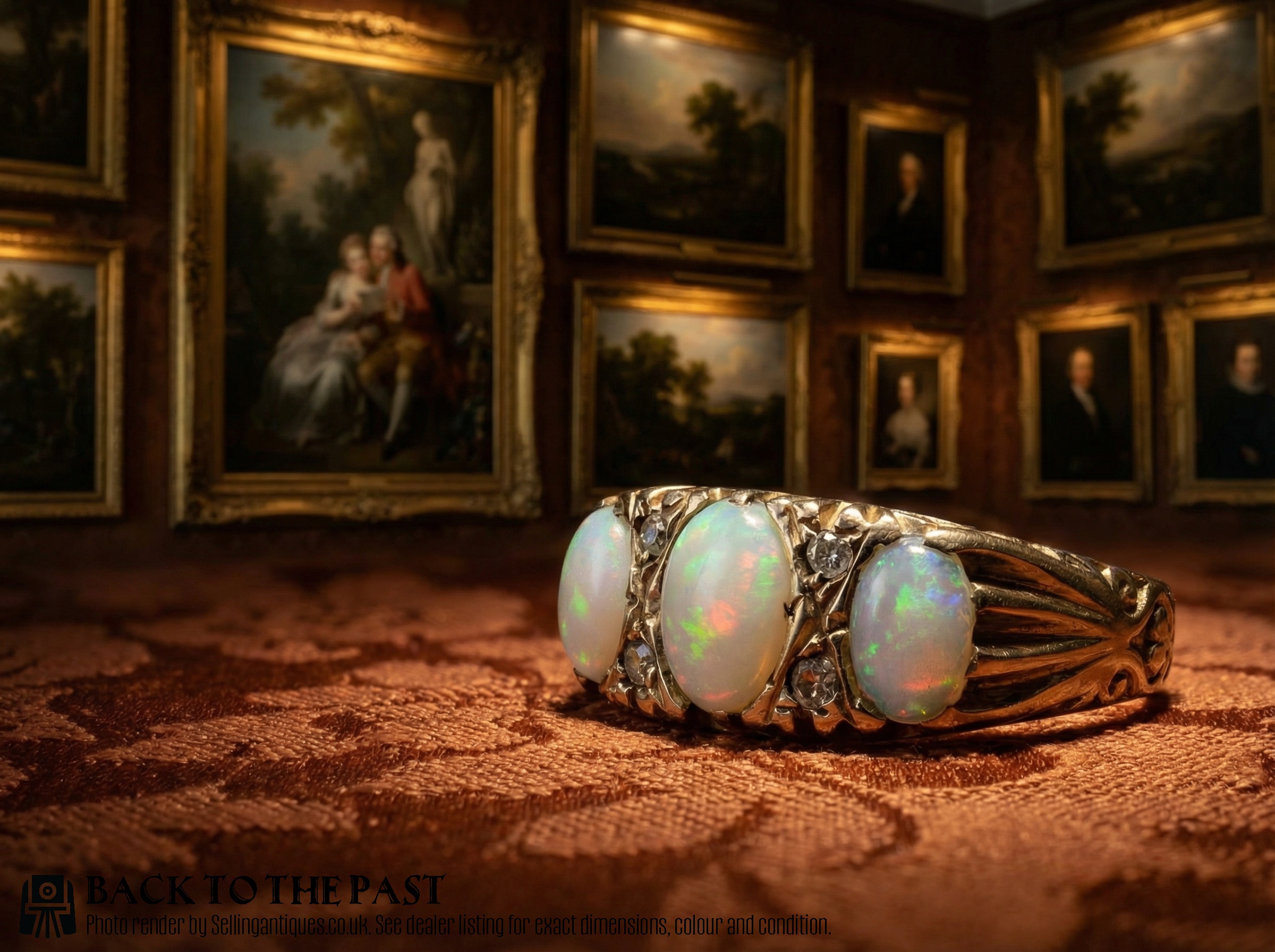
Vintage Trilogy Ring
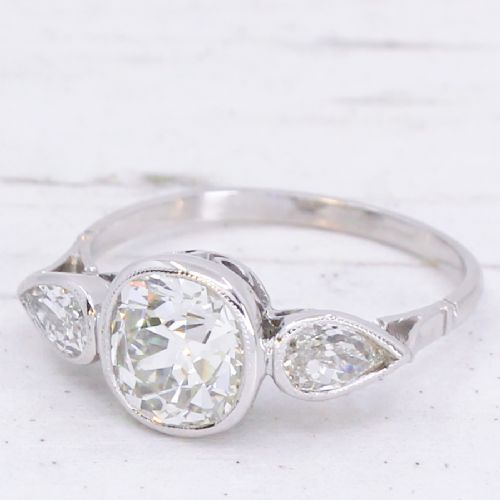
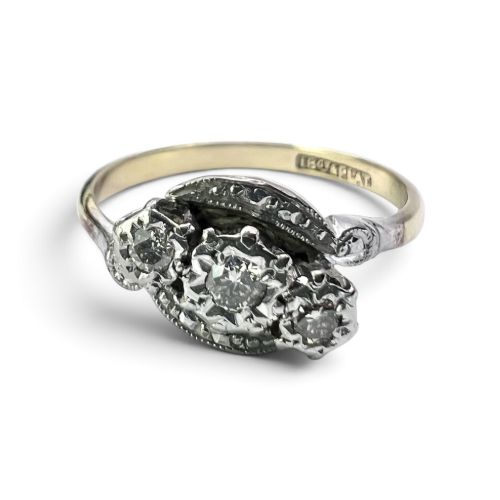
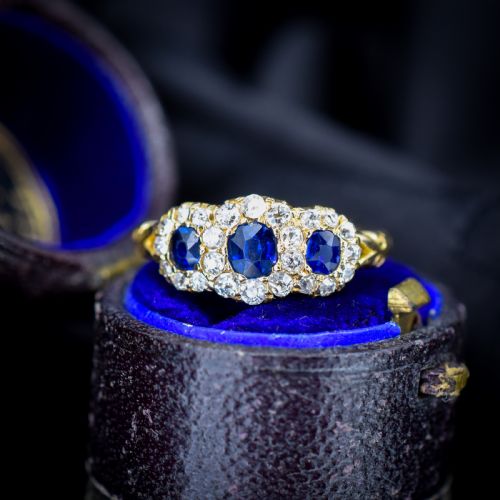
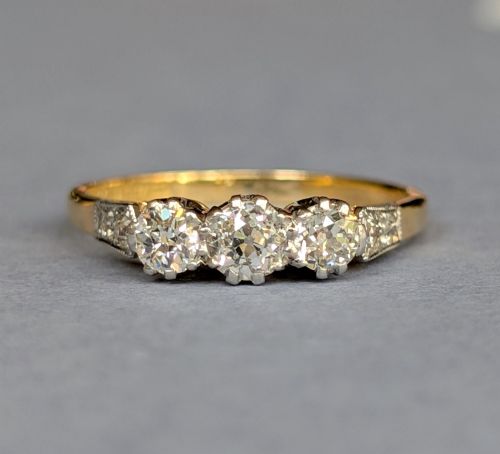
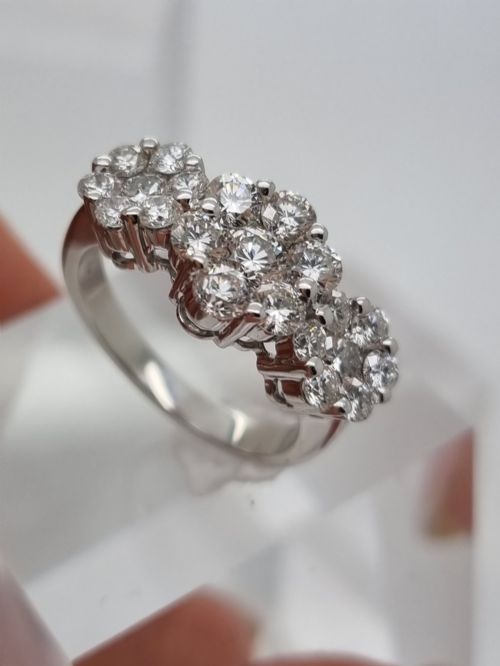
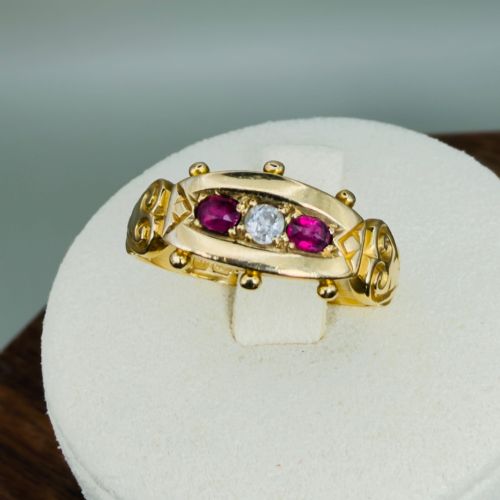
The centre stone typically commands attention by standing slightly larger than the two flanking gems, creating a balanced silhouette on the hand. Collectors encounter traditional straight line settings alongside twist and cluster variations from the early nineteen hundreds.
Makers utilised platinum and eighteen carat yellow or white gold to construct secure settings that let maximum light enter each stone. These pieces transition easily from historical engagement tokens to sophisticated dress jewellery worn today.
Materials and Construction Techniques
Goldsmiths worked with platinum and eighteen carat gold, often combining yellow gold bands with white metal claw or bezel settings to enhance the brilliance of diamonds. Stones display historical cuts such as old European, old cushion, transitional, and rose cuts shaped by hand.
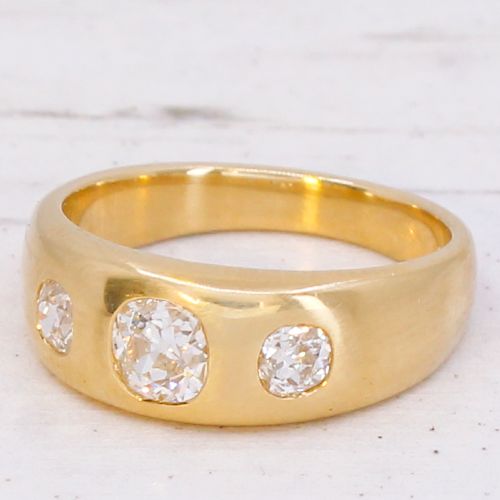
Jewellers integrated decorative shoulders, pierced galleries, and millegrain edges during the Edwardian and Art Deco periods to add texture and refine the silhouette. Settings ranged from low profile gypsy mounts to elevated claw configurations designed to maximise light exposure.
Vintage Trilogy Ring Retail Price Guide 2026
Typical asking prices for vintage trilogy ring among the pieces listed under this phrase on Sellingantiques today, from the lower quarter to the upper quarter. They describe what is for sale here now, not the wider market.
Many a Victorian hand once twirled these three sparkling stones to ponder yesterday, today, and tomorrow over afternoon tea.
Evaluating Quality and Proportion
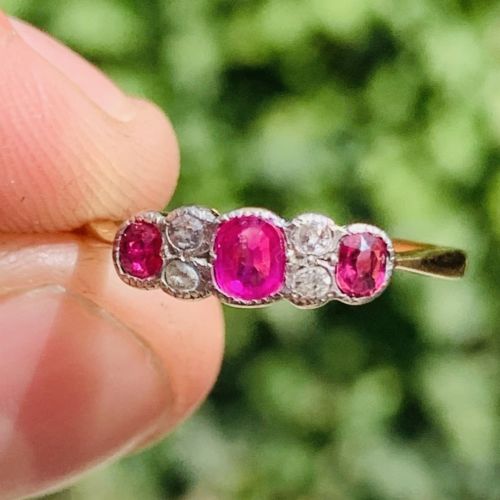
Quality rests upon the matching and proportion of the three principal stones, where uniform colour saturation and balanced carat weights elevate a piece significantly. Hand cut gems show individual character, but superior examples maintain symmetry and strong optical performance across all positions.
The integrity of the metalwork defines the superior end of the range, visible in crisp gallery piercing, secure settings, and minimal wear to the band over decades of use.
The Vintage Trilogy Ring Glossary
- Old cut diamond
- A diamond shaped by hand before modern machinery standardised facets, typically exhibiting a smaller table, higher crown, and a noticeable open culet.
- Trilogy ring
- A ring featuring three main gemstones symbolising the past, present, and future, also known as a three stone ring.
- Millegrain
- A decorative technique featuring a row of tiny raised metal beads along the edges of a setting, common in Edwardian and Art Deco jewellery.
- Gypsy ring
- A style where stones are flush set directly into the heavy metal band, popular during the Victorian period.
- Transition cut
- A diamond cut used during the early twentieth century that bridges the older mine cut and the modern brilliant cut.
Vintage Trilogy Ring: Frequently Asked Questions
How do I wear a vintage trilogy ring?
Wear the ring on its own to let the three stones draw focus, or pair it carefully with a simple wedding band that sits flush against the shank.
Take the ring off during manual tasks or heavy lifting to protect the historical setting and prevent unnecessary wear to the metal.
What periods do these rings come from?
The pieces span from the Victorian era and the Edwardian period through Art Deco designs up to the nineteen sixties.
Each decade brought distinct shifts in metal choice and stone cutting, helping collectors date individual pieces accurately.
How do I clean my ring safely?
Soak the ring in warm water with a tiny drop of mild dish soap, then brush gently around the stones with a very soft toothbrush.
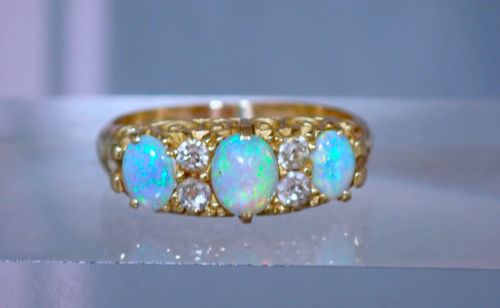
Avoid harsh chemical dips or ultrasonic cleaners, especially if the piece contains softer gems like opals or emeralds.
Can I resize a vintage trilogy ring?
Most gold and platinum bands can be adjusted by a skilled jeweller who understands antique construction methods and preserves hallmarks.
Consult a specialist to ensure the resizing process does not compromise delicate side settings or shoulder engravings.