




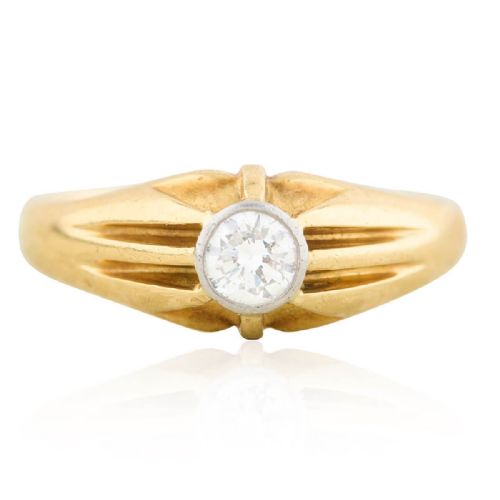


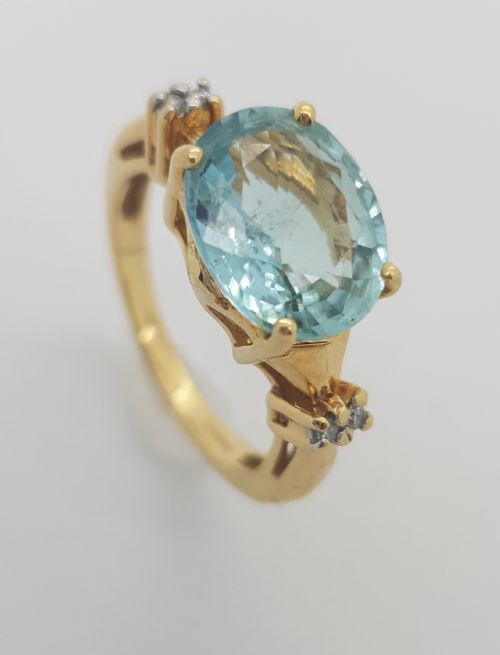
18 Carat Gold Solitaire
An 18 carat gold solitaire centres a single gemstone, usually a diamond, within precious metal settings spanning the Victorian, Edwardian, and mid-century eras.
18 Carat Gold Solitaire
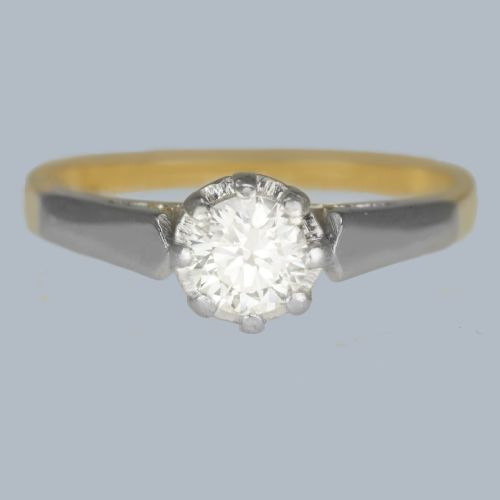
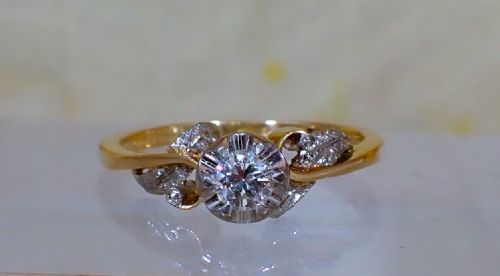
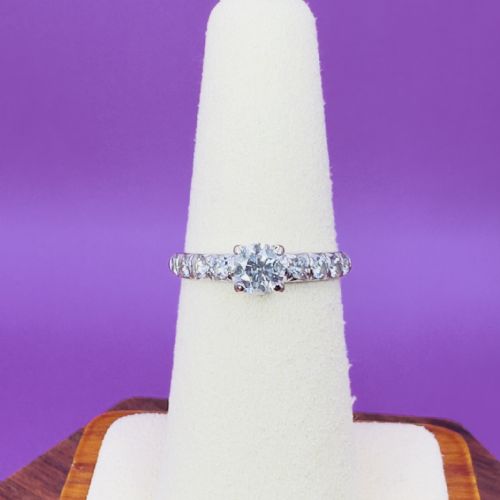
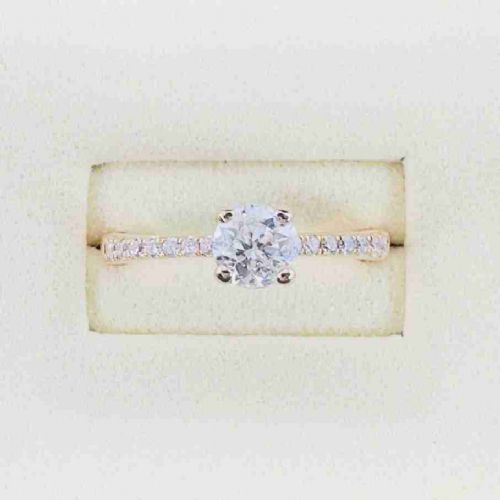
When you search for an 18 carat gold solitaire, you encounter pieces designed to highlight a single principal stone rather than a cluster. The evidence shows these pieces appear predominantly as rings, engagement rings, pendants, necklaces, and stud earrings.
The selection on this page brings together items shaped across different periods, including Victorian, Edwardian, Art Deco, Art Nouveau, and mid-century modern classic styles. Rings dominate the selection, utilising both yellow and white gold alongside platinum settings.
How they were made
The pieces combine 18 carat yellow gold, 18 carat white gold, 18 carat rose gold, and platinum with gemstones such as diamonds, sapphires, turquoise, aquamarine, and amethyst. Metals are worked into rings and pendants using claw settings, illusion settings, star settings, and gypsy mountings.
Cutter techniques recorded in the archive range from older traditional cuts like old European, old mine, and transitional cuts to brilliant cuts and oval cuts. Precious metals provide the structural strength required to secure single stones safely in daily wear.
Listings feature 18 carat gold, 18 carat white gold, 18 carat yellow gold, and platinum paired with diamonds, sapphires, turquoise, aquamarine, and amethyst.
What varies in quality
Quality rests in the harmony between the gemstone's cut and the precision of the metal setting holding it. Older hand-cut stones exhibit distinct facet patterns that differ from later brilliant cuts, influencing how light moves through the material.
The integrity of the claws, bezels, or illusion plates dictates how securely the central stone is held within the 18 carat gold framework. Heavier metal weight and clean execution of shoulder details separate standard production from finer examples.
The 18 Carat Gold Solitaire Glossary
- Solitaire
- A piece of jewellery featuring a single set gemstone, most commonly a diamond. This design focuses visual attention entirely on the central stone.
- Old European Cut
- An early round diamond cut characterised by a small table, a high crown, and a large culet. This cut was prevalent during the Victorian and Edwardian periods.
- Illusion Set
- A setting style where metal surrounds the girdle of a smaller diamond to make the stone appear larger. It creates a bold visual impact on the finger.
- Belcher Ring
- A ring style featuring a rounded mounting with prominent claws that lift the stone above the band. The design was popular in the Victorian era.
18 Carat Gold Solitaire: Frequently Asked Questions
What is an 18 carat gold solitaire?
An 18 carat gold solitaire is a piece of jewellery, most frequently a ring or pendant, featuring a single prominent gemstone mounted in gold containing 75 percent pure metal. The remaining alloy content provides the durability necessary for jewellery.
These pieces focus attention entirely on the central stone, whether that is a diamond, sapphire, or aquamarine, supported by traditional or modern metalwork settings.
How do I tell Victorian solitaires apart from later ones?
Victorian solitaires often utilise hand-cut stones such as old European or old mine cuts paired with heavier yellow gold bands, sometimes featuring star settings or illusion plates.
Later mid-century pieces more commonly employ white gold or platinum settings with modern brilliant cut diamonds, reflecting shifts in prevailing aesthetic tastes.
Are all 18 carat gold solitaires yellow gold?
No, the selection includes 18 carat yellow gold, 18 carat white gold, and 18 carat rose gold variants alongside pieces that incorporate platinum.
White gold and platinum became particularly favoured during the Art Deco and mid-century periods to provide a bright, neutral contrast against diamonds.
Can I wear an antique solitaire every day?
Yes, 18 carat gold and platinum provide the structural durability required for regular wear, provided the settings remain secure and well-maintained.
Checking the claws or mounts periodically ensures that the central gemstone stays firmly in place during daily activities.