

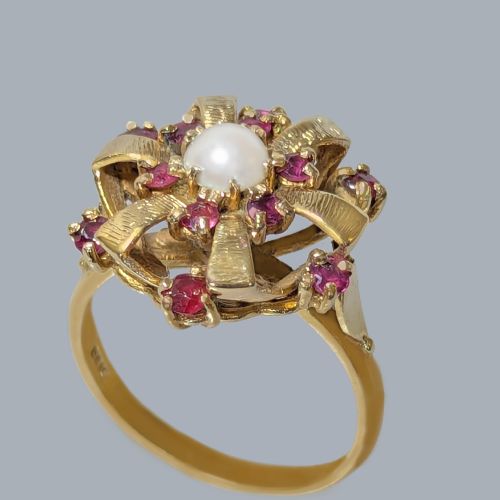


1960s Cluster Dress Ring
A 1960s cluster dress ring gathers central gems within tight surrounds of smaller stones, offering bold hand presence.
1960s Cluster Dress Ring
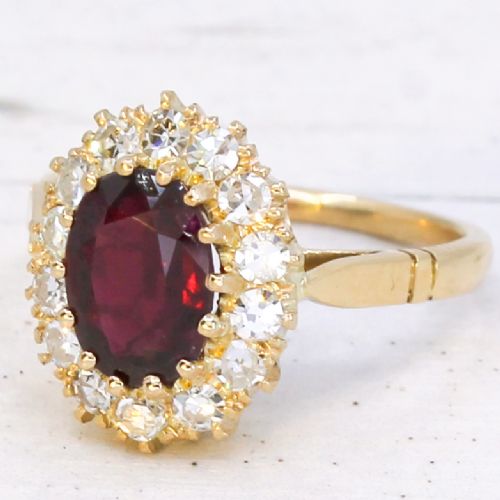
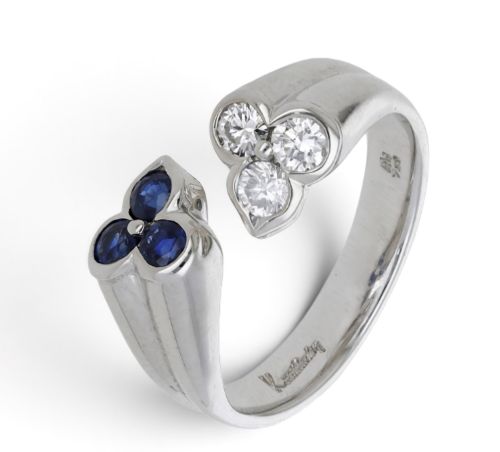
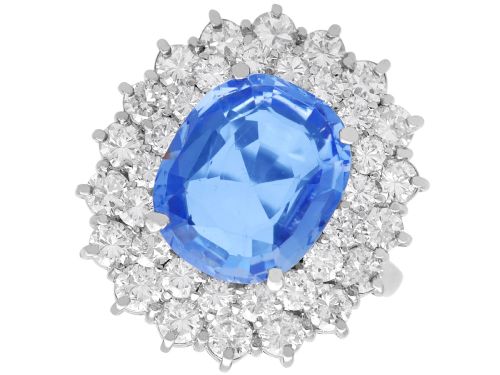
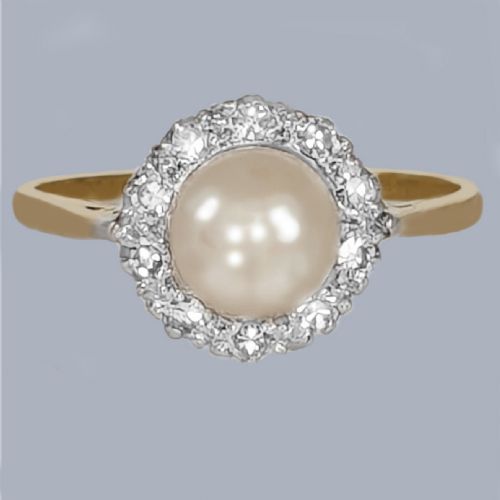
A 1960s cluster dress ring presents a prominent central gemstone, such as sapphire, emerald, ruby, aquamarine, or pearl, encircled by brilliant diamonds. These pieces emerge primarily from the mid-century period, alongside occasional retrospective revivals and earlier examples.
The format favours striking proportions designed for cocktail wear and evening display. Buyers encounter substantial precious stones mounted in floral, scrolled, or geometric cluster arrangements upon the finger.
Dating relies on hallmarks, specific mount styles, and characteristic mid-century settings that prioritise visual impact. Yellow gold, white gold, and platinum dominate the structures holding these clustered gemstone arrangements.
Materials and construction
Goldsmiths utilised 18ct yellow gold, 18ct white gold, and durable platinum to anchor heavy central stones and surrounding melee diamonds. Platinum settings frequently secure white diamond clusters to maximise brilliance against the metal.
Techniques combine cast foundations with hand-finished basket mounts and claw or grain settings. Open work scrolled galleries and stepped tiers allow light to pass through coloured stones like Burmese sapphires and Colombian emeralds.
Ballerina rings mimic mid-century ballet skirts, turning hands into permanent opening night front row seats.
Quality factors in mid-century clusters
Quality rests upon the natural origin, clarity, and saturation of the primary gem, whether unheated sapphire, no oil emerald, or old cut diamond. Strong colour intensity without artificial treatment elevates a stone's standing.
The precision of the surrounding diamond work and the robustness of the structural metalwork dictate durability and refinement. Balanced proportions between the centre stone and its diamond border separate standard production from superior examples.
The 1960s Cluster Dress Ring Glossary
- Cluster ring
- A ring featuring a central gemstone surrounded by a border of smaller stones, typically diamonds. This arrangement maximises surface sparkle and perceived size.
- Ballerina ring
- A distinctive cluster design where tapered baguette or brilliant cut diamonds radiate outward like a dancer's tutu. This style gained immense popularity during the mid-century era.
- Cocktail ring
- A large, showy ring worn to evening social events, usually set with substantial coloured stones and diamonds. They are designed to draw immediate attention during hand gestures.
- Old cut diamond
- A precursor to the modern brilliant cut featuring a smaller table, higher crown, and open culet. These stones display distinctive soft, blocky light reflection under candlelight.
- Unheated sapphire
- A natural sapphire that has not undergone thermal enhancement to improve colour or clarity. Certification of unheated status significantly enhances collector interest.
1960s Cluster Dress Ring: Frequently Asked Questions
How do I wear a cluster ring safely?
These rings suit evening wear and special daytime occasions due to their protruding profiles and generous stone sizes. Take care to remove them during heavy manual tasks to protect the prongs.
Store each piece in an individual padded box to prevent the diamonds from scratching softer adjacent stones like pearls or emeralds.
Are these rings suitable for daily engagement wear?
Sturdier mountings in platinum or 18ct gold handle regular wear well, provided the setting claws remain secure. Sapphire and diamond combinations offer high durability for everyday use.
Softer centre stones such as pearls require much greater caution and benefit from reserved occasional wear rather than constant daily exposure.
What defines mid-century ring design?
Mid-century jewellery broke away from rigid pre-war symmetry, embracing organic curves, floral motifs, and dramatic open work galleries. Designers played with scale to create maximum visual volume on the hand.
Yellow gold returned to favour alongside white gold and platinum, often contrasting warm metal tones with icy diamond borders.
How can I check the date of my ring?
Look inside the band for British hallmarks, maker's marks, or laser stamps that indicate exact assay office years. Birmingham and London hallmarks provide definitive dating evidence for many pieces.
Stylistic cues such as basket depth, prong thickness, and overall silhouette further help narrow the decade of manufacture.