



1920s Solitaire Ring
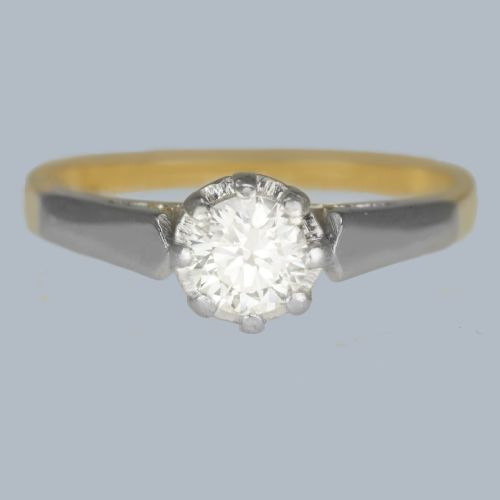
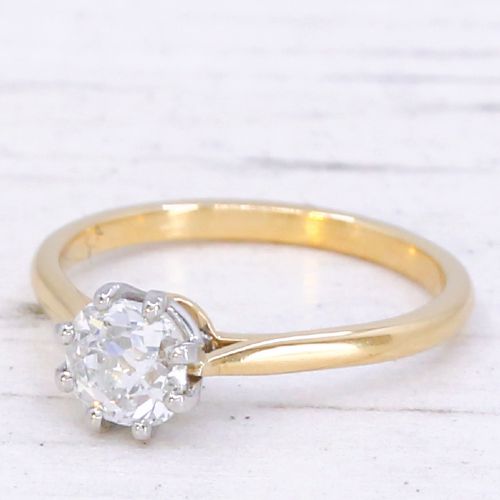
When you search for a 1920s solitaire ring, you look for a single-stone jewel defined by geometric design and early diamond cuts.
1920s Solitaire Ring
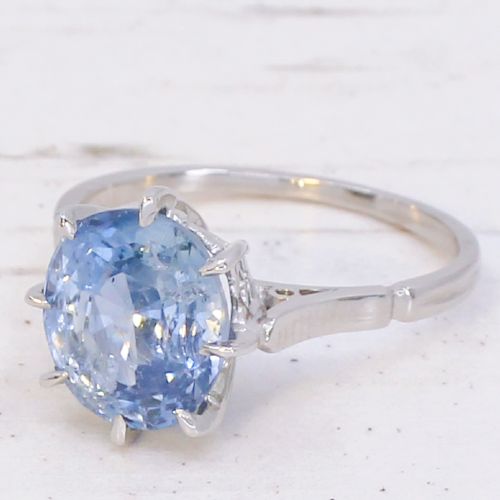
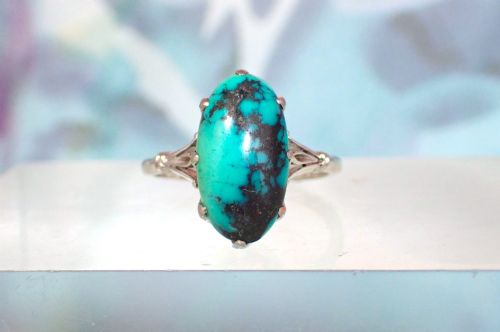
The aesthetic draws heavily from the geometric patterns of the Art Deco period, though occasional Edwardian influences appear. Alongside diamonds, pieces frequently showcase sapphires, emeralds, aquamarines, and opals as central stones.
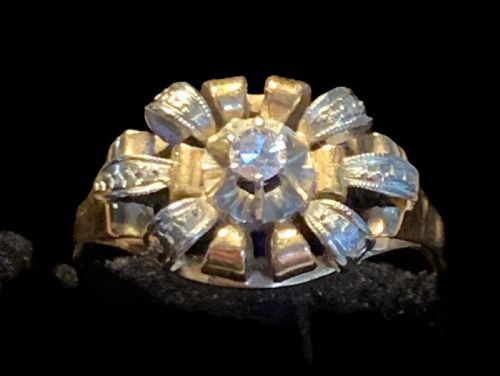
Most examples function as engagement rings, though many survive as dress rings. Their forms range from simple square settings to elaborate leaf and enamel motifs.
How they were made
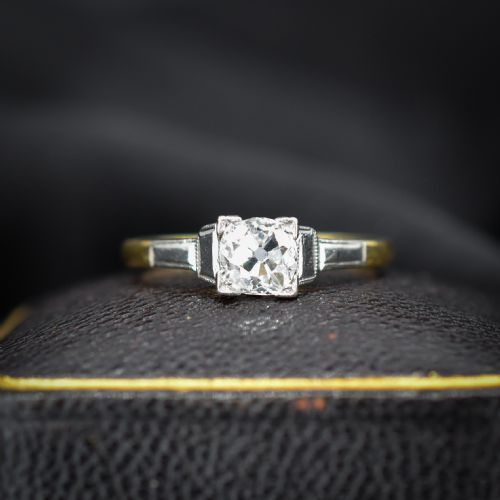
Goldsmiths utilised platinum extensively during this era because the strong metal allowed for delicate, intricate settings without risking the security of the stone. Combinations of 18ct yellow gold, 18ct white gold, and platinum frequently appear together on the same band.
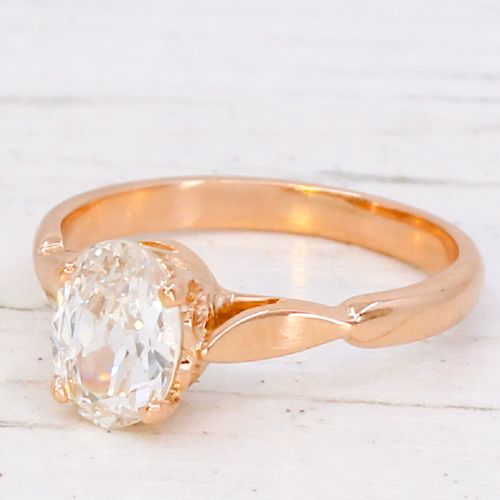
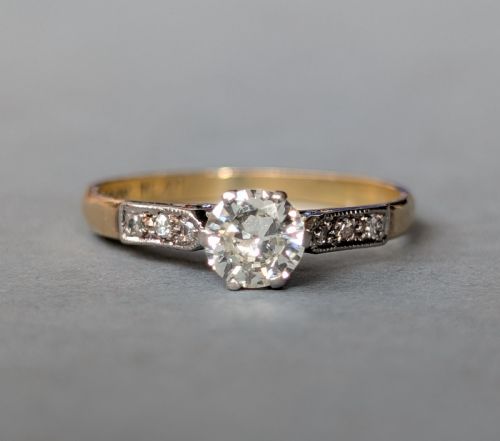
Stones were cut by hand, yielding old mine cuts, old European cuts, and transitional cuts that display softer facets than modern brilliant cuts. Settings often incorporated millegrain edges, tiny beaded metal borders that soften the geometric lines.
Listings feature periods spanning from the Edwardian era through the 1920s, 1930s, and 1940s.
What varies in quality
Quality rests primarily on the character and proportions of the central gemstone, alongside the integrity of the metalwork. Hand-cut diamonds with lively facet patterns and pleasing colour grades elevate a piece above standard examples.
The finesse of the mounting separates ordinary production from exceptional work. Precision in the millegrain detailing, the symmetry of the platinum gallery, and the sturdiness of the prongs dictate the lasting value of the ring.
The 1920s Solitaire Ring Glossary
- Solitaire
- A ring featuring a single set gemstone. This design focuses visual attention entirely on the main stone.
- Old cut
- A diamond facet arrangement shaped by hand before modern machinery. These stones typically display smaller tables and higher crowns.
- Millegrain
- A decorative technique creating a raised line of tiny metal beads along the edges of a setting. It was widely used in Art Deco jewellery to soften hard geometric transitions.
- Transition cut
- A diamond cut used during the shift from old cuts to modern brilliants. It combines high crowns with smaller culets.
1920s Solitaire Ring: Frequently Asked Questions
Are these rings suitable for daily wear?
Platinum and 18ct gold provide durable foundations for everyday use. Regular checks on the settings help secure the central stone over time.
Gentle cleaning with warm soapy water maintains the sparkle of the gemstones. Avoiding harsh chemicals protects the integrity of older metals and softer stones.
How do I identify an authentic piece?
Authentic items display hand-cut stones and construction methods characteristic of the period. Platinum usage and characteristic Art Deco motifs offer strong indicators of age.
Examining the gallery under magnification reveals hand-finished details absent in modern reproductions. Hallmarks and material combinations further confirm the era of production.
What is the difference between old cut and modern cut diamonds?
Old cut diamonds feature hand-polished facets tailored to candlelight rather than electric illumination. They often possess smaller tables and deeper pavilions.
Modern cuts prioritise maximum brilliance through precise mathematical symmetry. Old cuts display a charming, softer glow that distinguishes antique stones.
Can I resize a vintage ring?
Most platinum and gold bands can be adjusted by a skilled jeweler. The complexity of the resizing depends on the shoulder decoration and side stones.
Intricate gallery work or continuous engraving requires careful handling to preserve the design. Consulting a specialist ensures the structural integrity remains intact.