


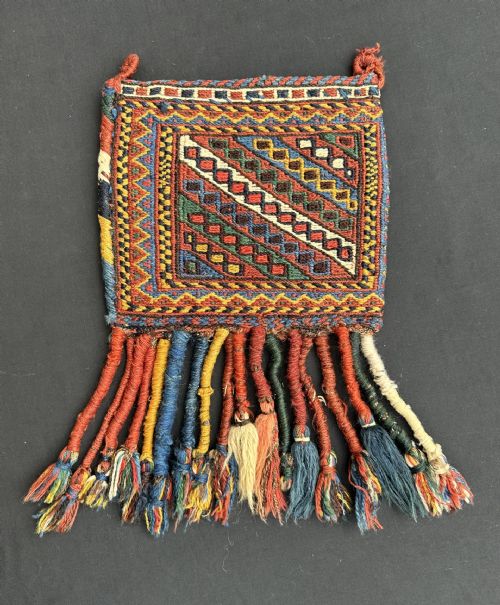
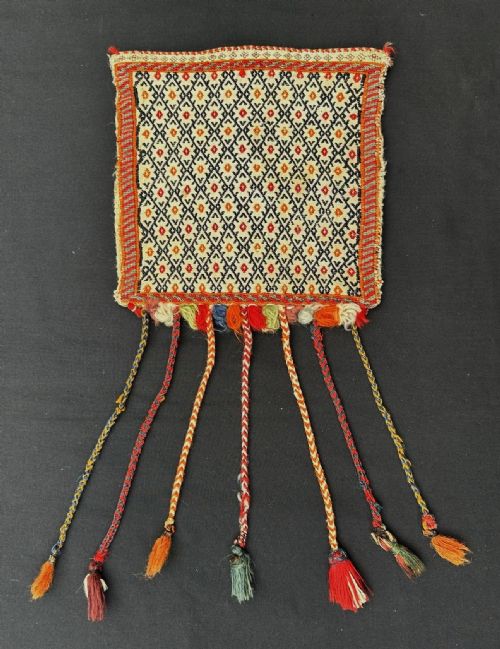
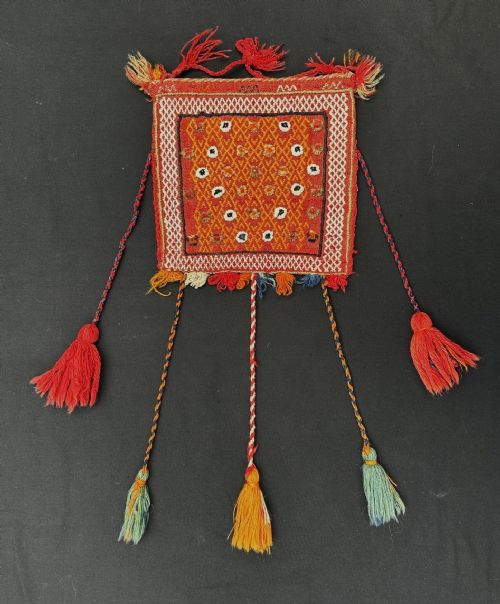


Woven Wool Vanity Bag
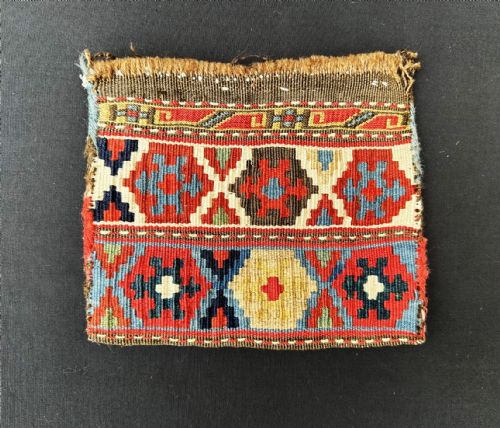
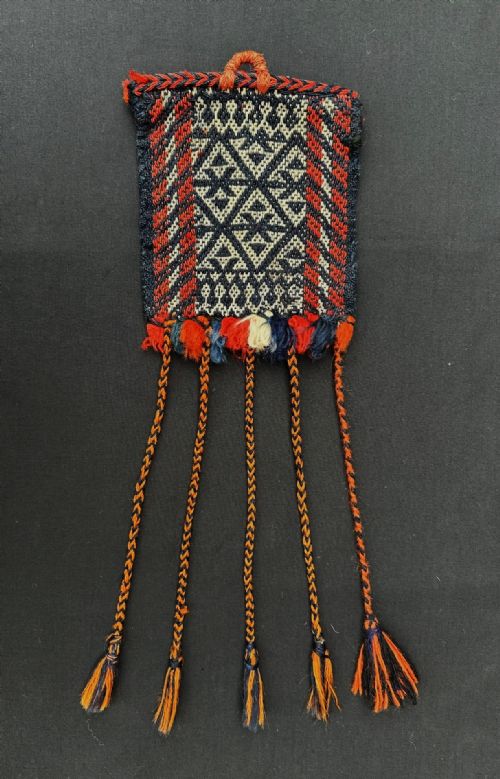
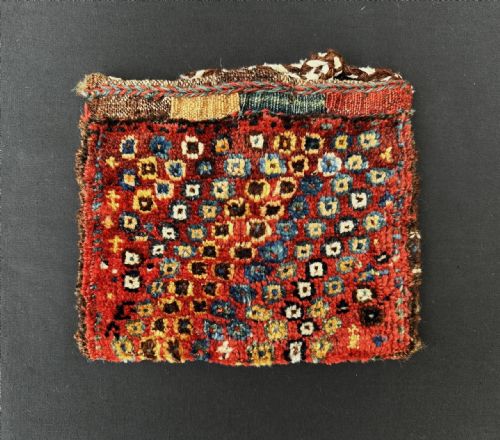
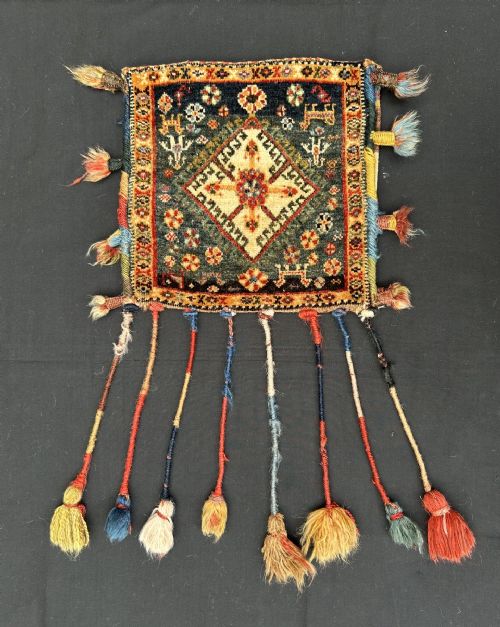
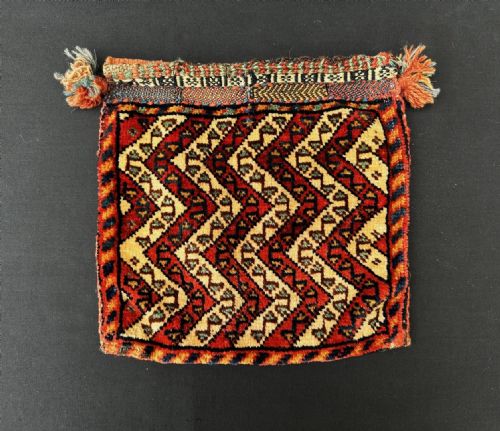
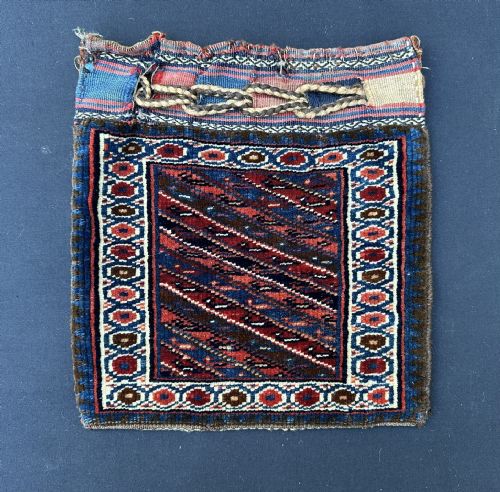
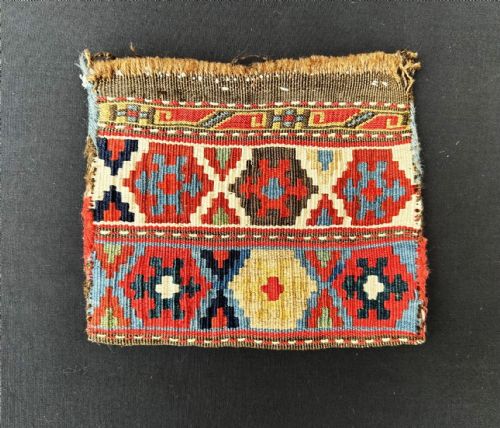
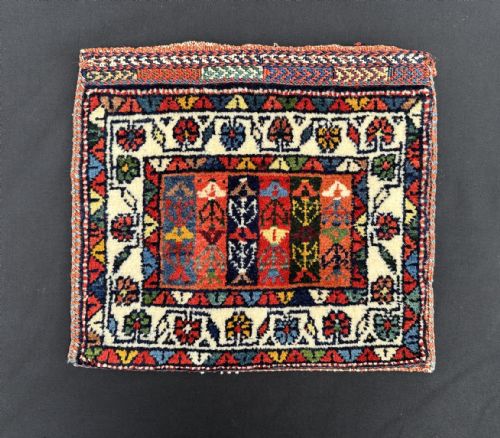
These woven wool vanity bag examples are portable tribal pouches carrying intricate regional designs from Persian nomads.
Woven Wool Vanity Bag
The specimens appearing here span multiple decades from the late nineteenth century into the early twentieth century. Most examples connect directly to specific tribal groupings including the Qashqa'i Confederacy, Shahsevan nomads, Afshar tribes, and Baluch groups. Each woven wool vanity bag reflects the specific cultural motifs and structural habits of its particular maker.
Materials and construction
Makers utilised hand-spun wool and natural dyes to build the durable structure of each woven wool vanity bag. Cotton often appears in the foundation threads or structural details, while organic colourants provide the deep hues seen across the surface. Certain examples incorporate cowrie shells to adorn the pouch exterior.
Nomadic weavers constructed these items using traditional tribal weaving techniques suited for portable storage. The dense knotting and flatwoven elements provide the strength required for daily utility while permitting complex geometric and tribal patterns to emerge.
Listings feature periods spanning from the mid-nineteenth century through the 1920s, highlighting wool, cotton, and natural dyes.
Assessing quality and character
Quality in a woven wool vanity bag relates to the fineness of the weave and the complexity of the tribal design. Tighter knotting and precise geometric layouts indicate higher technical skill by the weaver. The clarity and richness of natural dyes further distinguish superior examples from standard specimens.
The condition of the wool, the integrity of the structural sides, and the presence of original embellishments such as cowrie shells influence the desirability of the piece. Tribal authenticity and well-preserved regional attributions separate the finest historical pouches from simpler domestic items.
The Woven Wool Vanity Bag Glossary
- Confederacy
- A political and social alliance of multiple nomadic tribes acting together. This term frequently applies to groups like the Qashqa'i in south-west Persia.
- Natural Dyes
- Organic colourants derived from plants, insects, and minerals. These materials yield the stable, nuanced tones found in older tribal textiles.
- Tribal Bag
- A functional woven container used by nomadic peoples for storage and transport. These items combine utility with traditional regional artistry.
- Hand-spun Wool
- Fleece processed into yarn by hand using a drop spindle rather than industrial machinery. This method creates yarn with varied thickness and texture.
Woven Wool Vanity Bag: Frequently Asked Questions
What were these bags used for?
Nomadic groups utilised these small pouches for storing personal possessions, small tools, or valuable items during migration. Their portable format suited the mobile lifestyle of Persian tribes.
Over generations, these pouches functioned as practical storage containers within tribal tents before becoming collectible textile artefacts.
How do I date these bags?
Dating relies on examining the wool texture, the chemical composition of natural dyes, and the specific tribal attribution styles. Pieces frequently date from the late nineteenth century to the early twentieth century.
Structural wear patterns and regional weaving techniques also provide strong indicators of the period in which a pouch was made.
Where did these bags originate?
Origins trace back to specific nomadic regions across Persia, including Azerbaijan in the north, Fars in the south-west, and Kerman in the south. Different tribes developed distinct colour palettes and geometric motifs.
Recognising these regional patterns helps collectors identify the exact tribal group responsible for weaving the textile.
How should I display them?
These textiles require careful handling and protection from direct sunlight to preserve the natural dyes within the wool. Mounting them safely on neutral fabric backgrounds allows proper visibility without straining the structure.
Keep the wool clean through gentle dusting and avoid hanging them in humid environments.