





Handwoven Persian Pouch
These handwoven persian pouch examples are genuine nomadic textiles carrying rich tribal history and intricate village artistry into your home.
Handwoven Persian Pouch
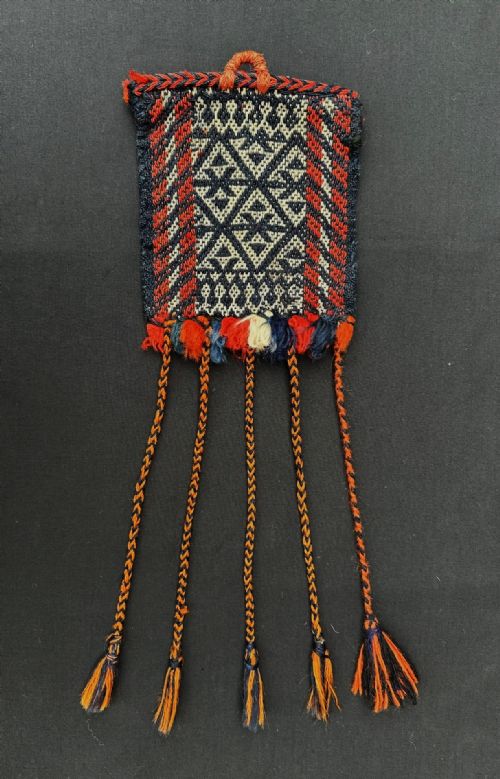
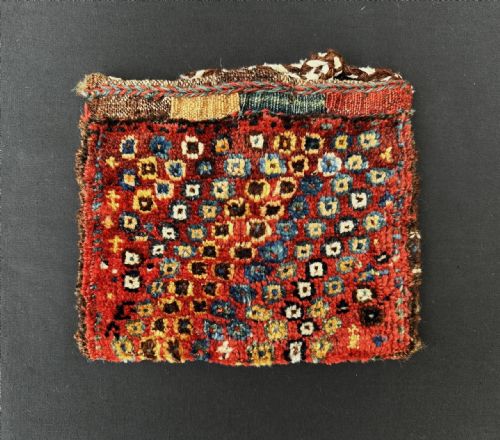
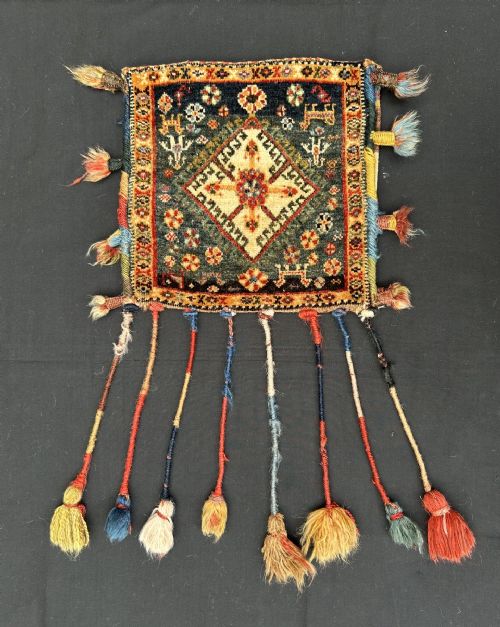
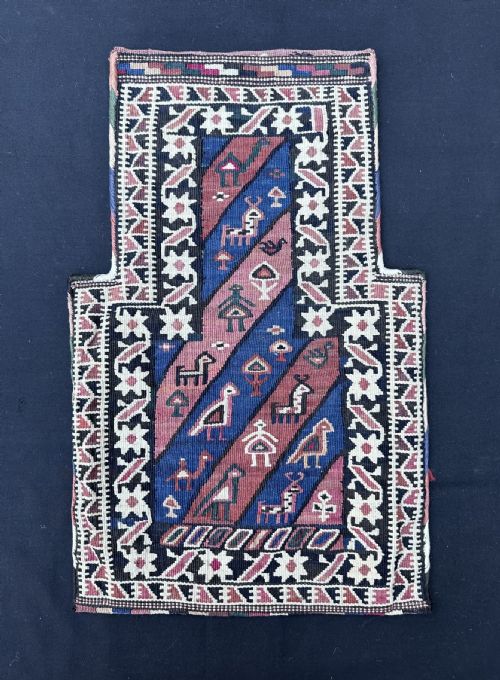
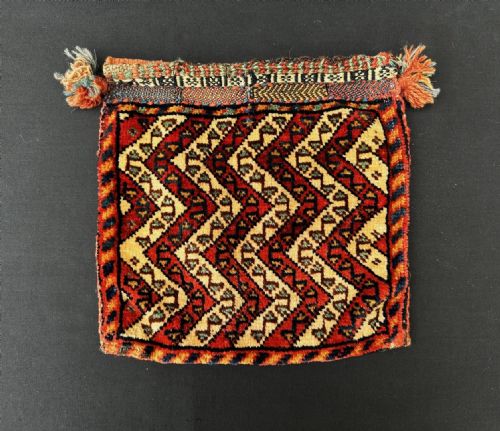
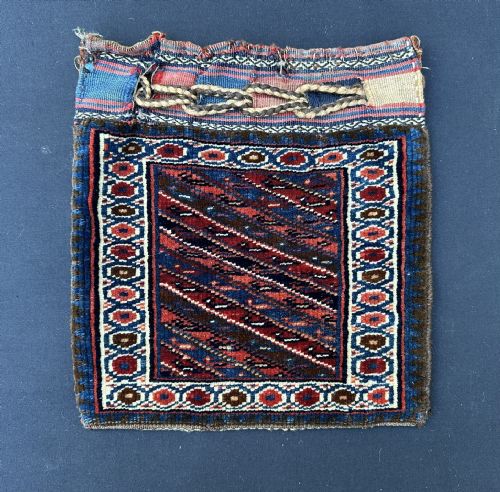
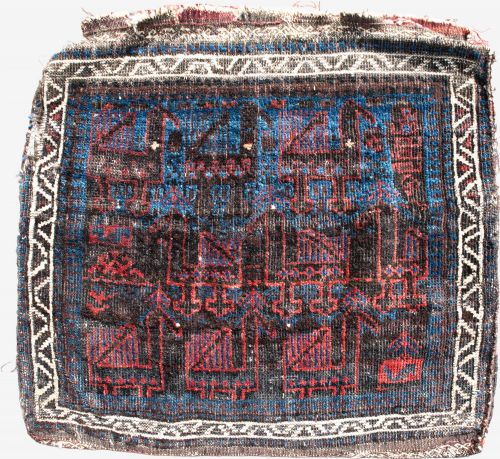
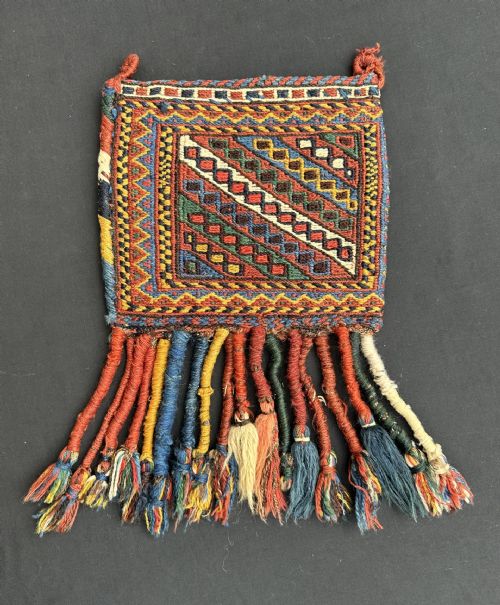
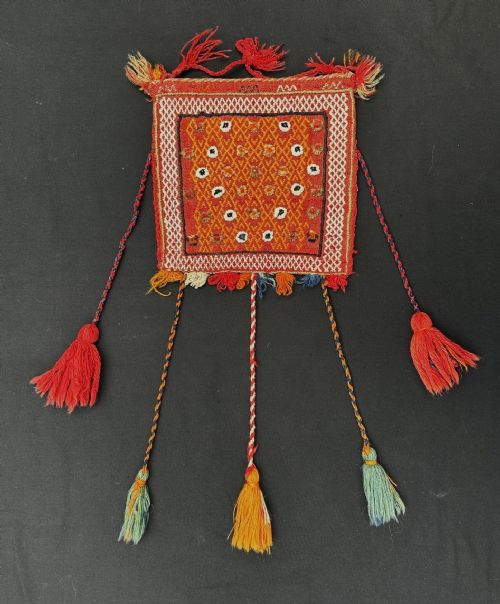
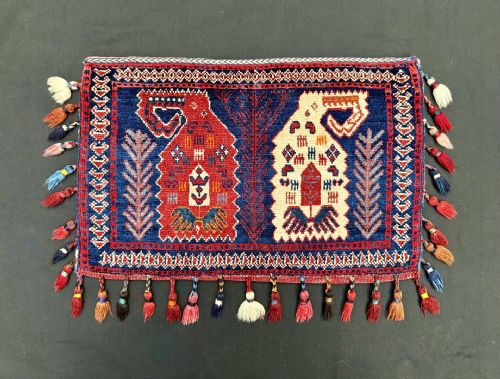
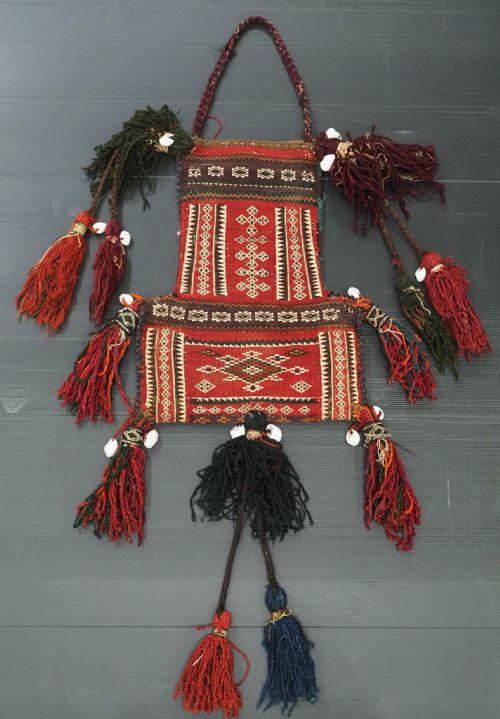
A handwoven persian pouch represents functional nomadic artistry from tribal regions across Persia, created for practical storage and personal use. These pieces include vanity bags, salt bags, and tobacco pouches originating from groups such as the Afshar, Qashqa'i, and Baluch tribes.
The objects span periods from the late nineteenth century into the early twentieth century, showing distinct regional patterns and weaving traditions. You will most frequently encounter these items designated as specific tribal bags or personal storage pieces from southern and northeastern Persia.
Makers utilised traditional looms to produce these textiles, incorporating practical formats like half saddle-bags, salt bags, and double-sided vanity bags. Each pouch reflects the specific cultural heritage and nomadic lifestyle of its maker through distinct regional iconography.
Assessing Quality and Execution
The refinement of the knotting and the tightness of the weave separate exceptional examples from standard utilitarian pieces. Finer structural execution allows for more complex geometric and figurative designs to emerge clearly across the surface of the pouch.
The depth, complexity, and condition of the natural dyes significantly influence the overall visual impact of the textile. Superior pieces display harmonious colour palettes that have aged gracefully, maintaining their vibrancy without harsh fading.
The recorded listings feature wool, natural dyes, cotton, and cowrie shells across pieces dated between 1880 and 1920.
The Handwoven Persian Pouch Glossary
- Namakdan
- A traditional Persian salt bag used by nomadic tribes for storage purposes. These items often feature distinctive woven designs unique to the specific weaving group.
- Chanteh
- A small personal bag or pouch woven by tribal groups in Persia. They served utilitarian functions while displaying the sophisticated aesthetic skill of the maker.
- Cowrie Shells
- Marine shells utilised as decorative adornments on tribal textiles. They were often sewn onto bags for ornamentation and cultural significance.
- Natural Dyes
- Colourants derived from plant, insect, and mineral sources used to dye wool before weaving. These materials produce organic hues that develop rich patinas over time.
Handwoven Persian Pouch: Frequently Asked Questions
What were these pouches originally used for?
Nomadic tribes utilised these small woven pouches for carrying personal items, salt, tobacco, or vanity accessories during daily life and travel. Their sturdy construction protected contents while serving as personal decorative items.
Different tribal groups created specific formats tailored to their exact daily needs, such as specialised salt containers or personal vanity bags.
How do I date an antique pouch?
Dating relies on examining the specific wool quality, the composition of natural dyes, and the distinct tribal attribution visible in the motifs. Pieces in the evidence date from the late nineteenth century through the early twentieth century.
Structural characteristics and regional weaving styles provide reliable indicators for narrowing down the production period of each textile.
Where did these tribal pieces originate?
The pieces originate from various tribal confederacies and regions across Persia, including Fars, Kerman, and Khorassan provinces. Different groups such as the Afshar, Qashqa'i, and Baluch developed distinct regional styles.
Geography and nomadic migration routes heavily influenced the specific materials and design motifs employed by the weavers.
How should I display my textile pouch?
These flexible pouches can be displayed flat on surfaces, mounted gently on suitable walls, or placed within specialised display settings. Proper placement avoids excessive direct sunlight to protect the natural dyes.
Ensuring good airflow around the wool helps preserve the textile material over long periods of display.