
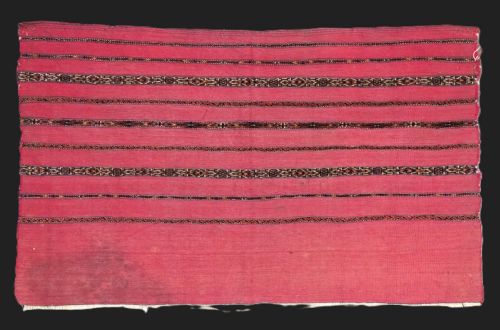


Woven Wool Bagface
A woven wool bagface offers a concentrated window into nomadic artistry, prized for its dense geometric symbolism and portable utility.
Woven Wool Bagface
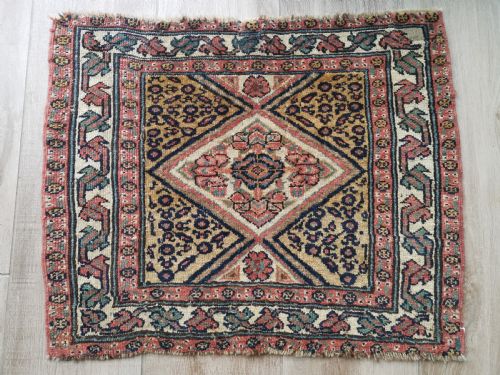
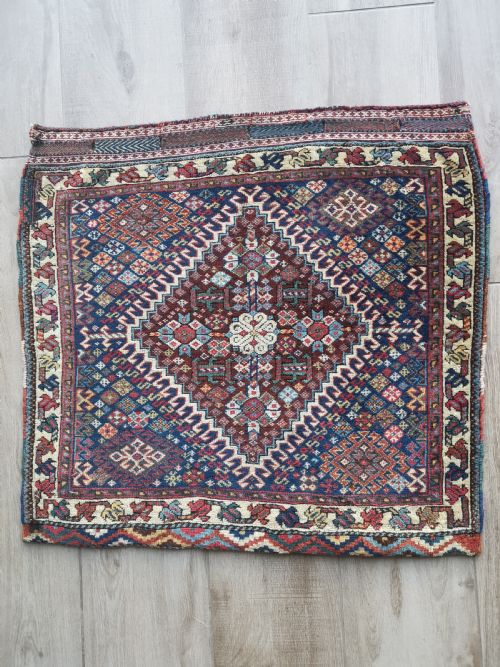
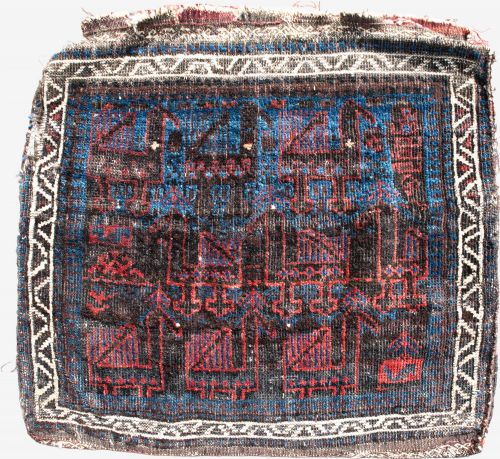
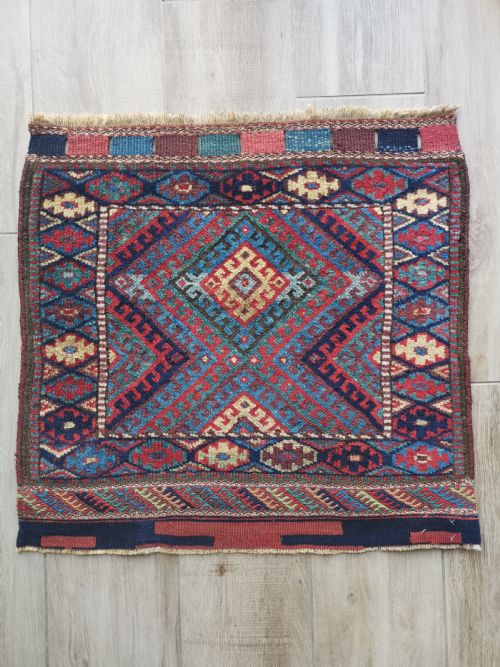
A woven wool bagface represents the front panel of a utilitarian nomadic container, designed originally for storage or animal transport across tribal regions of Central Asia and Persia. These surviving fragments and complete faces display the distinct tribal weaving traditions of groups such as the Tekke Turkmen, Qashqai, Baluch, and Jaf Kurds.
The pieces encountered on this page span from the nineteenth century into the early twentieth century, originating from nomadic and village workshops. Collectors select a woven wool bagface for its autonomous composition, which often matches the visual impact of a full-sized carpet within a fraction of the floor space.
Forms range from square storage bagfaces and torba fronts to saddlebags and specialised spindle bags, reflecting the practical domestic life of tribal makers. Each piece preserves the specific structural layout and motif vocabulary handed down through generations of weavers.
Distinctions in Quality
The upper tier of these textiles reveals itself through exceptionally fine knot density and precise control over the geometric repeat, particularly visible in dowry pieces and torba faces. Superior examples demonstrate a confident handling of natural dyes, where subtle shifts in colour depth enhance the rhythm of the tribal motifs.
Construction rigidity and wool quality further separate ordinary utility items from masterwork tribal weaving. Tighter compaction of the foundation yarns ensures that intricate elements such as bird motifs, guls, and curled leaf designs retain their sharp definition across the surface.
Periods represented span from the early nineteenth century through the 1920s, dominated by nineteenth-century examples.
The Woven Wool Bagface Glossary
- Bagface
- The decorative front panel of a nomadic storage or transport bag, preserved as an independent textile after the utilitarian back wore away.
- Torba
- A small horizontal Turkmen storage bag traditionally used inside the tent for domestic possessions.
- Chuval
- A large Turkmen tent storage bag intended for bedding and heavy household goods.
- Gul
- A repeated primary medallion motif characteristic of Turkmen and Central Asian carpet weaving.
- Ikat
- A dyeing technique where yarn bundles are tied and dyed prior to weaving to create characteristic feathered pattern edges.
Woven Wool Bagface: Frequently Asked Questions
What is a woven wool bagface?
A woven wool bagface is the surviving decorative front of a nomadic storage container or saddlebag, produced by tribal groups across Persia and Central Asia.
These panels isolate the most intricate weaving and symbolism of the original item, functioning as self-contained textile artworks.
How were these bags used?
Nomadic families utilised these woven containers inside tents and on pack animals for storing clothing, bedding, and domestic utensils.
Their robust construction and portable size made them essential items for daily life during seasonal migrations.
How do I display a bagface?
Many collectors mount these textile panels on a neutral fabric backing for wall hanging or display them flat on low tables.
Their compact dimensions allow them to fit into spaces where a full-sized carpet would prove impractical.
How are different tribal styles identified?
Tribal attributions rely on specific structural signatures, knotting habits, wool characteristics, and distinct motif repertoires such as Turkmen guls or Baluch bird designs.
Regional colour palettes further distinguish the workshops of the Qashqai, Kurdish, and Ersari makers.