






Antique Chuval Panel
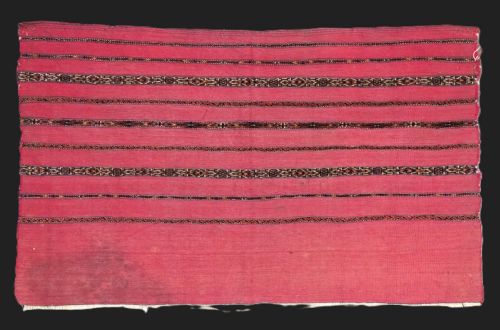
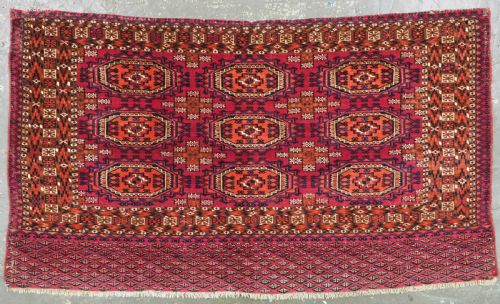
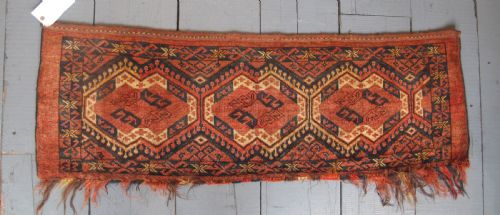
An antique chuval panel is a nomadic storage bag face woven by Central Asian tribes, offering a rich piece of tribal heritage for the wall.
Antique Chuval Panel
When you search for an antique chuval panel, you are looking at large tribal storage bag faces woven by nomadic groups across Central Asia. These textiles served a practical purpose in tribal life before finding a second life as decorative wall art.
The versions most commonly met on this page originate from the Tekke, Saryk, Ersari, and Yomut Turkmen tribes. They typically date from the mid-nineteenth century up to the early twentieth century.
Many examples survive as cut bag faces, though some retain their original wool or cotton backs. They display characteristic tribal guls and geometric motifs that mark out their specific tribal origins.
How they were made
Weavers constructed these pieces predominantly using wool foundations and piles, often incorporating cotton and crimson silk highlights for contrast. Natural dyes provided the deep red and crimson grounds typical of the finer woven examples.
The structure relies on fine wool knotting to create dense, durable surfaces designed to withstand daily use inside a nomadic tent. Artisans arranged repeating gull patterns across the field with precise geometric borders.
Listings feature wool, cotton, and silk materials across pieces dated from eighteen-fifty to nineteen-twenty.
What varies in quality
The fineness of the weave sets apart the standard examples from the exceptional works. Higher knot density allows for sharper definition in the guls and secondary motifs.
The purity and richness of the natural dyes dictate the visual depth of the textile. Pieces utilising crimson silk and bright white cotton accents display greater material complexity than simpler monochromatic wool versions.
The Antique Chuval Panel Glossary
- Chuval
- A large tent bag used by Turkmen nomads for household storage. These panels represent the decorated face of the original bag.
- Gul
- A repeating medallion or primary motif used in Turkmen rug weaving. Different tribes utilised distinct gul designs to signal identity.
- Yomut
- A prominent Turkmen tribe producing distinctive tribal textiles. Their weaving frequently incorporates bold geometric structures and varied panel designs.
Antique Chuval Panel: Frequently Asked Questions
What is an antique chuval panel?
An antique chuval panel is the decorated front of a nomadic storage bag made by Central Asian tribes. These textiles were woven to store household goods inside traditional tents.
Today, they are collected and displayed as textile art and wall hangings due to their intricate patterns.
How were chuval panels used?
Nomadic families used these large bags to store bedding, clothing, and household possessions inside their tents. They formed part of the practical furnishings necessary for daily tribal life.
Over time, many of these bags were separated from their backs to be used primarily for decoration.
How do I hang a chuval panel?
These panels make striking wall art due to their rich colours and geometric guls. Many owners mount them on fabric sleeves or specialist display systems.
Ensure the weight is supported evenly across the upper edge to prevent distortion of the wool and cotton foundation.
How do I identify different tribes?
Tribal origin is identified through the specific guls, borders, and colour palettes used in the weave. Tekke, Yomut, and Saryk weavers each employed distinct structural layouts.
Familiarising yourself with the primary medallions helps distinguish between the different Central Asian weaving traditions.