

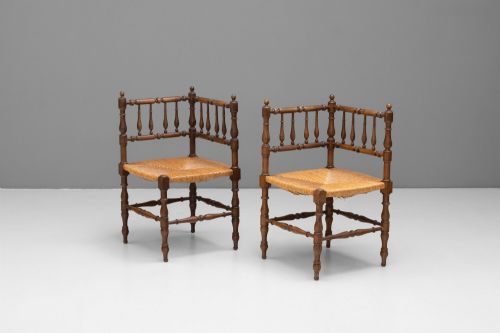
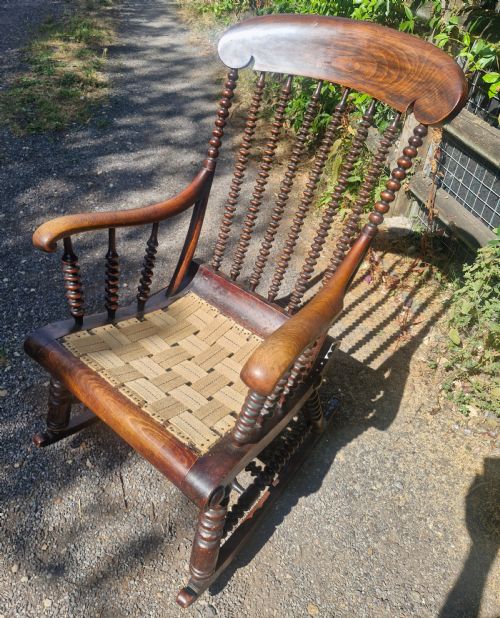
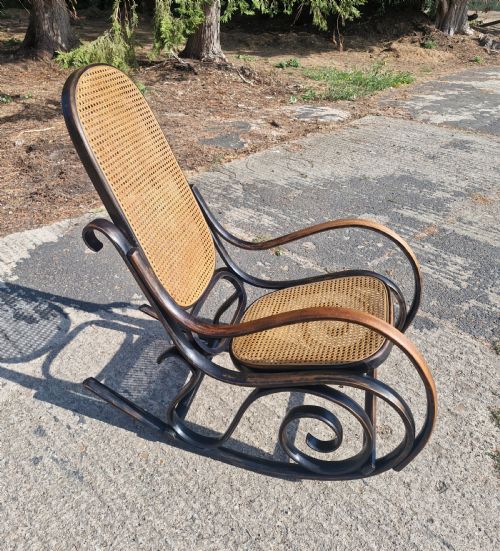
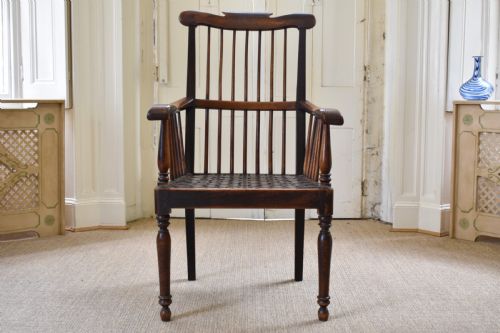


Woven Back Armchair
These woven back armchair selections combine traditional seating with flexible frames, offering comfortable support through natural fibre and wooden construction.
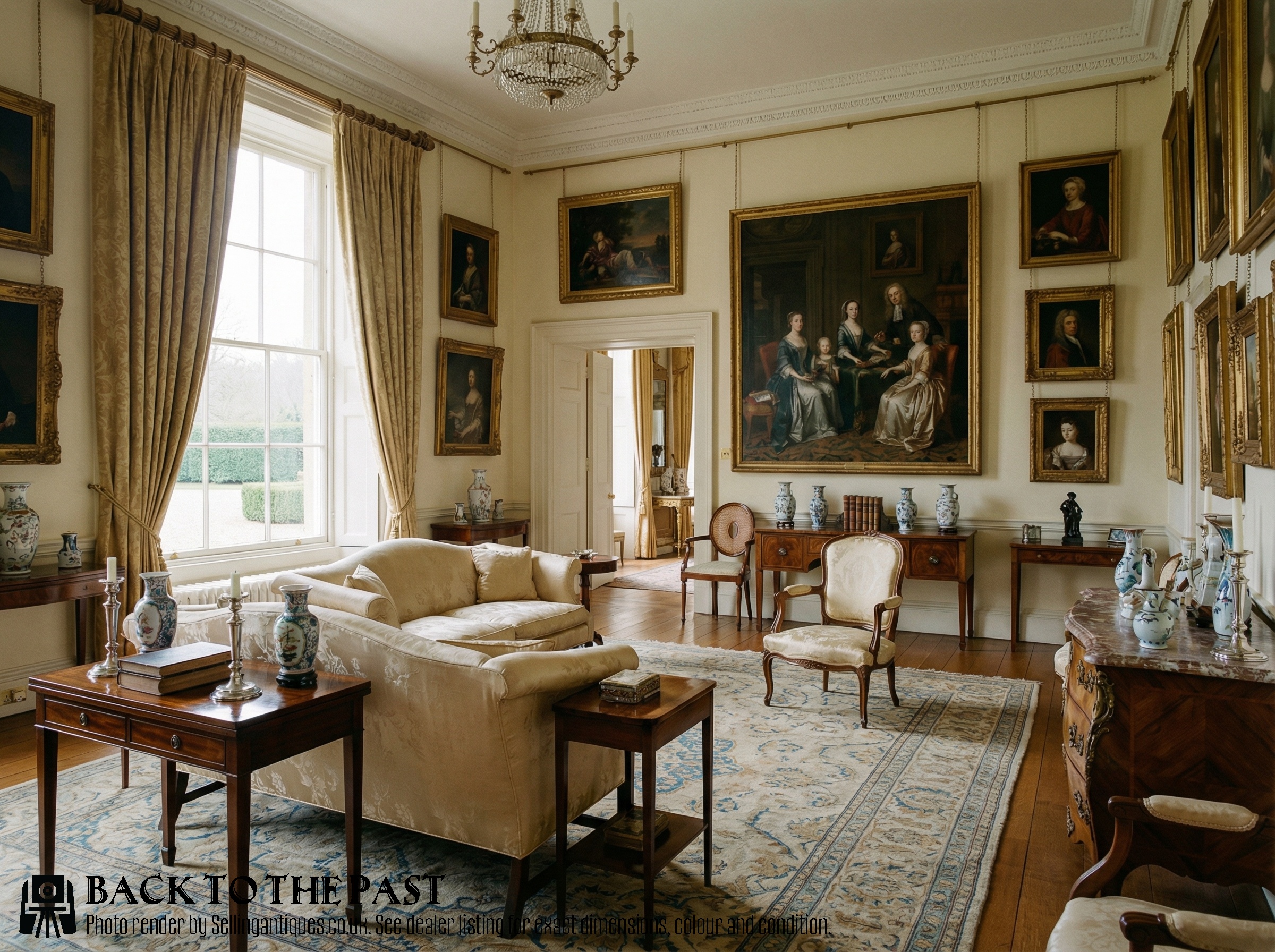
Woven Back Armchair
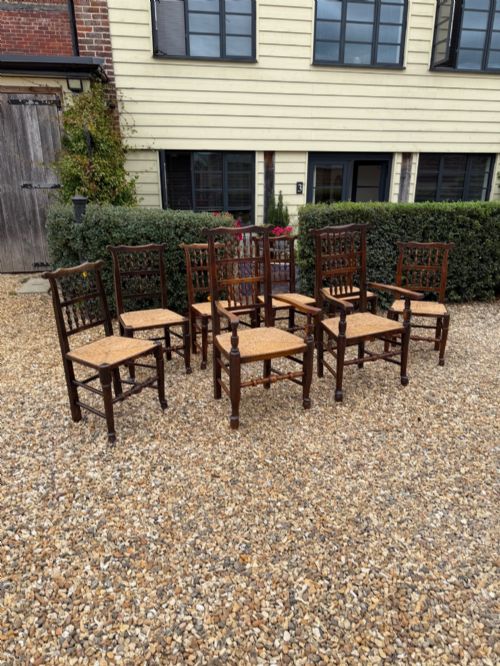
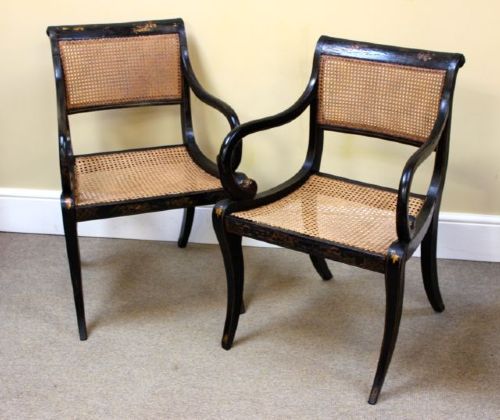
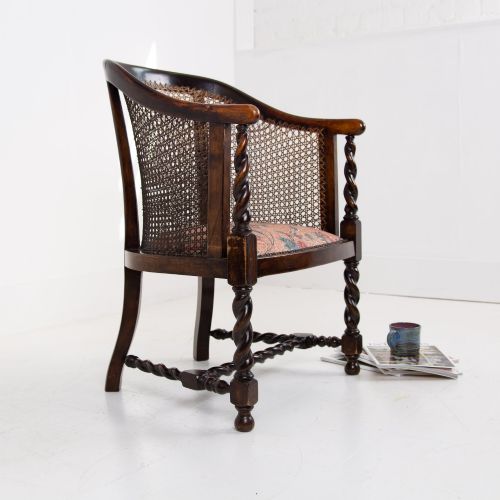
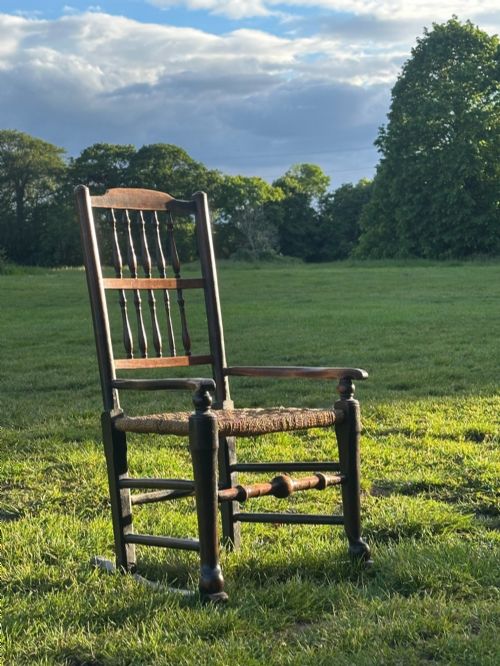
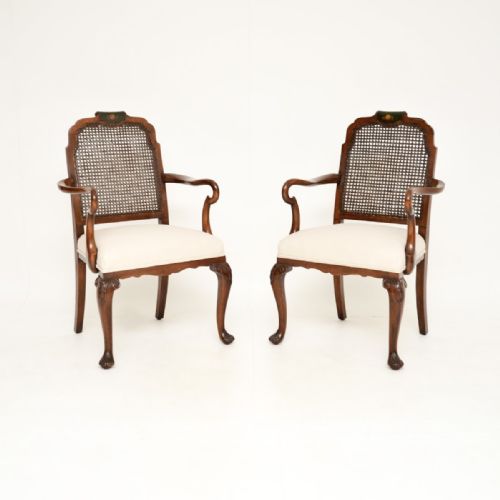
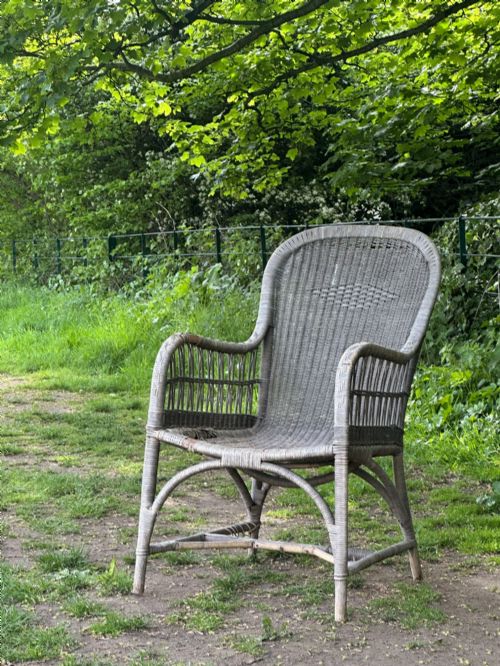
A woven back armchair uses flexible organic materials like cane, rush, straw, and rattan for its backrest, mounted within a wooden framework that provides structural rigidity. These chairs appear across various periods from the eighteenth century through to the nineteen thirties, encompassing styles such as Arts and Crafts, Regency, and Victorian country.
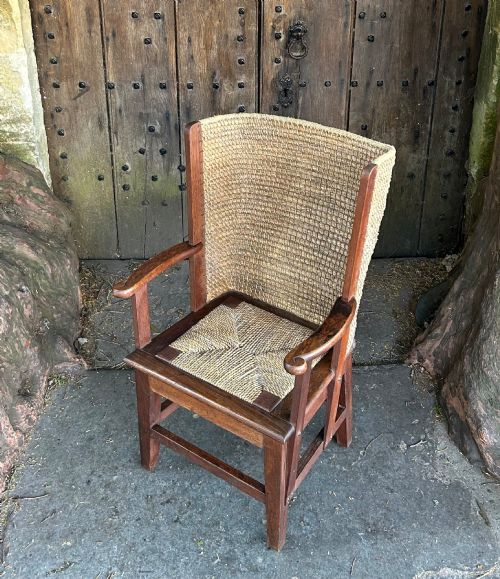
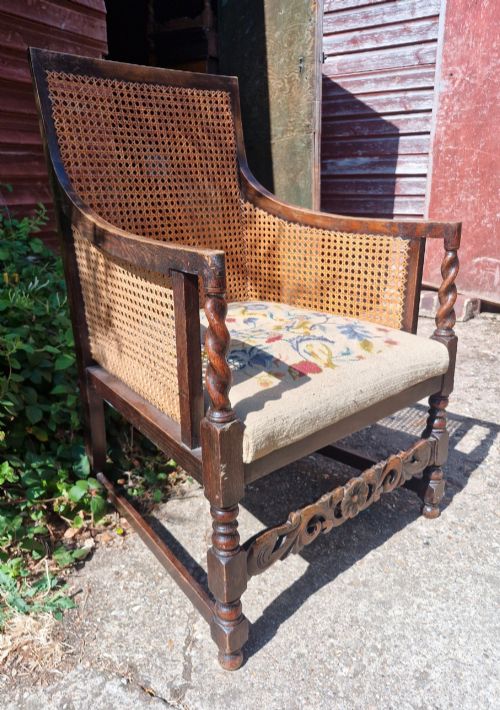
You will frequently encounter regional vernacular forms, including Orkney chairs, ladderbacks, and bergères, alongside production pieces from makers like Dryad of Leicester and Liberty. The frames utilise timbers such as oak, elm, mahogany, walnut, and teak, matched with woven seating surfaces in rush, cane, or cord.
The category extends from low lounge chairs and reclining plantation chairs to dining chairs and child armchairs. Most examples date from the nineteenth and early twentieth centuries, reflecting diverse regional workshop traditions and urban retail designs.
How they were made
Makers constructed the timber frameworks using traditional joinery methods, combining native hardwoods like oak, elm, and ash with imported varieties such as mahogany and teak. Turned components, curved bentwood, and carved details give form to the uprights, arms, and legs of each chair.
The flexible backrests and seats rely on hand-woven organic strands of cane, split rattan, rush, or straw. Artisans threaded these materials through frame drillings or grooves, tensioning the natural fibres by hand to create supportive panels.
Listings feature pieces spanning from the eighteenth century through to the nineteen thirties, executed in oak, elm, mahogany, cane, and rush.
What varies in quality
Quality depends on the tightness and uniformity of the hand-woven cane or rush work, alongside the structural integrity of the underlying timber frame. Finer examples display precise alignment in turned spindles, well-balanced proportions, and sophisticated framing techniques.
The selection of timber, the crispness of any applied carving, and the use of original materials rather than later replacements determine the standing of an individual piece.
Liberty Morris And Co·Dryad Of Leicester·Heals Of London·Morris And Co·Dicon Nance St Ives Studio
The Woven Back Armchair Glossary
- Bergère
- An upholstered armchair with an enclosed cane back and sides, commonly fitted with a loose seat cushion.
- Rush
- Water plant stems twisted together to form a strong cord for hand-weaving seats and back panels.
- Cane
- Strips derived from the outer bark of rattan palms, utilised for woven seats and panels.
- Orkney chair
- A traditional regional armchair featuring a high straw-woven back supported by a wooden frame.
- Vernacular
- Furniture made by local regional craftsmen using traditional methods and native materials without high urban styling.
Woven Back Armchair: Frequently Asked Questions
How do I clean a cane back?
Dust the woven surface gently using a soft brush to remove debris lodged between the strands.
Wipe the cane occasionally with a damp cloth and allow it to dry thoroughly to maintain flexibility.
Are rush seats strong enough?
Rush seats support regular sitting weight effectively when woven tightly from quality river rushes.
Keep these chairs away from damp environments to prevent the natural fibres from weakening over time.
Where were Orkney chairs made?
Orkney chairs originated in the remote northern Scottish islands using native oat straw and driftwood.
Local makers constructed the distinctive high backs to protect sitters from cold draughts in stone cottages.
How do I date an oak armchair?
Examine the construction joints, tool marks, and wood patination to understand the period of manufacture.
Compare the overall design style, such as Arts and Crafts or Jacobean Revival, with documented regional patterns.