


1920s Armchair
When you want a 1920s armchair, you are looking at sturdy frames and deep seats built to last through changing decades of design.
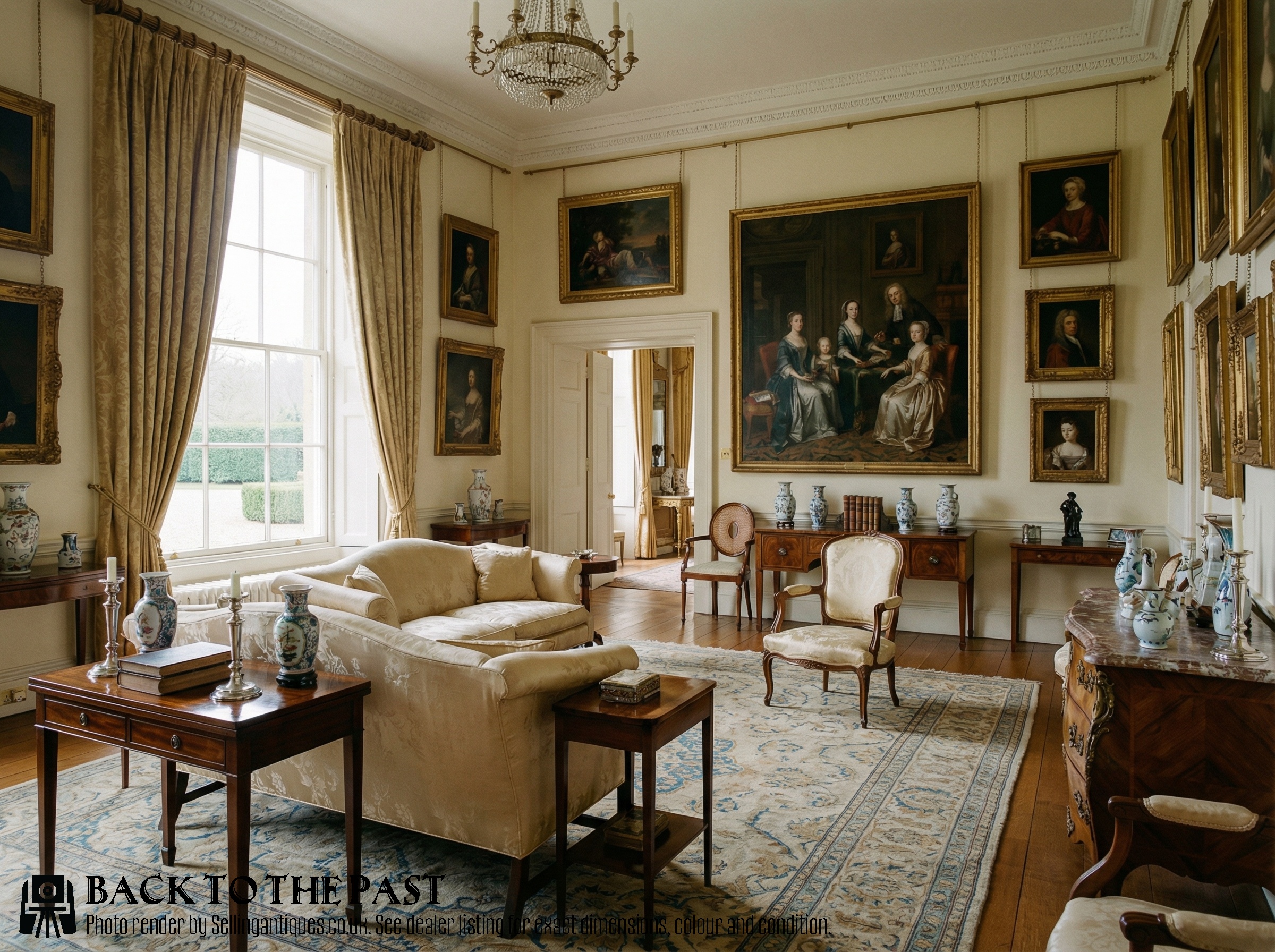
1920s Armchair
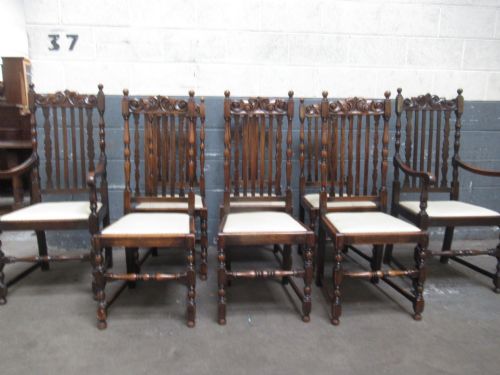
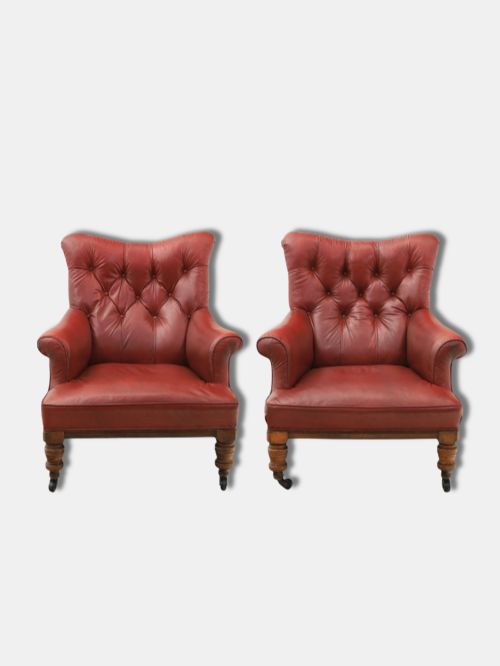
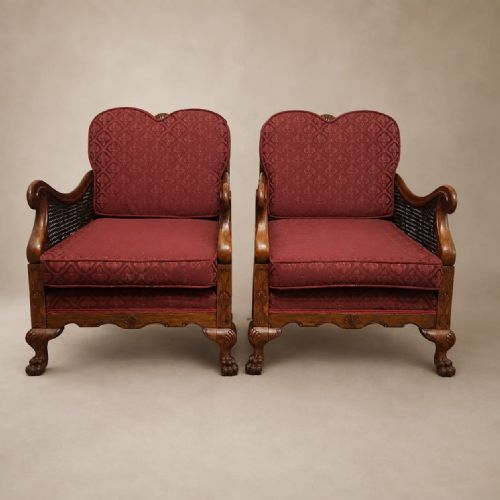
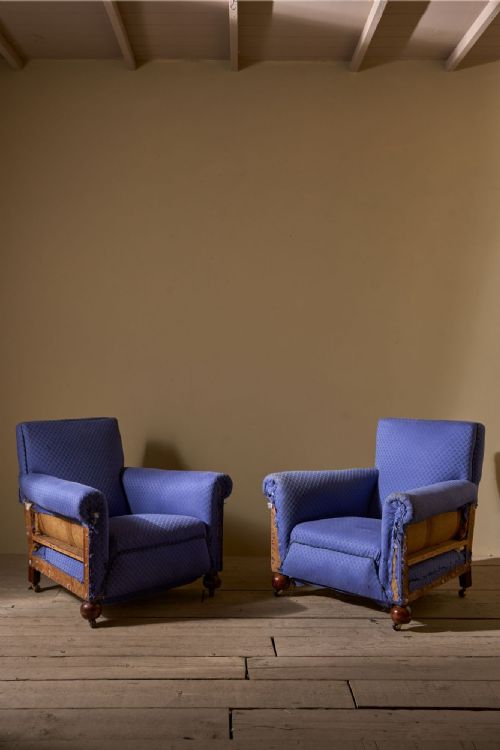
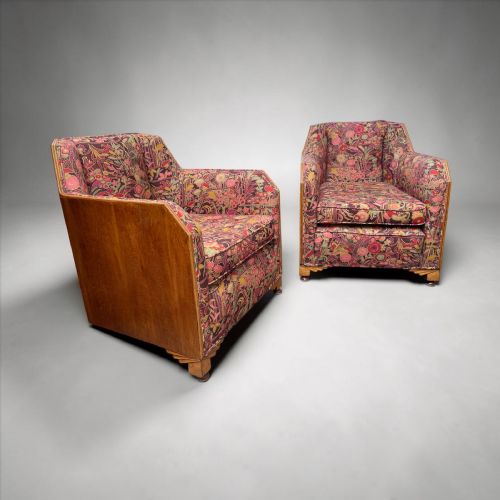
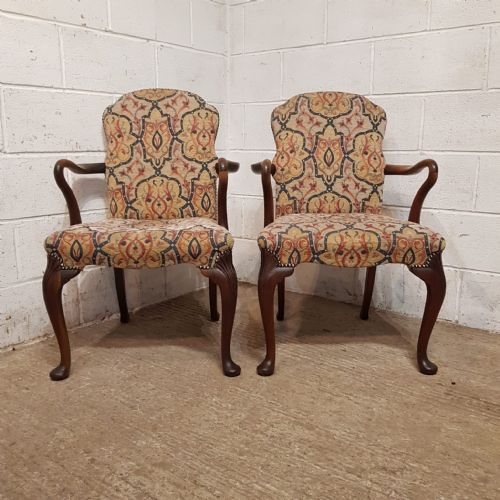
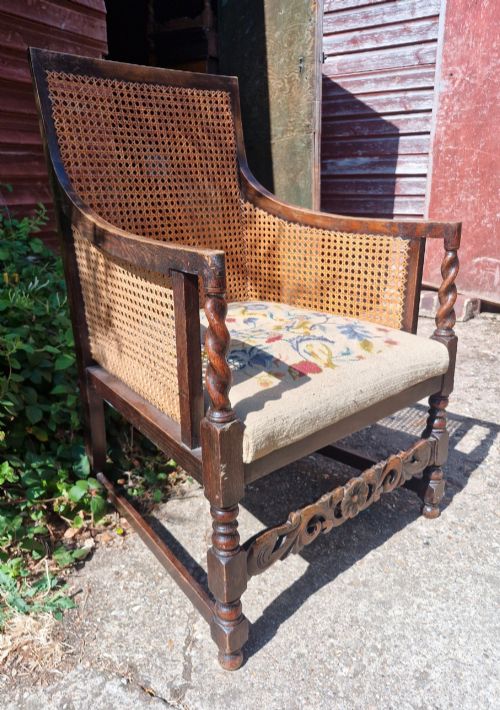
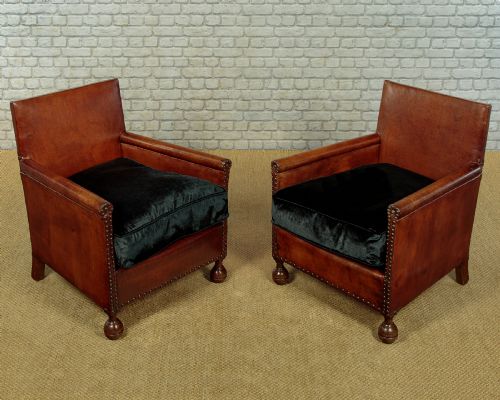
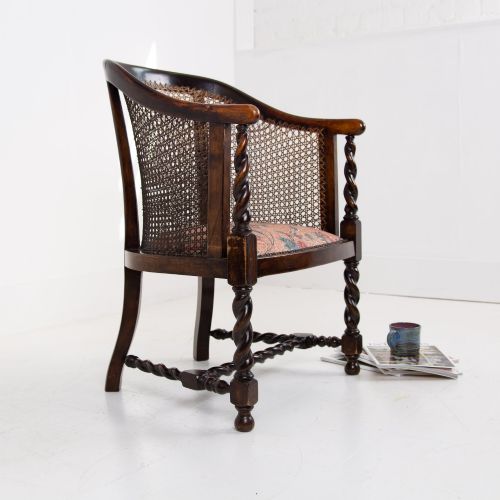
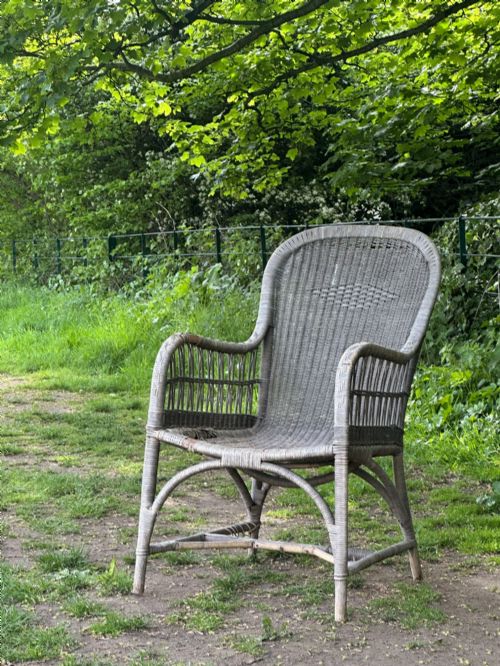
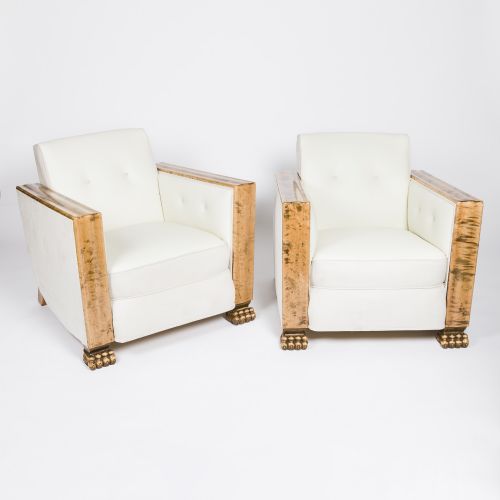
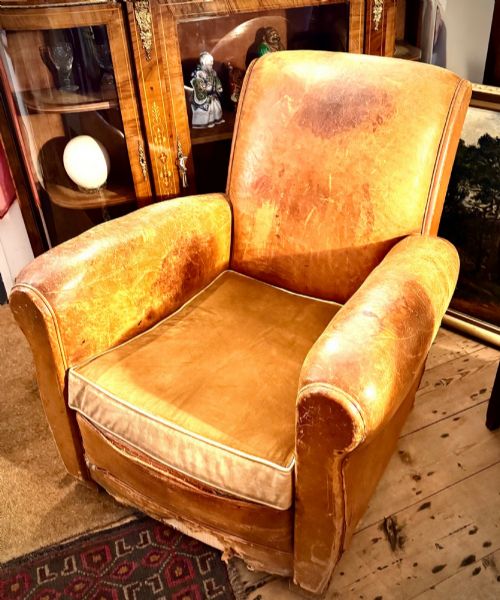
A 1920s armchair encompasses a wide variety of seating forms, ranging from sturdy oak library chairs to streamlined Art Deco club chairs upholstered in leather or fabric. You will frequently encounter heavy club chairs, wooden bergere chairs with woven cane panels, and reviving styles that draw on earlier periods like Queen Anne and Louis XVI.
The selection ranges from British country styles and Windsor chairs to French-influenced gilt armchairs and swivel desk chairs suited for an office. Many pieces are found in pairs, particularly the club chairs and library armchairs designed for formal sitting rooms.
How They Were Made
Frames are constructed from solid timbers including oak, walnut, mahogany, ash, and beech, often shaped with carved details or bentwood techniques. Caning is handwoven into split cane panels for backrests and seats on bergere models, while other chairs rely on brass fittings for adjustable desks and swivel mechanisms.
Upholstery involves traditional stuffing covered in fabric, velvet, or leather, sometimes finished with deep buttoning or rexine. Gilt and original paint finishes appear on French revival frames, while club chairs utilise heavy brown or red leather stretched over supportive sprung interiors.
Listings feature woods like oak, walnut, mahogany, ash, and beech alongside leather, fabric, velvet, and cane.
What Varies in Quality
The standard of a 1920s armchair depends heavily on the integrity of its wooden frame and the original execution of its joinery. Solid walnut or oak structures hold their shape better over time than lighter beech alternatives.
Another distinction lies in the survival of original materials, such as handwoven cane panels, maker labels, and unblemished leather upholstery. Pieces retaining their original finish or restored with traditional methods command more interest than those with heavily altered components.
Dryad of Leicester·ZPM Rodomsko
The 1920s Armchair Glossary
- Bergere
- A closed-arm armchair with a wooden frame and cane panels on the back and sides. This French-inspired form became popular in British homes during the early twentieth century.
- Rexine
- A leathercloth material made from fabric coated with nitrocellulose, widely used as a durable upholstery alternative during the period.
- Club chair
- A deep, comfortable armchair heavily upholstered in leather, designed for lounging in libraries or smoking rooms.
- Barrel back
- An upholstered armchair featuring a rounded, semi-circular backrest that wraps continuously around the sides to enclose the sitter.
- Split cane
- Narrow strips of rattan cane split and woven by hand into intricate patterns for chair backrests and seats.
1920s Armchair: Frequently Asked Questions
How do I identify a 1920s armchair?
Look at the combination of timber, upholstery style, and construction methods characteristic of the era. Art Deco lines, heavy club proportions, and revival details offer strong clues.
Examine the underside and joints for period hardware, maker labels, or traditional hand-weaving techniques found in bergere and cane panels.
Are these armchairs comfortable for daily use?
Many models, particularly club chairs and deep-seated library chairs, were built specifically for long periods of relaxation. Their generous proportions provide substantial support.
Swivel desk chairs and upright library chairs offer firmer seating tailored for working at a table rather than lounging.
How do I care for cane panels on a chair?
Keep cane panels clean by dusting them gently with a soft brush and maintaining moderate humidity in the room to prevent the natural fibres from drying out and snapping.
Avoid placing cane chairs directly next to intense heat sources or in prolonged direct sunlight.