

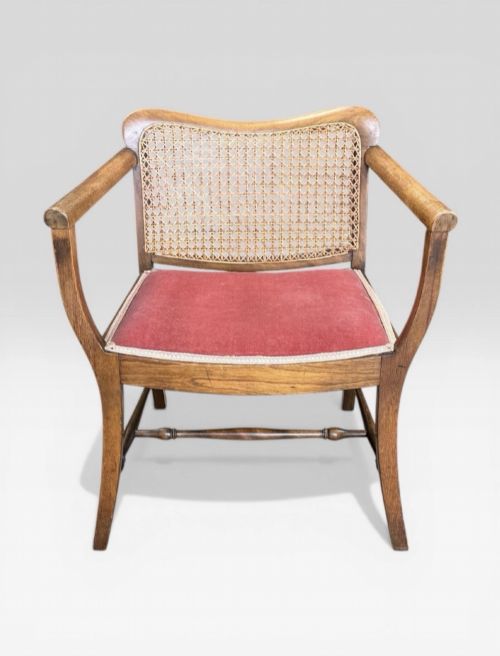


Brown Cane Back Chair
A brown cane back chair brings texture and warmth to a room, offering the light flexibility of woven plant material combined with solid timber frames.
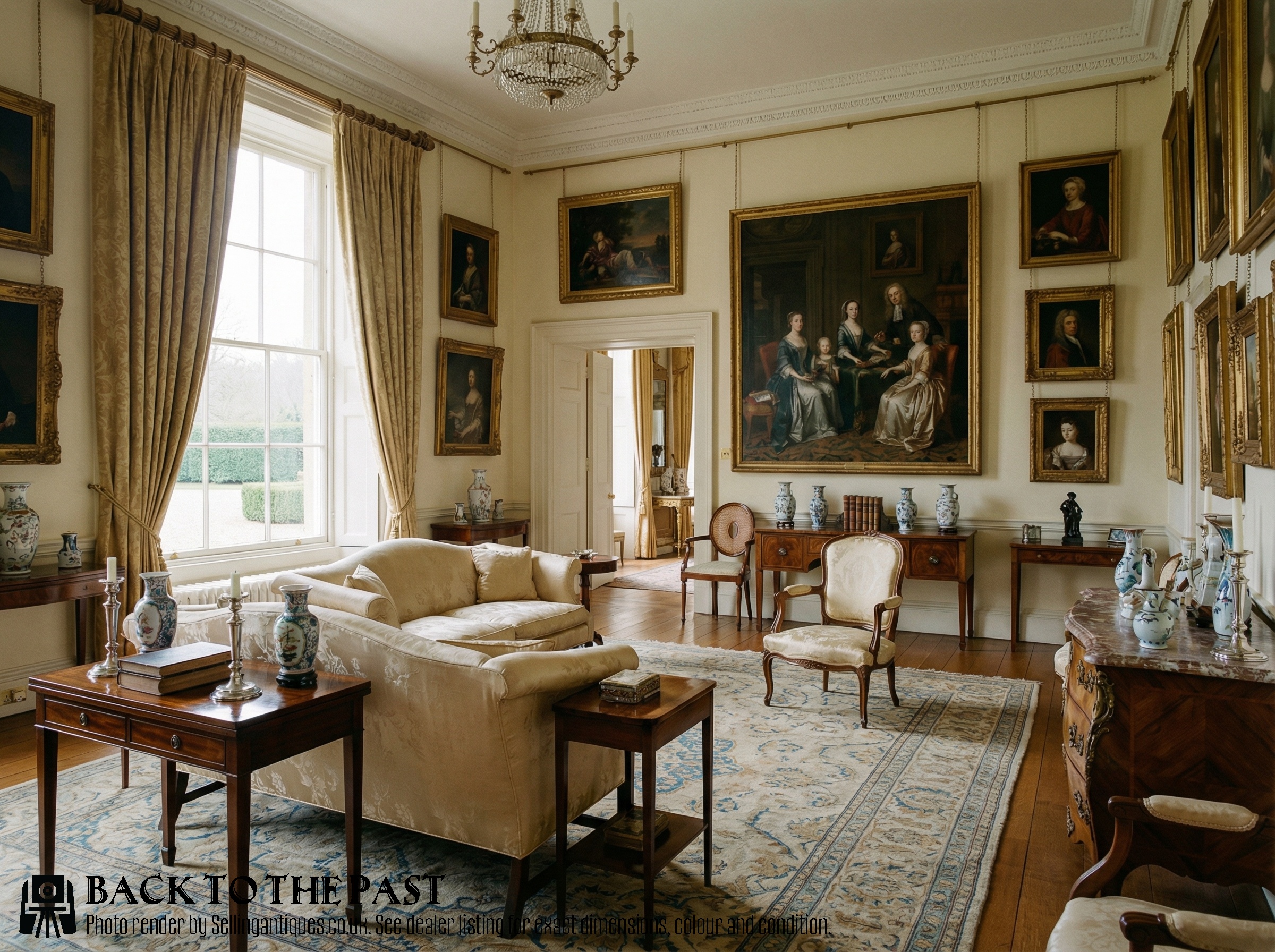
Brown Cane Back Chair
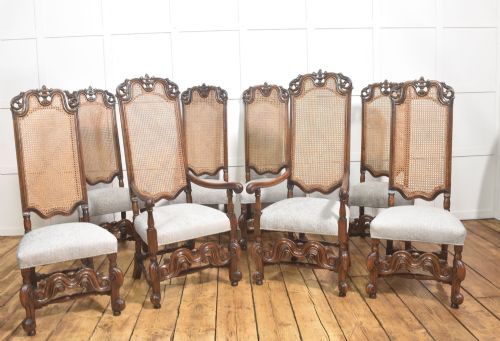
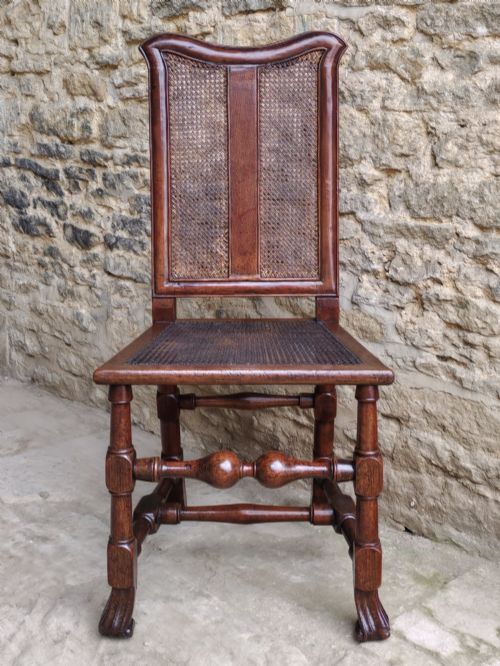
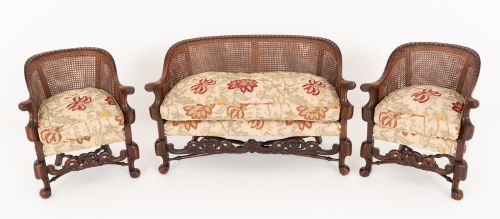
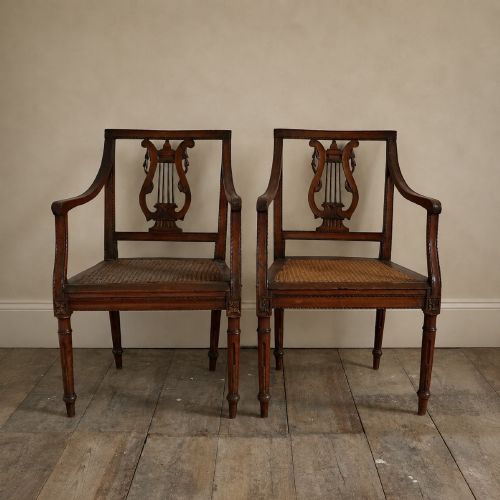
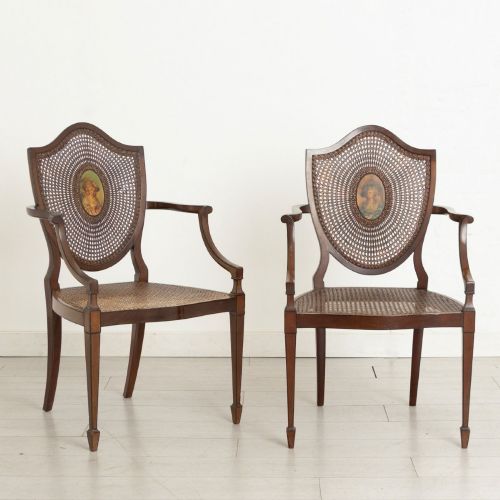
A brown cane back chair brings together woven plant fibres and substantial timber frames, appearing across periods from the seventeenth century through the Edwardian era. These seats cross multiple forms, from library armchairs and reclining plantation chairs to sets of dining chairs and occasional side chairs.
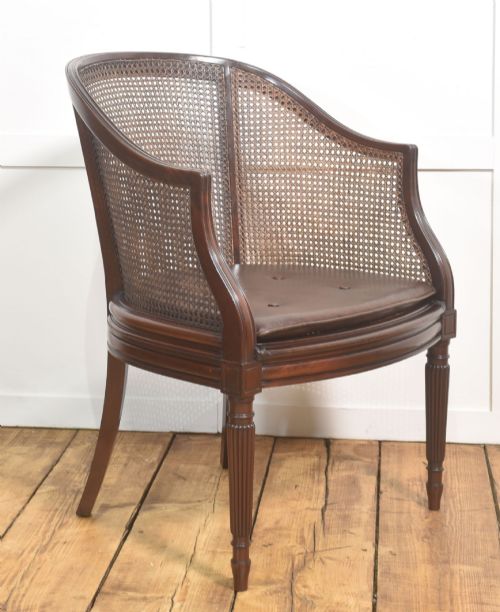
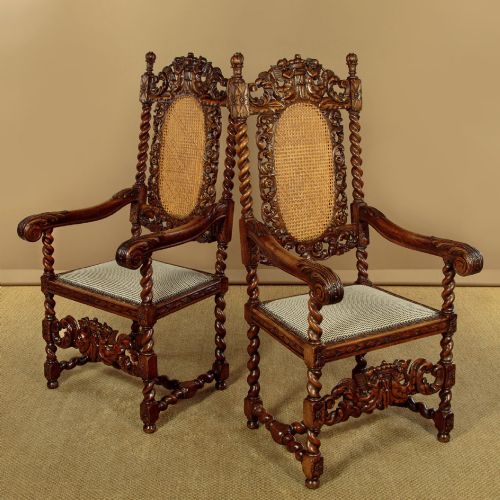
The version most commonly met on this page is the walnut or mahogany framed armchair or high-back dining chair drawing on revival styles like William & Mary, Carolean, and Regency. Such pieces utilise traditional woven panels inserted into structural frames, offering both supportive rigidity and a lighter visual profile than solid wood panels.
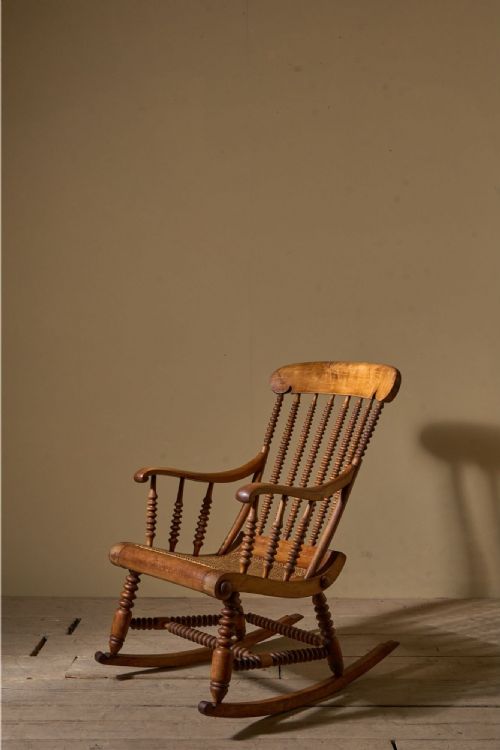
Beyond formal dining and library seating, the selection includes specialised forms such as folding campaign chairs, rocking chairs, and deep-sprung bergères. These diverse seating options reflect centuries of domestic comfort, utilising cane work alongside leather, fabric, and brass details to create varied regional and stylistic expressions.
How they were made
Construction relies on pairing sturdy timber frameworks of oak, walnut, mahogany, or satinwood with pliable woven cane or rattan. Joinery methods involve traditional tenoning and turning, often incorporating barley twists, bobbin turnings, or carved details to ornament the structural posts and stretchers.
Caning techniques demand skilled hand-weaving of split rattan through drilled holes or channels in the chair frame. This method distributes weight evenly across the open weave, creating a resilient surface that flexes with the user while maintaining structural tension over decades of daily use.
Peacock chairs bring a touch of tropical drama to the room, proving that Victorian makers enjoyed dramatic silhouettes just as much as we do.
What varies in quality
Quality rests upon the density and execution of the hand-woven cane work alongside the selection of timber grades used for the frame. Tightly woven, uniform mesh demonstrates superior craftsmanship compared to loose or uneven strands that sag prematurely under weight.
The integrity of the carved woodwork and joinery separates standard production from exceptional examples. Crisp hand-carving on walnut or mahogany frames and tight, movement-free joints indicate high workshop standards, whereas softened details and replacement frame elements point to lesser execution.
James Shoolbred·Waring & Gillow·Dryad of Leicester·Heals of London
The Brown Cane Back Chair Glossary
- Bergère
- An upholstered armchair with enclosed sides, often featuring exposed wooden framing and a cane back panel. This French form prioritises relaxed domestic lounging.
- Cane
- Strips of rattan peel woven into a mesh pattern to form flexible chair backs and seats. It provides lightweight strength and breathability.
- Barley twist
- A spiral turning technique carved into wooden table legs and chair supports. This decorative joinery style appears frequently in seventeenth-century and revival pieces.
- Carolean
- A stylistic period spanning the late seventeenth century, characterised by rich wood carving, high backs, and scrolling ornamentation. Pieces from this era often feature crowned crest rails.
Brown Cane Back Chair: Frequently Asked Questions
How do I care for cane seating?
Keep woven panels lightly dusted and periodically conditioned with a damp sponge to prevent the rattan fibres from drying out and snapping.
Avoid placing these chairs in direct sunlight or beside intense heat sources, which cause natural plant materials to become brittle over time.
Can damaged cane be repaired?
Skilled artisans can re-weave damaged sections by threading new rattan strands through the existing holes in the chair frame.
Traditional hand-caning requires patience and precision to match the tension and pattern of the original surrounding mesh.
What is a bergere chair?
A bergere is an enclosed upholstered armchair featuring exposed wooden framing and woven cane panels along the back or sides.
Originating in France, these deep seats offer a relaxed alternative to rigid dining chairs and suit living spaces or bedrooms.
How do I date an antique chair?
Examine the timber species, joinery methods, and turning styles to align the construction characteristics with specific historical periods like Regency or Edwardian.
Tool marks, wear patterns on the feet, and the consistency of the cane weave also offer clues regarding the approximate decade of manufacture.